People who are married or in a relationship at lower risk of developing type 2 diabetes


Living with partner can have positive impact on blood levels
A study has suggested that a married couple or those who live together are at a lower risk of developing type 2 diabetes, even if they are unhappy in the relationship.
The study, conducted by experts from the University of Luxembourg and the University of Ottawa in Canada, builds on previous studies which have found that happy marriage is linked with good health benefits.
The study claims that the benefits of marriage on blood sugar levels hold true regardless of whether the relationship was happy or under strain, especially in older people.

“Increased support for older adults who are experiencing the loss of a marital/cohabitating relationship through divorce or bereavement, as well as the dismantling of negative stereotypes around romantic relationships in later life, may be starting points for addressing health risks, more specifically deteriorating glycemic regulation, associated with marital transitions in older adults,” lead author, Katherine Ford, formerly of the University of Luxembourg and now at Carleton University in Ottawa, said, according to Guardian.
The scientist came to the conclusion after examining data from the English Longitudinal Study of Ageing on 3,335 adults, aged 50 to 89, who did not have diabetes at the start of the study.
The data showed that 76 per cent of people in the analysis were married or living together.
)
US Supreme Court backs Trump administration's use of SAVE database to check voter citizenship
)
Outrage erupts after 3-year-old is married to 60-year-old man in Pakistan, link to her sister's murder being probed
)
‘Anti-social elements spreading false rumours’: LPU issues statement amid massive unrest over alleged rape
)
LPU students go on rampage, vandalise campus amid widespread protest: What's happening
)
OpenAI AI Agents hacked 4 websites before Hugging Face, researchers reveal
)
Pentagon quietly adds 37 wounded troops to Iran war tally without explaining when or how
&im=FitAndFill=(700,400))
New Friday OTT releases (September 25, 2026): Don’t Be Shy, Hunkkaar: The Roar, Mango Pachcha- 6 movies and TV shows on Netflix, Prime Video and more
)
Asian Games 2026: India face Afghanistan in quarterfinal on Sep 28; Pakistan clash with Hong Kong
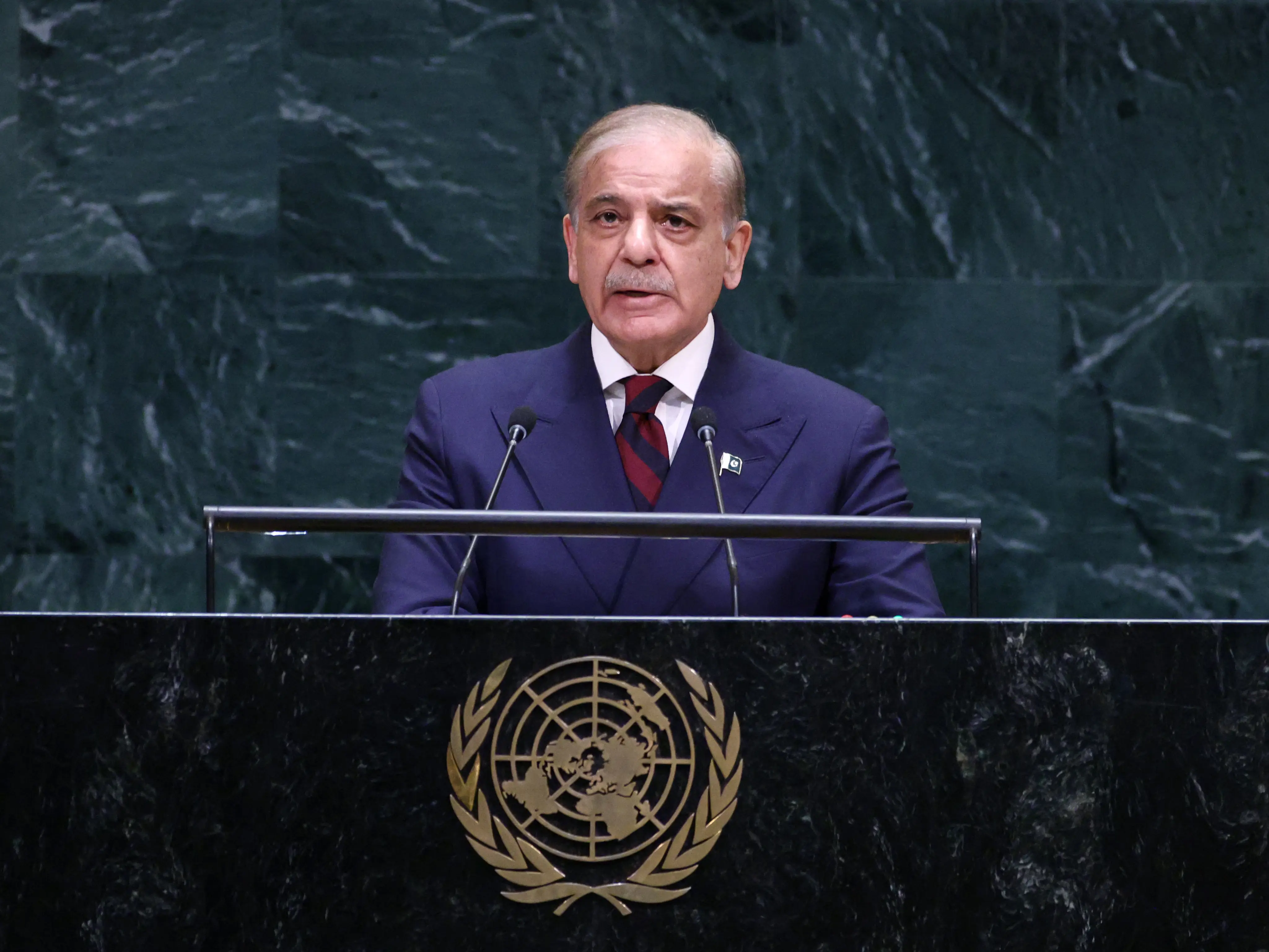)
‘Attack on Mecca a red line for Pakistan’: Shehbaz Sharif warns Houthis at UN
)
Nigeria Navy moves to boost oil security, tackle crude theft and infrastructure threats
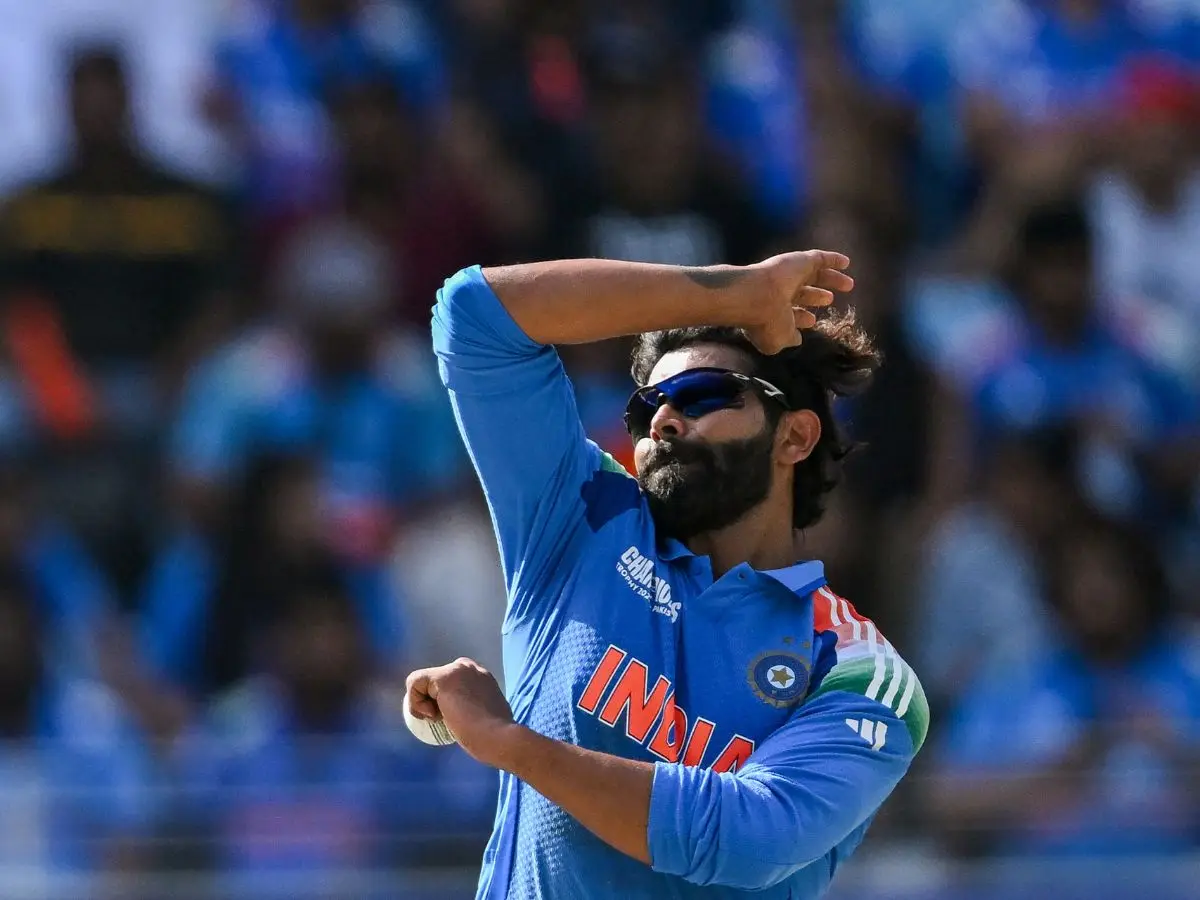)
'He's very much in our plans': Ravindra Jadeja ‘in mix’ for 2027 ODI World Cup, says batting coach
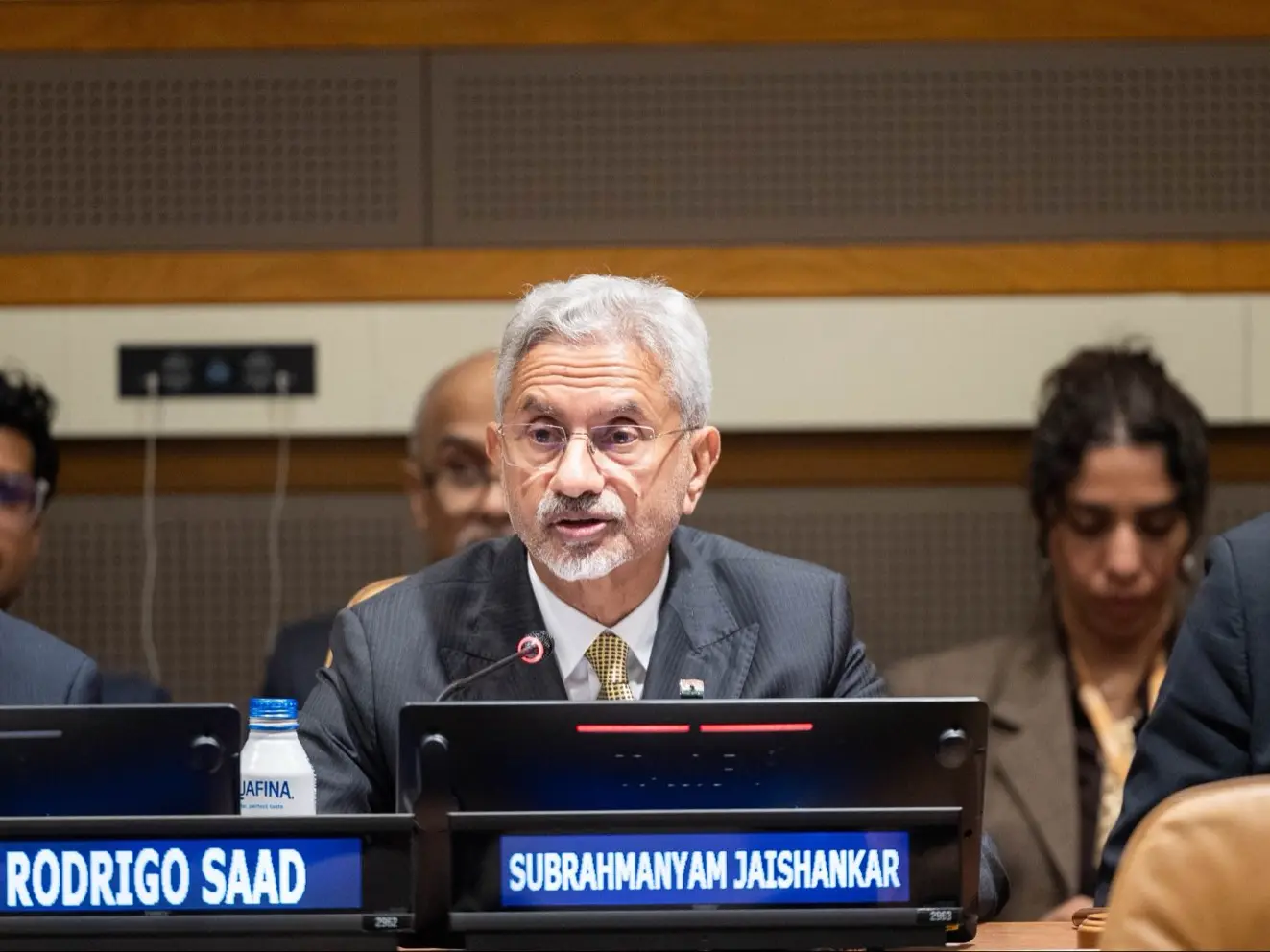)
'Countries far from conflict are penalised': Jaishankar calls for Gulf peace, seafarer safety at UN
)
Bigg Boss 20: Salman Khan schools Rhiti Tiwari over Qazi Touqeer clash, compares her to Dolly Bindra
)
Gaza's war turned environmental damage into second crisis
)
Nations League: Spain sink England at Wembley; Modric shines for Croatia
)
Trump-Xi summit wrap: Big pageantry, Iran talks, few major developments and more meetings planned
)
‘Could kill billions...’: Bill Gates backs calls to slow AI development amid fears of catastrophe
)
Bollywood x K-pop crossover! LE SSERAFIM’s Kazuha charms fans with Shah Rukh Khan’s ‘Chammak Challo’ steps
)
US-Iran war: Trump rejects Iran's Hormuz proposal, reports suggest talks expected next week
)
'What kind of confession is this?': Pakistan PM Shehbaz Sharif’s 'terrorists would be roaming New York' remark goes viral, raises alarm online. Watch
)
Sri Lankan Tamil migrant worker gets death sentence in Saudi Arabia, help sought from India
)
Myanmar training camp case: US national, 6 Ukrainians allowed to meet their families abroad
)
'FIRST LOOK from inside Noah’s Ark': Researchers share video from inside mysterious mound in Turkey
)
UNSC reform momentum grows: Russia, Portugal, Mauritius push for India's permanent seat bid
)
WATCH | As Shehbaz Sharif claims Pakistan’s ‘victory’ during 2025 conflict, Indian diplomat R Srinivas laughs at UN
)
Ceuta migrant crisis: Protesters take to streets as Spain grapples with migrant challenge
)
Jaishankar at UNGA: Goodwill and friendship can't coexist with terrorism
)
'A terrorist country is asking me that question?': Jaishankar hits back at Pakistani journalist at UN; flags attacks on commercial shipping
)
Russia will achieve Ukraine war aims; Europe doing everything to block peace talks: Lavrov at UN
)
‘Serial practitioner of terrorism’: Jaishankar calls out Pakistan’s ‘state-sponsored’ terror at UNGA
)
US court backs Pentagon's decision to exclude Anthropic over Claude AI restrictions
The researchers found that the nature and quality of the relationship had little to no effect to the average levels of blood glucose, indicating that having a supportive or strained relationship was less important than just having a relationship at all.
“Overall, our results suggested that marital/cohabitating relationships were inversely related to HbA1c levels regardless of dimensions of spousal support or strain,” they said.
“Likewise, these relationships appeared to have a protective effect against HbA1c levels above the pre-diabetes threshold.”
(With inputs from agencies)
WATCH WION LIVE HERE