Our prehistoric ancestors turned stones into spheres for a reason, says study

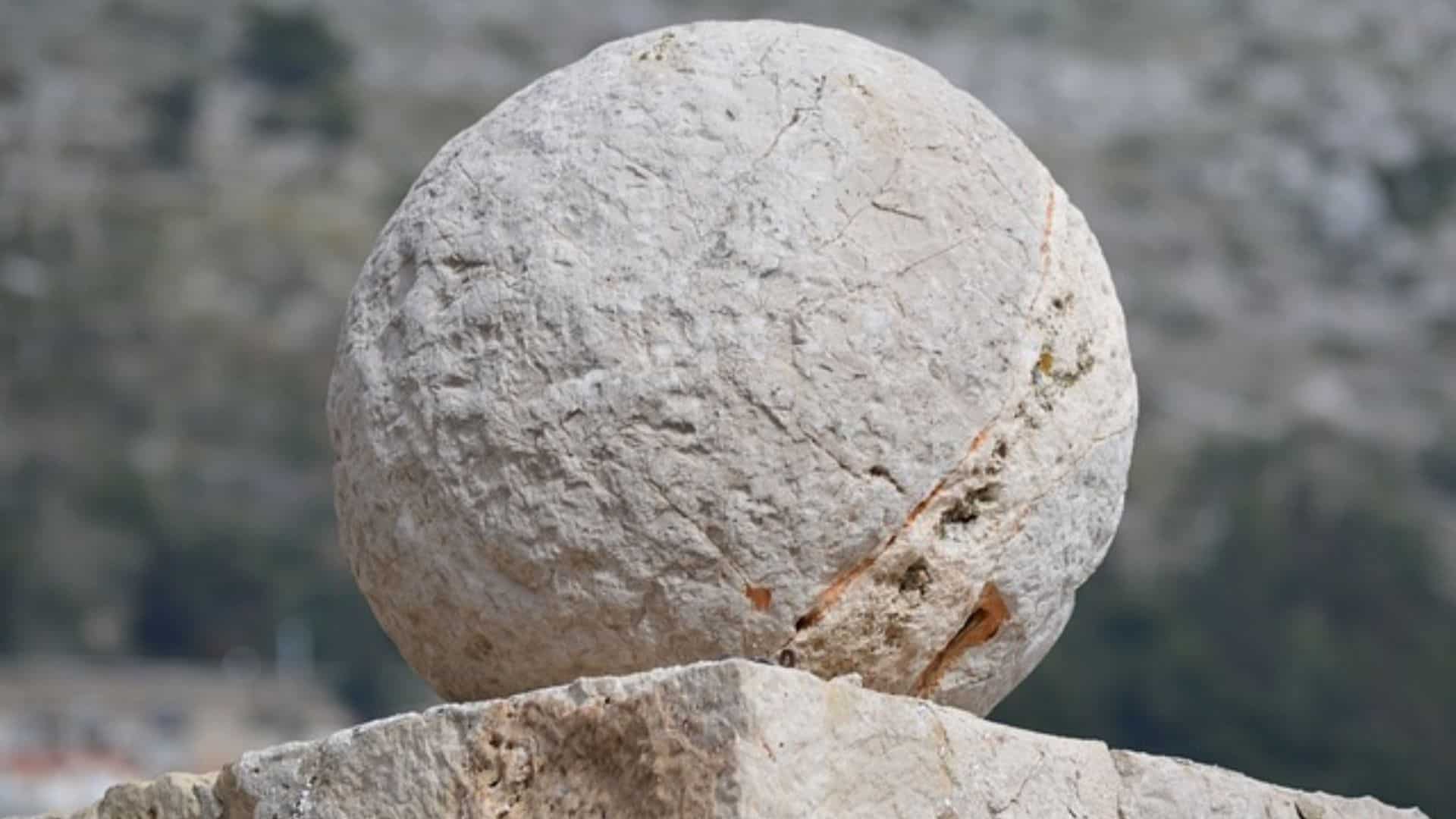
Sphere
For over a century, archaeologists have been puzzled with the existence oflimestone spheroids crafted by our early human ancestors more than 1.4 million years ago. These spherical artefacts have long been a mystery, leaving scientists pondering their origin, purpose, and the skills of those who created them.
Deliberate creation or accidental byproduct?
One of the primary questions surrounding these spheroids has been whether they were intentionally shaped by our ancient forebears or were mere byproducts of other stone-related activities. Did early humans aspire to create perfectly spherical objects, or were these spheroids a result of haphazard stone manipulation?

A groundbreaking study sought to shed light on this enduring mystery by employing state-of-the-art analytical techniques. Researchers meticulously examined 150 limestone spheroids discovered at the Ubeidiya archaeological site, dating back to the distant past of 1.4 million years ago.
What's the creation process?
)
Nigeria: Protesters take to the streets, police fire shots
)
US-Iran war: Tehran draws red lines — seven demands before any peace talks
&im=FitAndFill=(700,400))
‘Not the US or China’: These are the countries leading the world in arable land
)
Mark Carney mimics Trump in hilarious moment over C$70 billion clean-energy investment; room erupts in laughter
)
Pentagon revives mandatory testosterone testing for male troops aged 30 and above
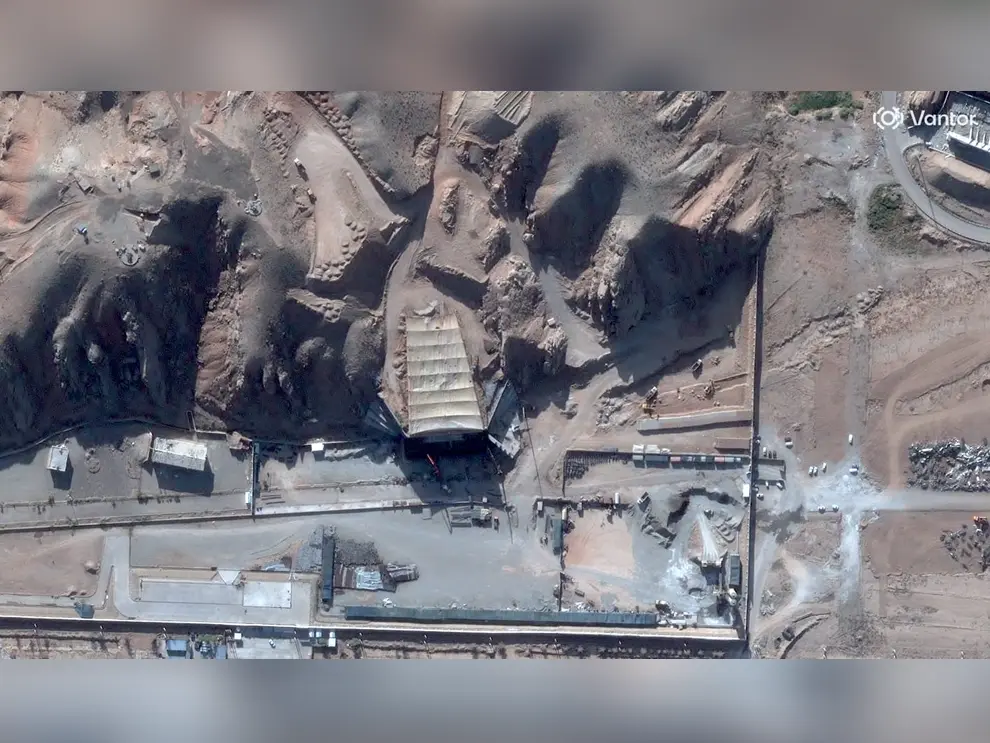)
Iran rebuilding nuclear facilities? New satellite images show Tehran may be rapidly restoring bombed Parchin base
)
FACT CHECK: Why did PM Modi ask Xi ‘is it okay’ at BRICS Summit? New video reveals...
)
China may have gained access to US's classified F-35 jets; parts meant for repairs diverted to Hong Kong, sparking Pentagon inquiry
)
Trump announces ‘AI Force’ as debate grows over AI risks and regulation
)
Iran sets 7 conditions to end war with US: What are Tehran’s demands?
)
Trump defends AI amid growing alarm, announces new 'AI force' and promises an 'AI czar'
)
Gaza under attack: Health chief's son killed in IDF strikes
)
Arvind Kejriwal, family members, Delhi CM Rekha Gupta get SIR notices
)
Cochin shipyard starts building Indian Navy's next-gen missile vessels
)
Russia extends ban on Western food imports for two more years in extended sanctions countermeasure
)
Brigitte Bardot’s private collection set for Paris auction; key items and prices revealed
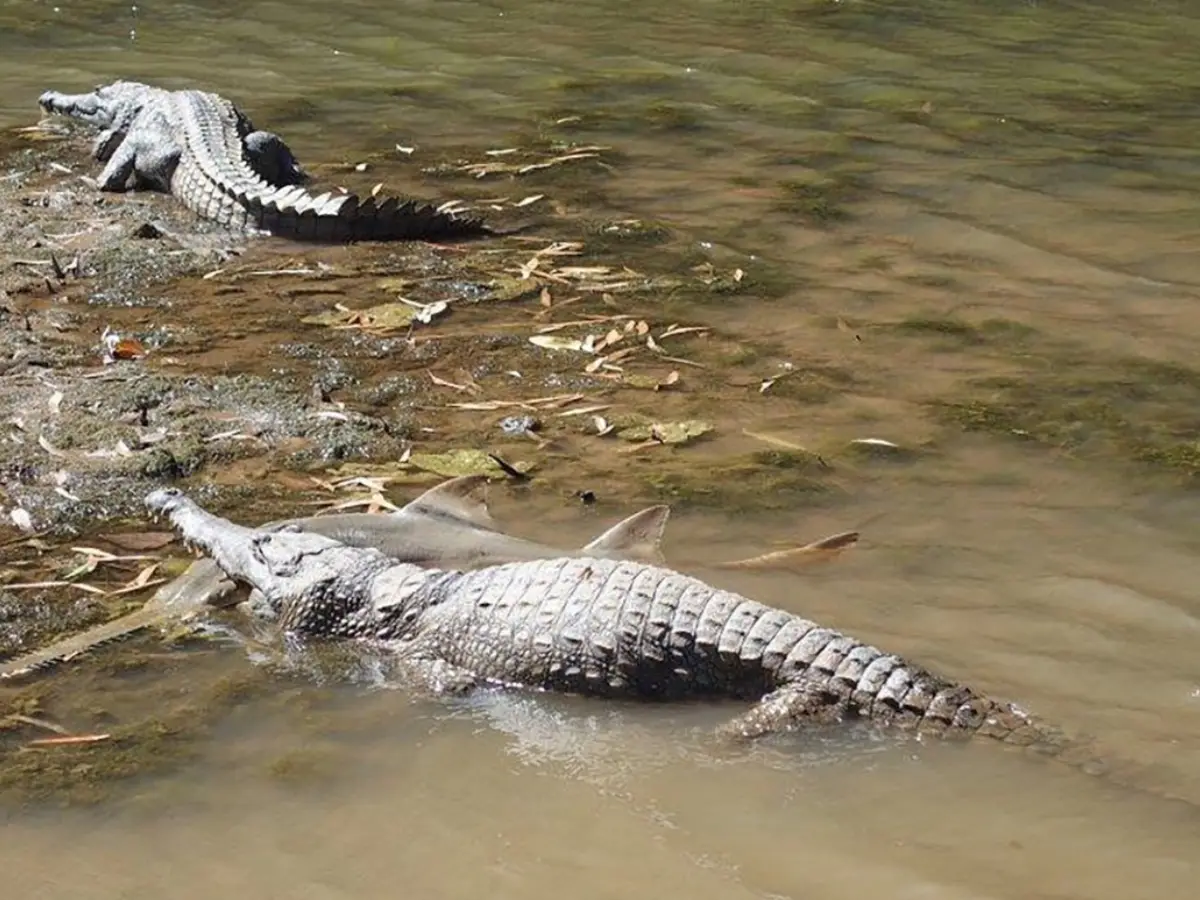)
How did an Australian river with 500 crocodiles pass the Olympic test? Here's how
)
‘Will go to any extent’: Pakistan vows to defend Saudi Arabia amid Houthi attacks
&im=FitAndFill=(700,400))
Ananya Panday to Sharvari: 5 actresses serving major princess vibes
66 years of the Indus Waters Treaty: How India and Pakistan settled a bitter river dispute
)
The Verdict | When precision fails: US commits war crime in Minab school strike, UN finds
)
Trump signs Russia sanctions bill into law, targets Moscow’s energy sector
)
Pak: A series of counter terrorism operations in Khyber Pakhtunkhwa
)
Flying cars in UAE: Ras Al Khaimah signs deal with Chinese company to test new transport
)
Reacher star Alan Ritchson opens up about alleged blackmail, suicide attempt during difficult period
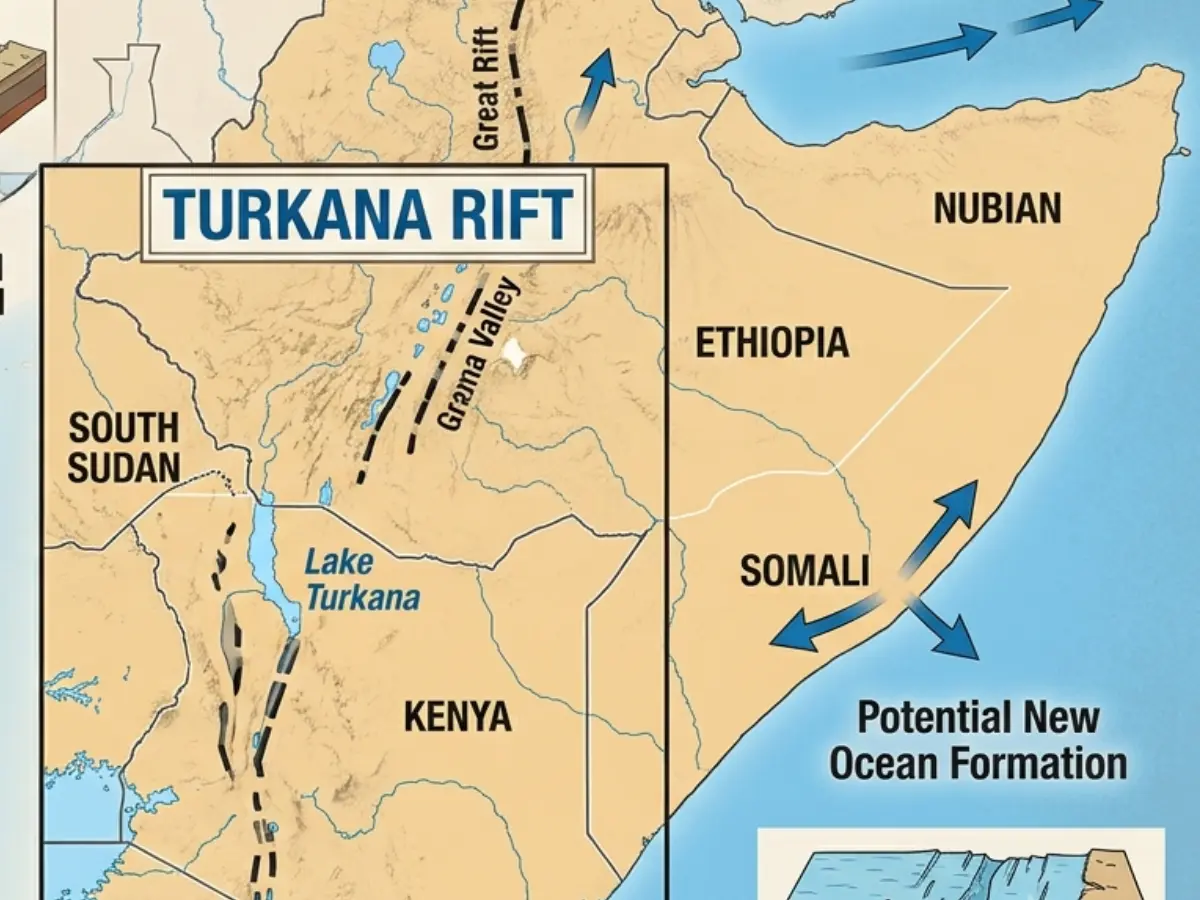)
Africa is splitting, and a lot sooner than estimated, giving way to a new ocean
)
Ajit Agarkar’s future as chief selector to be decided at right time, says BCCI secretary
)
Trump bans CNN, MS NOW and Politico from White House over ‘FAKE NEWS’
)
Trump 2.0: Dark days ahead for America’s ‘imperial presidency’
&im=FitAndFill=(700,400))
How many F-35s does Britain, Japan and Israel have?
)
Harry Brook targets long reign at top of T20I rankings after Sri Lanka sweep
)
Tirupati Laddu ghee adulterated with chemicals, says ED, supplier arrested
)
Russia holds first parliamentary elections since the beginning of the Ukraine war
&im=FitAndFill=(700,400))
Meet top 5 Indian batters with fastest T20I centuries
)
‘System run by six individuals’: Rahul Gandhi targets PM Modi, Amit Shah, NSA Doval
)
To decipher the origin and intent behind these spheroids, scientists reconstructed their formation by closely examining their geometry and the telltale scars left on the stones during their crafting. The startling revelation contradicted the notion that these spherical objects were mere accidents.
Rather than evolving towards a smoother finish during their creation, the spheroids displayed a remarkable progression towards ideal spherical shapes. Unlike naturally eroded stones, such as pebbles, these artefacts exhibited deliberate shaping skills and a clear objective in achieving their spherical form.
This groundbreaking discovery challenges conventional beliefs about early hominins and their technological prowess. The presence of intentional craftsmanship on these ancient spheroids not only redefines our understanding of our ancestors but also prompts us to reconsider their relationship with technology and their quest for symmetry in stone shaping.
Global implications
The implications of this finding reach far beyond Ubeidiya, as slightly older spheroids with similar intentions may exist at other African archaeological sites. If this can be demonstrated, it would represent the earliest evidence of hominins actively seeking and achieving symmetrical shapes in stone, revolutionising our perception of early human ingenuity.
WATCH WION LIVE HERE: