Norway unearths graves of children buried for 600 years beneath ancient stone circles

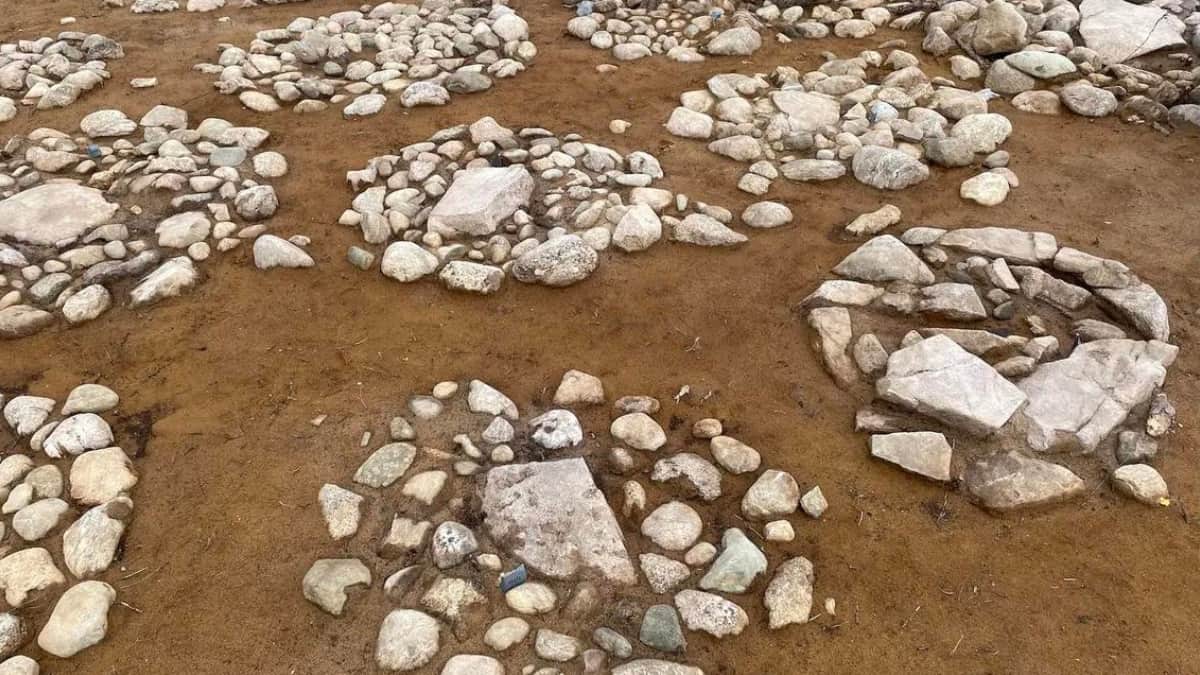
Image of uncovered 41 graves at the site, each marked by a circle of flat stones.
The archaeologists were left stunned when they discovered dozens of graves of children, which belonged to the Bronze and Iron Ages,in southern Norway.
Each of the burialswasmarked with circles of meticulously placed stonesand are said to be hundreds of years old. The discovery was made by a team from Norway's Museum of Cultural History,last year, nearly 50 miles (80 kilometres) south of Oslo, close to the Swedish border.
"They've lain here as a secret until we found them," said museum archaeologist Guro Fossum, while speaking to Science Norway. "We uncovered one after another and ended up with 41 round stone formations," he added.

The circles of stones, each of which measured up to sixfeet (twometres) across, were kept together. These circles were placed around a huge, central zone.
Also Read:Archaeologists discover ruins of 4,000-year-old ceremonial temple
The archaeologists, after carrying out further investigations, found pottery shards and burned bones beneath those stones.
)
US Supreme Court backs Trump administration's use of SAVE database to check voter citizenship
)
Beijing to Washington! Ivanka Trump makes a style statement in Chinese designer Guo Pei for President Xi Jinping’s White House welcome
)
Heart of the Beast review: Brad Pitt leads a gripping tale of survival and loyalty
)
Outrage erupts after 3-year-old is married to 60-year-old man in Pakistan, link to her sister's murder being probed
)
Pakistan deploys over 20,000 security personnel as PTI vows march for Imran Khan's release
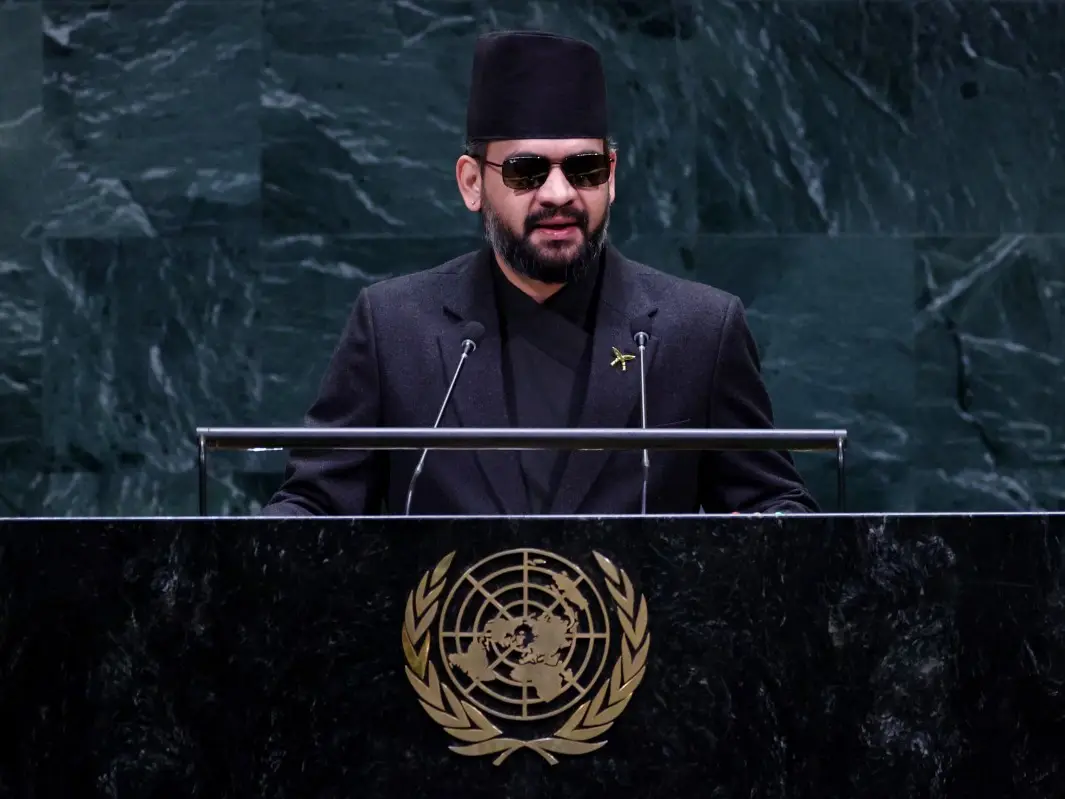)
‘Not just a local tragedy’: Nepal PM Shah warns UN of growing climate threat, says Nepal floods were 'a warning to the world'
)
Asian Games: Shooting spree continues as India win silver in women’s 50m rifle 3P team event
)
India-New Zealand FTA is ‘an expression of trust’, NZ High Commissioner Patrick John Rata says
)
OpenAI AI Agents hacked 4 websites before Hugging Face, researchers reveal
)
Pentagon quietly adds 37 wounded troops to Iran war tally without explaining when or how
&im=FitAndFill=(700,400))
New Friday OTT releases (September 25, 2026): Don’t Be Shy, Hunkkaar: The Roar, Mango Pachcha- 6 movies and TV shows on Netflix, Prime Video and more
)
Yemen's war escalates: Saudi-backed leader calls for general mobilisation against the Houthis
)
‘Attack on Mecca a red line for Pakistan’: Shehbaz Sharif warns Houthis at UN
)
Tesla is preparing something big for Optimus: new Gen 3 models surface in app
)
Bias or safety concerns? Bengaluru CEO says firm will not hire men from UP, Bihar, Rajasthan, MP. Here's why
)
Nigeria Navy moves to boost oil security, tackle crude theft and infrastructure threats
)
Indian diplomat Petal Gahlot raises deteriorating situation in Pakistan-occupied Kashmir in right of reply at UN
)
Scientists detect first radio signals directly from faraway planet
)
‘It is all possible’: Putin weighs next steps on Ukraine talks, rules out Europe conflict
)
10,000 gather in support of 87-year-old forcefully evicted from home of 71 years
)
Trump rejects Iran's 7-day ceasefire proposal as US weighs renewed bombing after midterms: Report
)
Red Sea crisis: Houthis promise not to target European ships; UNSC condemns Saudi attacks
)
Gaza's war turned environmental damage into second crisis
)
Trump-Xi summit wrap: Big pageantry, Iran talks, few major developments and more meetings planned
)
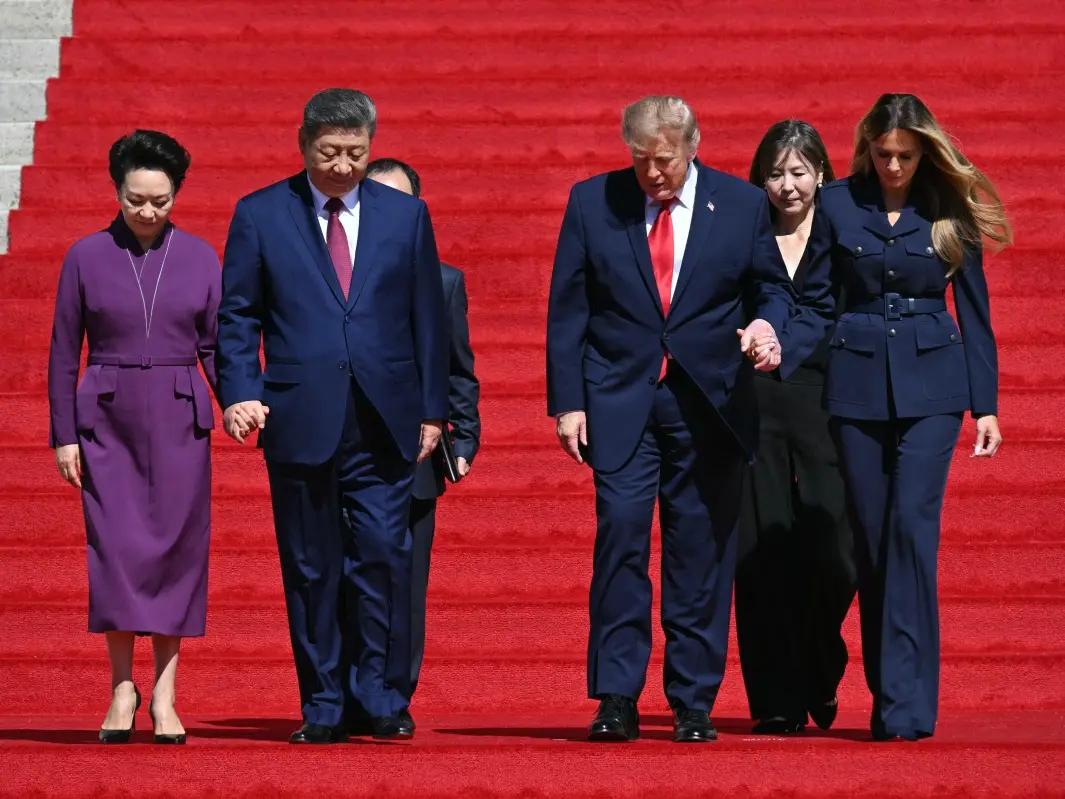
'Making history': Xi Jinping praises Trump as US-China leaders dine at White House
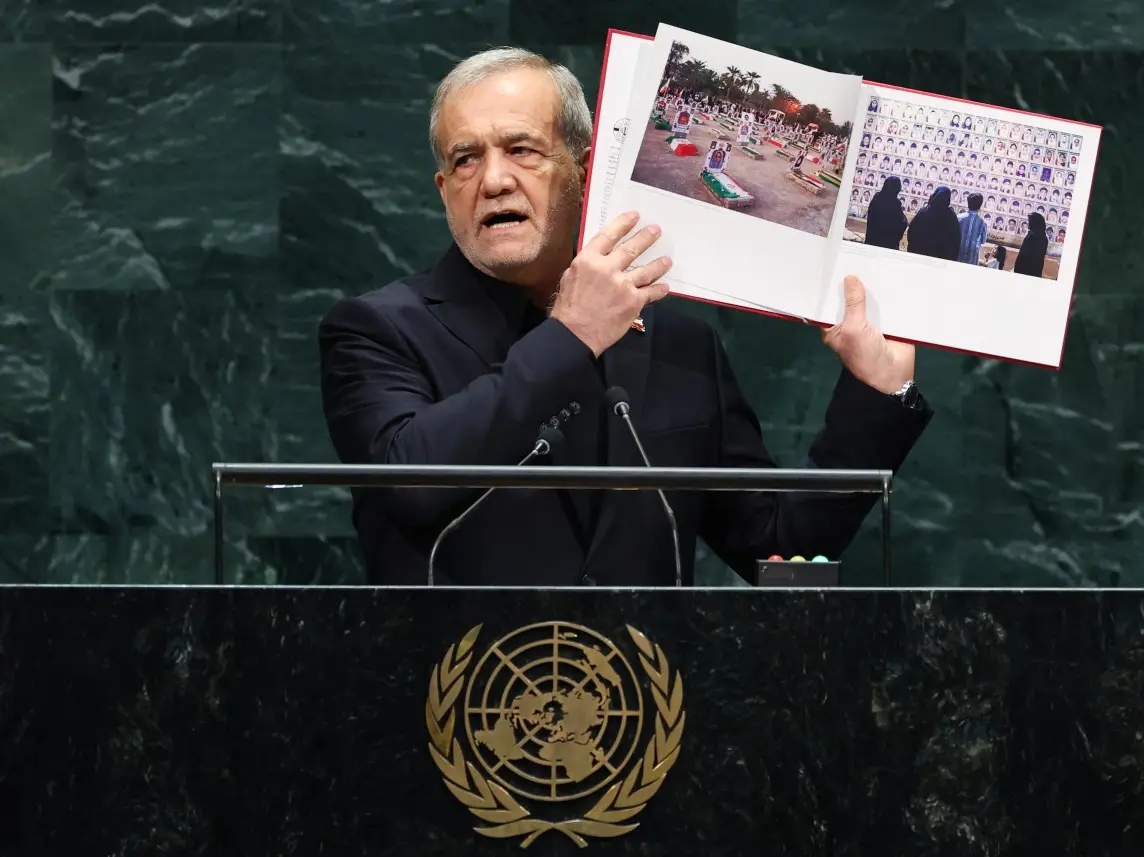)
'We do not wish to continue. It's America that must choose': Iran president Pezeshkian calls on US to end war
)
India's UN Envoy slams Pakistan: 'They claim security by day, terrorism by night'
)
Bollywood mourns Mushtaq Khan: Sunny Deol, Rajpal Yadav and others pay tribute
)
Myanmar training camp case: US national, 6 Ukrainians allowed to meet their families abroad
)
'FIRST LOOK from inside Noah’s Ark': Researchers share video from inside mysterious mound in Turkey
)
Cindy Crawford’s son Presley Gerber cremated as death probe continues
)
WATCH | As Shehbaz Sharif claims Pakistan’s ‘victory’ during 2025 conflict, Indian diplomat R Srinivas laughs at UN
)
'A terrorist country is asking me that question?': Jaishankar hits back at Pakistani journalist at UN; flags attacks on commercial shipping
)
Army chief reviews operational preparedness along LoC, visits mega eye camp in Tangdhar
&im=FitAndFill=(700,400))
‘Absolutely savage, sickening’: Zelensky slams Russia as daytime strikes kill 5 in Kyiv
)
US court backs Pentagon's decision to exclude Anthropic over Claude AI restrictions
Children buried were infants or 3 to 6 years old
In a new analysis, it was discovered that nearly all the burials were graves of children who were killed between 800 and 200 BC.
Among them, many were infants and others were between threeto sixyears old.
"The dating shows that the burial site was used over a long period, so they couldn't all have died in the same natural disaster or outbreak of disease or epidemic," said Fossum.
The museum, in a statement, said that such a concentration of the ancient graves of children is very unique in Europe.
The statement added that the area around the burial ground is filled with rock carvings which represent Sun worship and voyages.
Archaeologists have decided to analyse the artefacts recovered from the site, which include a metal brooch and pieces of pottery.
Watch:Greece: Athens Acropolis closes due to heatwave
"Analyses of the pottery fragments can tell us a lot. It doesn't appear that all the vessels were containers for burnt bones; some were placed between the graves, and we are very curious about what was inside them," Fossum said.
He added that the burial ground was discovered by the archaeologists after they investigated a Stone Age settlement nearby.
However, Fossum said that the burial site at Fredrikstad was rather unusual.
"The graves are very close together. They must have been in an open landscape, with thoroughfares nearby, so everyone would have known about them. Cooking pits and fireplaces around the site suggest that gatherings and ceremonies were held in connection with burials," he said.
(With inputs from agencies)