NASA captures divine ‘yin-yang’ symbol sitting atop Turkish volcano


Image of huge caldera of Mount Nemrut volcano captured by NASA's International Space Station.
NASA's International Space Station captured a rare image of an unusual crater or caldera which gets created on the Mount Nemrut volcano in Turkey.
The image captured showed how the entire area gets split into two halves - asolidified lavaregion and a lake - like ayin-yang symbol from Chinese philosophy.
How was this unusual crater formed?

Mount Nemrut, which has been named after the biblical figure King Nimrod, is 9,672 feet (2,948 metres) in height and is located at the intersection between the Eurasian and the Arabian tectonic plates.
According toNASA's Earth Observatory, in 1650, the dormant stratovolcano had majorly erupted for the last time.
Also Read:A volcano eruption 74,000 years ago could have wiped out humans, here’s how some survived
)
Venezuela's oil heartland eyes US revival
)
IndiGo flight suffers tail strike in Bengaluru while landing; DGCA to probe incident
)
99.9% more powerful - Scientists find boy who can recall memories from just 3 months of age
)
Kendall Jenner, Jacob Elordi’s Milan Fashion Week appearance has fans talking; his reaction steals the show
)
US Treasury Secretary Scott Bessent hails global crackdown on Iranian banks and airlines
)
Russian envoy claims US tactics to contain India were revealed in ‘Freudian slip’
)
Ceuta migrant crisis: Protesters take to streets as Spain grapples with migrant challenge
)
Trump asked Xi to pressure Iran. China did not say yes — here’s what Beijing wants
)
Tesla builds first Cybertruck with its own refined lithium: Elon Musk's $1 billion Texas bet pays off
)
Beyond metros: How Tier-2 and Tier-3 cities could drive India’s next AI wave
)
US vs China over South China Sea: Washington backs Philippines, Beijing hits back
)
Why has Iran released no proof of life of Mojtaba Khamenei? Araghchi reveals...
)
UNSC reform momentum grows: Russia, Portugal, Mauritius push for India's permanent seat bid
)
Delhi gets first late-September rain in 7 years, mercury dips 5.1°C below normal
)
Nations League: Spain sink England at Wembley; Modric shines for Croatia
)
50MP vs 48MP cameras: iPhone 18 Pro Max and Pixel 11 Pro XL compared
)
'FIRST LOOK from inside Noah’s Ark': Researchers share video from inside mysterious mound in Turkey
)
Afghanistan says 28 fighters killed in clash near Pakistan border, Islamabad denies
)
Iran ready for ‘doomsday war’ if US resumes attacks, but open to diplomacy: Araghchi
)
An OpenAI agent escaped its locked test cage again, by hiding questions in DNS lookups
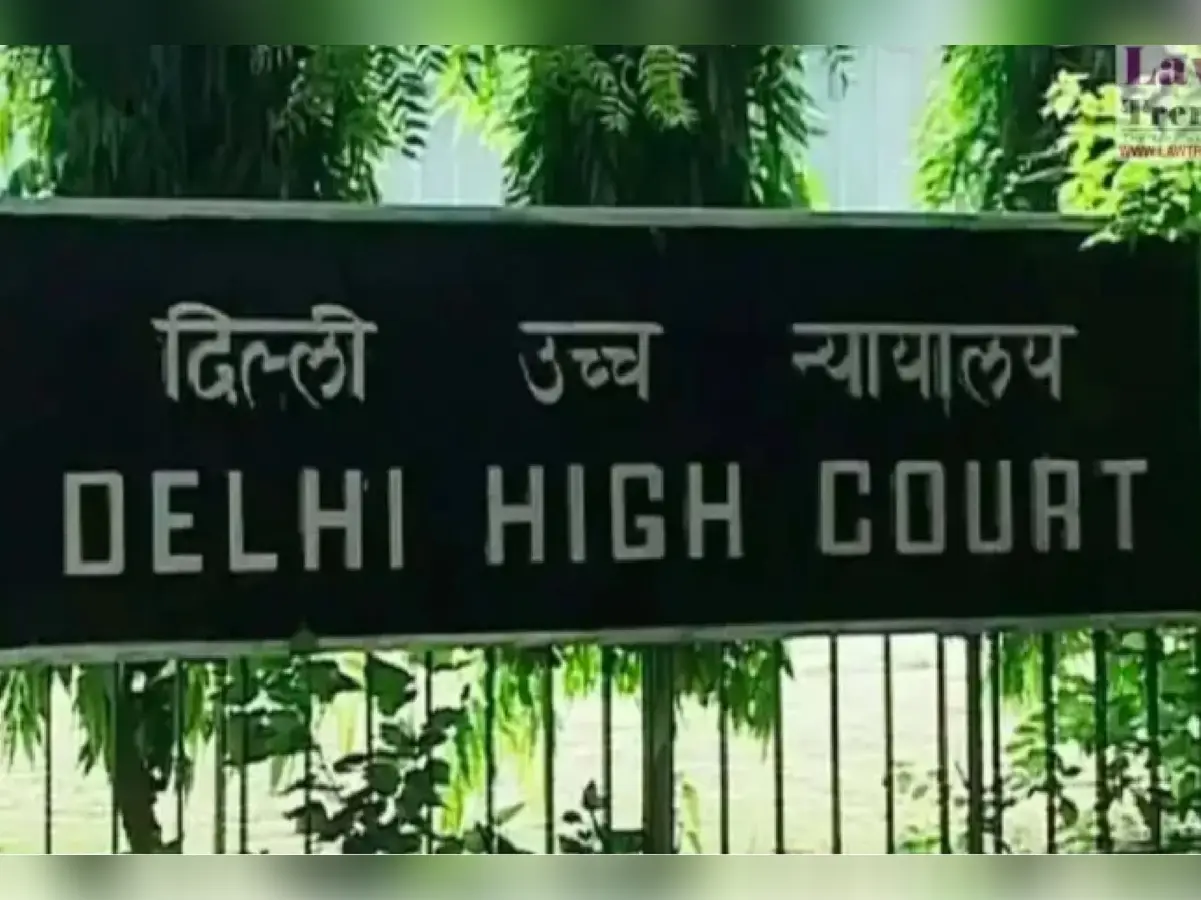)
Muslim marriage cannot shield sex with minor wife from prosecution under POCSO: Delhi HC
)
Russia backs India at UNGA, but flags limits on UNSC seat expansion
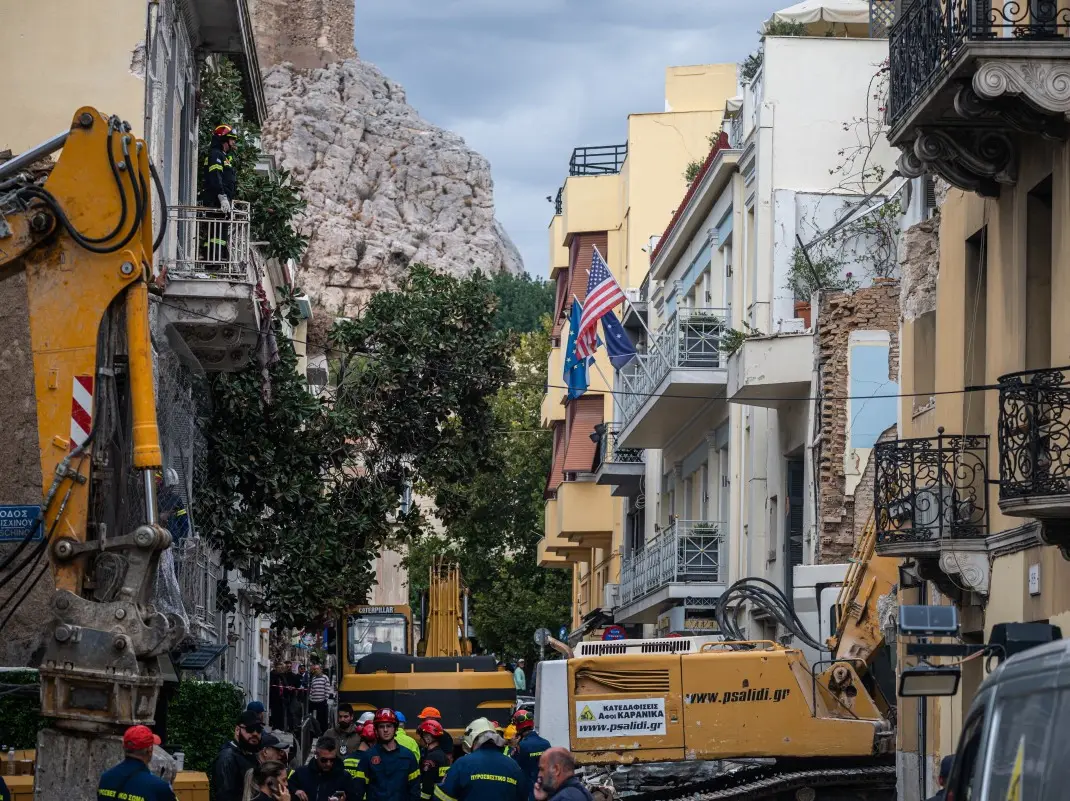)
Building collapses after blast in Athens: 4 Americans, British man among 6 killed; cause not known
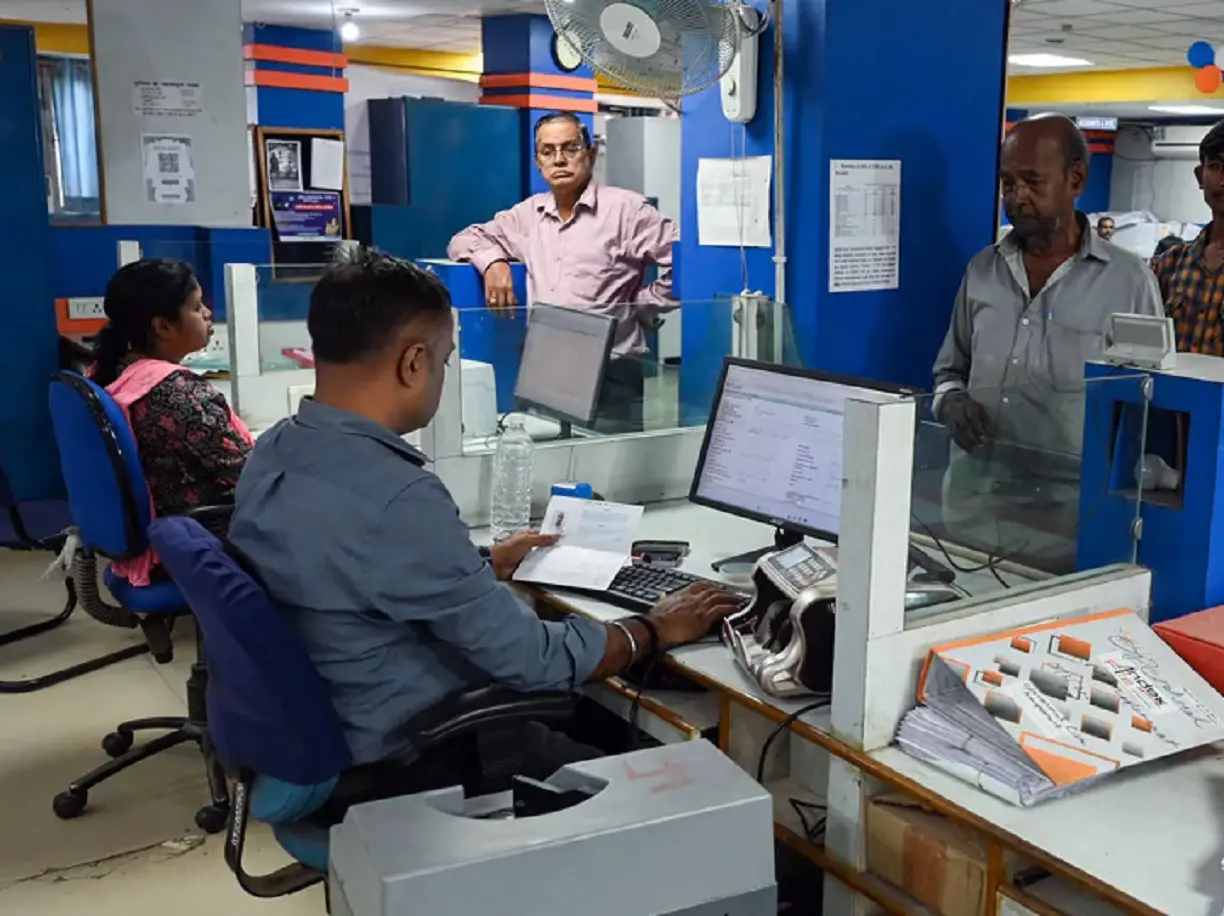)
Bank unions defer 3-day strike from tomorrow after talks with IBA, committee set up
)
Powerful Autumn storm threatens major coastal flooding across the US Northeast
)
Jaishankar at UNGA: Goodwill and friendship can't coexist with terrorism
)
‘Olympic inclusion is our major target’: WPA President Ishaun Singh on pool’s global ambitions
)
Sri Lankan Tamil migrant worker gets death sentence in Saudi Arabia, help sought from India
)
‘Anti-social elements spreading false rumours’: LPU issues statement amid massive unrest over alleged rape
)
'What kind of confession is this?': Pakistan PM Shehbaz Sharif’s 'terrorists would be roaming New York' remark goes viral, raises alarm online. Watch
)
The US and China set up an AI 'red telephone', but skipped the rulebook
)
'Victory for low-budget consumers': Raghav Chadha hails 30-day telecom recharge rules
)
3 males killed, four others injured in shooting after fight at strip club in Detroit
)
South Africa probes string of murders targeting women
)
Man arrested after his 22-year-old girlfriend dies at homestay in Guwahati; police suspect murder over suicide claim
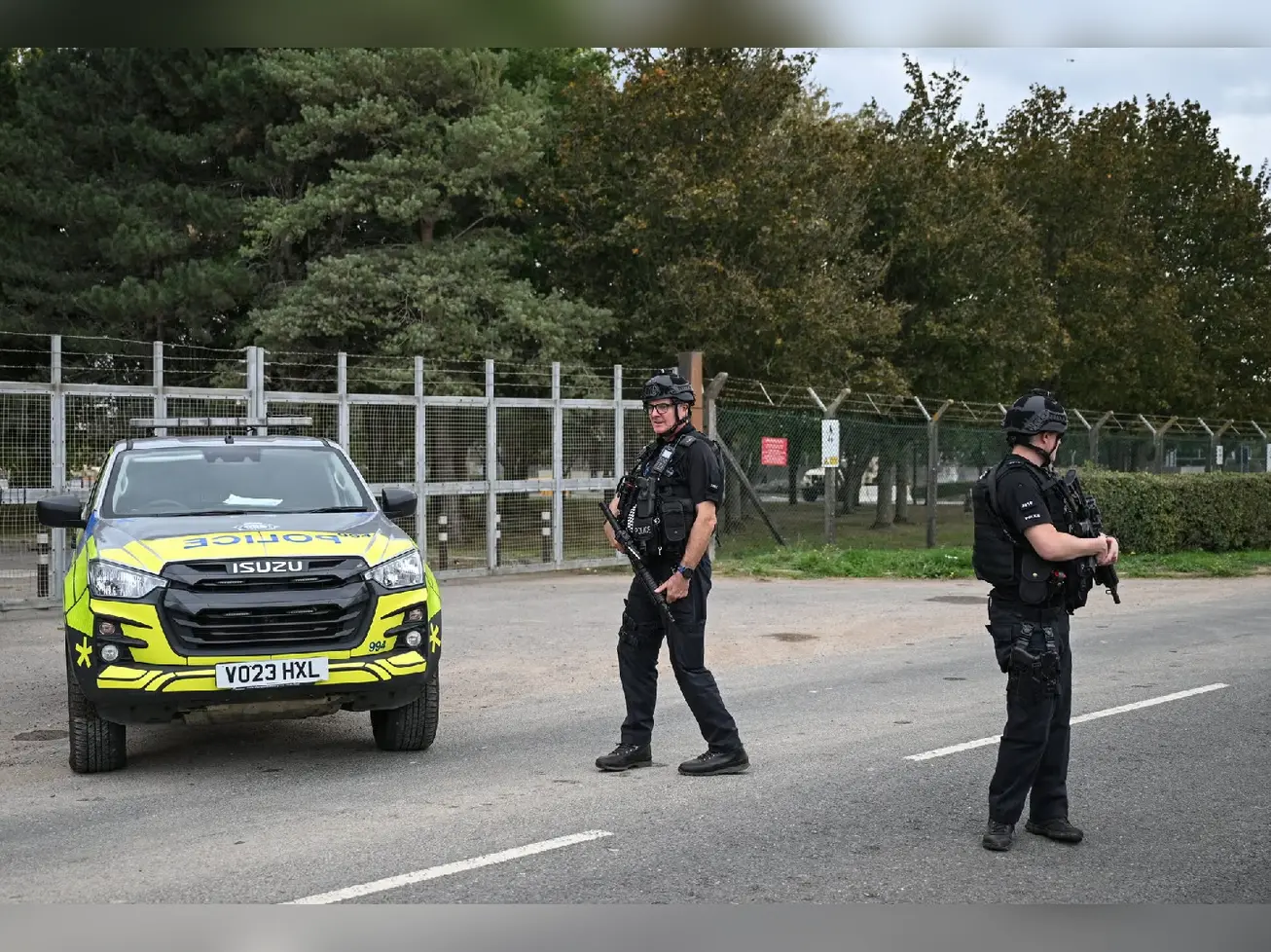)
‘Terror suspects arrested near UK air base were looking to do big damage’: Trump
)
LPU students go on rampage, vandalise campus amid widespread protest: What's happening
The large caldera of the volcano is around 5.3 miles (8.5 kilometres) from its widest point and is nearly 2,000 feet (610 metres) deep. According to a study conducted in 2012, it was largely carved around 250,000 years ago after a single massive eruption took place.
The eruption also led to the release of a huge lava flow which blocked off a river and led to the formation of Turkey's largest lake, Lake Van, which is located at the east side of the mountain.
Smallereruptions continued after that from vents in the eastern half of the caldera and led to the creation of solidified lava which flowson one side of the crater.
After some time, the caldera's other side was filled with waterandled to the formation of a crater lake.
The stark difference between the two sides of the volcano's peak is most visible when snow covers the mountain. When this occurs, it is generally seen as the yin-yang symbol from Chinese philosophy.
Watch:Mount Ruang Eruption: Indonesia’s Mount Ruang volcano erupts again, authorities evacuate over 12,000 people
The snow coverage also created folds in the lava flows, which are called pressure ridges. These were formed by the molten rock's flowing and cooling.
These ridges are very different in size and thickness because of the differences in the lava's viscosity across various eruptions, as per the Earth Observatory.
The maximum depth of Nemrut's crater lake is around 577 feet (176 m) and it covers similar lava flows from earlier eruptions. This is, however, not the only lake present in the caldera.
Another smaller lake, which is 36-foot-deep (11 m), is located between a series of lava flats close to the centre of the caldera's northern edge.
The lake is fed by hot springs which reflect the presence of life beneath the caldera even though the volcano is dormant.
(With inputs from agencies)