Moon done, let's go study the Sun: ISRO to launch Aditya-L1 on September 2

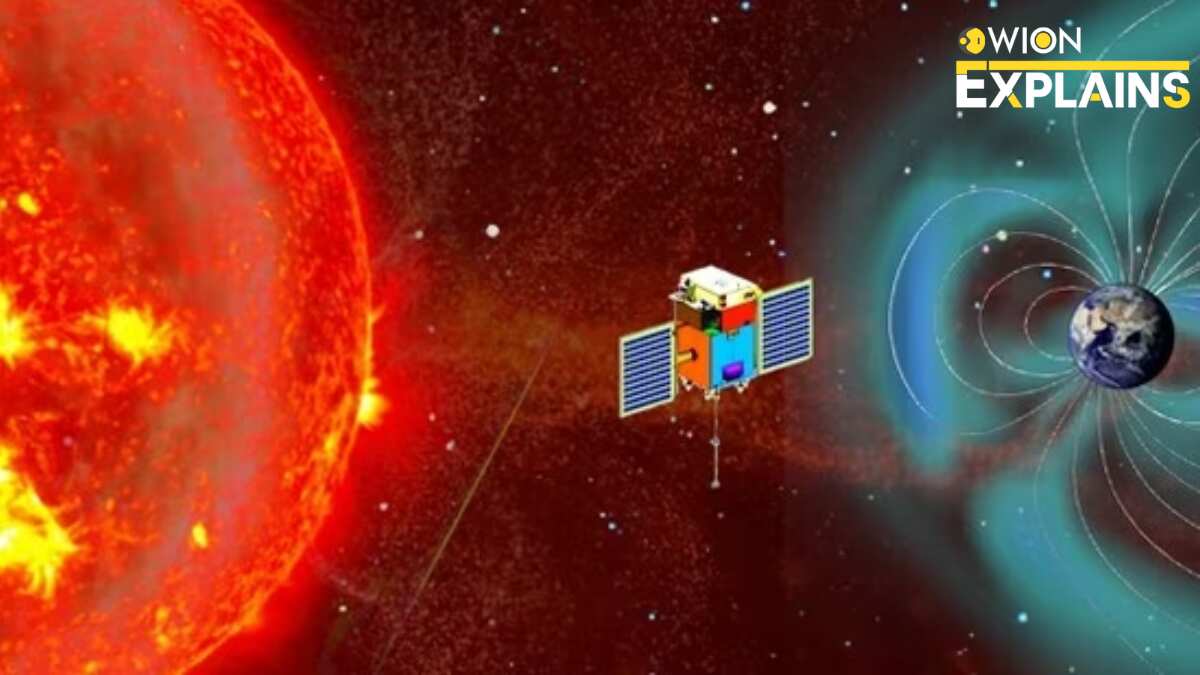
Aditya L-1
Barely ten days after the successful soft-landing of the Chandrayaan-3 craft near the Lunar South Pole, the Indian space agency is ready for its next launch, on Saturday 2nd September at 11:50 am (Indian Standard Time).
This time around, ISRO will be launching its maiden mission to study the sun and solar phenomenon. The mission is titled Aditya-L1, on board the PSLV C57 rocket.
L1 refers to the vantage point around which the craft will be positioning itself to study the sun, without any obstructions. This L1 point, or Lagrangian point 1 is situated 1.5 million kms away from the Earth. The distance between Earth and the sun is 150 million kilometres and it would take 4 months from launch for the Aditya-L1 craft to reach its destination.

"The preparation for Aditya-L1 is going on really well. At the Satish Dhawan Space Centre, final checks are being carried out on the spacecraft and the PSLV rocket(mission number C57) for this mission is being assembled," A.Rajarajan, the Director of the spaceport had told WION, on August 23rd.
Speaking to WION after the successful landing of Chandrayaan-3, he had said that the Aditya-L1 mission is to be launched in the first week of September. So far, the Indian space agency has launched six missions in the year 2023. While four of these missions were for India's own national and scientific purposes, two of them have been missions for foreign customers. ISRO has had a great year with successes in all launch missions.
Notably, the launch activity of ISRO had drastically slowed down in 2020 and 2021, during the COVID-19 pandemic. This had caused delays to several missions and led to a backlog in the activity.
)
Mushtaq Khan dies at 56: When Welcome actor opened up about his salary for iconic role Ballu
)
US Supreme Court backs Trump administration's use of SAVE database to check voter citizenship
)
Heart of the Beast review: Brad Pitt leads a gripping tale of survival and loyalty
)
Outrage erupts after 3-year-old is married to 60-year-old man in Pakistan, link to her sister's murder being probed
)
Pakistan deploys over 20,000 security personnel as PTI vows march for Imran Khan's release
)
Asian Games: Shooting spree continues as India win silver in women’s 50m rifle 3P team event
)
‘Not just a local tragedy’: Nepal PM Shah warns UN of growing climate threat, says Nepal floods were 'a warning to the world'
)
OpenAI AI Agents hacked 4 websites before Hugging Face, researchers reveal
)
Pentagon quietly adds 37 wounded troops to Iran war tally without explaining when or how
)
Asian Games 2026: India women’s kabaddi team edge Iran 37-34 to clinch 3rd gold medal
)
Saudi Arabia still harbours intent to develop nuclear weapons, reveals US intelligence: Report
&im=FitAndFill=(700,400))
New Friday OTT releases (September 25, 2026): Don’t Be Shy, Hunkkaar: The Roar, Mango Pachcha- 6 movies and TV shows on Netflix, Prime Video and more
)
Yemen's war escalates: Saudi-backed leader calls for general mobilisation against the Houthis
)
‘Attack on Mecca a red line for Pakistan’: Shehbaz Sharif warns Houthis at UN
)
Tesla is preparing something big for Optimus: new Gen 3 models surface in app
)
Bias or safety concerns? Bengaluru CEO says firm will not hire men from UP, Bihar, Rajasthan, MP. Here's why
)
Did Hitler kill his niece Geli Raubal? Newly found records reopen a 95-year-old mystery
)
Indian diplomat Petal Gahlot raises deteriorating situation in Pakistan-occupied Kashmir in right of reply at UN
)
Nigeria Navy moves to boost oil security, tackle crude theft and infrastructure threats
)
Scientists detect first radio signals directly from faraway planet
)
‘It is all possible’: Putin weighs next steps on Ukraine talks, rules out Europe conflict
)
10,000 gather in support of 87-year-old forcefully evicted from home of 71 years
)
Trump rejects Iran's 7-day ceasefire proposal as US weighs renewed bombing after midterms: Report
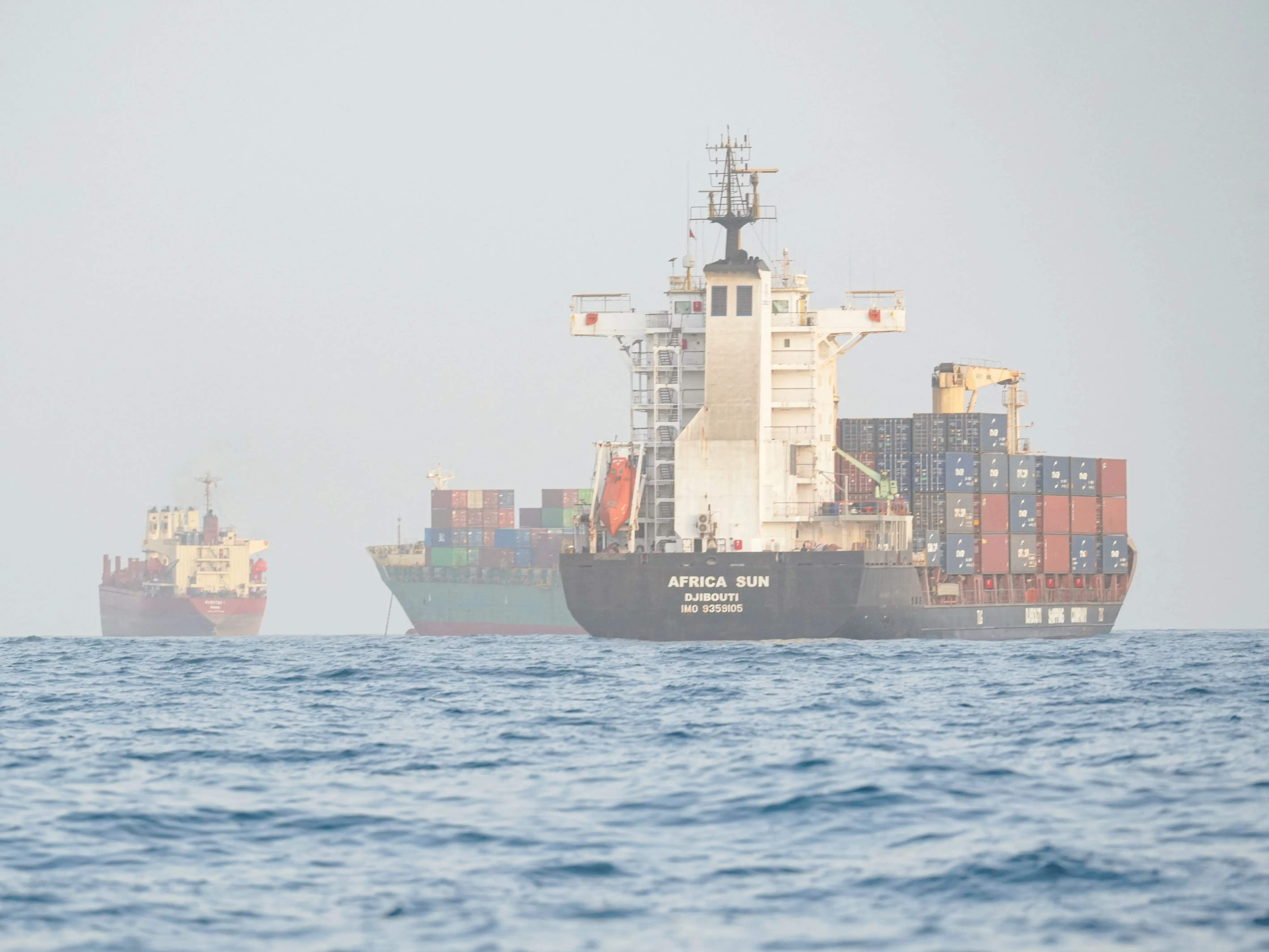)
Red Sea crisis: Houthis promise not to target European ships; UNSC condemns Saudi attacks
)
Gaza's war turned environmental damage into second crisis
)
Saudi oil exports surge despite Iran war
)
Trump-Xi summit wrap: Big pageantry, Iran talks, few major developments and more meetings planned
)
'Making history': Xi Jinping praises Trump as US-China leaders dine at White House
)
India's UN Envoy slams Pakistan: 'They claim security by day, terrorism by night'
)
Jay-Z rape case: Accuser says allegations were false, never met rapper
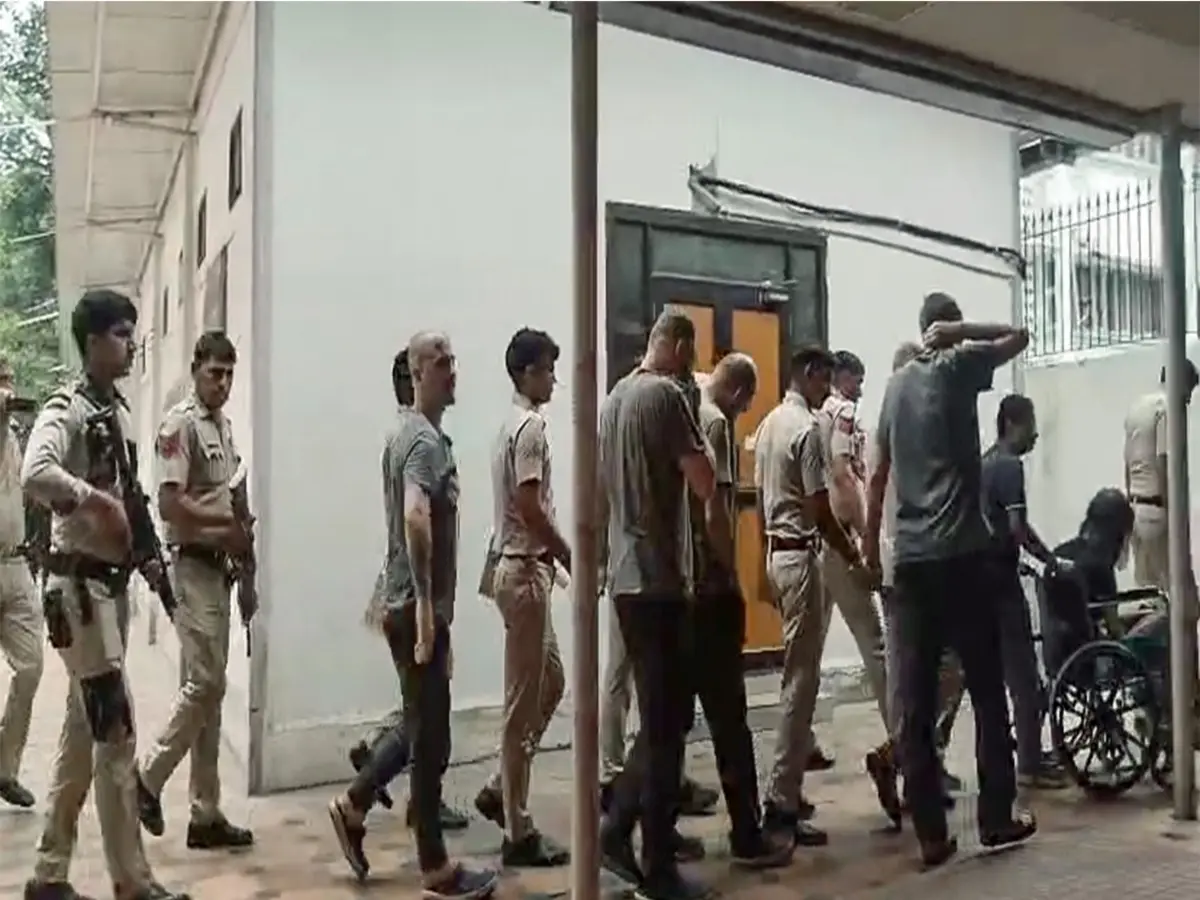)
Myanmar training camp case: US national, 6 Ukrainians allowed to meet their families abroad
)
'FIRST LOOK from inside Noah’s Ark': Researchers share video from inside mysterious mound in Turkey
)
Cindy Crawford’s son Presley Gerber cremated as death probe continues
)
India's insurance regulator overhauls policies
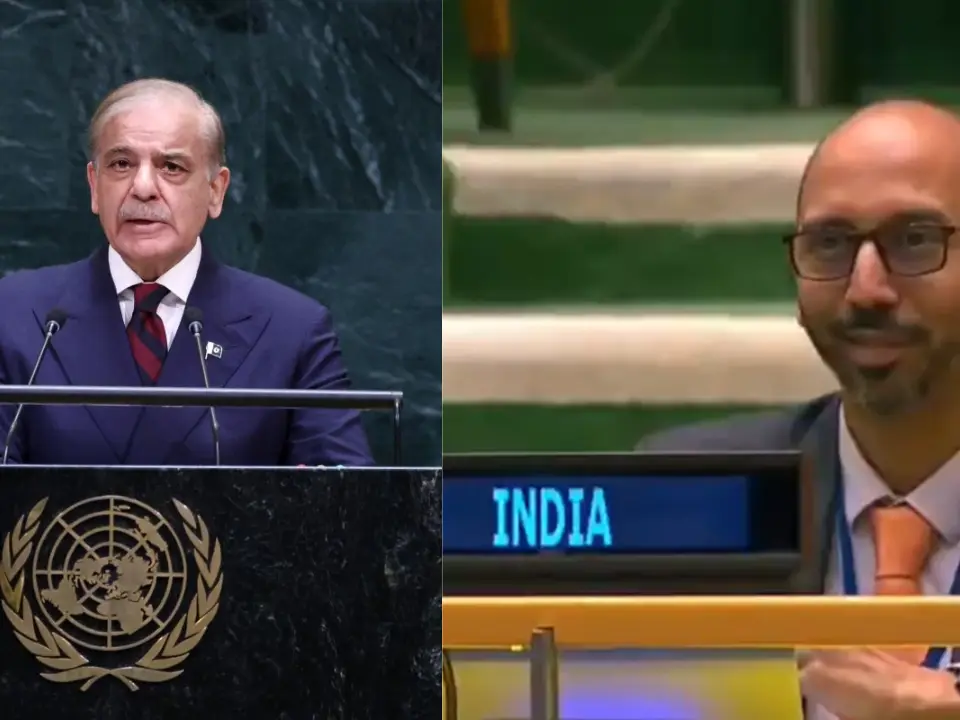)
WATCH | As Shehbaz Sharif claims Pakistan’s ‘victory’ during 2025 conflict, Indian diplomat R Srinivas laughs at UN
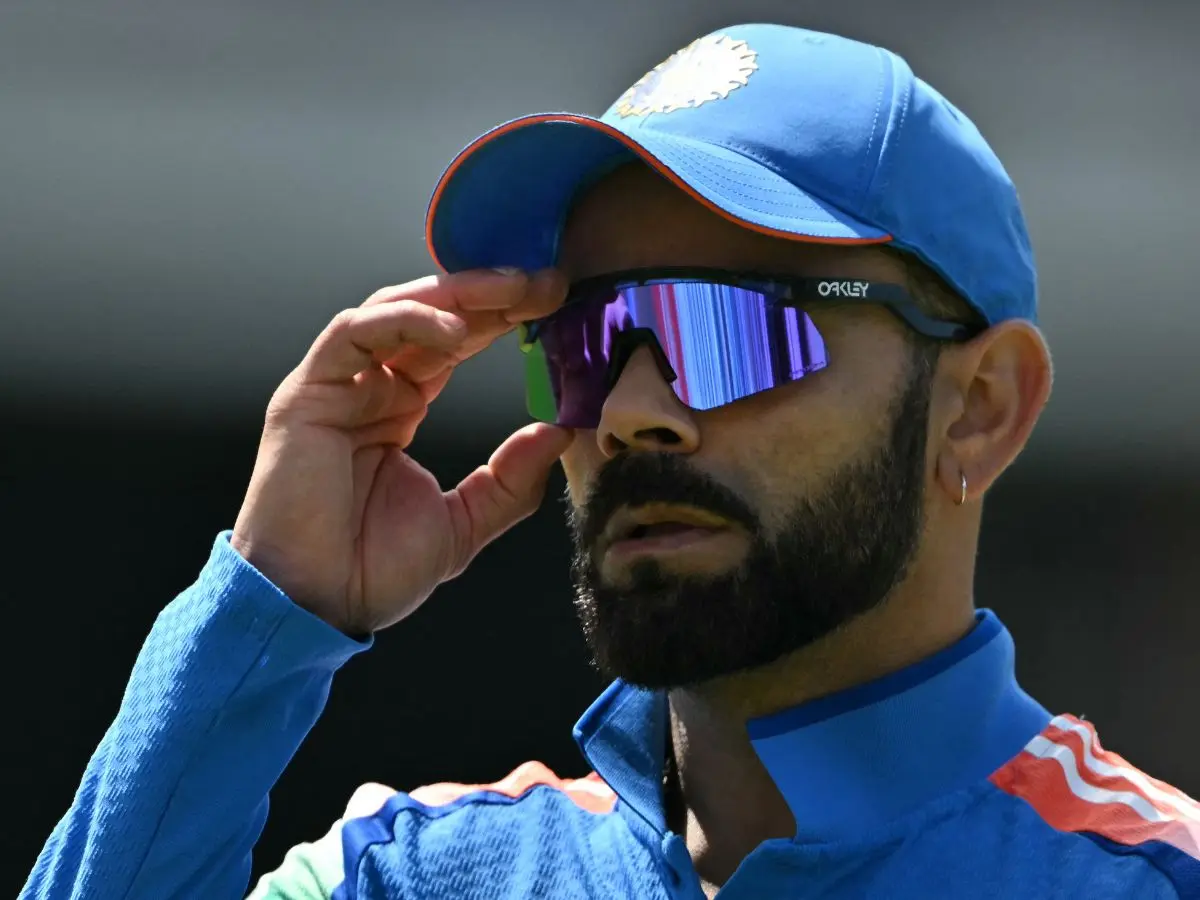)
‘Goal is to win it’: Virat Kohli confirms 2027 ODI World Cup will be his final tournament for India
)
'A terrorist country is asking me that question?': Jaishankar hits back at Pakistani journalist at UN; flags attacks on commercial shipping
)
US court backs Pentagon's decision to exclude Anthropic over Claude AI restrictions
Queried about how the spaceport is handling various missions simultaneously, Rajarajan told WION that the team had learnt several lessons during the pandemic and accordingly made their work processes more optimised and efficient. He indicated how ISRO had been able to fulfil both national and commercial missions, while also making arrangements for Indian space sector startups to use their facilities for development and testing activities.
Further queried about how the launch calendar looked for the next four months, he said that there could be four launches including Aditya-L1, experimental flights as part of the Gaganyaan development programme, followed by PSLV and GSLV launches.
In 2022, the Indian space agency designated senior Solar Scientist Dr. Sankarasubramanian as the Principal Scientist of the 'Aditya-L1' Mission.
He heads the Space Astronomy Group (SAG) of ISRO's UR Rao Satellite Centre, Bengaluru and has contributed to ISRO missions, such as Chandrayaan 1 &2, and AstroSat, in several capacities.
Aditya-L1 is the first observatory-class space-based solar mission from India.
The spacecraft is to be placed in a halo orbit around the first Lagrange point, L1, of the Sun-Earth system.
A satellite around the L1 point has the major advantage of continuously viewing the Sun without occultation/eclipses. This position provides a greater advantage of observing solar activities continuously.
Aditya-L1 carries seven payloads to observe the photosphere, chromosphere, and the outermost layers of the Sun (the corona) using electromagnetic and particle detectors.
According to ISRO, four payloads on Aditya-L1 will directly view the Sun from the unique vantage point of L1, and the remaining three payloads will carry out in-situ studies of particles and fields at the Lagrange point L1.
Also watch |All about ISRO's Aditya L1 mission to the Sun
Why study the Sun from Space?
The sun emits radiation/light in nearly all wavelengths along with various energetic particles and a magnetic field.
The atmosphere of the Earth as well as its magnetic field acts as a protective shield and blocks a number of harmful wavelength radiations including particles and fields.
As various radiations don’t reach the surface of the Earth, the instruments from the Earth will not be able to detect such radiation and solar studies based on these radiations could not be carried out.
However, such studies can be carried out by making observations from outside the Earth's atmosphere i.e., from space.
Similarly, to understand how the solar wind particles and magnetic field from the Sun travel through interplanetary space, measurements are to be performed from a point that is far away from the influence of the Earth’s magnetic field.
WATCH WION LIVE HERE
You can now write for wionews.com and be a part of the community. Share your stories and opinions with us here.
