ISRO terminates test-firing of most-powerful rocket engine midway; analysis ongoing


ISRO terminates test-fire of rocket engine
Owing to an unforeseen technical issue, the Indian Space Agency ISRO terminated the test firing of its most-powerful rocket engine midway through. This is a minor setback in ISRO's journey towards testing and operationalising its maiden semi-cryogenic rocket enginewhich has been under development for several years. According to ISRO, the maiden test firing was meant to last 4.5 seconds and was aimed at testing the subsystems of the newly-developed semi-cryogenic engine. However, due to an unforeseen variation in test parameters at the two seconds mark, ISRO terminated the test as a precautionary measure.
The test of an intermediate configuration of the Semi-cryogenic Engine (powered by Kerosene and Liquid oxygen), known as Power Head Test Article (PHTA), was carried out at the ISRO Propulsion Complex (IPRC), Mahendragiri, Tamil Nadu. The PHTA forms the first hardware test of the engine development programme. Meant to deliver a thrust of 2000 kN, this engine is envisioned as one that would power the booster stages of future launch vehicles and enhance the lifting capability of the existing LVM3 rocket, which is India's heaviest.
"The objective of the test was to validate the integrated performance of the critical subsystems such as the gas generator, turbo pumps, pre-burner and control components by carrying out a hot-firing for a short duration of 4.5 seconds. The ignition and generation of hot gas within the pre-burner chamber that drives the main turbine to drive the fuel and oxidiser pumps were focussed," ISRO said in a statement.

"The test proceeded as predicted till 1.9 seconds validating the ignition and subsequent performance of PHTA. At 2.0 seconds, an unanticipated spike in the turbine pressure and subsequent loss of turbine speed was observed. As a precautionary step, the test was terminated. Analysis under progress would offer further understanding before proceeding with further hot tests for a longer duration," ISRO added.
ISRO commenced the fuel flow testing of this engine at the IPRC facility in May 2023. A series of test firings were planned as part of the process of proving the performance of the engine. While there has been an anomaly observed in the latest test, it must be acknowledged that engine development and testing is a long-drawn, complicated process that takes significant time and effort.
WATCH WION LIVE HERE
&im=FitAndFill=(700,400))
National Handloom Day 2026: From Alia Bhatt to Samantha Ruth Prabhu; Actresses who celebrated India's textile heritage as brides
)
The Royals enter the Doctor Who universe: King Charles and Queen Camilla beam into Commonwealth Games in TARDIS
)
Unitree Robotics targets $9 billion valuation in landmark IPO backed by DeepSeek and Tencent
)
India names 27 sites in Arunachal Pradesh
)
Bharat Bhhagya Viddhaata OTT: When will Kangana Ranaut's film stream online?
&im=FitAndFill=(700,400))
How many soldiers operate one S-400 battery?
)
Shakib Al Hasan ready to return to Bangladesh—under one condition
)
‘Fake news’: MEA rejects report claiming India sought defence pact with Israel after Pakistan, Saudi Arabia, Turkey deal
)
Rockstar to unveil GTA 6 extended look ahead of November launch
)
Russia forms Ukrainian Volunteer Spetsnaz Brigade to fight Ukraine
)
Drug-resistant fungus that hides in hair and enters bloodstream reported in 23 US states
)
Technology transfer deal boosts India's defence manufacturing ambitions
)
Border row erupts in Europe after Ceuta crossings, Spain imposes border controls on Italy
)
Morale plummets on USS Abraham Lincoln: Are US sailors reaching a breaking point? | GRAVITAS
)
'Security can't be bought with Pakistan, Turkey deal': Iran tells Saudi Arabia
)
Baba Vanga's 2026 prophecy: 2 predictions 'already came true', 3 terrifying ones remain. Details inside
)
Colombia’s new president Abelardo de la Espriella vows to ‘defeat narco-terrorists’, signals hardline shift
&im=FitAndFill=(700,400))
New Friday OTT releases (August 7, 2026): Operation Safed Sagar, Vadhandhi, Main Vaapis Aaunga- 6 movies and TV shows on Netflix, Prime Video and more
)
Squadron Leader Bhawana Kanth scripts history as Indian Air Force gets its first woman ‘Top Gun’ pilot
)
RSS says Gen Z protests reflect genuine distress
)
Trump says Iranian school bombing photos could be AI-generated - 'I don’t think...'
)
IAF officer held for sharing sensitive information in 'honey trap' case, booked under Official Secrets Act
)
Stray Kids under scrutiny? Fans react to Grammy submission silence after BTS boycott
&im=FitAndFill=(700,400))
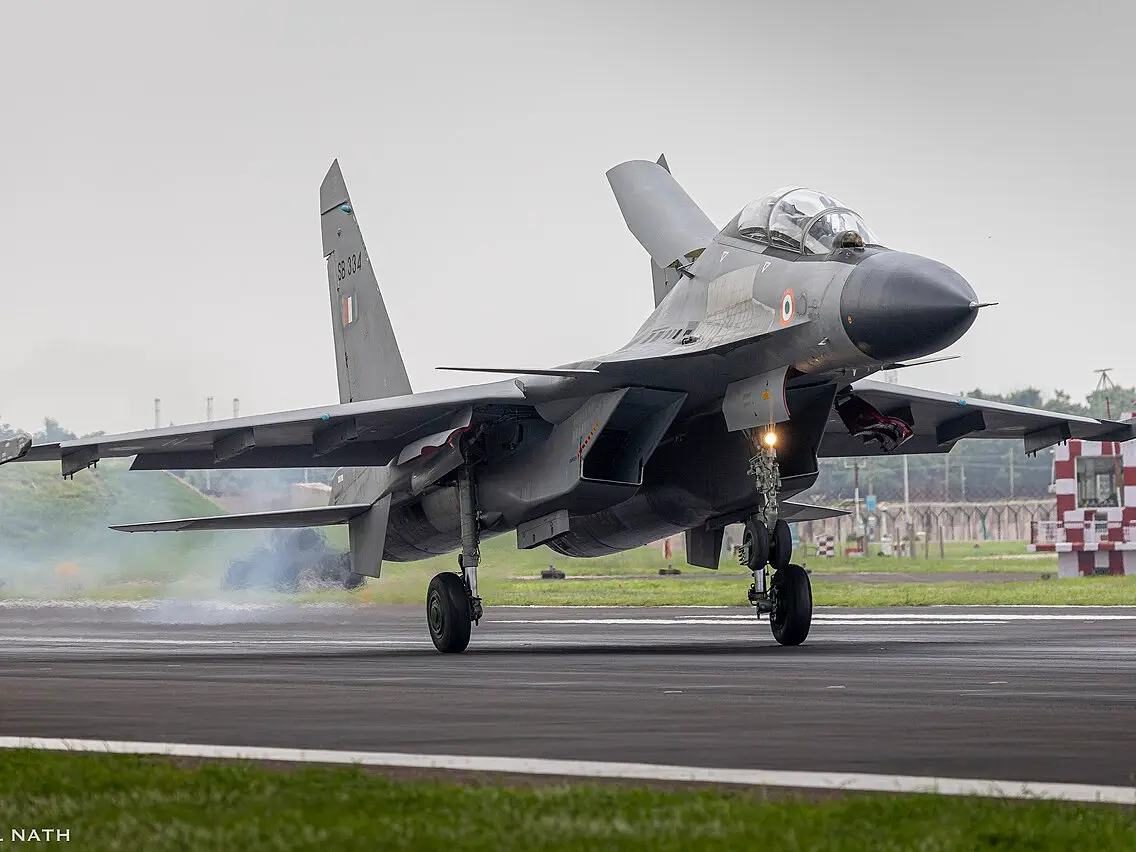
Why the Su-30MKI doesn't need external fuel tanks to fly vast distances
)
Jugal Hansraj reunites with Shekhar Kapur after 40 years for Masoom: The Next Generation
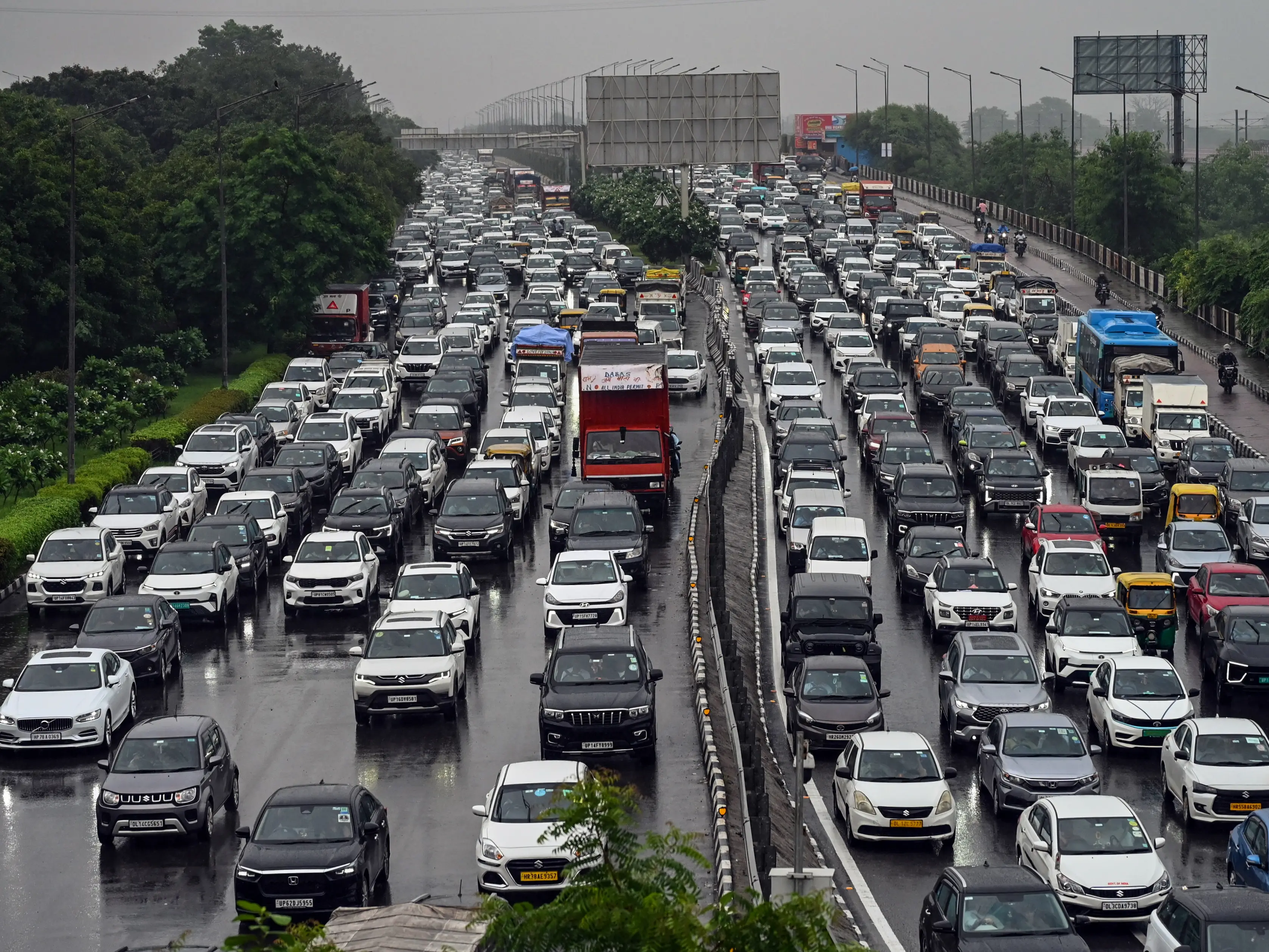)
New speed limits, automatic challans: Big traffic change coming to Delhi-Meerut Expressway. All you need to know
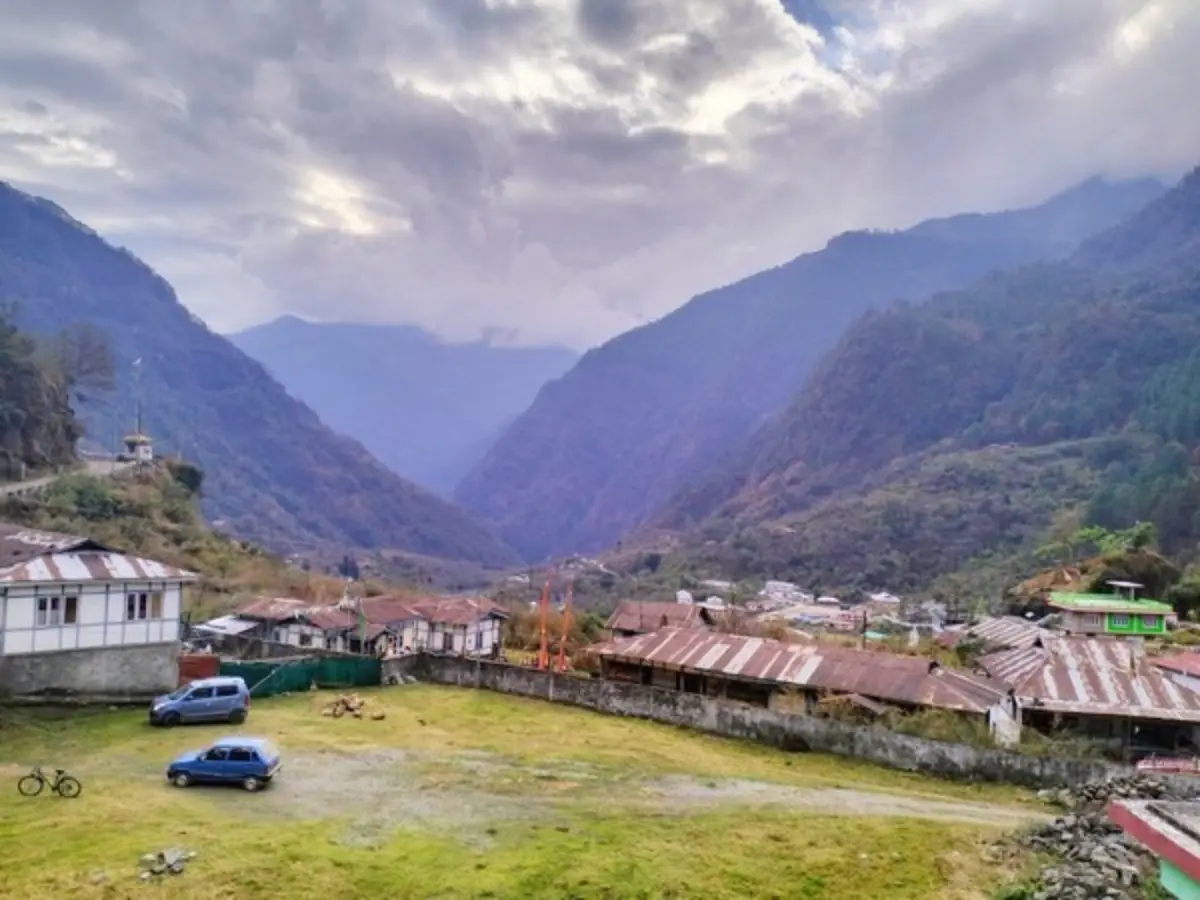)
India officially names 27 places in Arunachal to counter China's renaming claims
)
Trump calls White House ballroom ruling a 'national disgrace' as court says Congress approval needed
)
US sanctions Iran’s crypto network after Strait of Hormuz attacks, offers $15m bounty for intel on IRGC finance
&im=FitAndFill=(700,400))
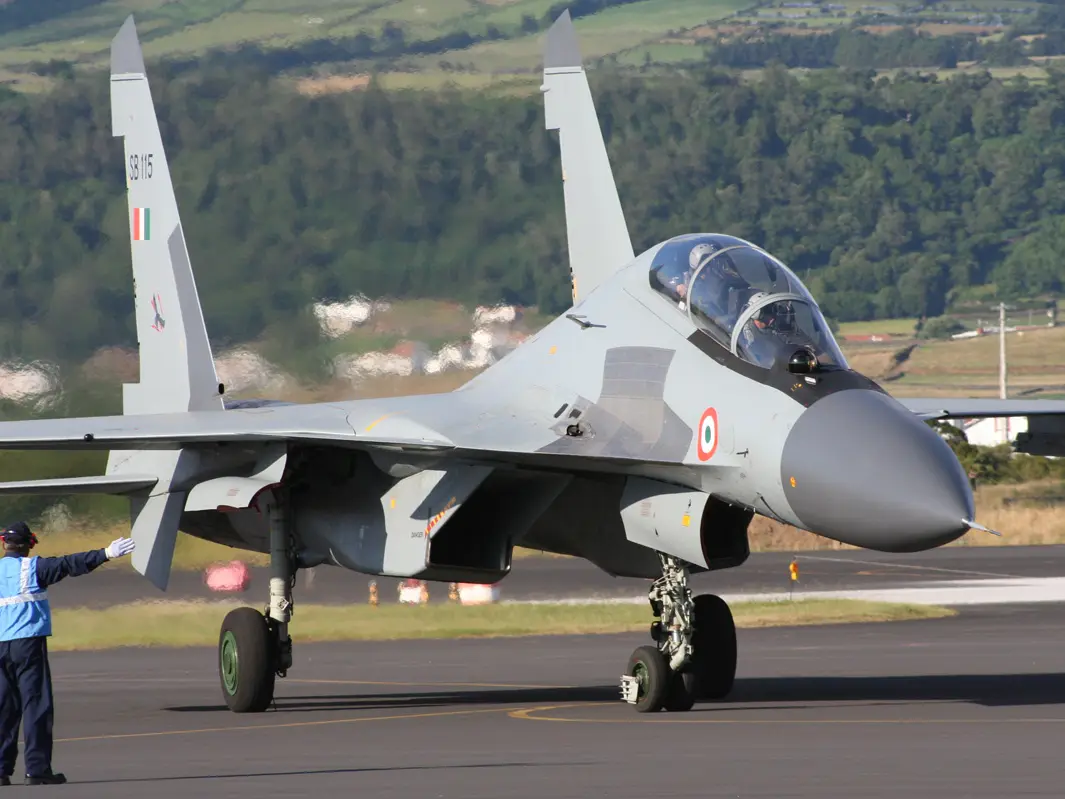
Why the Su-30MKI is one of the heaviest fighters ever built
)
Uttarakhand young innovator builds India's own flying vehicle, conducts first test flight: WATCH
)
Chilling video shows students take cover as teen opens fire at Thai school
)
Reese Witherspoon's father hospitalised after poolside incident in Nashville: Report
You can now write for wionews.com and be a part of the community. Share your stories and opinions with us here.
