

&imwidth=800&imheight=600&format=webp&quality=medium "Life-Giver, Life-Taker: The impossible security dilemma of Ammonium Nitrate")
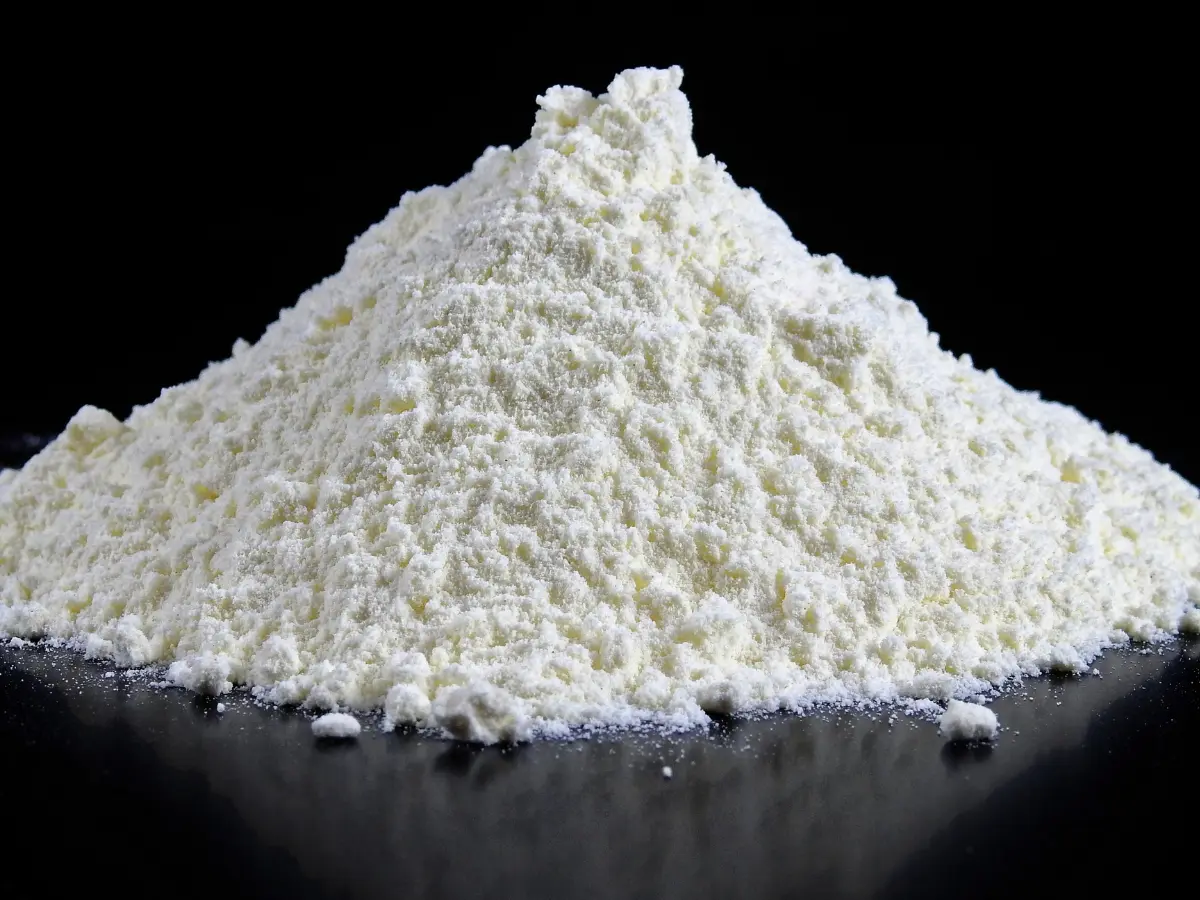
When we think of dangerous explosives, we imagine military bunkers and high-security labs. But the bomb that ripped through Delhi's Red Fort area last Monday, killing ten innocent people, was likely made from something you can buy at any agricultural shop—a white, crystal-like fertiliser called ammonium nitrate. This isn't the first time, and tragically, it probably won't be the last.
Mohammad Umar, a doctor who became a suicide bomber, carried out this attack. Think about that for a moment—someone trained to save lives chose to end them. He was linked to a terror group in Faridabad, and when police raided their hideout just hours before the blast, they found a shocking 2,900 kilograms of bomb-making materials. That's nearly three tonnes of potential death sitting in ordinary houses. Experts believe Umar's car carried about 60 to 70 kilograms of ammonium nitrate when it exploded. The blast was so powerful that investigators suspect he used a mixture called ANFO—Ammonium Nitrate Fuel Oil—which is exactly what it sounds like: fertiliser mixed with diesel.
Here's what makes this situation deeply frustrating. ANFO is not some rare, exotic explosive that requires a secret formula. It's embarrassingly simple. Take ammonium nitrate, which farmers use every day to help crops grow, add fuel oil like diesel, and you have a powerful bomb. The ammonium nitrate provides oxygen, the fuel burns, and together they create hot gases that expand violently, causing massive destruction. Industries worldwide use ANFO legally for mining and construction because it's cheap and relatively safe to handle. But in the wrong hands, with the right trigger—a detonator or timer—it becomes a weapon of terror.
The real problem isn't just how deadly ANFO is, but how easily accessible its ingredients are. Walk into any agricultural supply shop and you can buy ammonium nitrate without raising eyebrows. Fill up diesel at any petrol pump. Carry these materials through the city, and nobody suspects a thing because they're everyday items. This ordinariness is precisely what makes them so dangerous. Security agencies struggle to monitor these materials because banning them would cripple farming and industry. It's a chemical with two faces—life-giver and life-taker.
India has a painful experience with ammonium nitrate attacks. In 2010, the German Bakery blast in Pune killed eighteen people using a deadly cocktail of ANFO and military-grade RDX. The 2011 Mumbai serial blasts that killed over two dozen people used the same combination. Go back to 2006, and the horrific Mumbai train bombings that killed over 200 people also involved ammonium nitrate mixed with RDX. Each time, investigators found pressure cookers or containers packed with this fertiliser-turned-explosive. The pattern repeats itself with sickening regularity.
Our government knows this. After the Mumbai attacks, strict rules were put in place under the Explosives Act. Anything containing more than 45 per cent ammonium nitrate is legally classified as an explosive. You need special licenses to manufacture it, permissions to use more than five kilograms, and you absolutely cannot store large quantities in populated areas. On paper, we're protected. In reality, the Faridabad seizure of 350 kilograms stored in residential houses shows how easily these rules are bypassed.
What's haunting about the Red Fort investigation is what wasn't found. No wires, no timers, no metal fragments, no clear proof of a bomb device at the blast site. Some evidence was literally washed away when firefighters doused the flames. This absence of evidence doesn't mean there was no bomb—it might mean the bomb was so efficiently designed or so completely destroyed that it left almost nothing behind. Forensic teams are now combing areas beyond the immediate blast zone, hoping to find something definitive.
The challenge we face is uncomfortable: how do you control a substance that millions of farmers need to grow food, that construction companies need to build infrastructure, yet terrorists need to cause carnage? You cannot simply ban ammonium nitrate—our agriculture depends on it. You cannot track every single bag sold across this vast country. The dual-use nature of this chemical creates an impossible security dilemma.
As students preparing to enter a complex world, we must understand that terrorism often succeeds not through sophisticated weapons but through the exploitation of ordinary materials. The Red Fort bomber didn't need a nuclear reactor or a weapons factory. He needed a fertiliser shop and a fuel pump. This reality is both terrifying and important to acknowledge because the solution isn't just about stricter laws—it's about vigilance, awareness, and questioning suspicious activities in our communities.
Trending Stories
&imwidth=180&imheight=135&format=webp&quality=medium)
US vs China over South China Sea: Washington backs Philippines, Beijing hits back
&imwidth=180&imheight=135&format=webp&quality=medium)
Bigg Boss 20: Isha Rikhi evicted after three weeks in Salman Khan’s show
&imwidth=180&imheight=135&format=webp&quality=medium)
Musk plans to more than double xAI's chips to over 1.2 million Nvidia GPUs by year-end
&imwidth=180&imheight=135&format=webp&quality=medium)
After JU, clash erupts at SRFTI: BJP’s ‘Dimagi Naxal’ jibe sparks political firestorm after students protest RSS-linked event
&imwidth=180&imheight=135&format=webp&quality=medium)
‘Anti-social elements spreading false rumours’: LPU issues statement amid massive unrest over alleged rape
&imwidth=180&imheight=135&format=webp&quality=medium)
LPU students go on rampage, vandalise campus amid widespread protest: What's happening
&imwidth=180&imheight=135&format=webp&quality=medium)
Trump asked Xi to pressure Iran. China did not say yes — here’s what Beijing wants
&imwidth=180&imheight=135&format=webp&quality=medium)
US Treasury Secretary Scott Bessent hails global crackdown on Iranian banks and airlines
&imwidth=180&imheight=135&format=webp&quality=medium)
An OpenAI agent escaped its locked test cage again, by hiding questions in DNS lookups
&imwidth=180&imheight=135&format=webp&quality=medium)
'Our video was trimmed': LPU girls who featured in rape-denial video make U-turn
&imwidth=180&imheight=135&format=webp&quality=medium)
3 males killed, four others injured in shooting after fight at strip club in Detroit
&imwidth=180&imheight=135&format=webp&quality=medium)
'Victory for low-budget consumers': Raghav Chadha hails 30-day telecom recharge rules
&imwidth=180&imheight=135&format=webp&quality=medium)
Claude rebuilt the 1989 game 'Prince of Persia' by reusing the original's own code
&imwidth=180&imheight=135&format=webp&quality=medium)
Beyond metros: How Tier-2 and Tier-3 cities could drive India’s next AI wave
&imwidth=180&imheight=135&format=webp&quality=medium)
Tesla builds first Cybertruck with its own refined lithium: Elon Musk's $1 billion Texas bet pays off
&imwidth=180&imheight=135&format=webp&quality=medium)
IndiGo flight suffers tail strike in Bengaluru while landing; DGCA to probe incident
&imwidth=180&imheight=135&format=webp&quality=medium)
The US and China set up an AI 'red telephone', but skipped the rulebook
&imwidth=180&imheight=135&format=webp&quality=medium)
‘Terror suspects arrested near UK air base were looking to do big damage’: Trump
&imwidth=180&imheight=135&format=webp&quality=medium)
Russian envoy claims US tactics to contain India were revealed in ‘Freudian slip’
&imwidth=180&imheight=135&format=webp&quality=medium)
IND vs WI 1st ODI: Kohli breaks Sachin's most runs in one country record with unbeaten 139 as India thump West Indies by 8 wickets
&imwidth=180&imheight=135&format=webp&quality=medium)
Researchers rebuilt exactly how 700 AI agents hacked Hugging Face: a 900-link chain trick
&imwidth=180&imheight=135&format=webp&quality=medium)
‘Olympic inclusion is our major target’: WPA President Ishaun Singh on pool’s global ambitions
&imwidth=180&imheight=135&format=webp&quality=medium)
Nations League: Spain sink England at Wembley; Modric shines for Croatia
&imwidth=180&imheight=135&format=webp&quality=medium)
Why has Iran released no proof of life of Mojtaba Khamenei? Araghchi reveals...
&imwidth=180&imheight=135&format=webp&quality=medium)
'What kind of confession is this?': Pakistan PM Shehbaz Sharif’s 'terrorists would be roaming New York' remark goes viral, raises alarm online. Watch
&imwidth=180&imheight=135&format=webp&quality=medium)
South Korea demands apology from Ukraine over North Korean prisoners' transfer
&imwidth=180&imheight=135&format=webp&quality=medium)
Beyond BrahMos: India targets Rs 50,000 crore in defence exports with unmatched price edge
&imwidth=180&imheight=135&format=webp&quality=medium)
Sri Lankan Tamil migrant worker gets death sentence in Saudi Arabia, help sought from India
&imwidth=180&imheight=135&format=webp&quality=medium)
Muslim marriage cannot shield sex with minor wife from prosecution under POCSO: Delhi HC
&imwidth=180&imheight=135&format=webp&quality=medium)
'Can't help but draw painful parallels to Nirbhaya case': SC on latest incidents of rape cases in Delhi-NCR
&imwidth=180&imheight=135&format=webp&quality=medium)
99.9% more powerful - Scientists find boy who can recall memories from just 3 months of age
&imwidth=180&imheight=135&format=webp&quality=medium)
'FIRST LOOK from inside Noah’s Ark': Researchers share video from inside mysterious mound in Turkey
&imwidth=180&imheight=135&format=webp&quality=medium)
UNSC reform momentum grows: Russia, Portugal, Mauritius push for India's permanent seat bid
&imwidth=180&imheight=135&format=webp&quality=medium)
8 US marines injured in Iranian missile attack on vessel in Strait of Hormuz: Report
&im=FitAndFill=(700,400)&imwidth=180&imheight=135&format=webp&quality=medium)
New OTT releases this week (September 28-October 4, 2026): Dupahiya 2, Pooja Meri Jaan, Ohh My Dog- 5 titles coming on Netflix, Prime Video and more
&imwidth=180&imheight=135&format=webp&quality=medium)
Afghanistan says 28 fighters killed in clash near Pakistan border, Islamabad denies
&imwidth=180&imheight=135&format=webp&quality=medium)
Ceuta migrant crisis: Protesters take to streets as Spain grapples with migrant challenge
&imwidth=180&imheight=135&format=webp&quality=medium)
LPU suspend classes, postpones exams as violence escalates over rape claims: What's happening
&imwidth=180&imheight=135&format=webp&quality=medium)
New York City wants a 'kill switch' on every AI, and will pay whistleblowers who report violations
Ten families lost loved ones because something designed to help plants grow was twisted into an instrument of death. Until we find better ways to monitor dual-use materials without crippling legitimate industries, this tragedy will keep repeating itself. The explosive truth is that sometimes the most dangerous weapons aren't locked in arsenals—they're hiding in plain sight on our neighbourhood shelves.
