James Webb Space Telescope passes key review ahead of fall launch


This NASA photo released on May 16, 2017 shows the primary mirror of NASA’s James Webb Space Telescope inside a cleanroom at NASA’s Johnson Space Center in Houston,Texas
NASA's golden-mirrored James Webb Space Telescope has passed a key review this week, akeymilestone before the $10 billion observatory is launched later this year.
The telescope, which has been peering into the universe for more than 30 years, hadbeen down for afew days last month.

NASA said initial evidence pointed to a degrading computer memory module as the source of the computer problem.
The technology for the payload computer dates back to the 1980s, and it was replaced during maintenance work in 2009.
The JamesWebbSpaceTelescope's 21 feet 4 inches (6.5 meters) mirror was commanded to fully expand and lock itself into place,NASAsaid, a finaltestto ensure it will survive its million-mile (1.6 million kilometers) journey and is ready to discover the origins of the Universe.
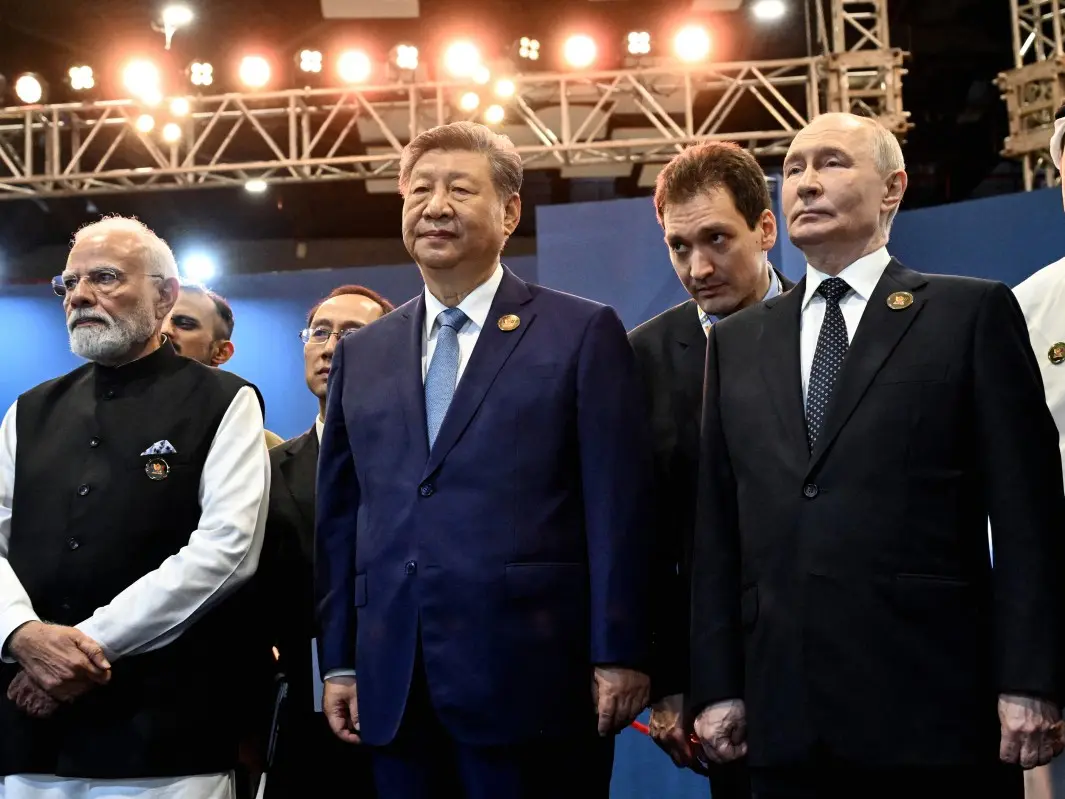)
Did India risk its US trade deal despite softer stance at BRICS?
)
Trump rejects AI guardrails, says he stopped AI firms from doing ‘bad things’
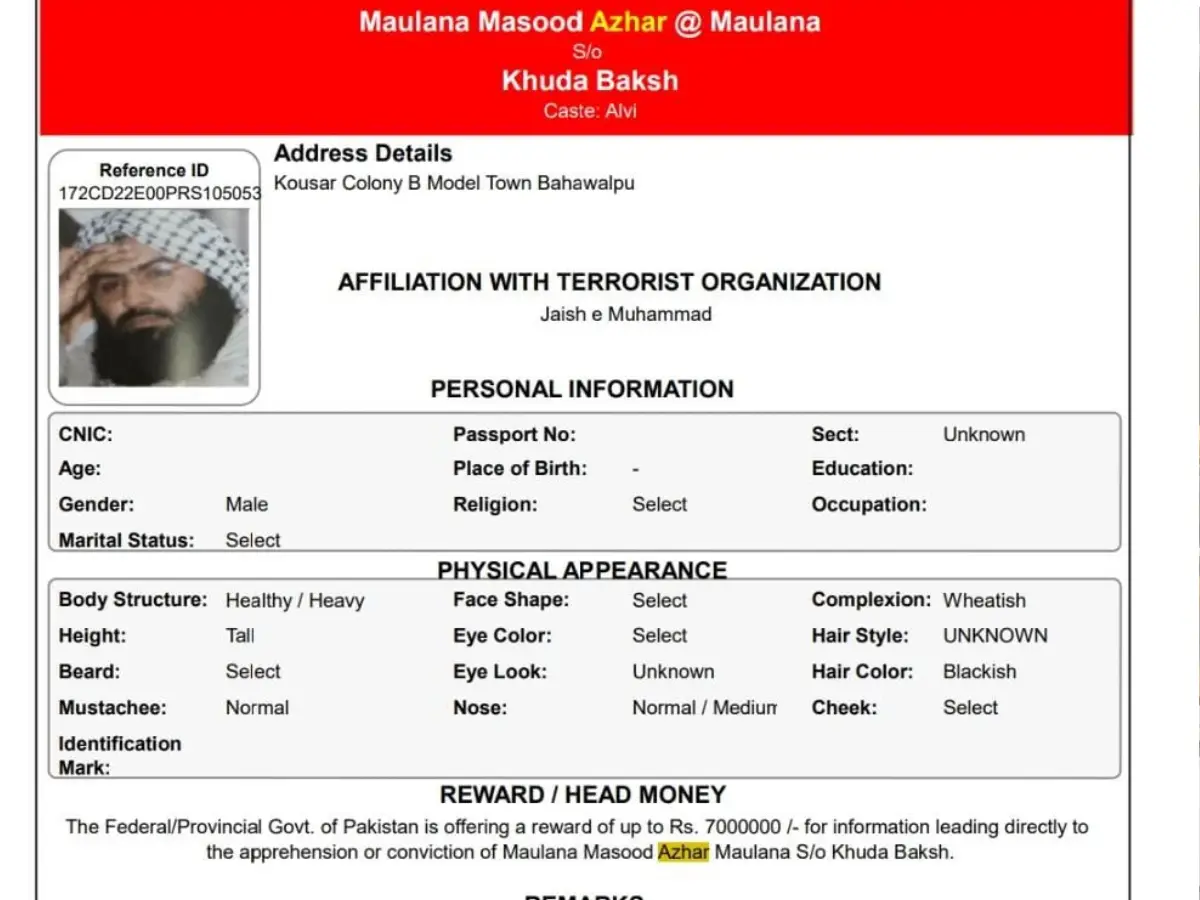)
Pakistan puts Pak Rs 70 lakh bounty on UN terrorist Masood Azhar; move draws skepticism in Delhi
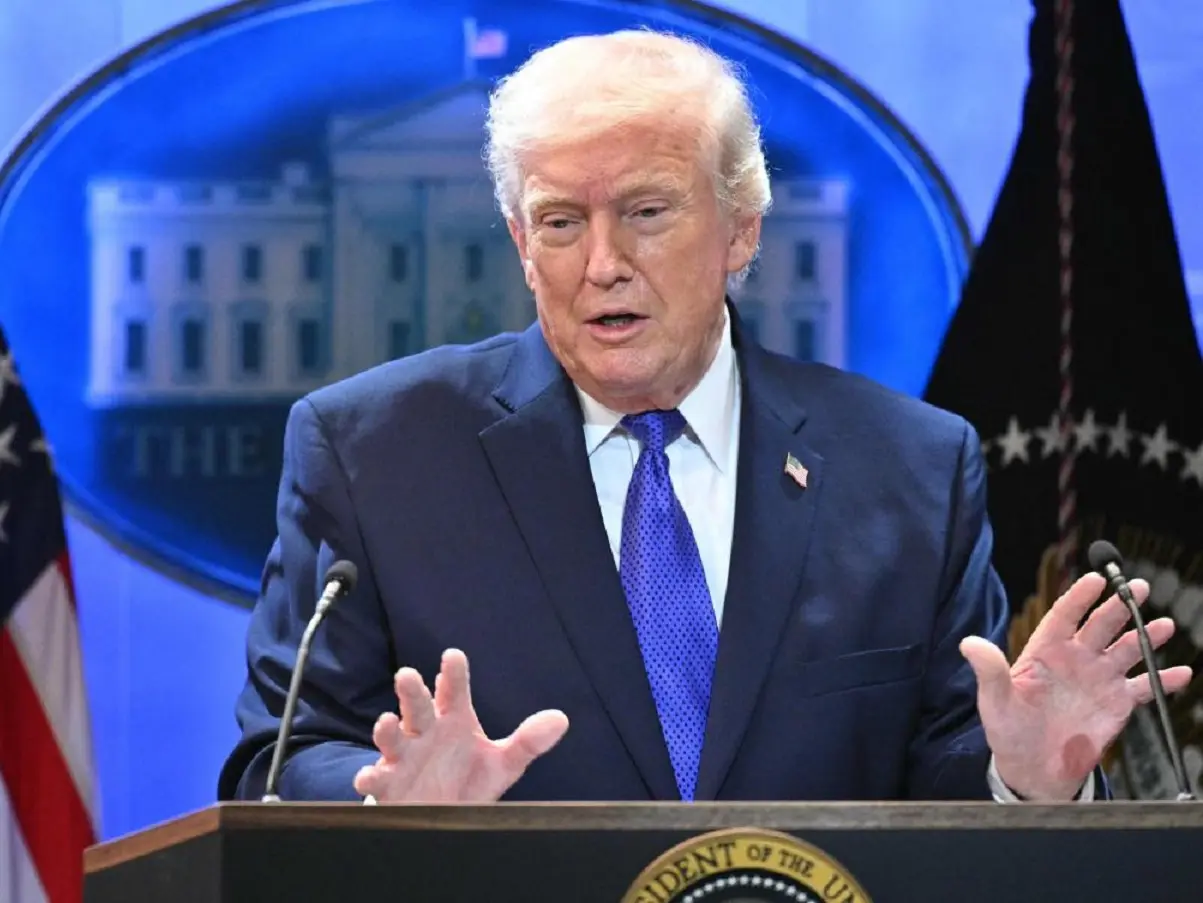)
‘US ensuring global energy supplies’: Trump demands reimbursement for securing Strait of Hormuz
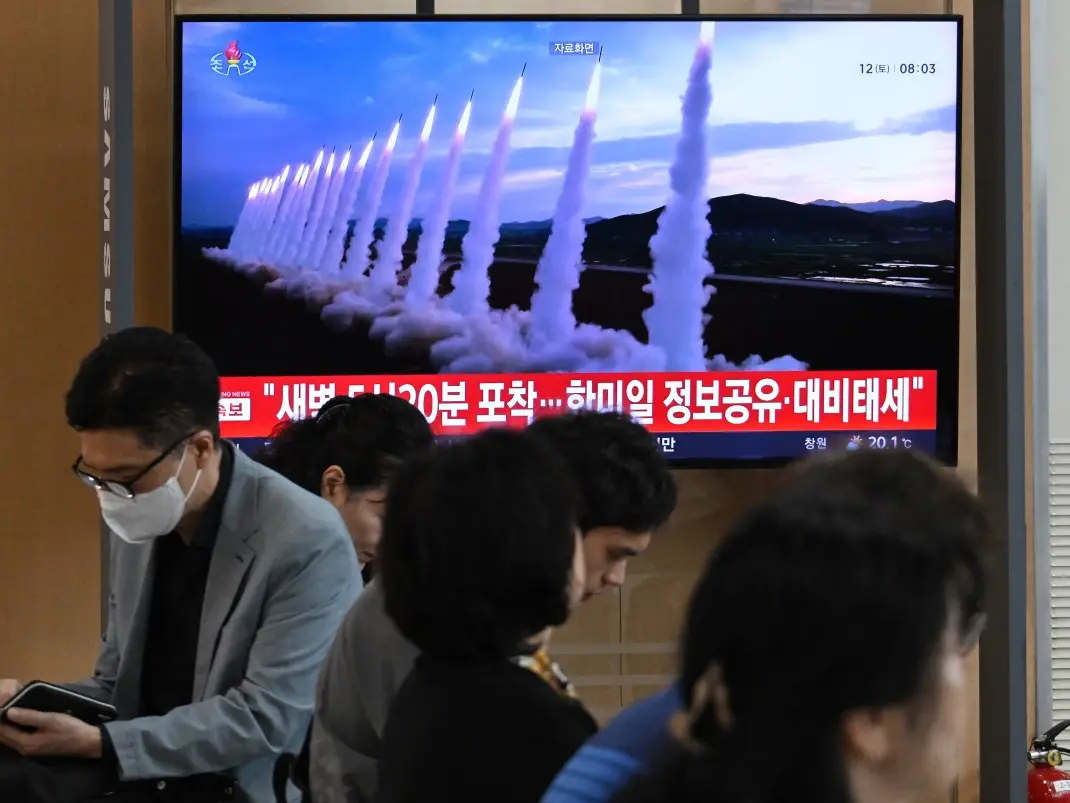)
'Huge destructive power': North Korea calls its latest missile launches 'live-fire drill' even as US dismisses 'immediate threat'
)
‘Let’s go’: Newly declassified videos show dramatic rescue of US Air Force officers downed in Iran
)
Historic first: ‘Ganga aarti’ performed on River Thames in London
&im=FitAndFill=(700,400))
Why European Meteor missiles use ramjet engines compared to standard US solid rockets
)
Iran, India agree to deepen humanitarian and political ties, President Pezeshkian says
)
‘Want to reset ties with India, have engagement based on mutual interests,’ says Bangladesh minister
)
Turkish Airlines plane flies through a storm three times, triggering severe turbulence
&im=FitAndFill=(700,400))
Why Chinese PL-15 air-to-air missiles use dual-pulse motors compared to European interceptors
)
BRICS set of guidelines for disaster management
)
800 million years old - Scientists discover 'fingerprints' of supercontinent Gondwana in ancient rocks
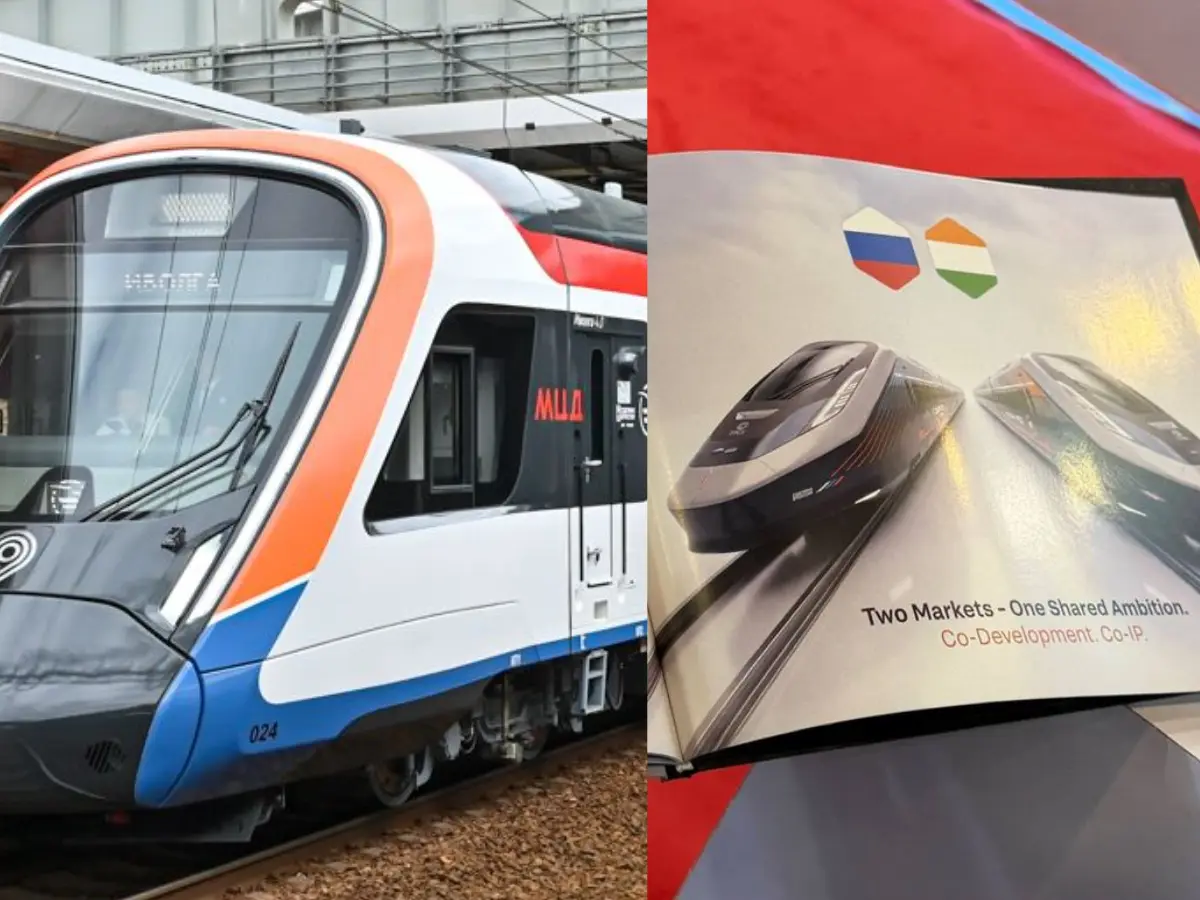)
Russia proposes to build 360 kmph Ivolga FG trains in India: What happened on sidelines of BRICS
)
China discovers vast gold and silver 'mine' in the Pacific with unheard-of deposits
)
Who really benefits from the BRICS bank? Inside the New Development Bank's $43 billion portfolio
)
Plane carrying prominent figure crashes at Libya’s Misrata airport: Report
)
Woman removes all her clothes on American Airlines flight, performs 'indecent acts'; arrested
&im=FitAndFill=(700,400))
New OTT releases this week (September 14-20, 2026): Lust Stories 3, Waiting Hai, Irumudi- 5 new titles coming on Netflix, Prime Video and more
)
Liam Neeson sparks romance rumours after holding hands with Stella Stocker at TIFF 2026
)
Sent home midway from UK tour, Pakistan's Salman Agha hits 300* in domestic return
)
Saudi Arabia discovers 110 million tonnes of Uranium-rich ore in Madinah region
)
Video of Pakistani lawmaker struggling to read English tribute to Jinnah goes viral - WATCH
)
Meghan Markle shares first glimpse of family life with Prince Harry and children in UK
)
Baba Vanga's first prophecy for 2027 is out, and straight out of science fiction
)
Did China give Iran intel before US base strike that killed 3 troops? Trump says, 'You’re right...'
)
Kenya protests: Kenya to head for presidential polls in 2027
)
Photographs, LeT labels vanish from two 2008 Mumbai attack entries in Pakistan’s most wanted list
)
US court blocks Trump administration move ending automatic H-4 EAD extensions for seven spouses
)
Indian Americans, fellow Republicans react sharply to Bo French’s post targeting 'foreigner' students in Texas
)
UK man admits drugging, raping wife for 20 years in shocking abuse case
)
Extreme warming in Indian Ocean added 695 billion tons of ice to Antarctica ice sheet
)
Scotland, Wales & Northern Ireland push for exit from UK | Race To Power
)
Women's Asia Cup 2026: India denied trophy once again despite winning the title
Scott Willoughby, thelead contractor Northrop Grumman, had defined building it as a ''Swiss watch at 40-feet-tall... and getting it ready for this journey that we take into the vacuum at minus 400 degrees Fahrenheit (-240 Celsius), four times further than the Moon."
He was speaking at the company's spaceport in Redondo Beach, California, from where thetelescopewill be shipped to French Guiana to be launched on an Ariane 5 rocket, withNASAtargeting October 31 for liftoff.
Webb's primary mirror is made of 18 hexagonal segments coated with an ultra-thin layer of gold to improve its reflection of infrared light.
It will fly tospacefolded like a piece of origami artwork, which allows it to fit inside a 16-foot (5-meter) rocket fairing, and will then use 132 individual actuators and motors to bend each mirror into a specific position.
Together, the mirrors will function as one massive reflector, to enable thetelescopeto peer deeper into the cosmos than ever before.
Time machine
Scientists want to use thetelescopeto look back in time over 13.5 billion years ago and see for the first time the first stars and galaxies that formed, a few hundred million years after the Big Bang.
To do this, they need to detect infrared. The current premierspacetelescope, Hubble, only has limited infrared capacity.
This iskeybecause, by the time the light from the first objects reaches our telescopes, it has been shifted towards the red end of the electromagnetic spectrum as a result of the Universe extending thespacebetween objects as it expands.
Anotherkeyarea will be the discovery of alien worlds. The first planets to orbit other stars were detected in the 1990s and there are now more than 4,000 exoplanets that have been confirmed.
Webb"has instrumentation that will propel this new and exciting field into its next epic of discovery," said Eric Smith, JamesWebbtelescopeprogram scientist.
Scientists from 44 countries will be able to make use of thetelescope, with proposals including using the infrared capabilities to penetrate the supermassive black holes at the centre of galaxies, including our own.
"The discovery capability ofWebbis limited only by our own imaginations, and scientists around the world will soon be using this general-purpose observatory to take us places we haven't dreamed of going before," said Smith.
(With inputs from agencies)