Footballers have 50 per cent chances of developing dementia, study reveals

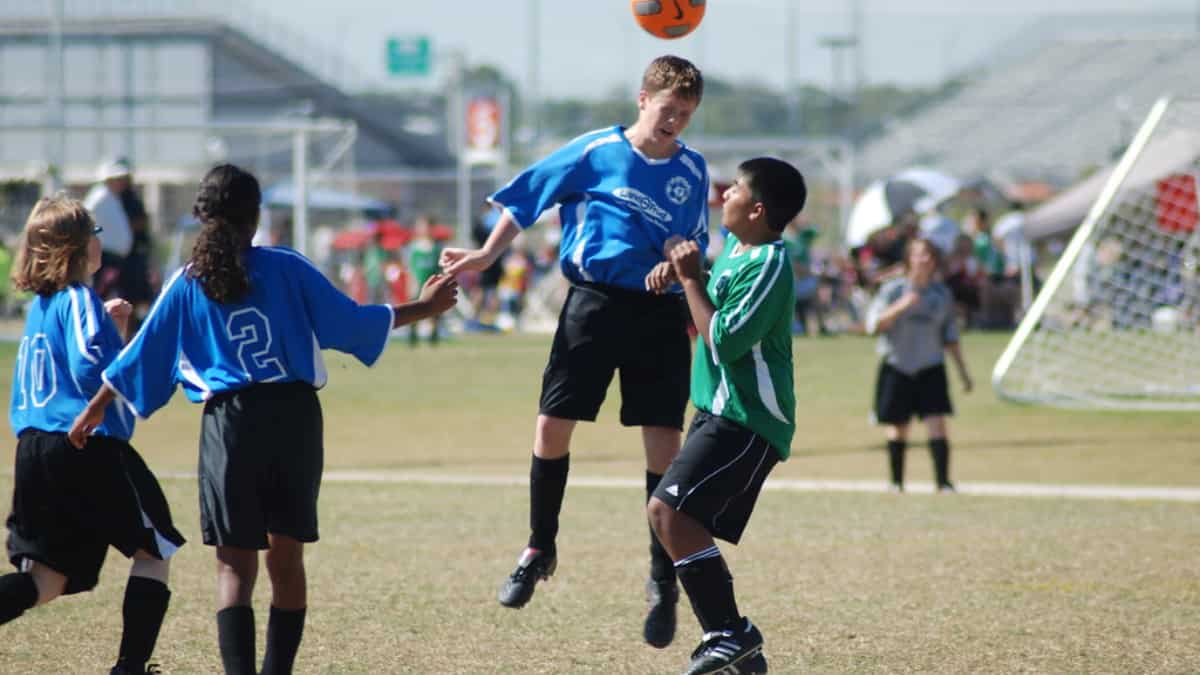
Representational image
A recent study has revealed that footballers are 50 per cent more likely to suffer from dementia compared to the rest of the population.
Researchers from Sweden's Karolinska Institutetpublished the study in the Lancet Public Health journal which compared 6,000 elite footballers' health records with more than 56,000 non-footballers between 1924 and 2019.
The study revealed that nine per cent of male footballers, who were playing in the Swedish top division, were diagnosed with neurodegenerative disease in comparison to six per cent from the control sample.

ALSO READ | Over 10 million elderly Indians have dementia: AI study
The study then examined the difference in outfield players and goalkeepers’ cognitive health and found that outfield players had more chances of suffering from Alzheimer’s and other forms of dementia. However, the goalkeepers who rarely head the ball had fewer chances of dementia, “supporting the hypothesis that mild head impacts sustained when heading the ball could explain the increased risk in outfield players,” concluded the study.
Karolinska Institutet's assistant professor and the study's co-author Peter Ueda said, “Importantly, our findings suggest that goalkeepers don’t have the same increased risk of neurodegenerative disease as outfield players. Goalkeepers rarely head the ball, unlike outfield players, but are exposed to similar environments and lifestyles during their football careers and perhaps also after retirement.”
Speaking about the possibility of heading the ball leading to dementia, UCL Genetics Institute's honorary professor David Curtis said, “It seems extremely plausible that repeatedly heading the ball during training and normal play produces brain damage which over time can result in dementia.”
WATCH | Scientists reveal how to detect signs of Dementia 9 years before diagnosis
“The fact that the risk to goalkeepers, who rarely head the ball, is not increased, strengthens this hypothesis. If we assume that about one in 10 people would develop dementia anyway, then this means that about one in 20 professional footballers will develop dementia who would not otherwise have done so, as a result of heading the ball,” he added.
Emphasising the need for appropriate measures to protect the health of the players, associate director of research at Alzheimer’s Society, Dr Richard Oakley said, “We now urgently need more answers to determine what lies behind this link – why dementia would start to form, how the type of injury, frequency and age at which head injuries occur may influence risk, and how we can accurately predict who is likely to go on to develop dementia after a traumatic brain injury. Sporting bodies need this clarity so they can put in place appropriate measures to protect players.”
(With inputs from agencies)
You cannow write for wionews.comand be a part of the community. Share your stories and opinions with ushere.
WATCH WION LIVE HERE