Explained: NASA unveils Artemis 2 astronauts. Here's all about the moon mission


Artemis 2 mission
In a major step towards NASA's moon mission, the space agency has revealed the names of four astronauts who will journey to the moon as part of its Artemis 2 mission. NASA and the Canadian Space Agency (CSA) made a joint announcement on Tuesday at an event in Ellington Field, near NASA's Johnson Space Center in Houston.
Four astronauts, three American and one Canadian, will be undertaking the journey which will see them fly around the moon.The four astronauts who will take the trip to the moon are - NASA astronauts Commander Reid Wiseman, Pilot Victor Glover, Mission Specialist Christina Koch, and Mission Specialist Jeremy Hansen of the Canadian Space Agency.
Artemis 2 is scheduled to launch around November 2024 and will take a trip around the moon. This will be the first time humans will go so near to the lunar body since the historic Apollo mission that landed humans on the moon from 1969 to 1972.

NASA has already said that the crew will be diverse this time and will feature a woman astronaut and the first person of colour to go on a moon mission.
Canada's role in NASA's space programme
Canada worked to get a seat on the Artemis 2 mission for four years. The main catalyst that helped them bag that place on the mission came from Canada's pledge to provide a future Canadarm3 robotic arm to service NASA's planned Gateway space station in lunar orbit. Canada reprioritised space exploration in 2019 and this is when it announced Canadarm3. Besides this, Canada has been supplying Canadarm and other robotics to NASA for more than 40 years. It is a powerful tech specialist and has made available highly capable space robotics since 1981.
&imwidth=180&imheight=135&format=webp&quality=medium)
Zohran Mamdani's Garba dance goes viral as he joins Indian community's Navratri celebrations | WATCH
&imwidth=180&imheight=135&format=webp&quality=medium)
India-US ties: Marco Rubio seeks India's oil & energy co-operation Ad Ad options Learn more
&imwidth=180&imheight=135&format=webp&quality=medium)
SBI confirms data breach: 3,897 records flagged on dark web. Is your money safe?
&imwidth=180&imheight=135&format=webp&quality=medium)
Man marries off wife of 17 years to her lover in Uttar Pradesh
&imwidth=180&imheight=135&format=webp&quality=medium)
Boeing 737 MAX10 gets FAA certification, deliveries expected to begin in 2027
&imwidth=180&imheight=135&format=webp&quality=medium)
Shastri backs Shami comeback; lauds Bhuvi and warns Bumrah on format workload ahead of World Cup
&imwidth=180&imheight=135&format=webp&quality=medium)
US midterms 2026: Red seats once deemed safe now appear shaky as Republicans spend big on ads
&imwidth=180&imheight=135&format=webp&quality=medium)
'Tap dancing through a minefield': Musk backs SpaceX-Tesla merger as AI boom fuels rocket firm's first profit
&imwidth=180&imheight=135&format=webp&quality=medium)
Dandiya Nite ’26: Indian High Commissioner hails diaspora as bridge between India and Nigeria
&imwidth=180&imheight=135&format=webp&quality=medium)
Trump says Ilhan Omar 'could go to jail' amid federal probe, calls Somalia a 's***house'
&imwidth=180&imheight=135&format=webp&quality=medium)
Punjab CM Bhagwant Mann allegedly detained for three hours at Delhi airport, fined ₹50,000: AAP
&imwidth=180&imheight=135&format=webp&quality=medium)
What the Mecca Joint Defence Agreement says about withdrawal and military support. Read full text of the pact here
&imwidth=180&imheight=135&format=webp&quality=medium)
Musk ordered Starlink restrictions that caught Ukraine off guard amid escalating tensions: Report
&imwidth=180&imheight=135&format=webp&quality=medium)
India vs New Zealand T20I Series 2026: Complete schedule, match timings, squads and live streaming details
&imwidth=180&imheight=135&format=webp&quality=medium)
Trump calls Le Pen France’s ‘conservative voice’ after riots, but holds back on endorsement
&imwidth=180&imheight=135&format=webp&quality=medium)
Trump considers removing White House press corps to restore historic indoor swimming pool
&imwidth=180&imheight=135&format=webp&quality=medium)
Ukrainian soldier rescued by a drone chopped off own leg while hiding for 491 days
&imwidth=180&imheight=135&format=webp&quality=medium)
US-Iran war | Tehran: Must end port blockade, oil sanctions and regional attacks
&im=FitAndFill=(700,400)&imwidth=180&imheight=135&format=webp&quality=medium)
Priyanka Chopra to Shilpa Shetty: 6 Bollywood actresses and their fitness secrets
&imwidth=180&imheight=135&format=webp&quality=medium)
'US will never part with niche technology' former IAF assistant chief on India's fighter jet ambitions
&imwidth=180&imheight=135&format=webp&quality=medium)
Pujara says 'Samson and Vaibhav cannot be in Playing XI' for India on NZ tour
&imwidth=180&imheight=135&format=webp&quality=medium)
'What's wrong with you? Are you a sick person?': Trump at it again as he snaps at reporters, faces backlash
&imwidth=180&imheight=135&format=webp&quality=medium)
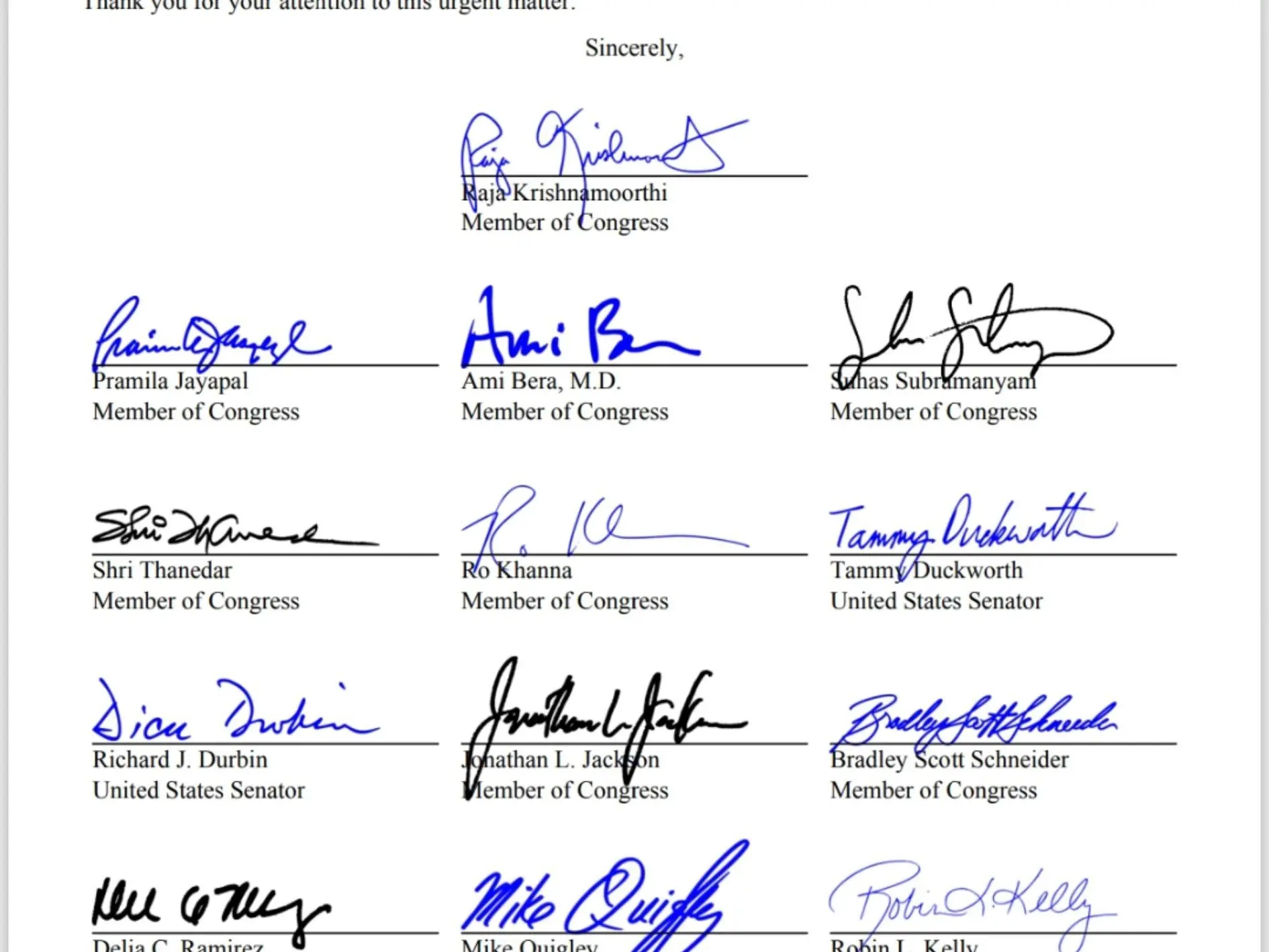
Over 100 US lawmakers urge FBI to probe foiled Hindu temple shooting as hate crime
&im=FitAndFill=(700,400)&imwidth=180&imheight=135&format=webp&quality=medium)
New OTT releases this week (October 19-25, 2026): Gajab Raat to Chaar Yaar-8 titles to watch during Dussehra week on Netflix, Prime Video and more
&imwidth=180&imheight=135&format=webp&quality=medium)
Ukrainian drone airlifts wounded soldier in what is likely a world first
&imwidth=180&imheight=135&format=webp&quality=medium)
Trump says he wants Zelensky to 'make a deal' with Russia, asks Putin to release American prisoner Stephen Hubbard
&imwidth=180&imheight=135&format=webp&quality=medium)
The Verdict | Trump, Putin and Xi: A superpower triangle that could reshape global diplomacy
&imwidth=180&imheight=135&format=webp&quality=medium)
India moves to buy 10,000 more AI chips for a national compute pool open to startups
&imwidth=180&imheight=135&format=webp&quality=medium)
'They are not even telling us' - Mysterious metallic object discovered in Minnesota field
&imwidth=180&imheight=135&format=webp&quality=medium)
Trump approval ratings hit record low | Is public support crumbling?
&imwidth=180&imheight=135&format=webp&quality=medium)
Cattle-feed bran in biscuits, detergent in milk: FSSAI acts against 3 companies
&imwidth=180&imheight=135&format=webp&quality=medium)
US midterms 2026: With Republicans spending big, Bloomberg opens his wallet for Democrats. Here's how much he is pouring
&imwidth=180&imheight=135&format=webp&quality=medium)
Iran rejects US talks until demands are met, rules out moving enriched uranium out of the country
&imwidth=180&imheight=135&format=webp&quality=medium)
Feds obtain DNA evidence that could prove Ilhan Omar married her brother: Report
&imwidth=180&imheight=135&format=webp&quality=medium)
Ramayana advance booking: Ranbir Kapoor, Yash's film cross $500K ahead of Diwali release
&imwidth=180&imheight=135&format=webp&quality=medium)
Delhi HC agrees to hear Neha Bora's plea against 'maintain peace' directive on 'urgent basis'
Also Read |Artemis 2 lunar mission astronauts unveiled by NASA for historic mission in 50 years
Why did another moon mission take so long?
NASA this time managed to gain bipartisan political support for a moon mission after past administrations failed to do so. Artemis 3 is a fully funded crewed moon mission. NASA has been undertaking several activities related to sending back humans to the moon since 2010s. It renamed its programme Artemis.
Former president Donald Trump pushed ahead with the idea of targeting reaching the moon. Trump's Space Policy Directive 1 in 2019 made NASA focus on lunar missions. Now President Joe Biden showed commitment towards continuing with Artemis.
Why will Artemis 2 only fly around the moon?
NASA's Apollo mission landed the first humans on the surface of the moon on July 20, 1969, when Neil Armstrong and Buzz Aldrin stepped foot on the lunar body. A total of six missions have sent 12 astronauts to the moon. But Artemis 2 will only fly around the moon. This is because a lot of things have changed in the last 50 years. NASA is testing a wide range of new technologies and systems that have never been tested in an actual spaceflight before. So the agency plans on collecting more data before it can once again land humans on the surface of the moon with the Artemis 3 mission in 2025. This landing is aimed near the moon's south pole.
"The unique Artemis 2 mission profile will build upon the uncrewed Artemis 1 flight test by demonstrating a broad range of SLS and Orion's capabilities needed on deep space missions," said NASA's Mike Sarafin, Artemis mission manager, in a statement.
"This mission will prove Orion's critical life support systems are ready to sustain our astronauts on longer duration missions ahead and allow the crew to practice operations essential to the success of Artemis 3."
Right now, spacesuits from Axiom Space are still in the pipeline for the Artemis 3 mission. They were partially revealed a few weeks ago.
Besides, NASA says the deep space environment harbours intense radiation levels around the moon, much more than those in low Earth orbit which houses the International Space Station. So data is needed to understand Orion's ability to protect the astronauts from this radiation and keep them safe and healthy throughout the mission.
About the Apollo mission
Apollo was the name given to NASA's project to land humans on the moon. Apollo 11 in 1969 became the first to successfully land humans on the moon, giving the US an opportunity to claim victory against the Soviet Union in the space race. The Apollo programme started in 1961 and consisted of a total of 11 spaceflights. Four of those flights tested equipment. Six of these flights landed people on the moon, a total of 12 astronauts between 1969 and 1972.
They conducted scientific experiments there and picked up samples from the surface of the moon which are still helping make new revelations to this day.
(With inputs from agencies)
WATCH WION LIVE HERE
You can now write for wionews.com and be a part of the community. Share your stories and opinions with us here.

