Drinking water before going to bed doesn’t help cure hangover: Study

Alcohol
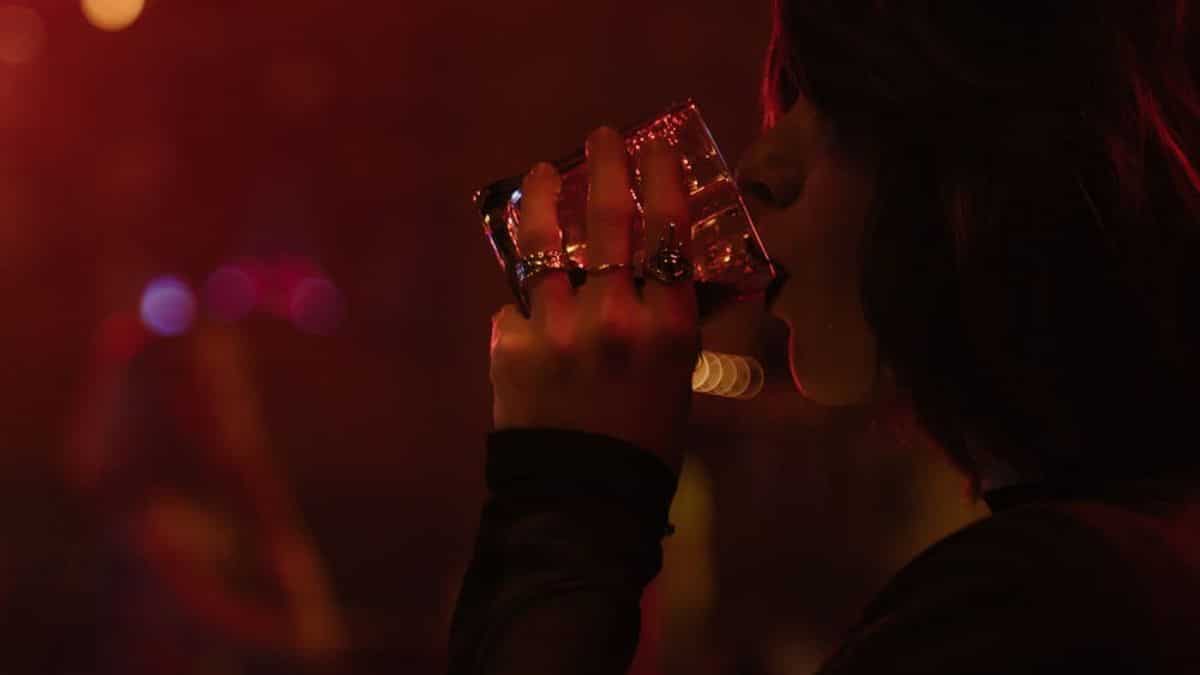
It is long believed that having water following a night of drinking can help overcome a hangover but a recent studyhas challenged this notion. Researchers from Utrecht University in the Netherlands have concluded that dehydration is not the only major factor behind a hangover and thus drinking water may be of little help.
The study
For the purpose of the study, the researchers enlisted two groups of volunteer boozers. They gave water to one group before bed, as the other group hit the hay with considerable dehydration.

The results achieved the next morning were shocking.
While the former group experienced less dehydration, they felt the same degree of pain, nausea, and exhaustion as the latter.
)
Mushtaq Khan dies at 56: When Welcome actor opened up about his salary for iconic role Ballu
)
US Supreme Court backs Trump administration's use of SAVE database to check voter citizenship
)
Hawaii braces for Hurricane Nolo: NOAA warns of flash flooding and mudslides
)
Bangkok declares flood disaster as heavy rain submerges roads and homes
)
Outrage erupts after 3-year-old is married to 60-year-old man in Pakistan, link to her sister's murder being probed
)
Donald Trump shares image of Xi's arrival in Washington, carries signs of AI
)
Pakistan deploys over 20,000 security personnel as PTI vows march for Imran Khan's release
)
Anthropic says Claude found a new gene-editing enzyme but science isn't confirmed
)
Farhan, who went viral for AK47 celebration vs India in Asia Cup, hopes to lead Pakistan beyond Asian Games
)
Prince Harry offers rare glimpse into Archie and Lilibet’s life after UK move
)
OpenAI AI Agents hacked 4 websites before Hugging Face, researchers reveal
)
Pentagon quietly adds 37 wounded troops to Iran war tally without explaining when or how
&im=FitAndFill=(700,400))
New Friday OTT releases (September 25, 2026): Don’t Be Shy, Hunkkaar: The Roar, Mango Pachcha- 6 movies and TV shows on Netflix, Prime Video and more
)
Asian Games 2026: India face Afghanistan in quarterfinal on Sep 28; Pakistan clash with Hong Kong
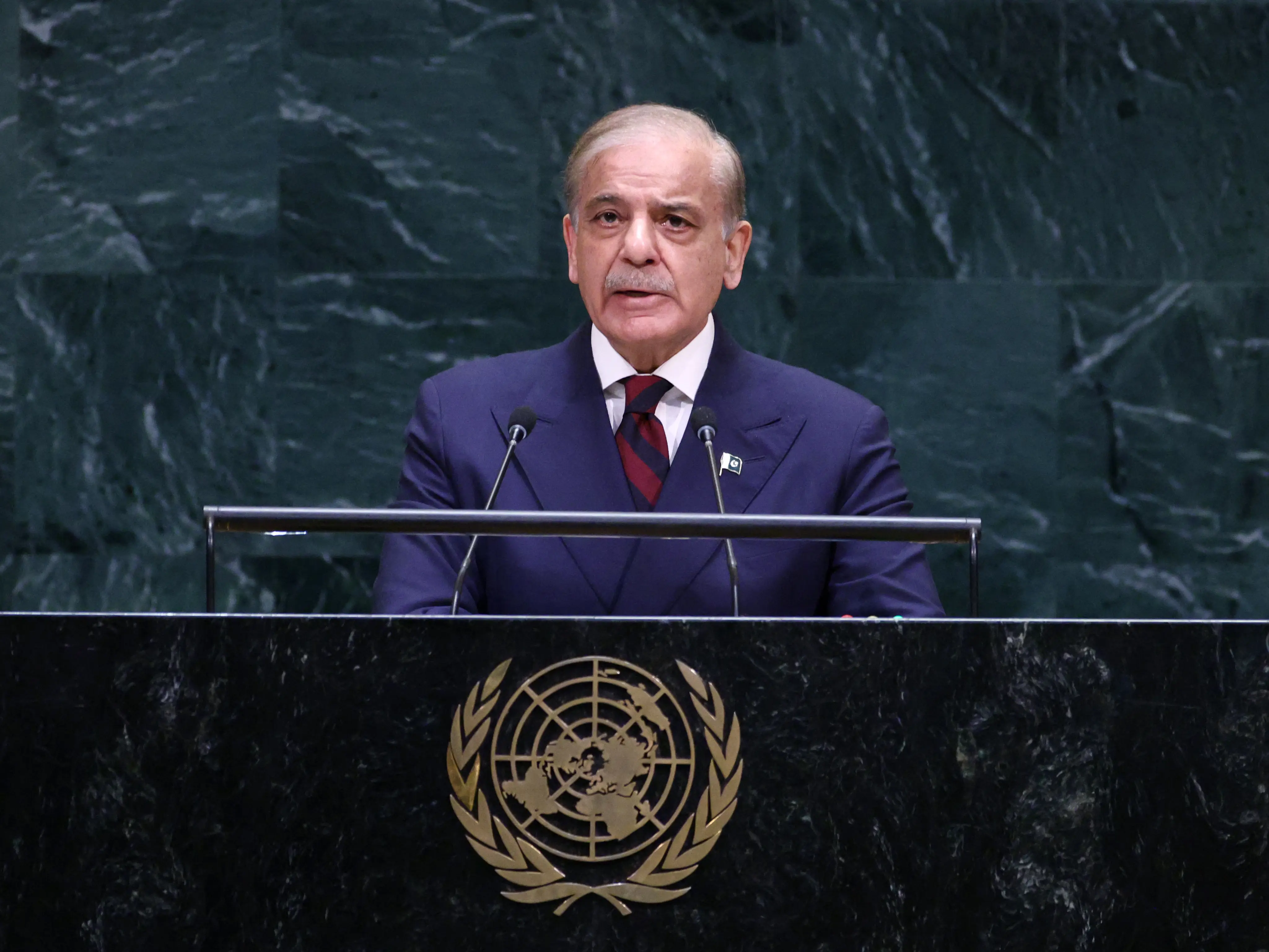)
‘Attack on Mecca a red line for Pakistan’: Shehbaz Sharif warns Houthis at UN
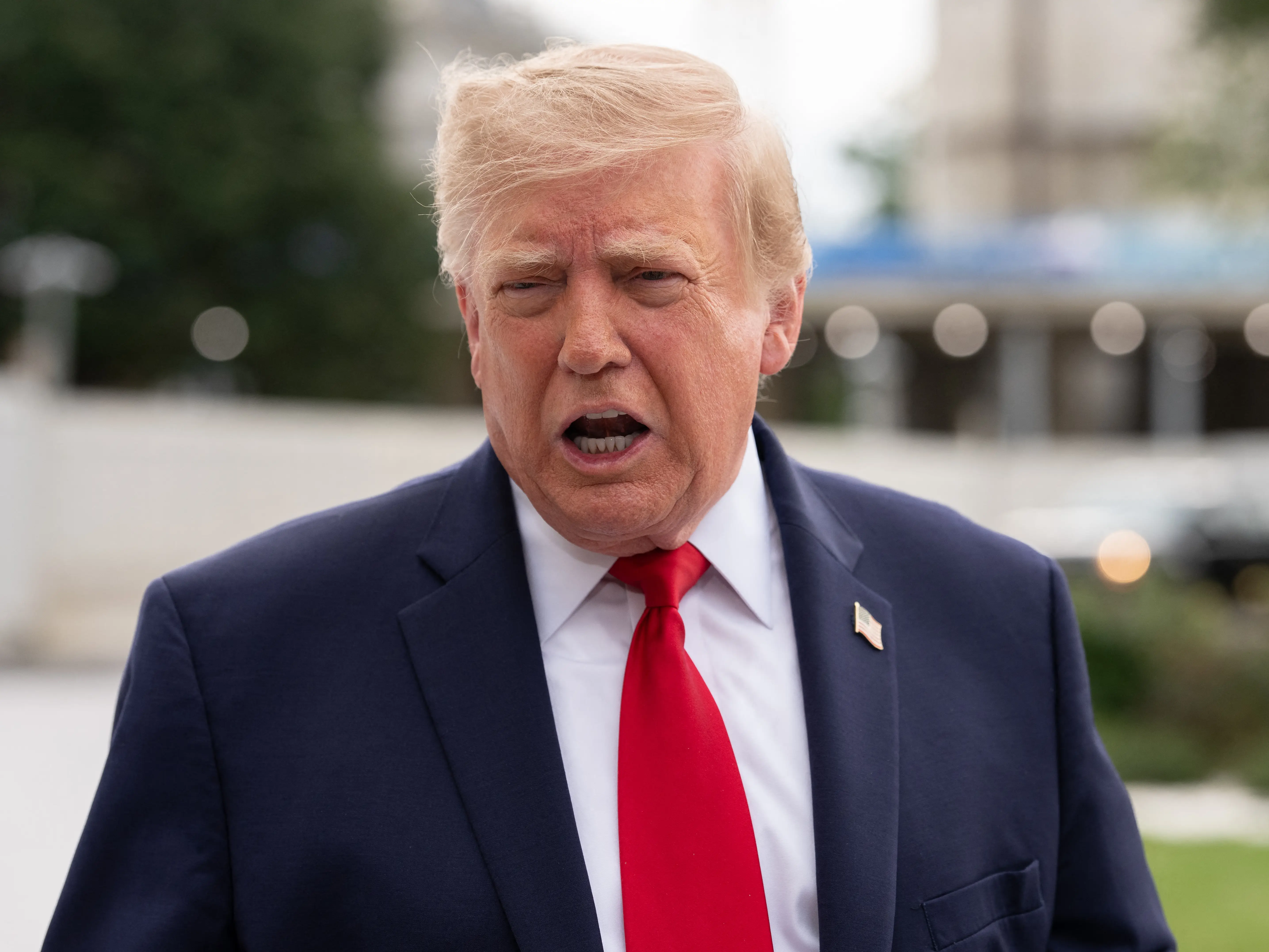)
‘I rejected it’: Trump confirms turning down Iran’s proposal to reopen Hormuz, claims Tehran is losing ‘badly’
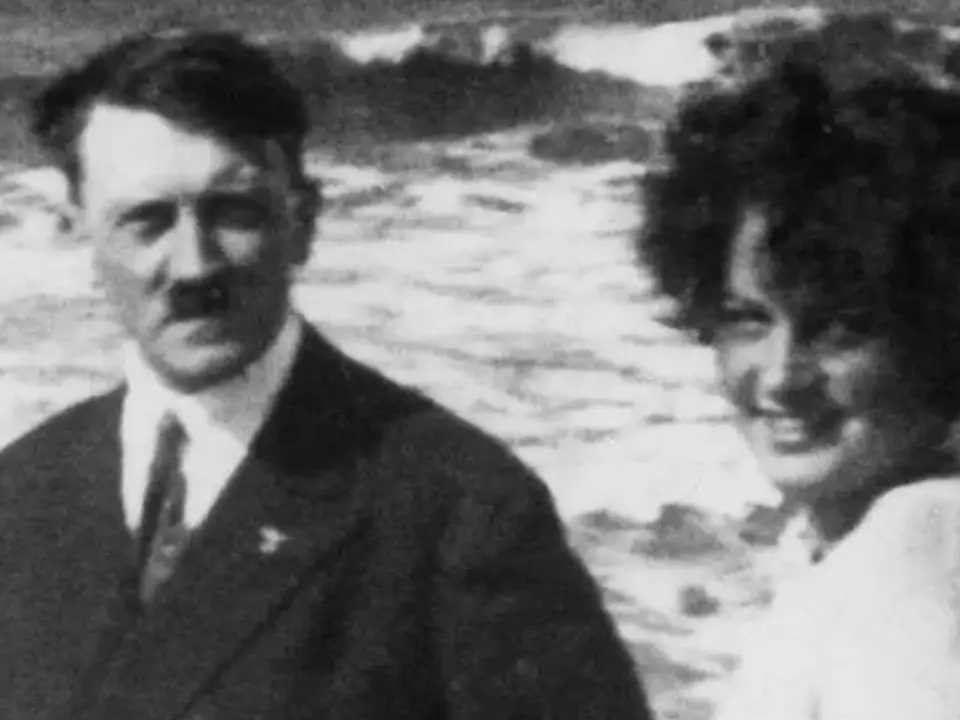)
Did Hitler kill his niece Geli Raubal? Newly found records reopen a 95-year-old mystery
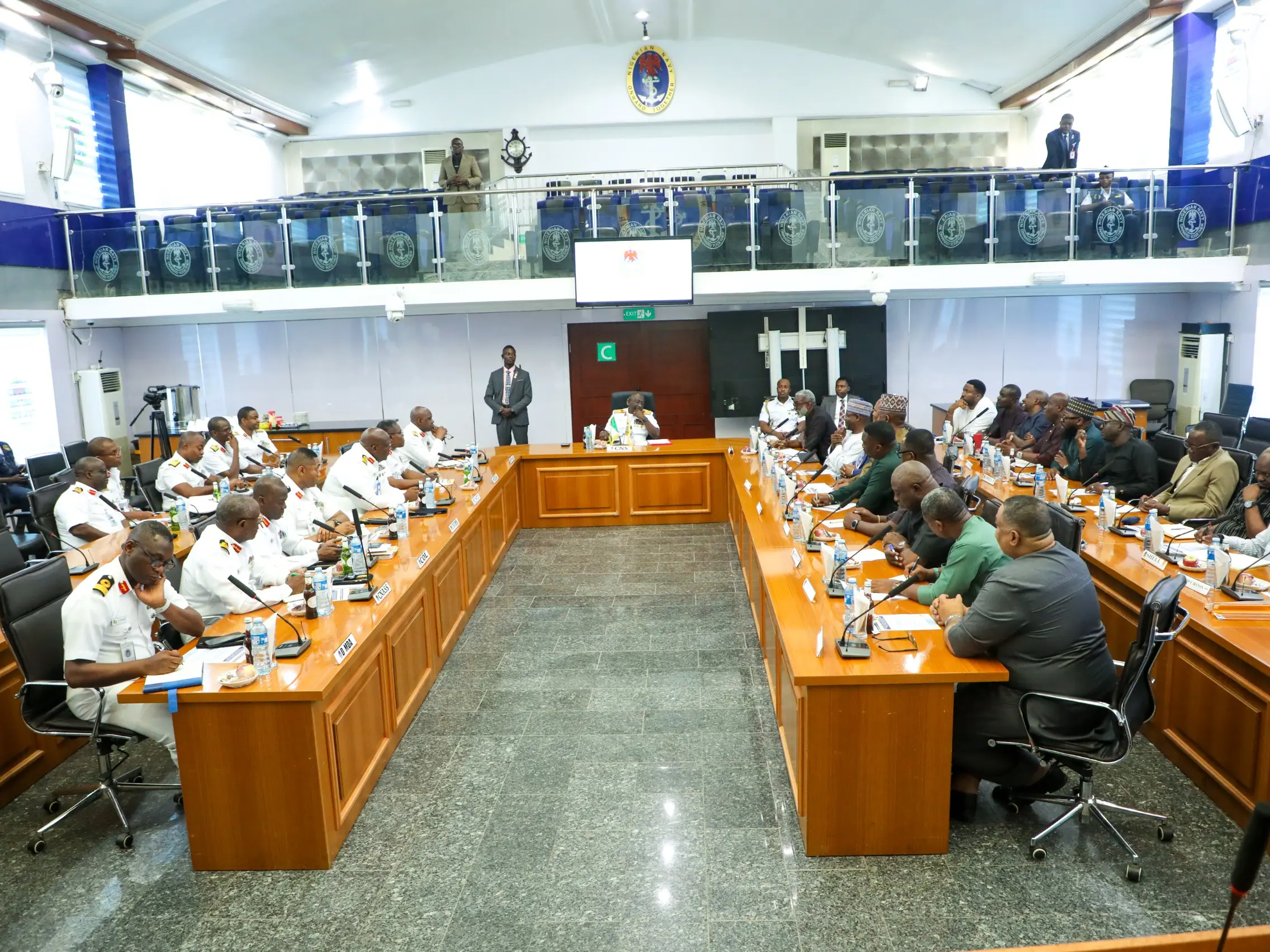)
Nigeria Navy moves to boost oil security, tackle crude theft and infrastructure threats
)
Indian diplomat Petal Gahlot raises deteriorating situation in Pakistan-occupied Kashmir in right of reply at UN
)
'Countries far from conflict are penalised': Jaishankar calls for Gulf peace, seafarer safety at UN
)
‘It is all possible’: Putin weighs next steps on Ukraine talks, rules out Europe conflict
)
Global community 'absent' in Gulf crisis: Saudi at UN calls for freedom of navigation, pre war status for Hormuz
)
10,000 gather in support of 87-year-old forcefully evicted from home of 71 years
)
The Paradise: Nani reacts to mixed reviews from critics and audience; ‘I have also learnt from the flaws’
)
Gaza's war turned environmental damage into second crisis
)
Trump-Xi summit wrap: Big pageantry, Iran talks, few major developments and more meetings planned
)
'What kind of confession is this?': Pakistan PM Shehbaz Sharif’s 'terrorists would be roaming New York' remark goes viral, raises alarm online. Watch
)
Myanmar training camp case: US national, 6 Ukrainians allowed to meet their families abroad
)
'FIRST LOOK from inside Noah’s Ark': Researchers share video from inside mysterious mound in Turkey
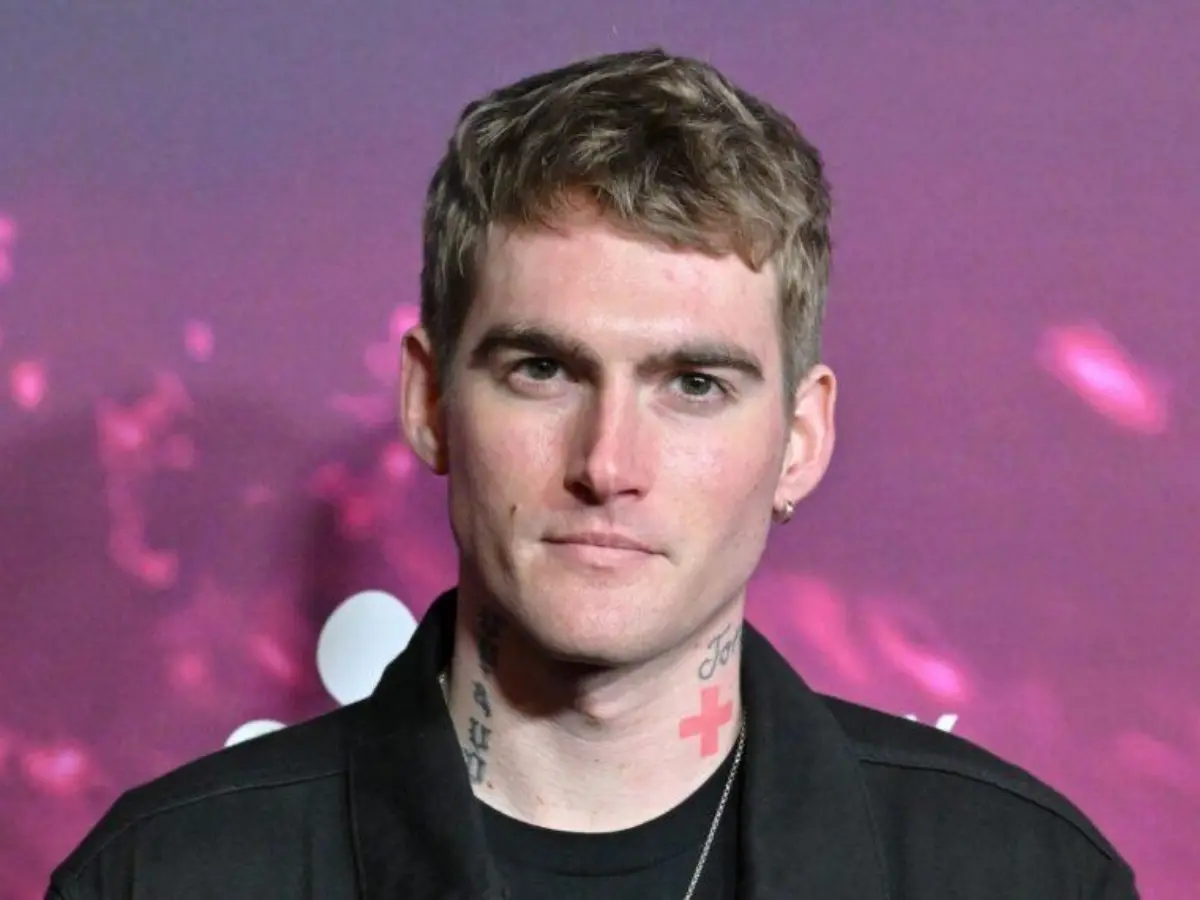)
Cindy Crawford’s son Presley Gerber cremated as death probe continues
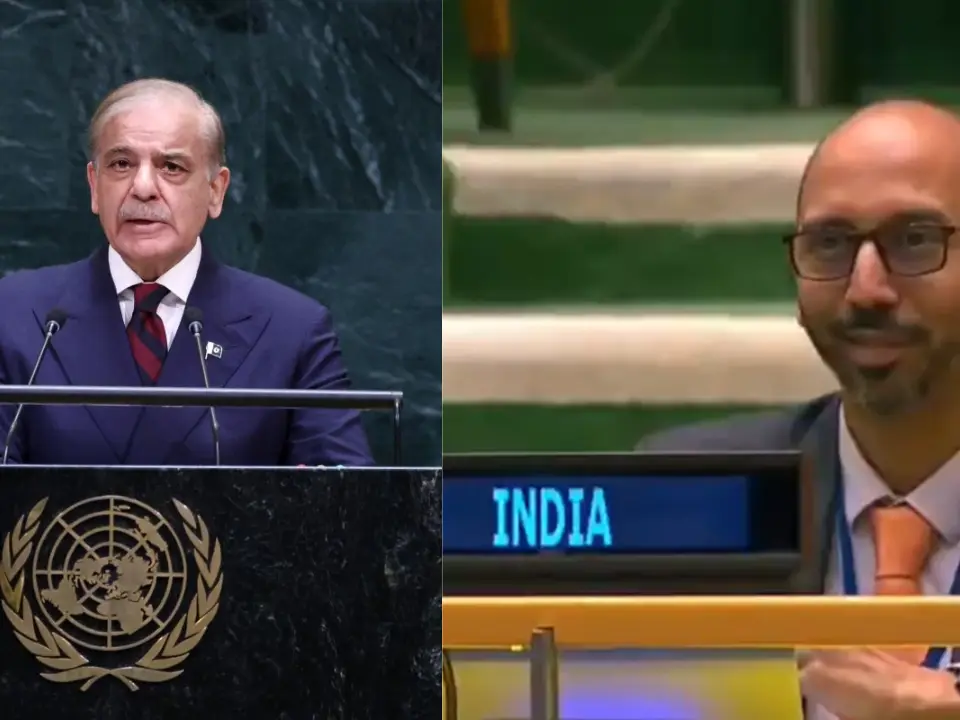)
WATCH | As Shehbaz Sharif claims Pakistan’s ‘victory’ during 2025 conflict, Indian diplomat R Srinivas laughs at UN
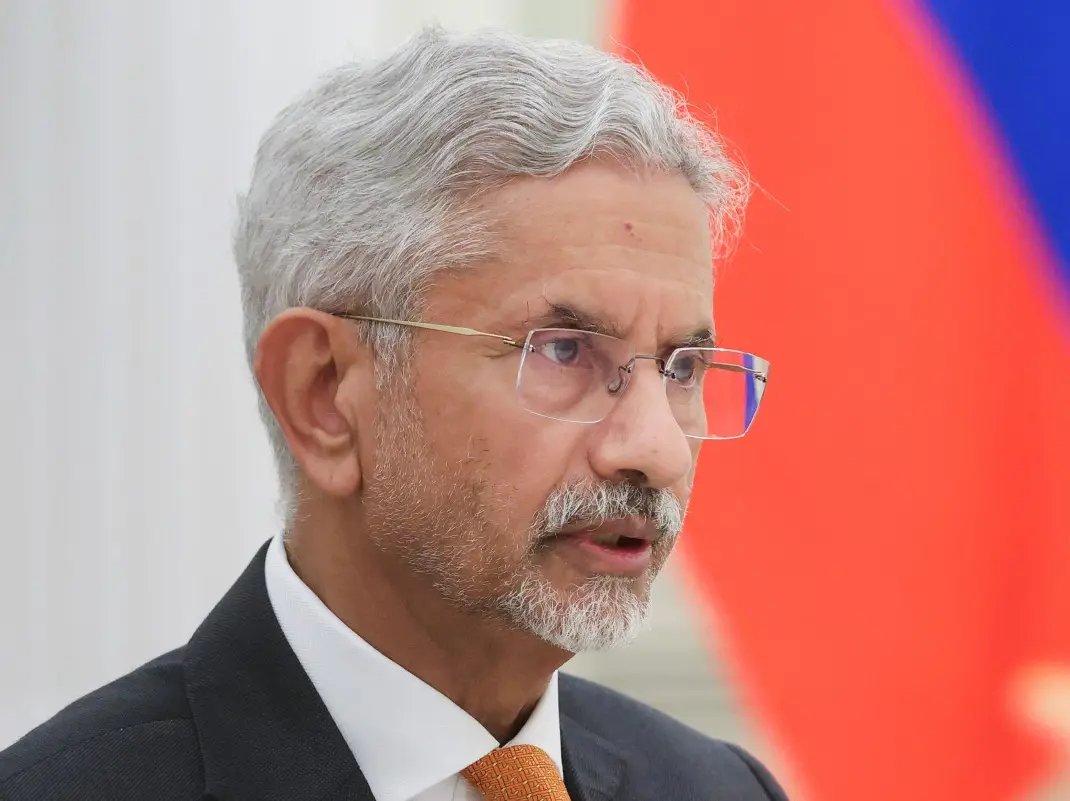)
'A terrorist country is asking me that question?': Jaishankar hits back at Pakistani journalist at UN; flags attacks on commercial shipping
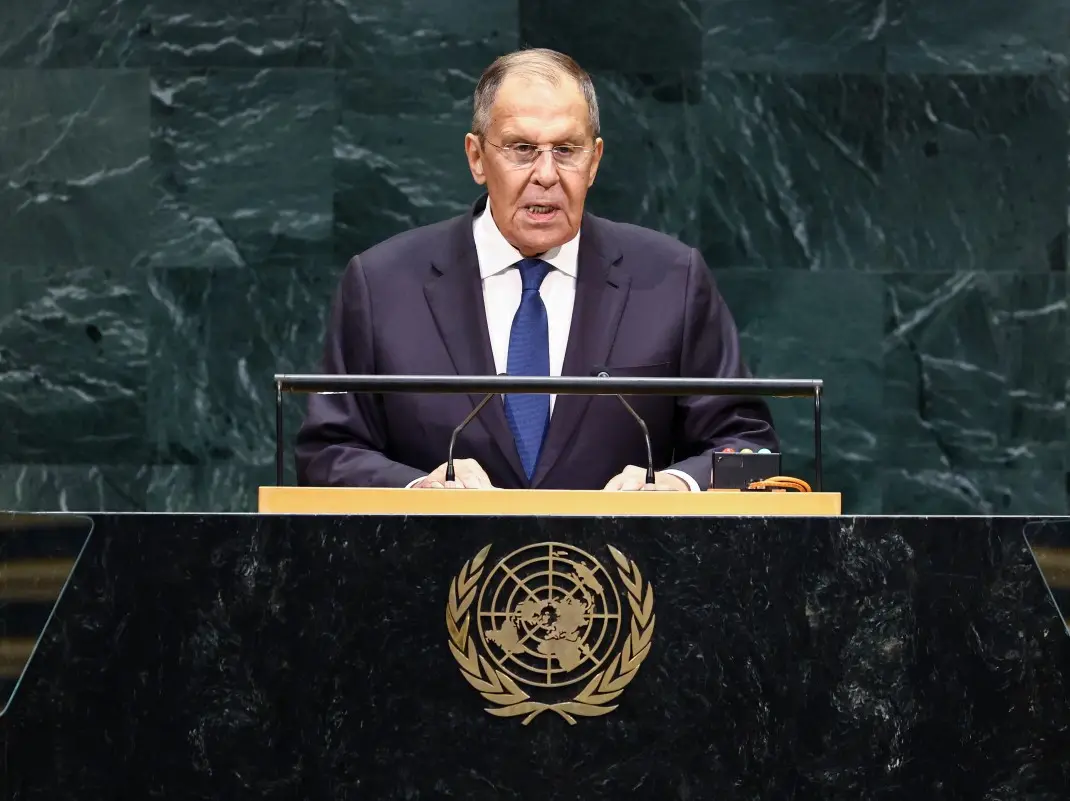)
Russia will achieve Ukraine war aims; Europe doing everything to block peace talks: Lavrov at UN
)
‘Serial practitioner of terrorism’: Jaishankar calls out Pakistan’s ‘state-sponsored’ terror at UNGA
)
US court backs Pentagon's decision to exclude Anthropic over Claude AI restrictions
This showed that consuming water had little or no effect on the intensity of the hangover.
Johnny Parvani, REVIV founder and chief medical officer, was quoted as saying by the New York Post, “A hangover is a clinical condition that is characterized by a combination of effects from alcohol metabolism and dehydration.” Thissupportsthe claim that a hangover includes but is not limited to dehydration.
The lead author of the study, Dr Joris Verster from Utrecht University, says that the relationship between drinking and hangover is directly proportional.
“The more you drink, the more likely you are to get a hangover. Drinking water may help against thirst and a dry mouth, but it will not take away the misery, the headache and the nausea,” Verster was quoted as saying by NY Post.
However, the research noted that consuming alcohol may trigger dehydration. It happens because alcohol activates the hormone system responsible for regulating blood pressure, fluid, and electrolyte balance. This process leads to the loss of water and electrolytes from our body, which in turn triggers thirst.
But thirst and dehydration are relatively short-lived in comparison tothe other symptoms of hangover caused by "oxidative stress".
(With inputs from agencies)