Climate change to turn snow into extreme rainfalls in high-altitude regions, risk of landslides: Study

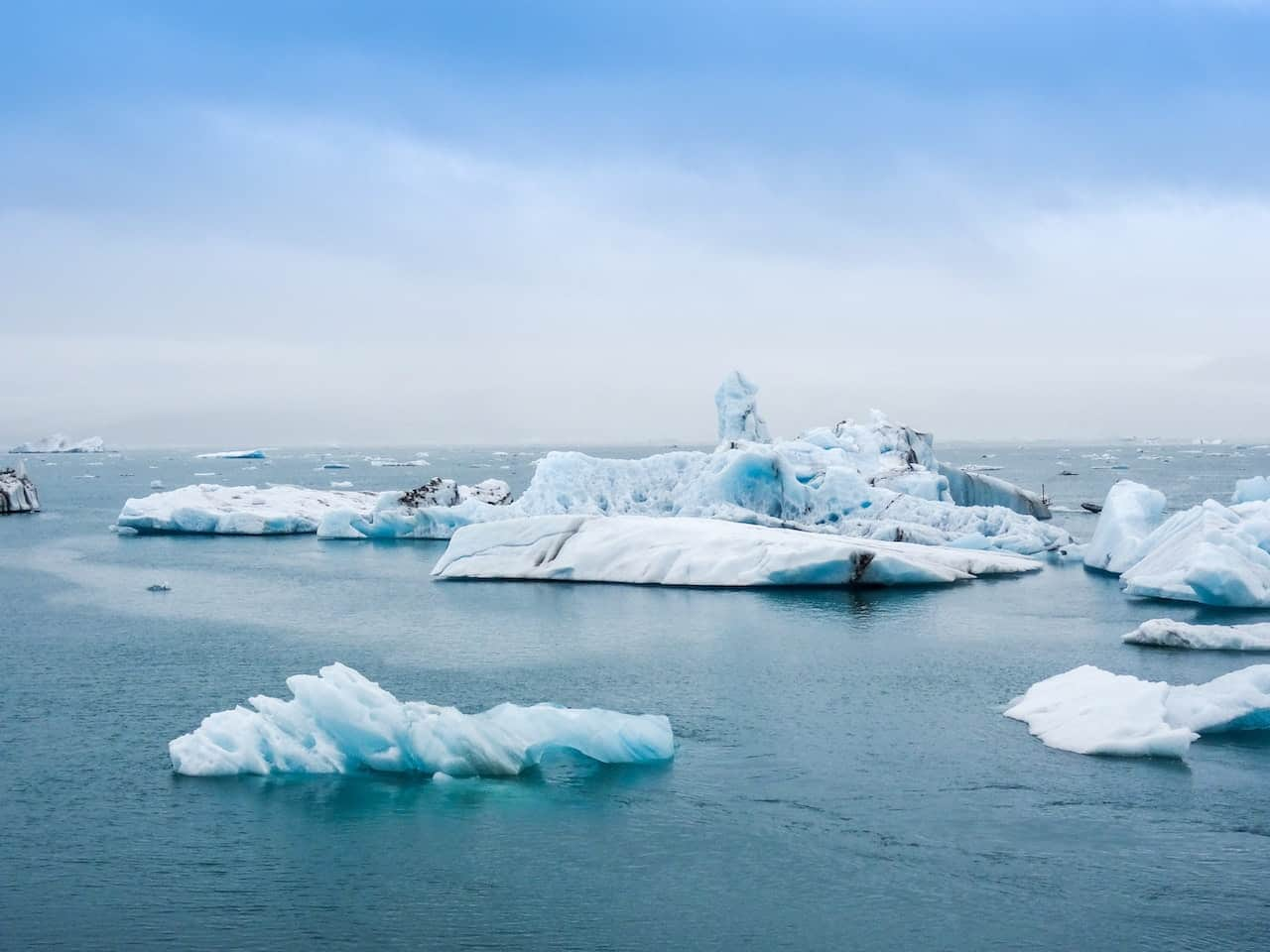
Study observed an extreme increase in rainfall as they analysed higher elevations
A recent study has exposed the alarming consequences of climate change with the findings suggesting that as the planet heats up it will result in extreme precipitation with snowfall turning into rain in high-altitude regions, a phenomenon which will in turn increase the risk of landslides and floods, media reports said.
The study was published in the journal Nature and reveals how mountain regions will experience more intense rainfall than previously anticipated in earlier research. This heightened precipitation poses greater risks, such as floods, landslides, and soil erosion, in comparison to the risk of snowfall.
Climate change impact
While scientists have studied the overall increase in extreme precipitation due to climate change, the study breaks down the proportion of extreme precipitation that falls as snow versus rain. The distinction is crucial because rain tends to have more adverse effects on human lives.

Also Read | India: Dhruv Advanced Light Helicopter safety flaws addressed, says report
The study, led by Mohammed Ombadi, an environmental data scientist at Lawrence Berkeley National Laboratory in the US state of California, found that for every one degree Celsius increase in global temperature, higher elevations can expect a 15 percent rise in extreme rainfall.
This increase is nearly double what climate scientists had previously estimated for both rain and snow combined. It specifically applies to regions above approximately 2,000 meters or 6,500 feet in elevation, as per media reports.
)
Mushtaq Khan dies at 56: When Welcome actor opened up about his salary for iconic role Ballu
)
US Supreme Court backs Trump administration's use of SAVE database to check voter citizenship
)
Hawaii braces for Hurricane Nolo: NOAA warns of flash flooding and mudslides
)
Bangkok declares flood disaster as heavy rain submerges roads and homes
)
Outrage erupts after 3-year-old is married to 60-year-old man in Pakistan, link to her sister's murder being probed
)
Donald Trump shares image of Xi's arrival in Washington, carries signs of AI
)
Pakistan deploys over 20,000 security personnel as PTI vows march for Imran Khan's release
)
Anthropic says Claude found a new gene-editing enzyme but science isn't confirmed
)
Farhan, who went viral for AK47 celebration vs India in Asia Cup, hopes to lead Pakistan beyond Asian Games
)
Prince Harry offers rare glimpse into Archie and Lilibet’s life after UK move
)
OpenAI AI Agents hacked 4 websites before Hugging Face, researchers reveal
)
Pentagon quietly adds 37 wounded troops to Iran war tally without explaining when or how
&im=FitAndFill=(700,400))
New Friday OTT releases (September 25, 2026): Don’t Be Shy, Hunkkaar: The Roar, Mango Pachcha- 6 movies and TV shows on Netflix, Prime Video and more
)
Asian Games 2026: India face Afghanistan in quarterfinal on Sep 28; Pakistan clash with Hong Kong
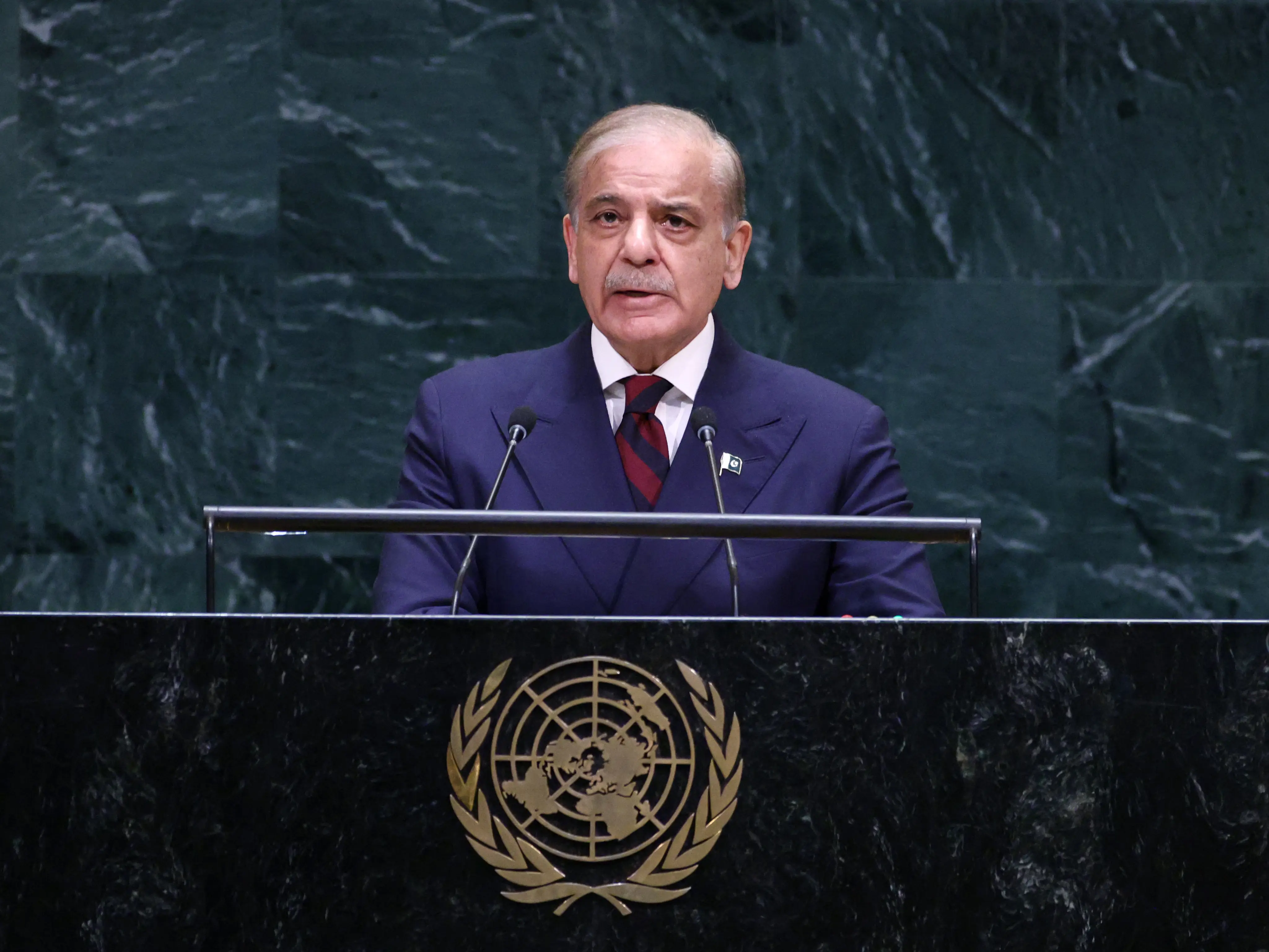)
‘Attack on Mecca a red line for Pakistan’: Shehbaz Sharif warns Houthis at UN
)
‘I rejected it’: Trump confirms turning down Iran’s proposal to reopen Hormuz, claims Tehran is losing ‘badly’
)
Did Hitler kill his niece Geli Raubal? Newly found records reopen a 95-year-old mystery
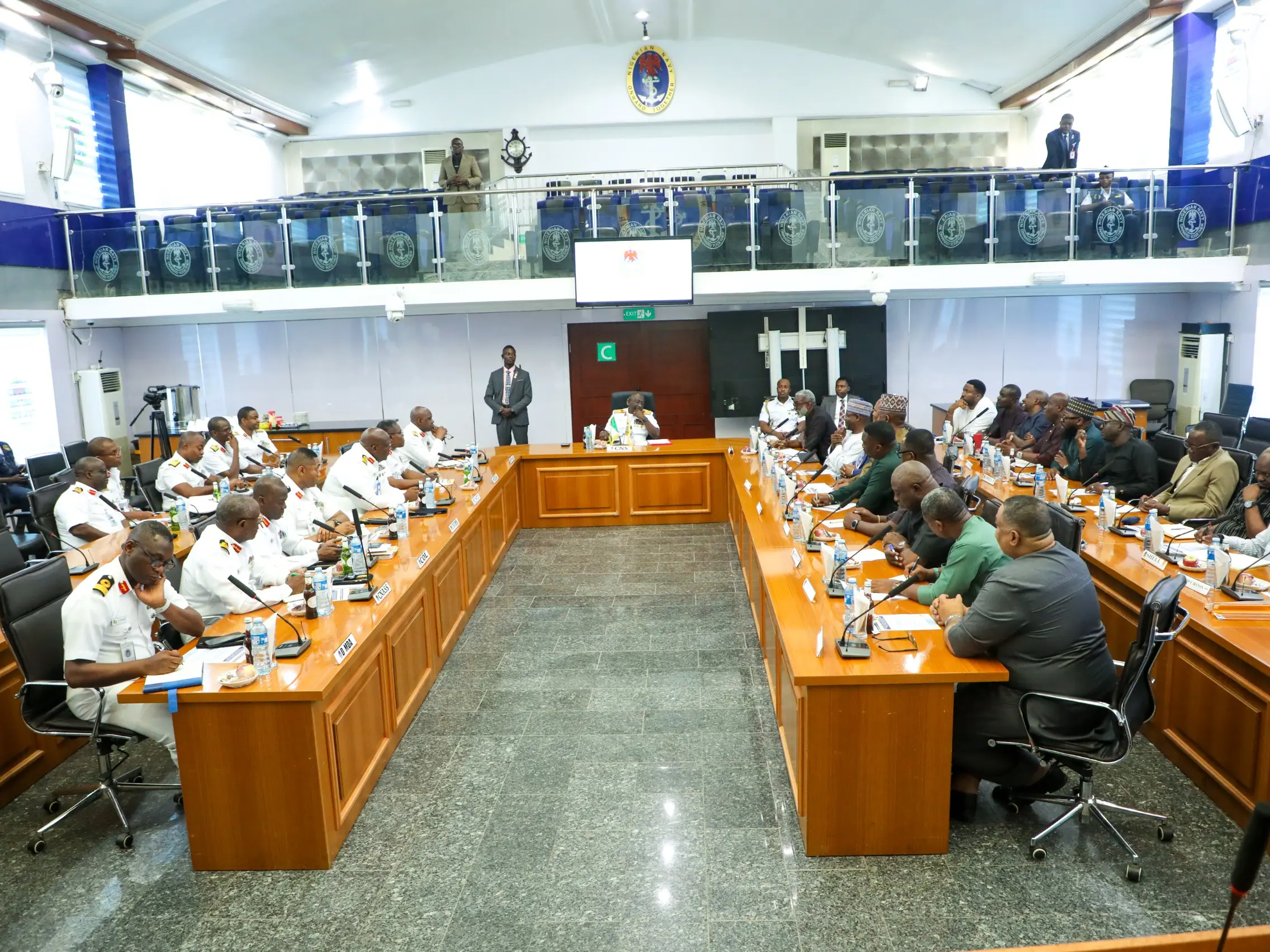)
Nigeria Navy moves to boost oil security, tackle crude theft and infrastructure threats
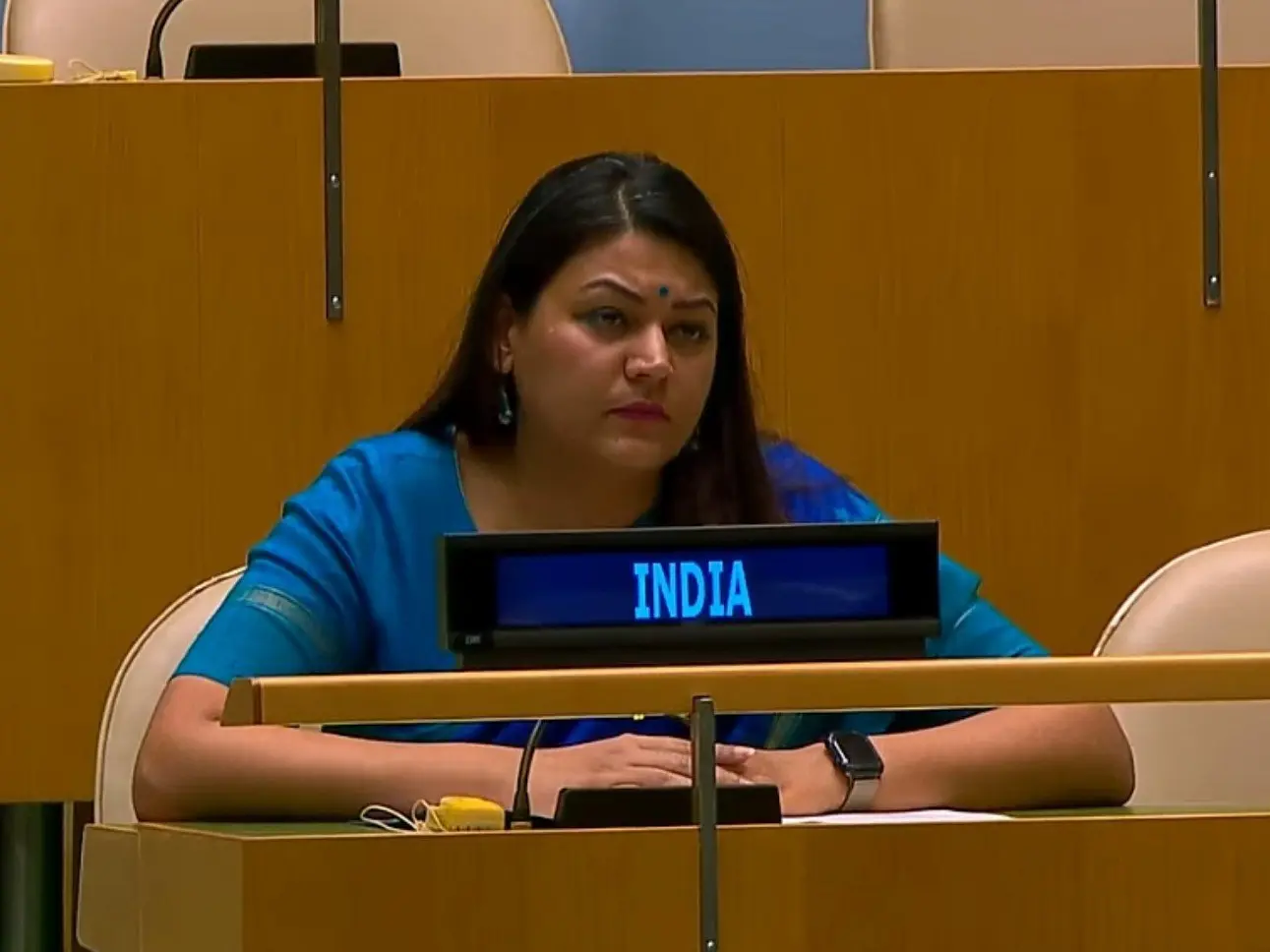)
Indian diplomat Petal Gahlot raises deteriorating situation in Pakistan-occupied Kashmir in right of reply at UN
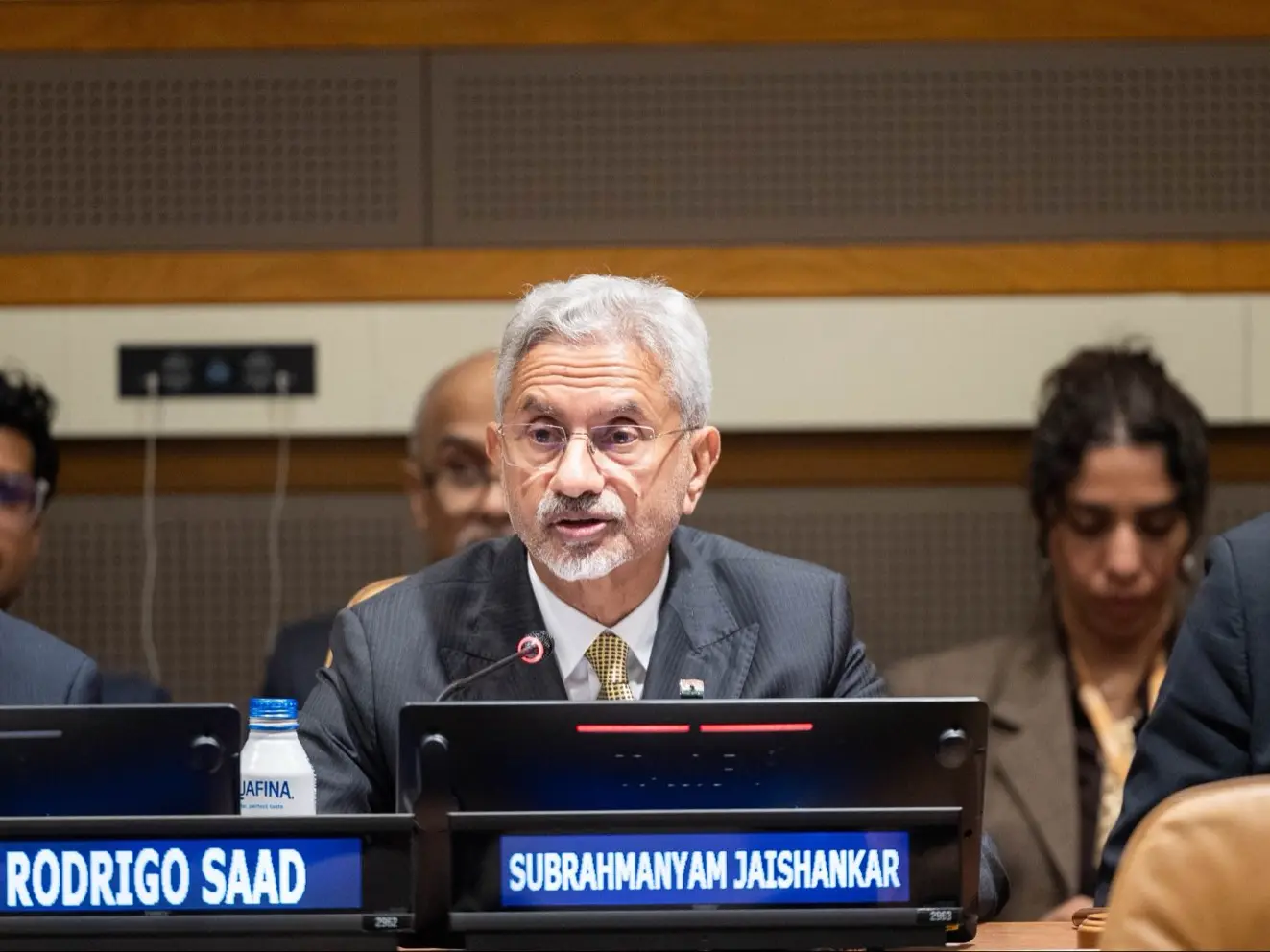)
'Countries far from conflict are penalised': Jaishankar calls for Gulf peace, seafarer safety at UN
)
‘It is all possible’: Putin weighs next steps on Ukraine talks, rules out Europe conflict
)
Global community 'absent' in Gulf crisis: Saudi at UN calls for freedom of navigation, pre war status for Hormuz
)
10,000 gather in support of 87-year-old forcefully evicted from home of 71 years
)
The Paradise: Nani reacts to mixed reviews from critics and audience; ‘I have also learnt from the flaws’
)
Gaza's war turned environmental damage into second crisis
)
Trump-Xi summit wrap: Big pageantry, Iran talks, few major developments and more meetings planned
)
'What kind of confession is this?': Pakistan PM Shehbaz Sharif’s 'terrorists would be roaming New York' remark goes viral, raises alarm online. Watch
)
Myanmar training camp case: US national, 6 Ukrainians allowed to meet their families abroad
)
'FIRST LOOK from inside Noah’s Ark': Researchers share video from inside mysterious mound in Turkey
)
Cindy Crawford’s son Presley Gerber cremated as death probe continues
)
WATCH | As Shehbaz Sharif claims Pakistan’s ‘victory’ during 2025 conflict, Indian diplomat R Srinivas laughs at UN
)
'A terrorist country is asking me that question?': Jaishankar hits back at Pakistani journalist at UN; flags attacks on commercial shipping
)
Russia will achieve Ukraine war aims; Europe doing everything to block peace talks: Lavrov at UN
)
‘Serial practitioner of terrorism’: Jaishankar calls out Pakistan’s ‘state-sponsored’ terror at UNGA
)
US court backs Pentagon's decision to exclude Anthropic over Claude AI restrictions
Implications for human populations
Approximately one-quarter of the global population resides in mountain regions or directly downstream from them. While landslides mainly affect local areas, floods have more widespread impacts on people downstream.
Also Read | Sweden police allow Quran burning protest outside Stockholm’s main mosque
Additionally, soil erosion can undermine agricultural lands, natural ecosystems, and exacerbate the risks of floods and landslides. These threats add to the challenges posed by melting glaciers in the same mountain ranges and river valleys.
Analysing historical data and climate projections
Dr. Ombadi and his colleagues analysed historical data from 1950 to 2019, along with climate change projections till 21st century. They focused on temperate and Arctic regions in the Northern Hemisphere, as data from the tropics and the Southern Hemisphere were limited. Their modeling of various global warming scenarios revealed a consistent increase in extreme rainfall for each degree of warming.
The impact of elevation on rainfall increase
The researchers discovered that the higher the elevation, the greater the increase in extreme rainfall. Unlike the relationship between rising temperatures and precipitation, this change wasn't linear.
Watch | Concert economics explained: The craze for high-profile concerts
They observed a larger increase in rainfall as they analysed higher elevations. Additionally, different mountain ranges in the Northern Hemisphere exhibited slight variations in the risk of extreme rainfall, which researchers are still working to understand.
WATCH WION LIVE HERE You can now write for wionews.com and be a part of the community. Share your stories and opinions with us here.