Bacteria that make us sick might survive and thrive on Mars, study shows


Representational image of Mars whose atmosphere is being studied by scientists.
Four types of bacteria that can make humans sick on Earth may be able to survive and thrive under the harsh conditions of Mars if carried by the astronauts, according to a recent study published in the January version of Astrobiology.
The scientists placedcolonies of Burkholderia cepacia, Klebsiella pneumoniae, Pseudomonas aeruginosa and Serratia marcescens in a box that stimulated the Mars-like environment,with its lack of water, scant atmospheric pressure, deadly ultraviolet radiation and toxic salts.
These bacteria live harmlessly on us but can become pathogenic when stressed. Initially, scientists believed that regolith or soil imitating the Martian surface would have toxic effect in the cells and limit their growth.

However, to their surprise,they discovered its opposite effect on bacteria.Three of the species survived withPseudomonas aeruginosa in particular growing steadily for up to three weeks.
Microbiologist Tommaso Zaccaria who performed the experiment and his colleagues are now attempting to figure out how microbes managed to hold onto their lives.
Zaccaria posits that the bacteria may have managed to findsmall oases with enough water in the crannies of the regolith which providednutrients and protection from the deadly UV radiation.
)
The Early Spring is proof not everyone can talk about their real feelings, and it is perfectly OK
)
UN votes to ‘correct the map’ as India backs fairer world view
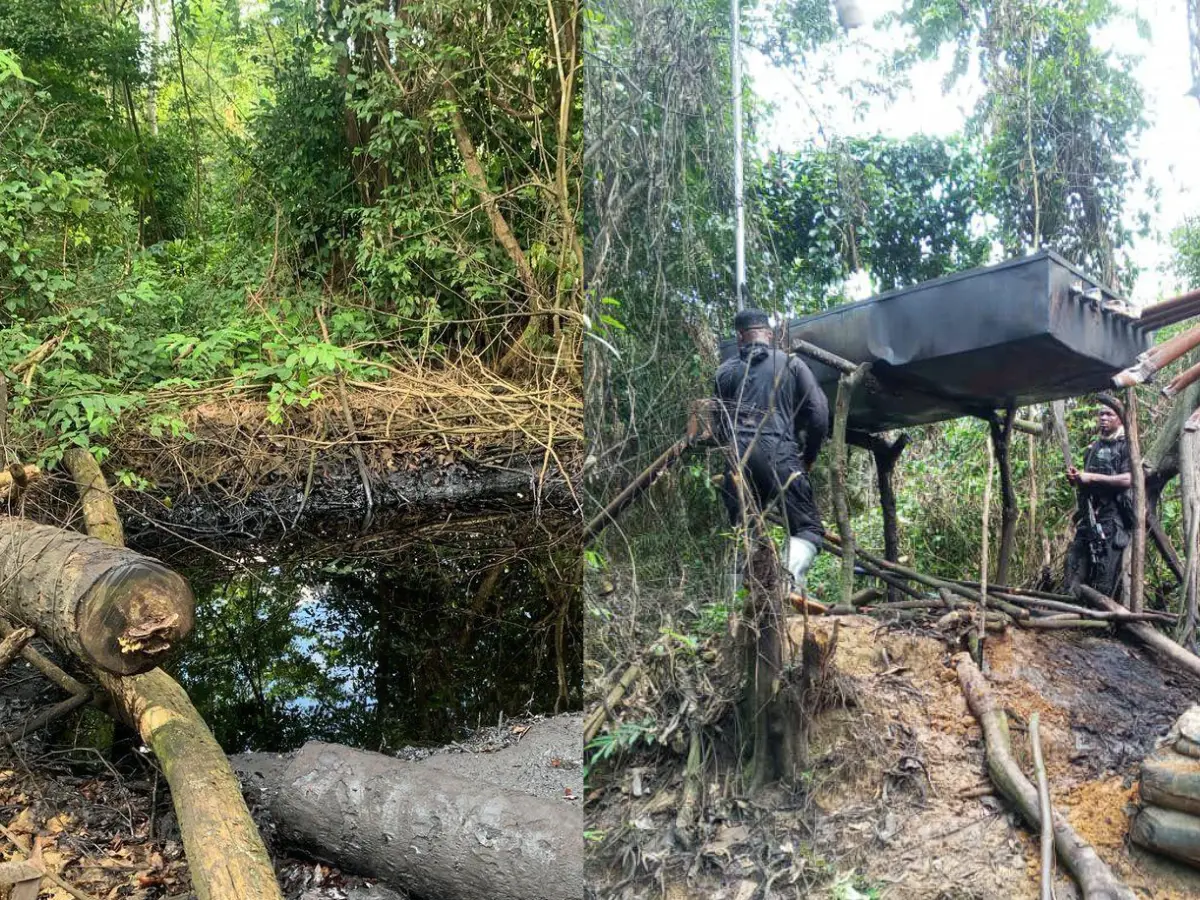)
Nigerian Navy discovers 99,000 litres of suspected stolen, illegally refined products as it intensifies anti-crude oil theft operations
)
Who is Aditi Paudel? 17-year-old becomes Japan's first literacy ambassador
)
Bengaluru: Officials find 40 kg expired chilli at chairman's club
)
Jaishankar rejects trade link to ending Ukraine war
)
Israeli strikes on Lebanon kill three, injure 23 despite truce
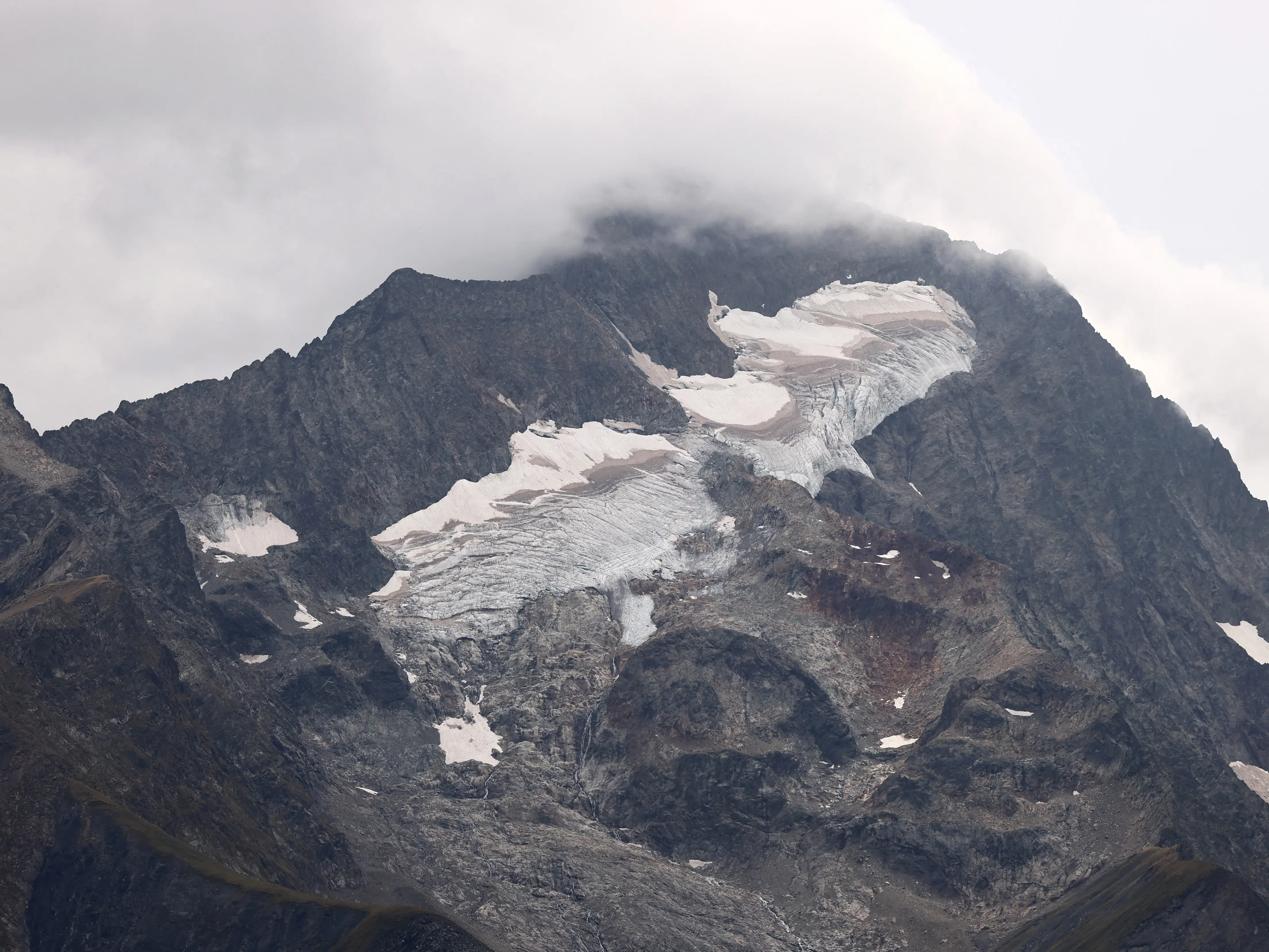)
Alpine glacier was covered with sheep wool sheets to prevent melting. It worked
)
South Korea mulls deploying military assets to Strait of Hormuz
)
World's fifth-largest economy, British army can't afford to train
)
Breaking | Vance takes the podium: First White House briefing since Leavitt's exit
)
Taiwan raises 'concerns' over China's missile test
)
BRICS 2026: $1 trillion sovereign capital set to converge in Delhi for first iBRICS Summit
)
What is Iran's Pickaxe Mountain that Trump has again threatened to bomb?
)
UN votes to correct world map that visually shrank Africa for 450 years
)
Former NewJeans member Danielle launches YouTube channel, hints at new solo journey
)
Bangladesh batter Towhid Hridoy creates history with 350 not out in South Africa
)
Brendan Fraser’s transformation fuels The Mummy 4 excitement as fans welcome back Rick O’Connell
&im=FitAndFill=(700,400))
Krishna Janmashtami 2026: From Dhaniya Panjiri to Makhana Kheer- 5 best sweet dishes perfect for celebrating Lord Krishna’s birth
)
Donald Trump plans to travel to Ireland on Qatari-donated jet amid security concerns
)
Nazi-looted art to return to Jewish heirs
)
Eight killed in Kerala’s Thrissur after car rams into lorry parked on highway
&im=FitAndFill=(700,400))
Why Russian fighter jets use bulky, low-pressure tyres compared to US jets
)
FBI-wanted fraud accused arrested in Jalandhar over $600,000 scam
&im=FitAndFill=(700,400))
Why US tanks weigh over 20 tons more than Russian tanks
&im=FitAndFill=(700,400))
New Friday OTT releases (September 4, 2026): GDN, Dhamaal 4, Jagamae Sangeetham- Watch 6 new movies and TV shows on Netflix, Prime Video and more
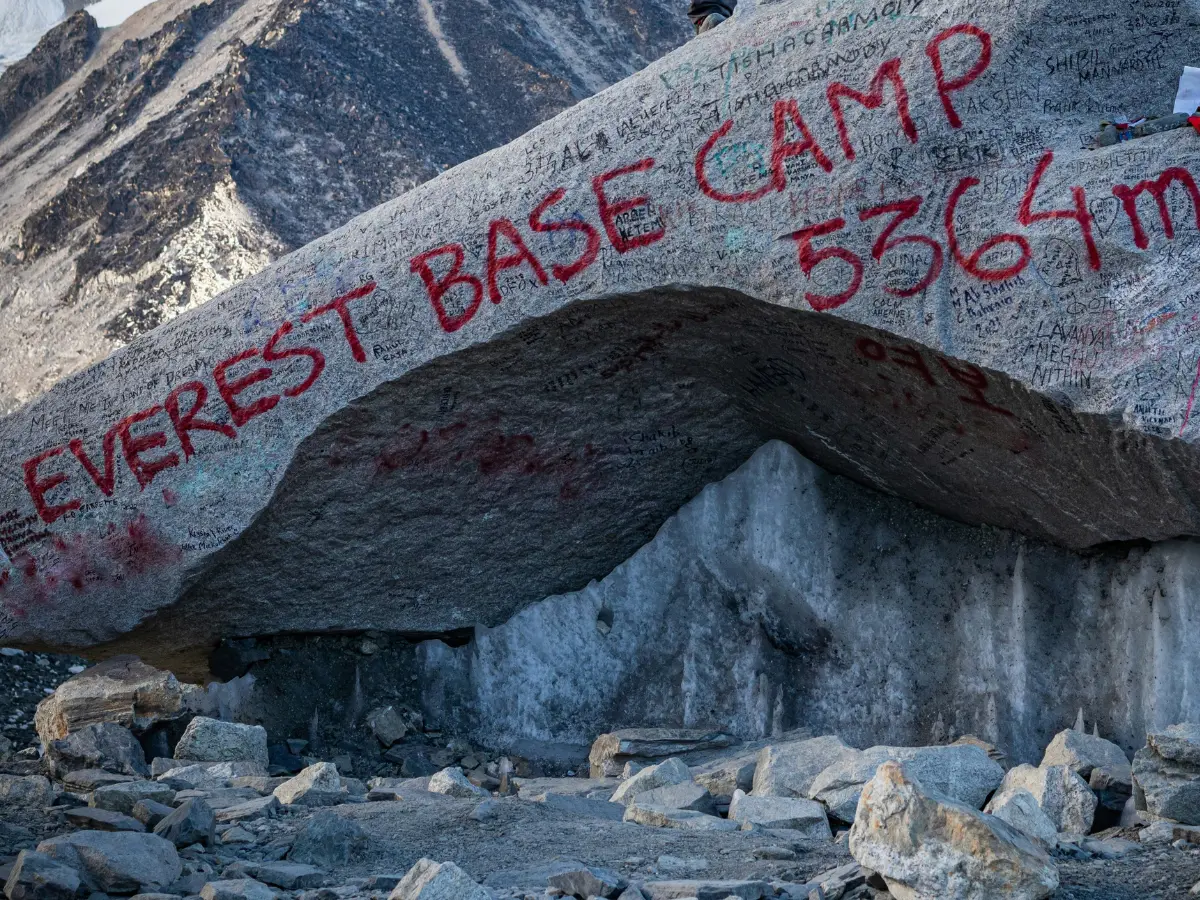)
Killing the Himalayas slowly: Human urine is melting a glacier on Mount Everest
Watch |WION Fineprint: NASA announces plans for a nuclear rocket
Study results
The scientists said the result of the study should prompt human missions to Mars to bring plenty of different antibiotics to deal withdisease-causing bacteria surviving and perhaps mutating before reinfecting the astronaut.
Additionally, human missions would not want to accidentally mistake a terrestrial bug for a native Martian one during the research to find life.
“At the end of the day, we want to move forward and explore our solar system more. We try our best and that ultimately will lead to some really beautiful discoveries and some really cool history," saidZaccaria, who recommends that certain areas of the Red planet should be set aside like national parks where only robotic vehicles can enter.
Humanity has been searching for life on planets other than our home baseto see if we can become an interplanetary species. Mars has long been touted as a potential candidate where this could be possible.
Currently, the Perseverance rover is traversing the rough terrain of Mars. It is part of an international, interplanetary relay team created to unravel the secrets of our neighbourhood planet.
(With inputs from agencies)