E. coli creates memories and passes them on to future generations, study finds


Bacteria
Researchers from the University of Texas and the University of Delaware have uncovered a potential memory system in the well-studied bacterium Escherichia coli (E. coli). Despite lacking a brain or nervous system, E. coli seems capable of forming memories of past experiences and passing them down to subsequent generations.
Contrary to conscious human memory, this bacterial memory system impacts decision-making based on prior encounters.
Lead researcher Souvik Bhattacharyya explainedto ScienceAlertthat while bacteria lack brains, they can gather and store information from their environment, later accessing it for their advantage.

The study's foundation lies in over 10,000 bacterial 'swarming' assays, examining E. coli behaviour when cells collaborate for efficient exploration or form biofilms for colonisation. Intriguingly, intracellular iron levels emerged as a key factor influencing swarming behaviour.
Iron levels and behavioural response
)
Justice eludes Air India 1985 bombing victims as Canada probe goes 'inactive' | Gravitas
)
Trump revives India-Middle East-Europe economic corridor as India emerges central to West Asia’s future: What is it?
)
Erdogan again raises Kashmir issue at UNGA, calls for dialogue under UN Charter
)
Major League Soccer referee sacked for sexist comment about female match referee
)
Trump signs Greenland security deal with Denmark, paving way for two new US military bases
)
IND vs JPN T20I: How an overturned wide became point of difference between India's win and a tie
)
Trump-Xi summit: From trade to Taiwan, what will the US and Chinese presidents discuss in Washington?
)
Cyclone Arnab: Landfall expected before midnight tomorrow as IMD issues orange alerts across six states
)
ICC plans T20I expansion and fewer ODIs in 2027–2031 FTP cycle: Report
)
US-China tech war: Businesses in the front line
)
Gravitas | Boosting NHS productivity could save 20,600 lives in UK annually: Report
)
Nor'easter could batter 13 US states this week. What you should know
)
WION Iconic Tourism Summit: Seychelles envoy says India partnership is important for Seychelles
)
US and China vie for AI dominance as calls grow for regulation | Gravitas
)
Yemen clashes kill 154 people in two days as cornered Saudi battles Houthi offensive | Gravitas
)
China to test supersonic jet that moves at Mach 2, double the speed of sound
)
Bomb scare in New York amid UNGA: Suspicious suitcase found near UN headquarters
)
IND vs JPN, one-off T20I: Japan captain Kendel on pushing India to the brink - ‘It was special’
)
Mikel Arteta verbally agrees to three-year extension with Arsenal after title-winning Premier League season
)
WION Iconic Tourism Summit and Awards 2026: Key voices to discuss India’s tourism future
)
WION Iconic Tourism Summit and Iconic Awards 2026: India's travel economy leaders gather in Delhi
&im=FitAndFill=(700,400))
New OTT releases this week (September 21-27, 2026): Shaque: Trust No One, Hunkkaar, Don’t Be Shy- 5 new titles coming to Netflix, Prime Video and more
)
81st UN General Assembly: Burnham announces UK-US AI defence tie-up
)
Trump calls on nations to quit ‘rogue’ and ‘out-of-control’ International Criminal Court, rips UN
)
Infections transmitted from pregnant woman linked to autism risk
)
'What kind of confession is this?': Pakistan PM Shehbaz Sharif’s 'terrorists would be roaming New York' remark goes viral, raises alarm online. Watch
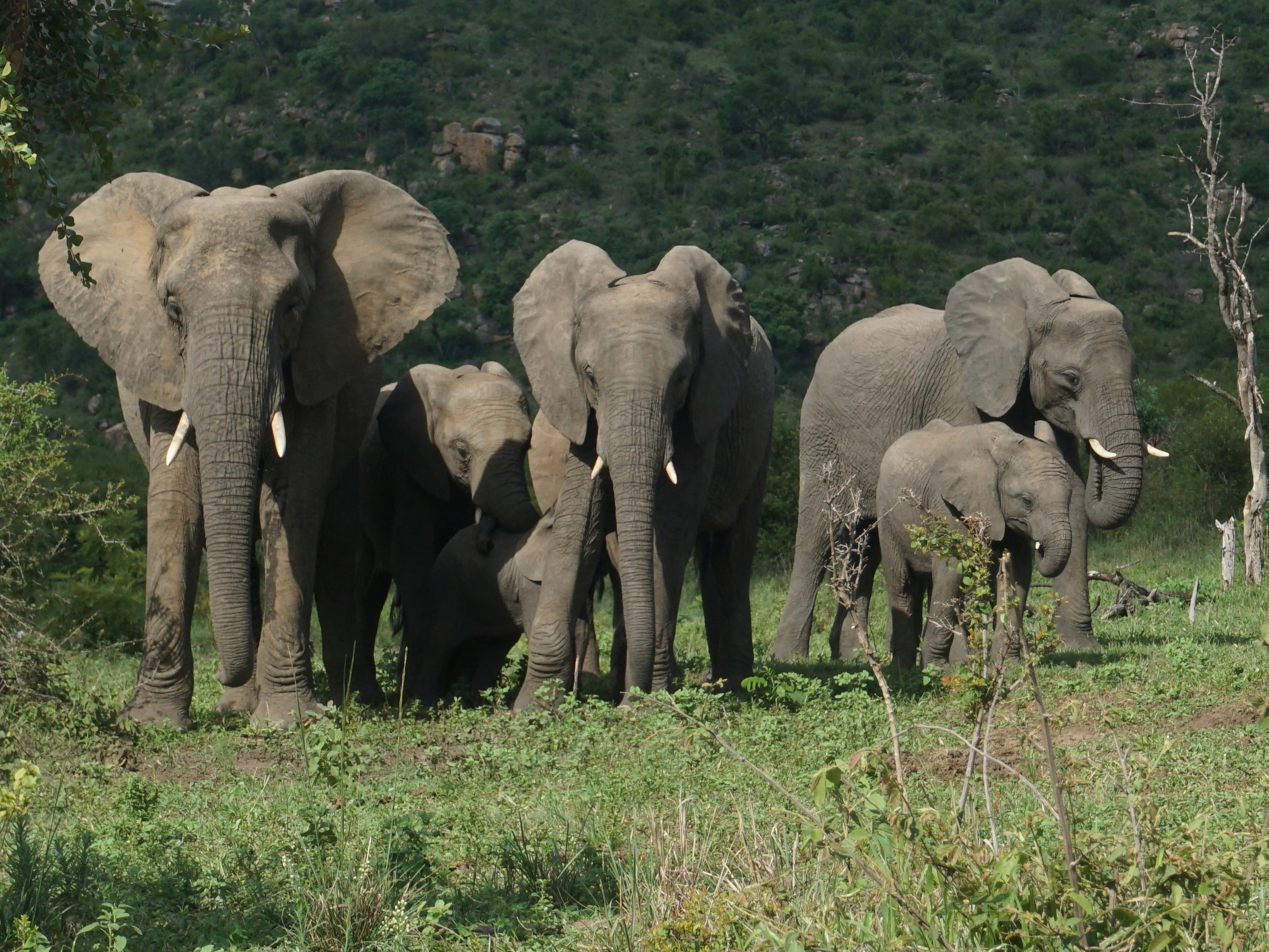)
Elephants hide behind trees, stage surprise attack on poachers targeting rhinos in South Africa
)
IIT Bombay professor Suryanarayana Doolla sent on leave amid Sahil Wakode death probe
&im=FitAndFill=(700,400))
National Film Awards 2026: Kartik Aaryan, Mammootty, Yami Gautam, Randeep Hooda and other key winners
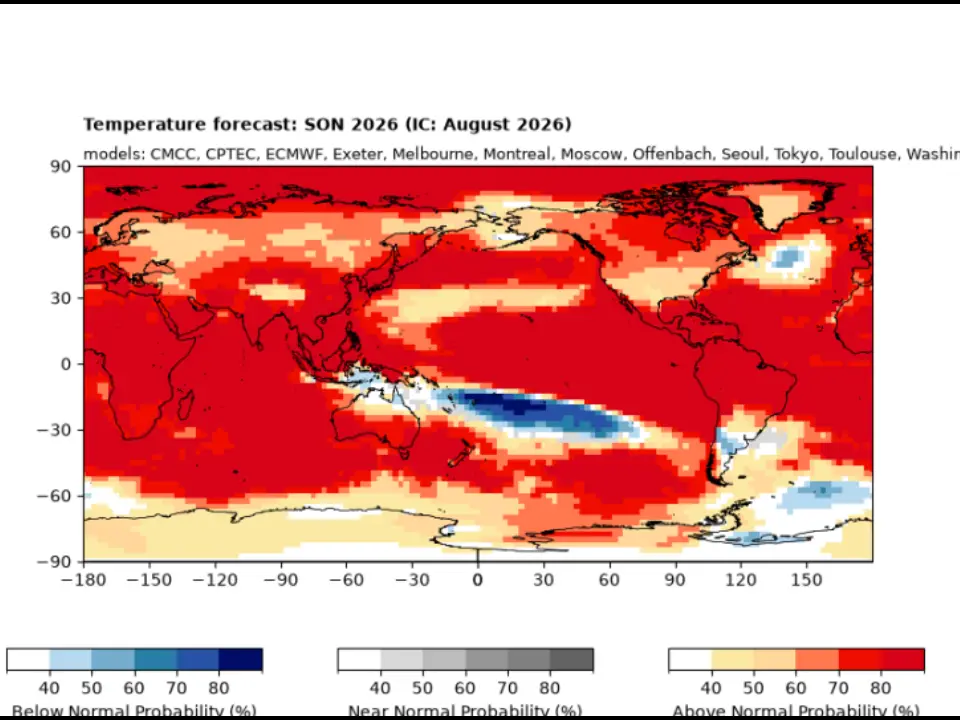)
El Niño 2026 heats up to become strongest in 1,000 years
)
Anne Hathaway to run in supporting race for Nolan's epic
)
Over 4,200 books withdrawn from circulation in J&K colleges, 94% from Kashmir
)
From Gaddafi tearing up UN Charter to Trump’s ‘escalatorgate’: Most unforgettable UNGA moments
)
Explainer: Why rare-earth export licences and Board of Trade are US priorities ahead of Trump-Xi summit
)
Asia prepares for record El Nino, food shock
)
Forget apps: Qualcomm CEO says AI agents will change how we use smartphones
)
Four female students raped during 'Red Zone' at California university. What we know
Low iron levels prompted faster and more efficient swarming, while higher levels led to a more settled lifestyle.
Astonishingly, cells experiencing low iron levels in early generations exhibited accelerated swarming in subsequent generations.
This 'iron' memory endured for at least four generations, representing a unique form of behavioural conditioning.
Daughter cells inherited the iron-based memory from the mother cell, persisting through at least four successive generations before naturally diminishing by the seventh.
Artificial reinforcement could restore memory, showcasing a distinctive intergenerational transmission of behavioural traits in E. coli.
While the study hasn't pinpointed the molecular mechanism behind this memory system, the robust link between intracellular iron and intergenerational behaviour suggests a form of enduring conditioning.
Despite the role of epigenetics in passing biological settings through generations, the short duration of heritability in this case implies a distinct mechanism.
(With inputs from agencies)