Asteroid 2024 NF hurtling towards Earth will come extremely close on this date

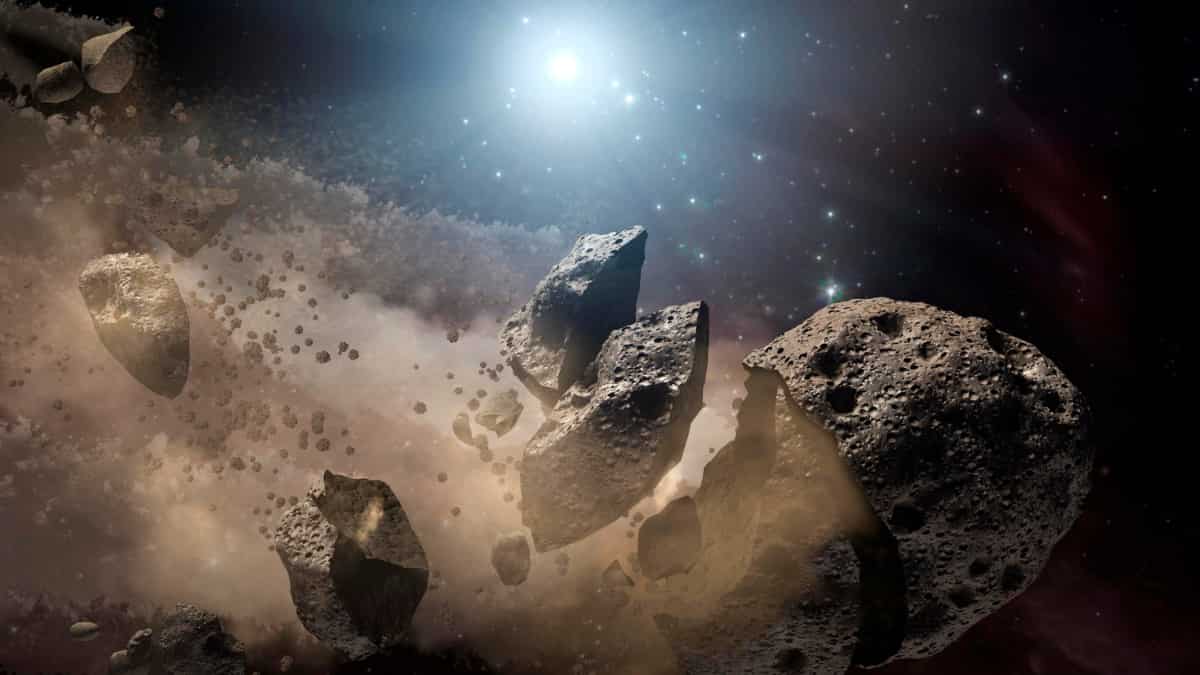
Asteroid representational image
NASA's latest asteroid alert is about an aeroplane-sized space rock hurtling towards Earth at a speed of 73,055 km/hr. The space agency has released a list of asteroids that will come close to our planet in the next 8-9 days. The biggest of these is the 220-foot (67 metre) asteroid named 2024 NF. It will make its closest approach to Earth on July 17.
Does it pose a danger to Earth?
As per NASA, only those space bodies that make an approach as close as 4.6 million miles and are bigger than 150 metresin size pose a danger. However, since asteroid 2024 NF is only about 67 metres in size, it is not going to cause any damage. Notably, the asteroid will come as close as three million miles, as per NASA's Jet Propulsion Laboratory data.

NASA regularly keeps an eye out for near-Earth objects that can pose a danger. There are four more asteroids that are going to come close to Earth in the coming days. But their sheer size means that they will not cause any harm.
Asteroid 2024 BY15 is approaching Earth on July 16 and will be 3.85 million miles from Earth at its closest point.
Asteroid 2024 NJ3 will be extremely close to Earth at 762,000 miles on July 17, but it is merely 47 feet in length.
&im=FitAndFill=(700,400))
National Film Awards 2026: Kartik Aaryan, Mammootty, Yami Gautam, Randeep Hooda and other key winners
)
The Verdict | Moral policing isn’t culture or discipline, it’s crime
)
‘Shame on you’: Netanyahu vows to ‘tell the truth’ about Mamdani at UN ahead of New York visit
)
ICC plans T20I expansion and fewer ODIs in 2027–2031 FTP cycle: Report
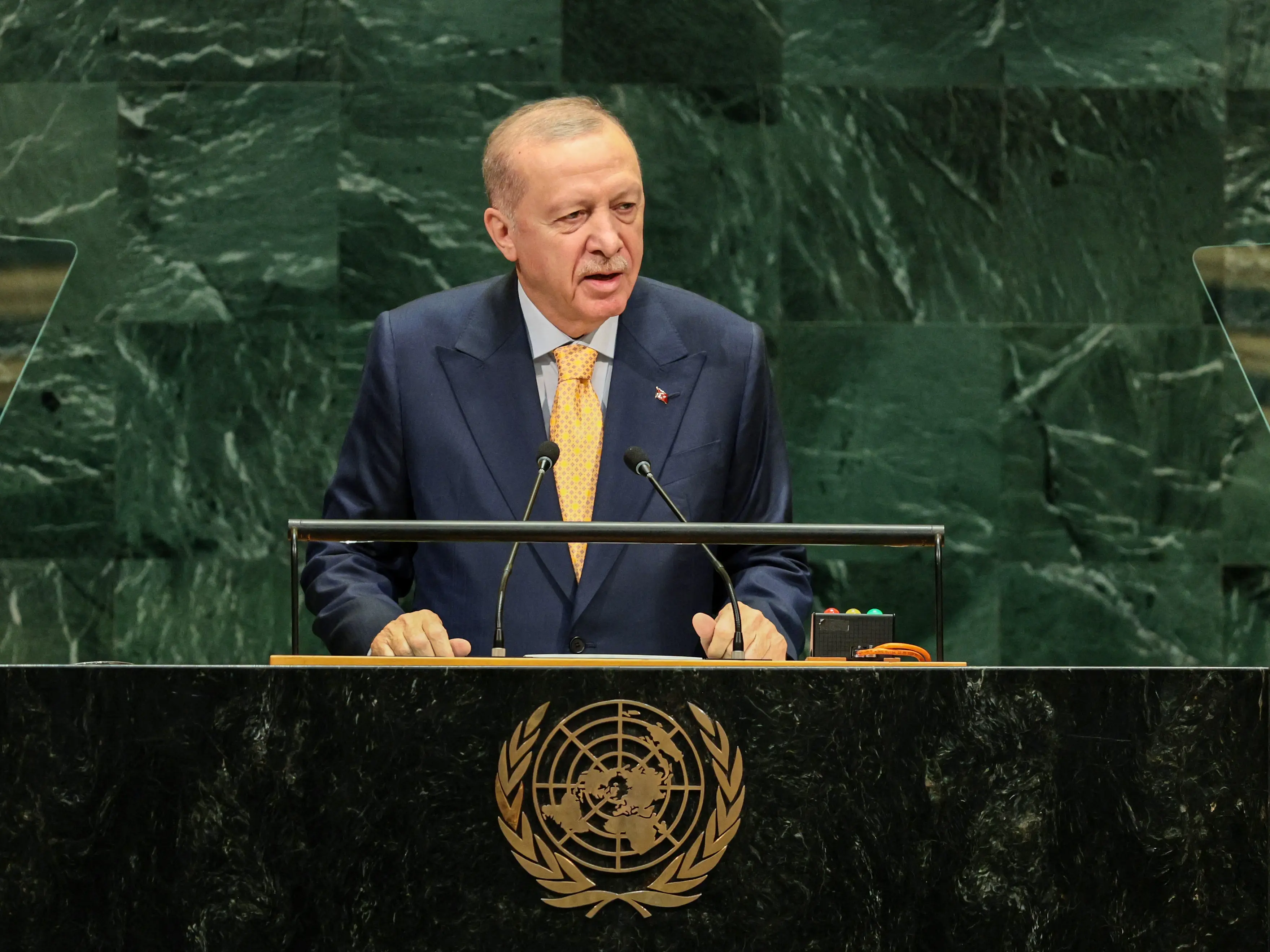)
Erdogan again raises Kashmir issue at UNGA, calls for dialogue under UN Charter
)
Trump revives India-Middle East-Europe economic corridor as India emerges central to West Asia’s future: What is it?
)
World leaders repeatedly call Gaza crisis ‘genocide’ as Israel’s war dominates opening sessions of UNGA
)
IIT Bombay professor Suryanarayana Doolla sent on leave amid Sahil Wakode death probe
)
American manufacturing is reshoring faster than its factory floors can absorb
)
'Mumma’s boy from Gwalior who dared to dream': Kartik Aaryan pens long note after first National Award win
)
'Our team opened the gate of gold medals': Harmanpreet Kaur on India’s Asian Games final win
)
US and China vie for AI dominance as calls grow for regulation | Gravitas
&im=FitAndFill=(700,400))
New OTT releases this week (September 21-27, 2026): Shaque: Trust No One, Hunkkaar, Don’t Be Shy- 5 new titles coming to Netflix, Prime Video and more
)
Four decades after leaving Kolkata, the Birlas may be coming back for more
)
WION Iconic Tourism Summit and Iconic Awards 2026: India's travel economy leaders gather in Delhi
)
IND vs JPN, one-off T20I: Japan captain Kendel on pushing India to the brink - ‘It was special’
)
Over 4,200 books withdrawn from circulation in J&K colleges, 94% from Kashmir
)
Raaka creates history! Allu Arjun’s film secures Guinness World Record ahead of release
)
Oil slips to $98 as Saudi Arabia restarts East-West oil pipeline
)
Who is Clavicular? The 20-year-old controversial 'Looksmaxxing' influencer charged with rape allegations
)
Trump calls on nations to quit ‘rogue’ and ‘out-of-control’ International Criminal Court, rips UN
)
Yemen clashes kill 154 people in two days as cornered Saudi battles Houthi offensive | Gravitas
)
WION Iconic Tourism Summit and Awards 2026: Key voices to discuss India’s tourism future
)
Bomb scare in New York amid UNGA: Suspicious suitcase found near UN headquarters
)
'This is normally what toddlers do': Why a psychiatrist is raising fresh questions about Trump’s recent behaviour
)
Gravitas | Boosting NHS productivity could save 20,600 lives in UK annually: Report
)
Trump signs Greenland security deal with Denmark, paving way for two new US military bases
)
Saudi Arabia exits China-led mBridge digital currency platform amid Saudi-Houthi conflict
72nd National Film Awards: Kartik Aaryan receives Best Actor honour for Chandu Champion in Gujarat
)
Glitch in the matrix caught on camera: Woman vanishes after talking to reporter
)
Explainer: Why rare-earth export licences and Board of Trade are US priorities ahead of Trump-Xi summit
)
Trump-Xi summit: From trade to Taiwan, what will the US and Chinese presidents discuss in Washington?
)
Key accused in Bihar's Jamui molestation case, arrested after police shoot him in leg
)
Justice eludes Air India 1985 bombing victims as Canada probe goes 'inactive' | Gravitas
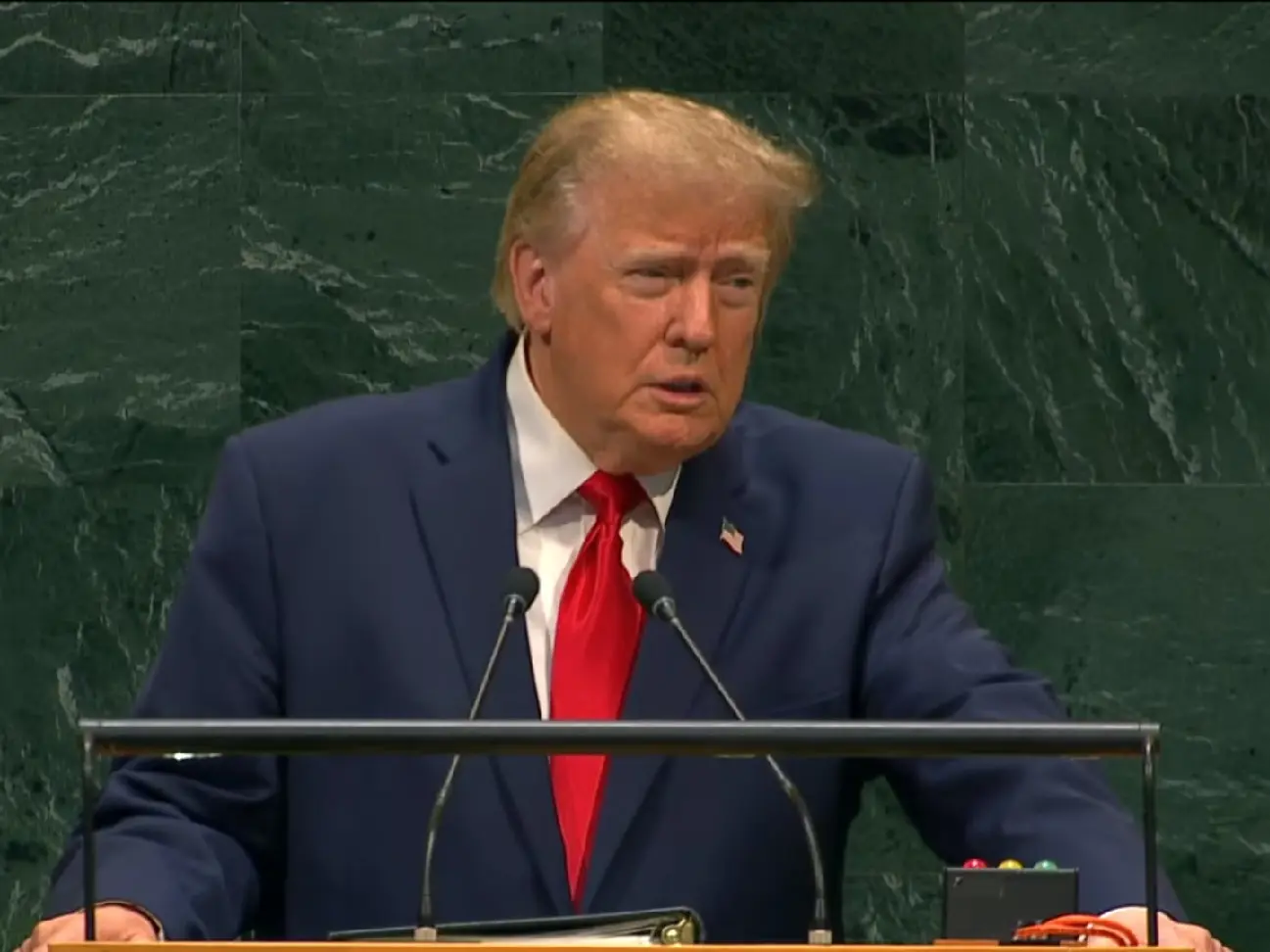)
‘Strike a deal or drive Iran into hell’: Trump issues fresh warning to Tehran at UNGA
)
Major League Soccer referee sacked for sexist comment about female match referee
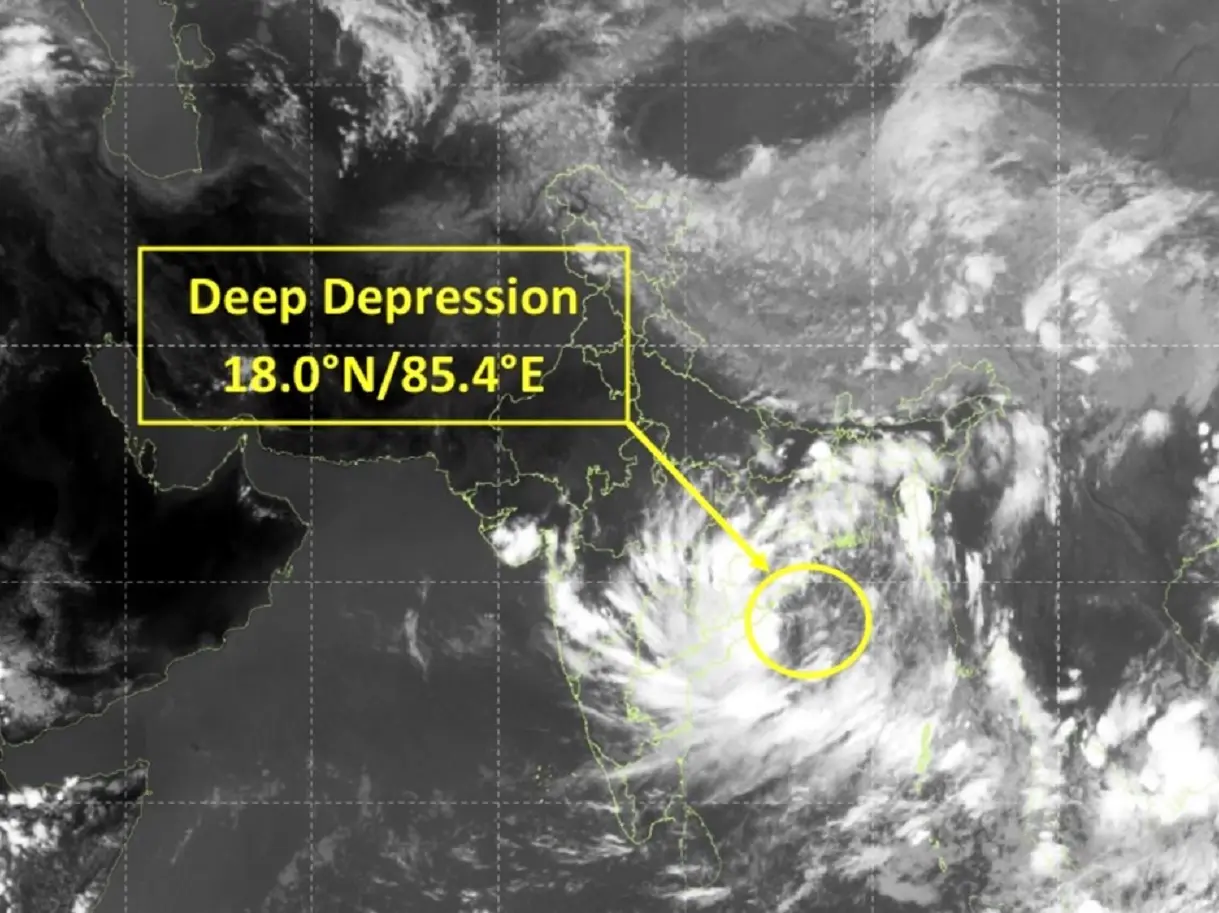)
Cyclone Arnab: Landfall expected before midnight tomorrow as IMD issues orange alerts across six states
On July 21, another asteroid will fly close by. Asteroid 2024 MG1, 55 metres in length, will be 2.64 million miles away from Earth.
Also Read:NASA shares stunning images of a space get-away captured by Webb and Chandra
Why does NASA monitor asteroids?
Asteroids have the ability to cause major destruction to planets. The space agency regularly keeps an eye on near-Earth objects which can be classified as hazardous based on criteria. Besides protecting the planet against any impending doom, monitoring asteroids also lets NASA study these celestial visitors. By learning about their movement and travel patterns, scientists can devise ways to create safety plans for the future in case a potentially hazardous asteroid threatens Earth.
The DART is one such mission which aims to destroy an asteroid in the event of it becoming a threat to our planet. As part of the mission, scientists hit an asteroid to better understand how an asteroid can be deflected in the future. The DART mission broke the asteroid into several pieces, many of which are likely to hit Mars.

