Argoland: This continent was lost 155 million years ago. We finally know where it is now

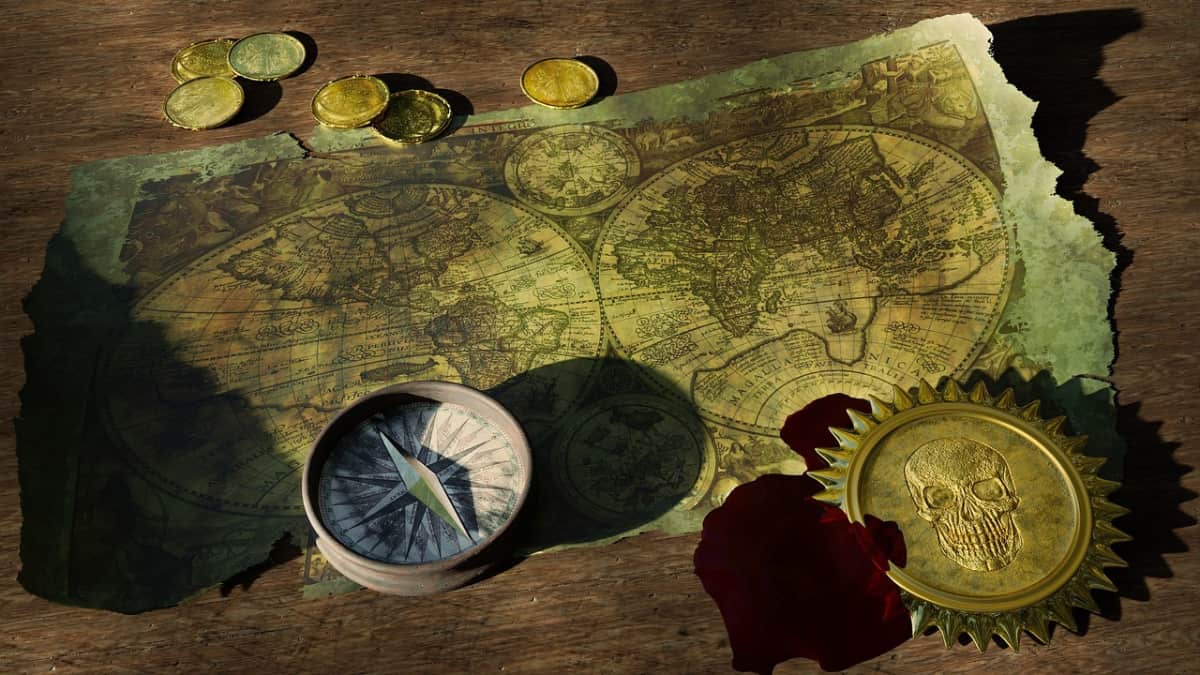
World map
When dinosaurs roamed the Earth, the planet looked different as there were supercontinents. The Pangea, Gondwana, and Pannotia were the three most recent supercontinents. A supercontinent is defined as a single landmass that contains at least 75 per cent of all land on Earth. Geologists believe that more supercontinents existed before these three - Nuna (or Columbia), Rodinia, and Ur.
A new study says that the continent of Argoland, which apparently vanished after splitting from Australia 155 million years ago, has finally been discovered. It formerly bordered northeastern Australia around 155 million years ago, during the Jurassic period.
When the division of the continent happens, it is typically marked by ancient fossils, minerals, and mountain ranges. However, scientists have been able to find out where Argoland had ended up.

This is a significant development as scientists for decades have been puzzled by the disappearance of Argoland, which is a massive 3,000-mile-long island.
The scientists are sure that it existed because of the 'void', which is also known as the Argo Abyssal Plain. It is left behind in the form of a basin hidden deep under the ocean.
)
Justice eludes Air India 1985 bombing victims as Canada probe goes 'inactive' | Gravitas
)
Trump revives India-Middle East-Europe economic corridor as India emerges central to West Asia’s future: What is it?
)
Erdogan again raises Kashmir issue at UNGA, calls for dialogue under UN Charter
)
Trump signs Greenland security deal with Denmark, paving way for two new US military bases
)
Most Americans want greater federal AI oversight
)
IND vs JPN T20I: How an overturned wide became point of difference between India's win and a tie
)
Trump-Xi summit: From trade to Taiwan, what will the US and Chinese presidents discuss in Washington?
)
Cyclone Arnab: Landfall expected before midnight tomorrow as IMD issues orange alerts across six states
)
ICC plans T20I expansion and fewer ODIs in 2027–2031 FTP cycle: Report
)
US-China tech war: Businesses in the front line
)
'Mumma’s boy from Gwalior who dared to dream': Kartik Aaryan pens long note after first National Award win
)
Gravitas | Boosting NHS productivity could save 20,600 lives in UK annually: Report
)
Nor'easter could batter 13 US states this week. What you should know
)
US and China vie for AI dominance as calls grow for regulation | Gravitas
)
Yemen clashes kill 154 people in two days as cornered Saudi battles Houthi offensive | Gravitas
)
Bomb scare in New York amid UNGA: Suspicious suitcase found near UN headquarters
)
IND vs JPN, one-off T20I: Japan captain Kendel on pushing India to the brink - ‘It was special’
)
Raaka creates history! Allu Arjun’s film secures Guinness World Record ahead of release
)
Mikel Arteta verbally agrees to three-year extension with Arsenal after title-winning Premier League season
)
WION Iconic Tourism Summit and Awards 2026: Key voices to discuss India’s tourism future
)
WION Iconic Tourism Summit and Iconic Awards 2026: India's travel economy leaders gather in Delhi
&im=FitAndFill=(700,400))
New OTT releases this week (September 21-27, 2026): Shaque: Trust No One, Hunkkaar, Don’t Be Shy- 5 new titles coming to Netflix, Prime Video and more
)
81st UN General Assembly: Burnham announces UK-US AI defence tie-up
)
Trump calls on nations to quit ‘rogue’ and ‘out-of-control’ International Criminal Court, rips UN
)
Infections transmitted from pregnant woman linked to autism risk
)
'What kind of confession is this?': Pakistan PM Shehbaz Sharif’s 'terrorists would be roaming New York' remark goes viral, raises alarm online. Watch
)
Elephants hide behind trees, stage surprise attack on poachers targeting rhinos in South Africa
)
IIT Bombay professor Suryanarayana Doolla sent on leave amid Sahil Wakode death probe
&im=FitAndFill=(700,400))
National Film Awards 2026: Kartik Aaryan, Mammootty, Yami Gautam, Randeep Hooda and other key winners
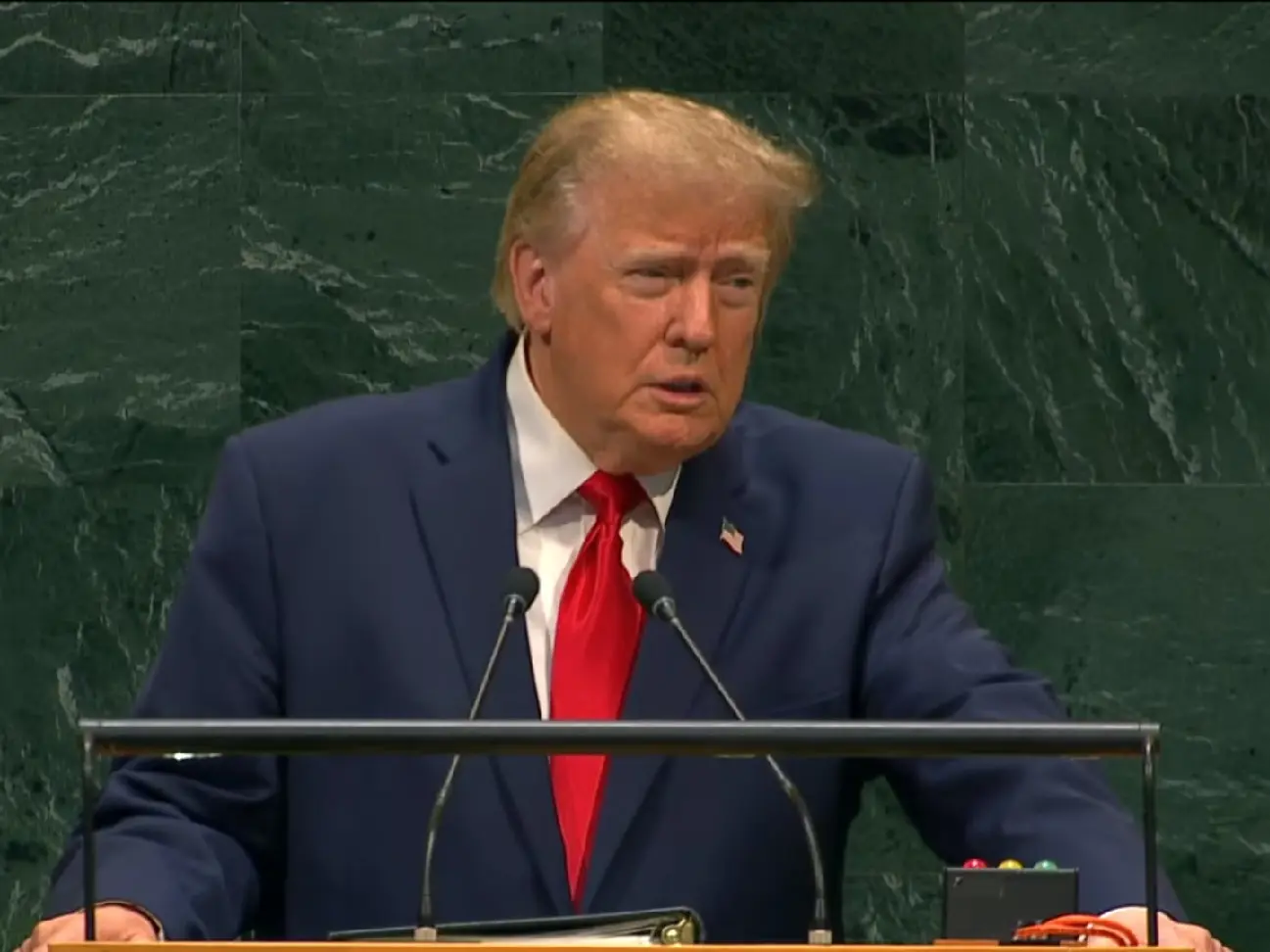)
‘Strike a deal or drive Iran into hell’: Trump issues fresh warning to Tehran at UNGA
)
Anne Hathaway to run in supporting race for Nolan's epic
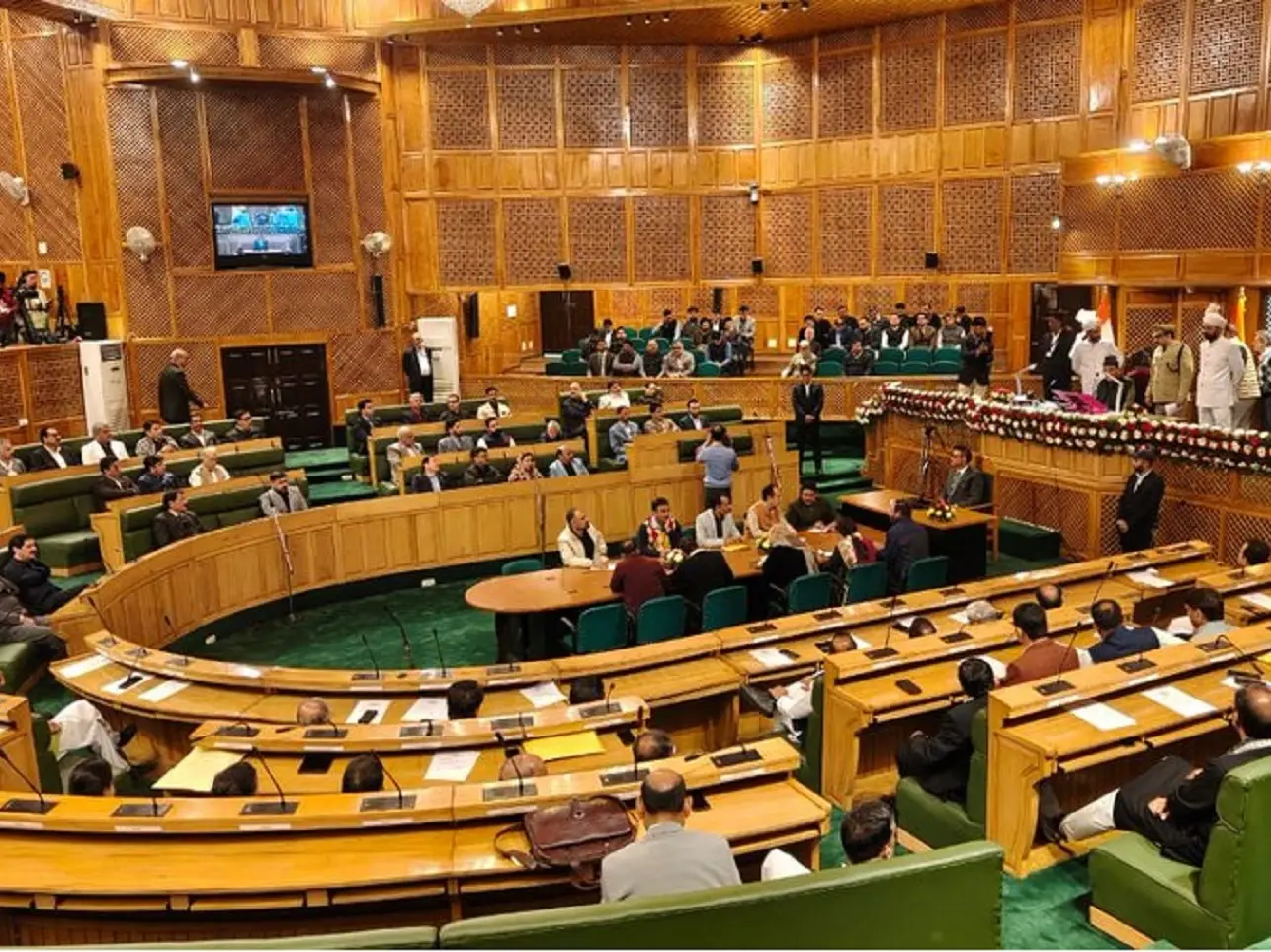)
Over 4,200 books withdrawn from circulation in J&K colleges, 94% from Kashmir
)
From Gaddafi tearing up UN Charter to Trump’s ‘escalatorgate’: Most unforgettable UNGA moments
)
Explainer: Why rare-earth export licences and Board of Trade are US priorities ahead of Trump-Xi summit
)
Asia prepares for record El Nino, food shock
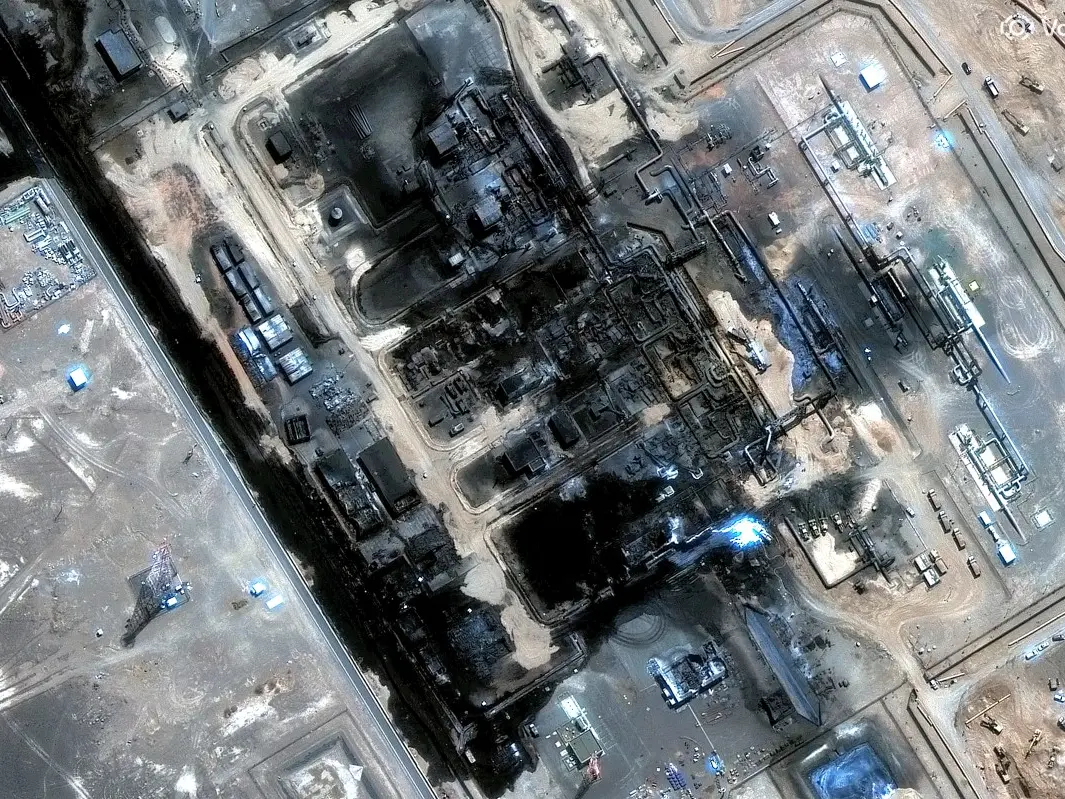)
Oil slips to $98 as Saudi Arabia restarts East-West oil pipeline
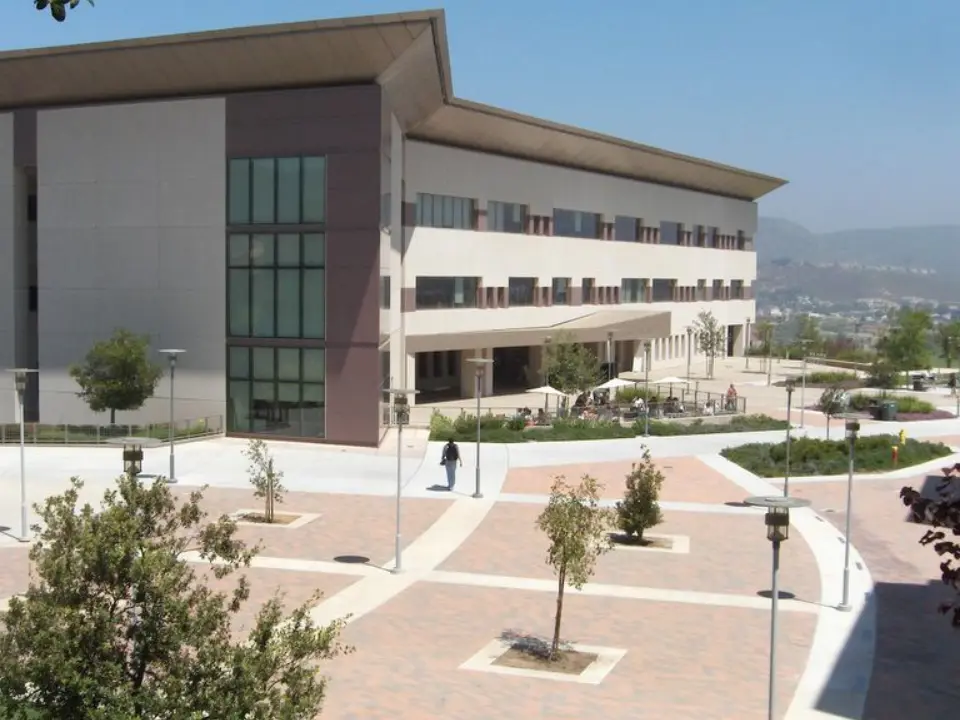)
Four female students raped during 'Red Zone' at California university. What we know
)
'Taiwan and human rights are red lines': China warns US ahead of Xi-Trump visit
The study said that the ruins which were scattered of this ancient landmass are buried beneath parts of Southwest Asian nations like Indonesia and Myanmar.
The team of researchers has answered the mystery of Argoland's disappearance using paleomagnetic observations.
Also read:Asteroid Dinky's moon continues to shock scientists as latest images make startling revelation
Eldert Advokaat and Douwe van Hinsbergen, the geologists at the University of Utrecht in the Netherlands, said that Argoland's crust began to splinter into what they call an "Argopelago" of smaller islands as early as 300 million years ago, when Antarctica, South America, Africa, Australia, and India were all part of a supercontinent Gondwana.
In the study published this month in Gondwana Research, the authors have said that they now "identified the Gondwana-derived blocks and mega-units of Southwest Borneo, Greater Paternoster, East Java, South Sulawesi, West Burma, and Mount Victoria Land as fragments that collectively may represent fragments of Argoland".
Watch:European Space Agency released first images taken by Euclid's telescope
As quoted by The Weather Channel, Advokaat, the lead author of the study, said: "The situation in Southeast Asia is very different from places like Africa and South America, where a continent broke neatly into two pieces." He added, "Argoland splintered into many different shards. That obstructed our view of the continent's journey."
In a call with Motherboard, Advokaat said that the "big thing is that we can now say that we know the amount of crust that was here, we know that it was really highly extended, and we can account for it in the geologic record that we find in Southeast Asia".
He said, "We don't lose continents without a trace. We can still find them and that means that we can still make reasonably reliable reconstructions of what the Earth looked like back in the deep geological past."
(With inputs from agencies)