An online doctor's appointment may miss out on your illness, research shows

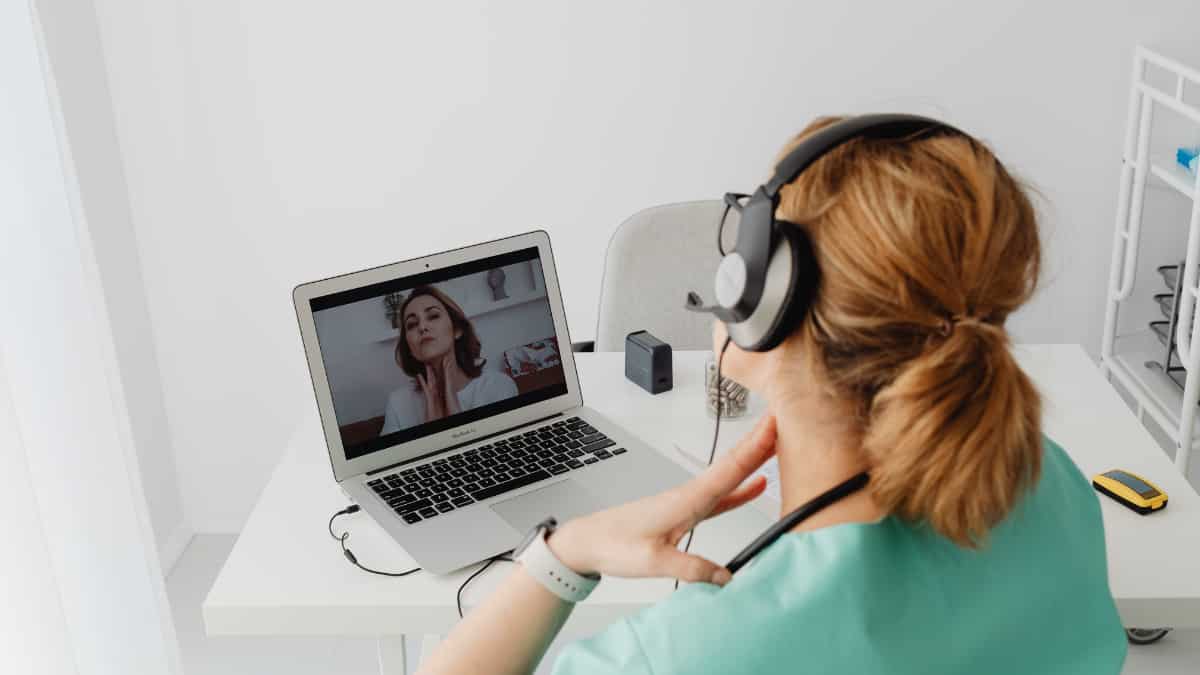
A representative image of a doctor during an online appointment | Pexels
A study in the United Kingdom has found that General Physician appointments online or over phone are prone to miss serious illnesses, consequently putting patients at risk.
The study was published in the BMJ Quality and Safety Journal. It reportedly considered data in terms of 95 UK safety incidents between 2020 and 2023 (including from during the Covid pandemic).
Risk of patients being underdiagnosed

The researchers said that it's not that physicians are at fault. That they rarely make mistakes during clinical examination of the patients. But there remains the risk of a patient to be underdiagnosed.
What are the errors that emerge from virtual/phoner medical appointments?
The researchers noted several errors made in relation to serious health conditions, such as genetic heart disease, sepsis and diabetic foot complications. This, the researchers added, "would likely have been readily diagnosed with an in-person examination".
)
Three labourers killed as DU student loses control of his car, rams into them on Dwarka Expressway
)
Pentagon revives mandatory testosterone testing for male troops aged 30 and above
)
FACT CHECK: Why did PM Modi ask Xi ‘is it okay’ at BRICS Summit? New video reveals...
)
India seeks to build a full semiconductor supply chain
&im=FitAndFill=(700,400))
From Abhishek Sharma to Sahil Chauhan, 5 batters with fastest T20I hundreds
)
Pyongyang dismisses US, western pressure over nuclear programme
)
US And Denmark reach Greenland deal, Trump announces expanded military presence
)
Google’s Gemini AI hacks real systems by guessing passwords during security test
)
US hiding troop deaths in Iran war? Toll higher than Pentagon count, claims report
)
China may have gained access to US's classified F-35 jets; parts meant for repairs diverted to Hong Kong, sparking Pentagon inquiry
)
NASA research plane reaches 61,000 feet over Panama
)
Godfather of AI Geoffrey Hinton gives US lawmakers a one-year warning on AI
)
Shivakumar attends 79th Kalyana Karnataka Utsav in Kalaburagi
)
Trump signs Russia sanctions law: India faces fresh 100% tariff threat over Russian oil
)
Brigitte Bardot’s private collection set for Paris auction; key items and prices revealed
)
Why Ranveer Singh’s Dhurandhar missed India’s Oscar entry; FFI jury member reveals what happened
)
‘Will go to any extent’: Pakistan vows to defend Saudi Arabia amid Houthi attacks
)
The Verdict | When precision fails: US commits war crime in Minab school strike, UN finds
)
Trump signs Russia sanctions bill into law, targets Moscow’s energy sector
&im=FitAndFill=(700,400))
New Friday OTT releases (September 18, 2026): Lust Stories 3, You+Me, Best of the Best- 8 new titles coming on Netflix, Prime Video and more
)
Fast bowler Brydon Carse faces no charges over Derby nightclub incident
)
Pak: A series of counter terrorism operations in Khyber Pakhtunkhwa
)
Flying cars in UAE: Ras Al Khaimah signs deal with Chinese company to test new transport
)
Africa is splitting, and a lot sooner than estimated, giving way to a new ocean
)
'Gangsta' crab shoves knife blade at man and his dog in Florida - Watch
)
Trump bans CNN, MS NOW and Politico from White House over ‘FAKE NEWS’
)
Trump 2.0: Dark days ahead for America’s ‘imperial presidency’
)
Trump's Greenland dream comes true? POTUS announces 'Infinite Life' deal with Denmark, claims permanent US control
)
Who is Khalilur Rahman? All you need to know about 81st UN General Assembly President
)
Tirupati Laddu ghee adulterated with chemicals, says ED, supplier arrested
)
IIT Bombay student dies by suicide, was caught seeking AI help during exams
&im=FitAndFill=(700,400))
Meet top 5 bowlers in latest ICC T20I rankings
)
Indian Cinema bets big on mythology, brings ancient stories to modern audiences
)
Ukraine plans record $109 bn defence spending, nearly two thirds of budget amid Russia war
)
Russia holds first parliamentary elections since the beginning of the Ukraine war
&im=FitAndFill=(700,400))
Meet top 5 Indian batters with fastest T20I centuries
It added: "Several safety incidents involved clinicians assuming that a diagnosis made on a remote consultation was definitive rather than provisional."
"Especially when subsequent consultations were remote, such errors could become ingrained, leading to diagnostic overshadowing and missed or delayed diagnosis."
The evidence of such errors, however, is anecdotal.
Also watch |Should the AI doctor see you now?
Even physicians contended that the health conditions are sometimes underplayed during virtual/phoner appointments.
General Physicians during the course of the study noted "poor rapport building" with the patients.
One General Physician was quoted as saying: "I’ve remembered one father that called up. Really didn’t seem to be too concerned."
"And was very much under-playing it and then when I did a video call, you know this child… had intercostal recession… looked really, really poorly. And it was quite scary actually that, you know, you'd had the conversation and if you'd just listened to what dad was saying, actually, you probably wouldn't be concerned.'"
What does it mean?
According to Professor Greenhalgh, chief investigator from the University of Oxford, the vast majority of remote clinical consultations in general practice are "safe".
"When safety incidents happen, organisational pressures and poor communication often play a major role," Professor Greenhalgh said in an official statement.
"This new research has identified more precisely where the risks lie and what measures we can take to reduce risks further."
(With inputs from agencies)