African scientist develops ‘gene drive tech’ that could wipe out malaria from continent

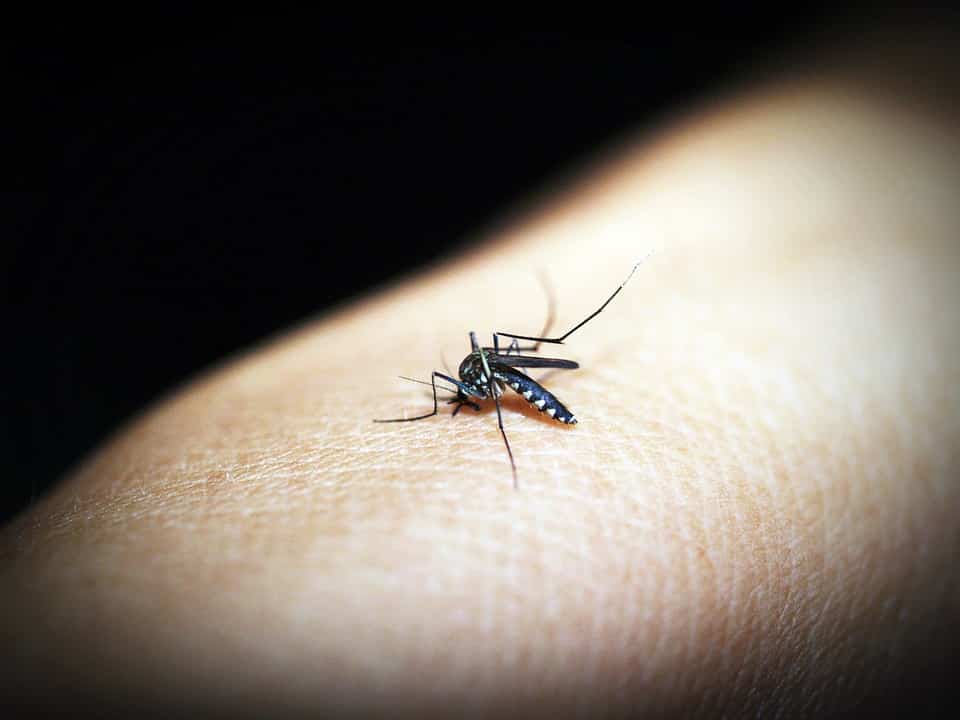
Malaria
An African scientist is working on a ‘gene drive technology’ that could potentially wipe out malaria or malaria-causing mosquitoes from the continent.
Abdoulaye Diabate, who was awarded the 2023 Falling Walls Prize for Science and Innovation Management for his research, is developing an innovative technique that can wipe out malaria-causing female mosquitoes by altering their genes.
What’s the technique?

Malaria is generally transmitted through the bite of female Anopheles mosquitoes, as male mosquitoes do not bite.
Under gene drive technology, female mosquitoes are prevented from producing new female offspring by releasing genetically modified male mosquitoes in the environment.
This would lead to the depletion of female mosquitoes, thus bringing down malaria causes throughout the continent.
)
Scientists detect first radio signals directly from faraway planet
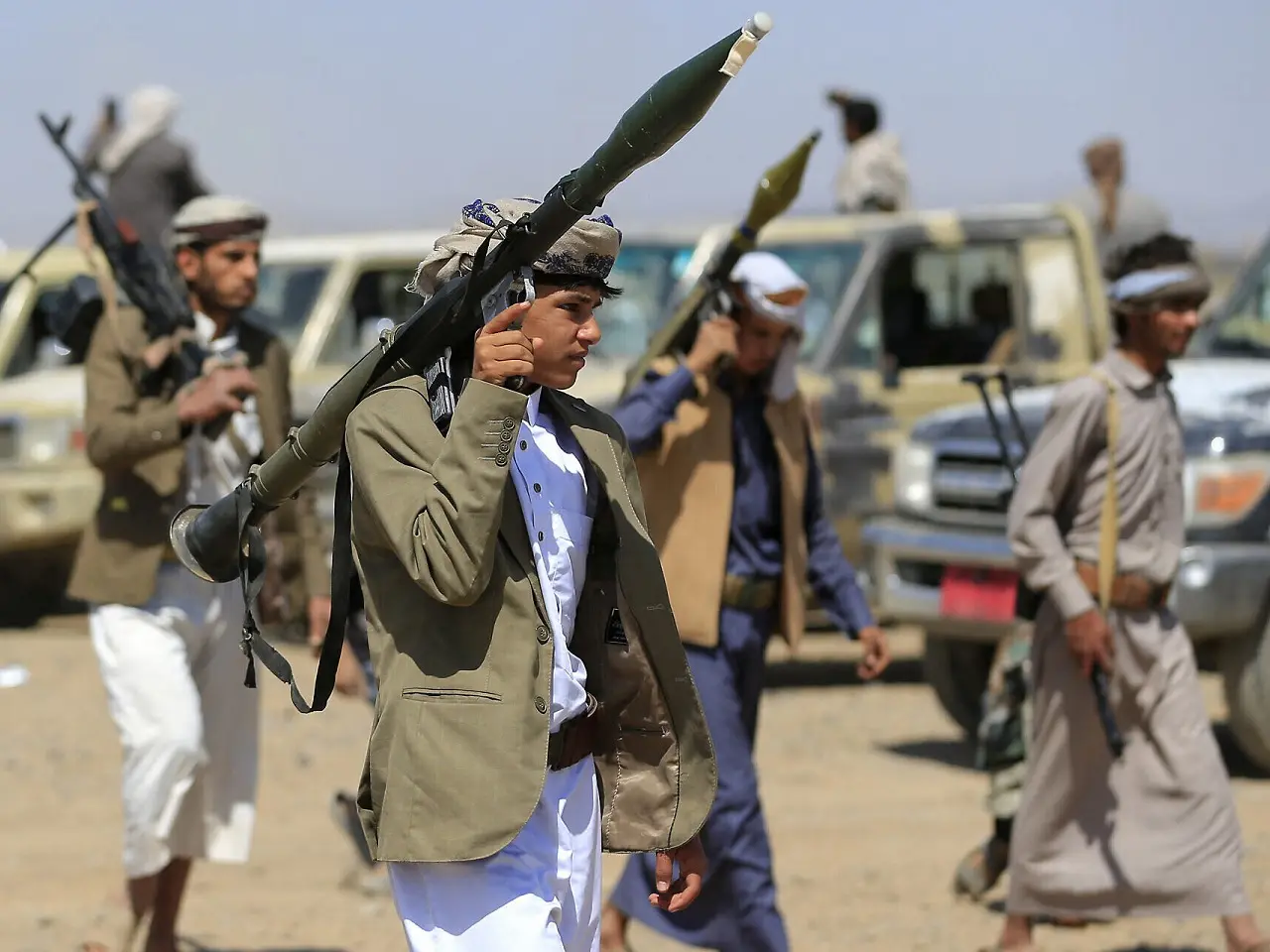)
Yemen called Trump for US military support in fight against Houthis: Official
)
IIT Bombay CCTV footage emerges: Sahil Wakode seen looking at phone in examination hall
)
'AI got into my speech': Prince Harry jokes after teleprompter failure at event in New York
)
Who is Lt-Gen Nauman Mahmood, Pakistan's first secretary general of Makkah Defence Alliance?
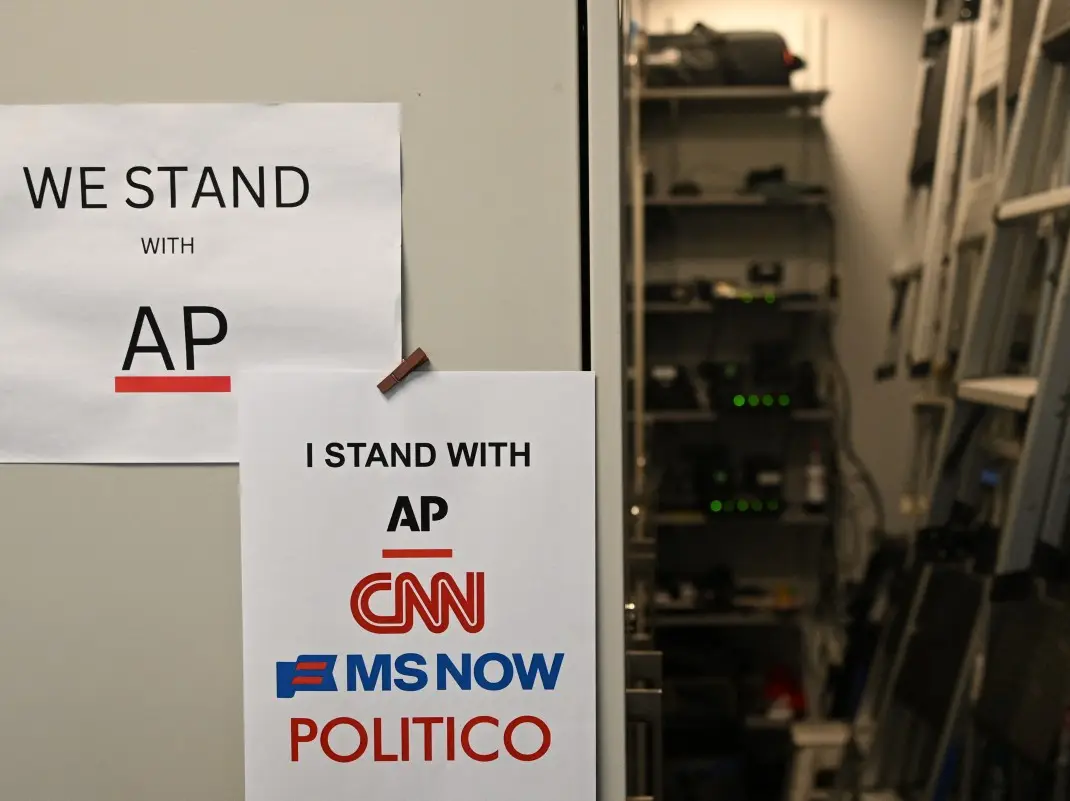)
US judge questions Trump’s decision to ban CNN, MS NOW and Politico from White House
)
'There will be elections': Venezuela's interim leader Delcy Rodriguez makes big announcement at UN
)
'We would all be dead': Netanyahu defends decision to strike Iran's nuclear facilities in his UN speech
)
Russia likely to target Spain, France and Italy in drone attacks, warns CIA: Report
)
US faces fresh cost crunch as mortgage rates hit 7%, oil tops $107 and gas prices surge
)
What’s on the menu? Inside Trump’s lavish White House state dinner for Xi
)
WION Iconic Tourism Summit 2026: Union Minister Shekhawat on 'experiential travel', peace diplomacy
)
'Fund people, not bombs': Hundreds take to New York streets as Netanyahu delivers speech at UN; dozens arrested
)
WION Iconic Tourism Summit: Is India's travel boom outrunning its airports, airlines and hotels?
)
Welcome actor Mushtaq Khan dies at 56 after battling cancer
)
Trump’s Board of Peace unveils $2.45bn Gaza plan,66 projects: But where’s the money?
)
Trump-Xi state dinner 2026: Who is invited? Full guest list of tech CEOs, business leaders and officials
)
WION Iconic Tourism Summit: How local tourism MSMEs must upskill for AI integration
)
CNN, Politico and MS NOW back in White House after judge blocks Trump’s media ban
)
Trump's welcome to Xi demonstrates 'attraction' to dictators: Chuck Schumer
)
EC appointment law: Why is the 2023 act controversial, and what happens next? WION explains
)
Forget the smartphone: This tiny gadget could be Meta’s answer to the post-smartphone era
)
US spy satellite from Cold War shatters 775 km above Earth
)
'What kind of confession is this?': Pakistan PM Shehbaz Sharif’s 'terrorists would be roaming New York' remark goes viral, raises alarm online. Watch
)
Italy hit by floods in the north, drought in the south
)
China to test supersonic jet that moves at Mach 2, double the speed of sound
)
Xi Jinping's 'special plane' vs Trump's Air Force One: What's the difference?
)
'Partners rather than rivals': Xi Jinping's first message after landing in US for Trump summit
)
WATCH | China President Xi Jinping lands in US as Trump greets him ahead of high-stakes summit
)
Australian PM Anthony Albanese calls OpenAI AI incident 'unacceptable' after restricted data access
)
What’s in a name? Trump’s 'Lake America' move gets a tit-for-tat response from Canada
)
'Making history': Xi Jinping praises Trump as US-China leaders dine at White House
)
Israeli envoy to US Yechiel Leiter’s son critically injured in West Bank ramming attack
)
Cyclone Arnab: Landfall expected before midnight tomorrow as IMD issues orange alerts across six states
)
2,000-foot tube, laser tests and more: China builds towns to expand nuclear arsenal, satellite images show
)
‘Not just a local tragedy’: Nepal PM Shah warns UN of growing climate threat, says Nepal floods were 'a warning to the world'
)
Meet Adrian Abraham: 9-year-old Indian-origin guitar prodigy aiming for a Guinness World Record
)
Mumbai Indians appoint Luke Williams as head coach for Women’s Premier League
)
Property registration becomes faster, convenient as model sub-registrar offices open in Maharashtra
&im=FitAndFill=(700,400))
Netanyahu at UN: Mass walkout, attack on Mamdani and Iran threats | In Pics
“When the (gene-edited) mosquitoes are released in the field … they will spread across the entire mosquito population and cut malaria transmission right away,” the scientist from Burkina Faso was quoted as saying by CNN.
Watch:Gravitas | Russia's Wagner group brings Putin a fortune from the African gold trade
“The genetically modified mosquitoes are the ones to do the job for you … unlike the other (malaria control) interventions where humans run from place to place to deliver,” he added.
He also said that the method was more sustainable as well as budget-friendly.
However, Abdoulaye Diabate said that the technology could still take many more years to be ready for rolling out.
Africa’s malaria problem
Africa shoulders the world’s largest malaria burden, with the continent constituting 96 per cent of the total 619,000 deaths worldwide in 2021.
According to the WHO’s latest data, of those 96 per cent, 80 per cent of deaths occurred in children aged under five.
According to Diabate, developing innovative malaria-controlling tools was the only way to deal with this menace.
“Although bed nets are doing a fantastic job … we now have widespread insecticide resistance in the different species of mosquitoes, specifically those that are transmitting malaria,” he was quoted as saying.
Concerns
Despite the technology being touted as the promising one, health authorities around the world have pointed out ecological concerns that may emerge.
Some advocacy groups are vehemently opposing the technology, saying its impact on the ecosystem may never be predicted.
“Every living creature, even if it appears dangerous or harmful to humans, fulfills important tasks in its habitat. The extermination or even manipulation of a species will therefore have consequences for the entire ecosystem,” warned German-based advocacy group Save Our Seeds (SOS) on its website.
(With inputs from agencies)