3-minute Fastball test may detect Alzheimer’s years before symptoms

&imwidth=600&imheight=450&format=webp&quality=medium "3-minute Fastball test may detect Alzheimer’s years before symptoms")
3-minute Fastball test may detect Alzheimer’s years before symptoms Photograph: (X)
A simple three‑minute brainwave test, called Fastball, may flag early memory decline linked to alzheimer’s years before symptoms appear. It works in homes using eeg while viewing flashing images. Read on to see how this breakthrough could change early detection.
Researchers at the University of Bath have developed a simple brainwave test that could detect Alzheimer’s disease years before symptoms appear. The test takes just three minutes and requires no invasive procedures or complex equipment.
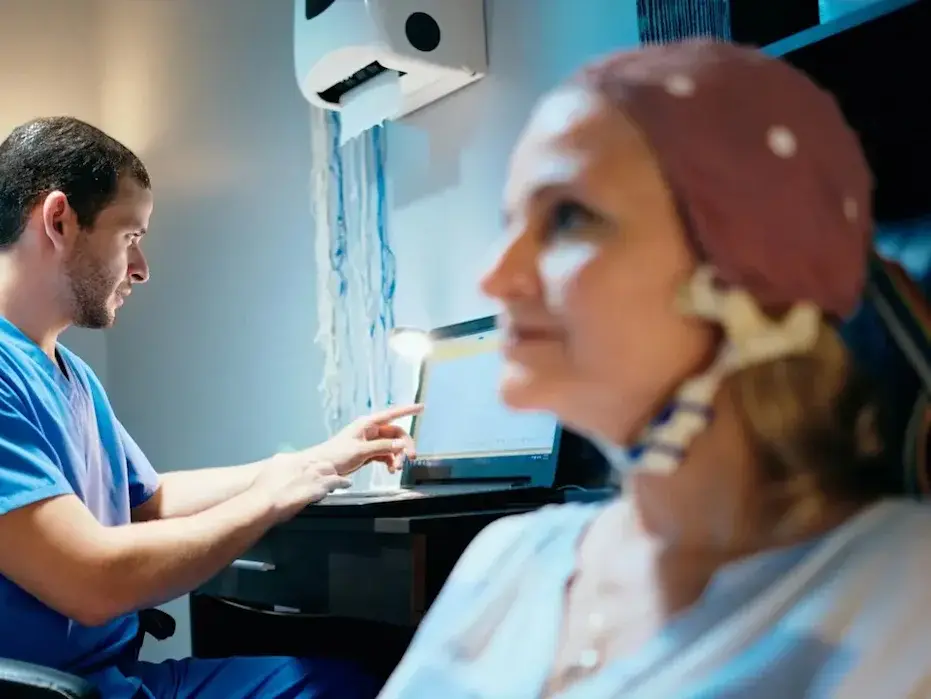
According to the university’s study, published in Alzheimer’s Research & Therapy, the method works by measuring a person’s brain activity while they watch a series of flashing images on a screen. This process records how the brain responds to visual information and can highlight early signs of the disease.
Dr George Stothart, the lead researcher, said this could bring “peace of mind” to millions of families by allowing early diagnosis and treatment planning.
How the Test Works
Alzheimer’s disease often develops slowly, with changes in the brain starting 10 to 15 years before memory loss and confusion appear.
In this new approach, electrodes placed on the scalp capture electrical signals from the brain. People taking the test simply sit back and focus on a screen while the data is recorded.
Trending Stories
)
)
)
)
)
)
)
)
)
)
)
)
)
)
)
)
)
)
)
)
)
)
)
)
)
)
)
)
)
)
)
&im=FitAndFill=(700,400))
)
)
)
)
)
)
Researchers explained that people with early Alzheimer’s show subtle differences in their brainwave patterns. The test can detect these differences without requiring participants to answer questions or perform tasks, making it ideal for older adults or those already showing mild symptoms.
Why Early Detection Matters
Early diagnosis is crucial for managing Alzheimer’s, a disease that affects over 55 million people worldwide, according to the World Health Organization (WHO).
If identified early, patients can begin medication, make lifestyle changes, and plan for future care. Families also benefit by understanding what to expect and seeking support sooner.
Dr Stothart added that this passive test is simple and affordable, meaning it could one day be part of routine health checks. More trials are planned to confirm its accuracy and determine how it can be rolled out in hospitals and clinics.
A Step Forward in Alzheimer’s Research
While there is currently no cure for Alzheimer’s, breakthroughs like this give hope that better care and treatments are possible.
The University of Bath team believes that combining this brainwave test with other screening tools could transform how doctors diagnose and treat the condition worldwide.
