

&imwidth=800&imheight=600&format=webp&quality=medium "'SpaceX IPO': How Elon Musk is set to strengthen control after listing")
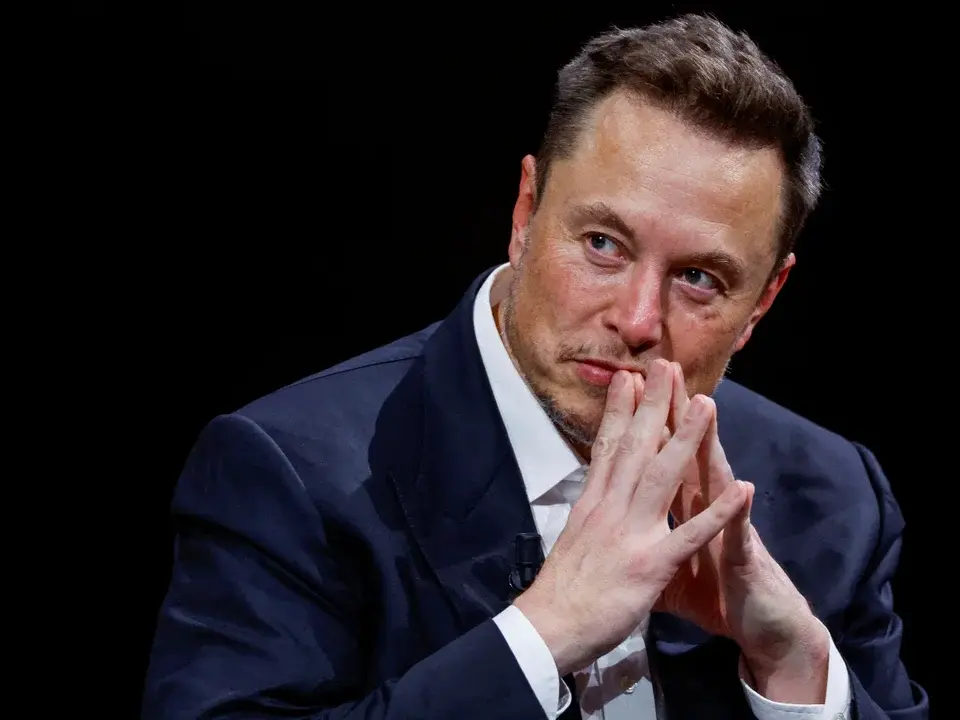
As SpaceX moves closer to a public listing, new details reveal how Elon Musk is likely to retain and in some ways increase his control over the company.
According to the company’s IPO filing, Musk will continue to hold a dominant position even after SpaceX becomes a publicly traded firm, raising important questions for future investors.
Musk’s control will remain above 50%
Even after the IPO, Musk is expected to retain more than 50 per cent of voting power, ensuring that he remains in full control of key decisions.
He will continue to serve as CEO, CTO and chairman, giving him authority across both management and governance.
This means Musk will be able to:
Trending Stories
&im=FitAndFill=(700,400)&imwidth=180&imheight=135&format=webp&quality=medium)
What is the real meaning behind Pete Hegseth's tattoos?
&imwidth=180&imheight=135&format=webp&quality=medium)
India-US ties: Marco Rubio seeks India's oil & energy co-operation Ad Ad options Learn more
&imwidth=180&imheight=135&format=webp&quality=medium)
SBI confirms data breach: 3,897 records flagged on dark web. Is your money safe?
&imwidth=180&imheight=135&format=webp&quality=medium)
Man marries off wife of 17 years to her lover in Uttar Pradesh
&imwidth=180&imheight=135&format=webp&quality=medium)
Boeing 737 MAX10 gets FAA certification, deliveries expected to begin in 2027
&imwidth=180&imheight=135&format=webp&quality=medium)
Shastri backs Shami comeback; lauds Bhuvi and warns Bumrah on format workload ahead of World Cup
&imwidth=180&imheight=135&format=webp&quality=medium)
US midterms 2026: Red seats once deemed safe now appear shaky as Republicans spend big on ads
&imwidth=180&imheight=135&format=webp&quality=medium)
WATCH | Albania protesters set Supreme Court on fire as anti-Rama riots escalate
&imwidth=180&imheight=135&format=webp&quality=medium)
'Tap dancing through a minefield': Musk backs SpaceX-Tesla merger as AI boom fuels rocket firm's first profit
&imwidth=180&imheight=135&format=webp&quality=medium)
Dandiya Nite ’26: Indian High Commissioner hails diaspora as bridge between India and Nigeria
&imwidth=180&imheight=135&format=webp&quality=medium)
Trump says Ilhan Omar 'could go to jail' amid federal probe, calls Somalia a 's***house'
&imwidth=180&imheight=135&format=webp&quality=medium)
Punjab CM Bhagwant Mann allegedly detained for three hours at Delhi airport, fined ₹50,000: AAP
&imwidth=180&imheight=135&format=webp&quality=medium)
What the Mecca Joint Defence Agreement says about withdrawal and military support. Read full text of the pact here
&imwidth=180&imheight=135&format=webp&quality=medium)
Musk ordered Starlink restrictions that caught Ukraine off guard amid escalating tensions: Report
&imwidth=180&imheight=135&format=webp&quality=medium)
India vs New Zealand T20I Series 2026: Complete schedule, match timings, squads and live streaming details
&imwidth=180&imheight=135&format=webp&quality=medium)
Trump calls Le Pen France’s ‘conservative voice’ after riots, but holds back on endorsement
&imwidth=180&imheight=135&format=webp&quality=medium)
Trump considers removing White House press corps to restore historic indoor swimming pool
&imwidth=180&imheight=135&format=webp&quality=medium)
Ukrainian soldier rescued by a drone chopped off own leg while hiding for 491 days
&imwidth=180&imheight=135&format=webp&quality=medium)
US-Iran war | Tehran: Must end port blockade, oil sanctions and regional attacks
&im=FitAndFill=(700,400)&imwidth=180&imheight=135&format=webp&quality=medium)
Priyanka Chopra to Shilpa Shetty: 6 Bollywood actresses and their fitness secrets
&imwidth=180&imheight=135&format=webp&quality=medium)
'US will never part with niche technology' former IAF assistant chief on India's fighter jet ambitions
&imwidth=180&imheight=135&format=webp&quality=medium)
Pujara says 'Samson and Vaibhav cannot be in Playing XI' for India on NZ tour
&imwidth=180&imheight=135&format=webp&quality=medium)
'What's wrong with you? Are you a sick person?': Trump at it again as he snaps at reporters, faces backlash
&imwidth=180&imheight=135&format=webp&quality=medium)
Over 100 US lawmakers urge FBI to probe foiled Hindu temple shooting as hate crime
&im=FitAndFill=(700,400)&imwidth=180&imheight=135&format=webp&quality=medium)
New OTT releases this week (October 19-25, 2026): Gajab Raat to Chaar Yaar-8 titles to watch during Dussehra week on Netflix, Prime Video and more
&imwidth=180&imheight=135&format=webp&quality=medium)
Ukrainian drone airlifts wounded soldier in what is likely a world first
&imwidth=180&imheight=135&format=webp&quality=medium)
Trump says he wants Zelensky to 'make a deal' with Russia, asks Putin to release American prisoner Stephen Hubbard
&imwidth=180&imheight=135&format=webp&quality=medium)
The Verdict | Trump, Putin and Xi: A superpower triangle that could reshape global diplomacy
&imwidth=180&imheight=135&format=webp&quality=medium)
India moves to buy 10,000 more AI chips for a national compute pool open to startups
&imwidth=180&imheight=135&format=webp&quality=medium)
'They are not even telling us' - Mysterious metallic object discovered in Minnesota field
&imwidth=180&imheight=135&format=webp&quality=medium)
Cattle-feed bran in biscuits, detergent in milk: FSSAI acts against 3 companies
&imwidth=180&imheight=135&format=webp&quality=medium)
US midterms 2026: With Republicans spending big, Bloomberg opens his wallet for Democrats. Here's how much he is pouring
&imwidth=180&imheight=135&format=webp&quality=medium)
Iran rejects US talks until demands are met, rules out moving enriched uranium out of the country
&imwidth=180&imheight=135&format=webp&quality=medium)
Feds obtain DNA evidence that could prove Ilhan Omar married her brother: Report
&imwidth=180&imheight=135&format=webp&quality=medium)
Ramayana advance booking: Ranbir Kapoor, Yash's film cross $500K ahead of Diwali release
Appoint board members
Approve major decisions
Maintain long-term strategic direction
In practical terms, this structure makes it difficult for shareholders to influence company decisions.
Dual-class shares strengthen voting power
SpaceX uses a dual-class share structure, where certain shares carry higher voting rights.
Musk holds a large portion of these super-voting shares, giving him far greater influence than regular shareholders.
Public investors will mainly receive Class A shares, which come with lower voting power. This creates a gap between ownership and control.
Such structures are already used by companies like Google and Meta, but experts say SpaceX’s model goes further in concentrating power.
Limits on shareholder rights
The IPO filing outlines several restrictions on shareholder influence.
The company states that investors may have limited ability to:
Influence corporate decisions
Challenge management legally
Elect directors independently
In addition, SpaceX has structured its legal framework in a way that makes shareholder lawsuits more difficult.
For example, investors would need to hold at least 3 per cent of shares to file certain types of legal claims. At current valuation estimates, this could require tens of billions of dollars in holdings.
Texas incorporation adds legal protection
SpaceX has chosen to incorporate in Texas, which offers a different regulatory environment compared to states like Delaware.
The company has also included provisions that direct most legal disputes to specific courts or arbitration systems.
Experts say this reduces the likelihood of legal challenges against management decisions.
Stock market dynamics may support valuation
The company is expected to be added quickly to major stock indexes such as the Nasdaq 100 after listing.
This could lead to increased demand from institutional investors, as index funds are required to buy shares of companies included in these benchmarks.
As a result, early trading may see strong demand, which could support the stock price in the initial phase.
Additional financial advantages for Musk
Musk has also been granted a compensation package that includes 1 billion additional shares, tied to long-term performance goals.
Even before these shares fully vest, he is allowed to:
Vote using these shares
Use them as collateral for loans
This provides financial flexibility and additional influence over the company.
What this means for investors
The SpaceX IPO offers an opportunity to invest in one of the world’s most valuable private companies. However, the structure means that public shareholders will have limited control. Investors may benefit from the company’s growth, but decision-making will remain concentrated with Musk.
What happens next
Further details about pricing and share allocation are expected closer to the IPO date.
The listing is likely to attract strong interest from global investors, but attention will remain on how the company balances growth with governance.
The SpaceX IPO highlights a broader trend in technology companies, where founders retain strong control even after going public.
