

&imwidth=800&imheight=600&format=webp&quality=medium "'$1.7 trillion valuation': Who will win big from SpaceX’s listing?")
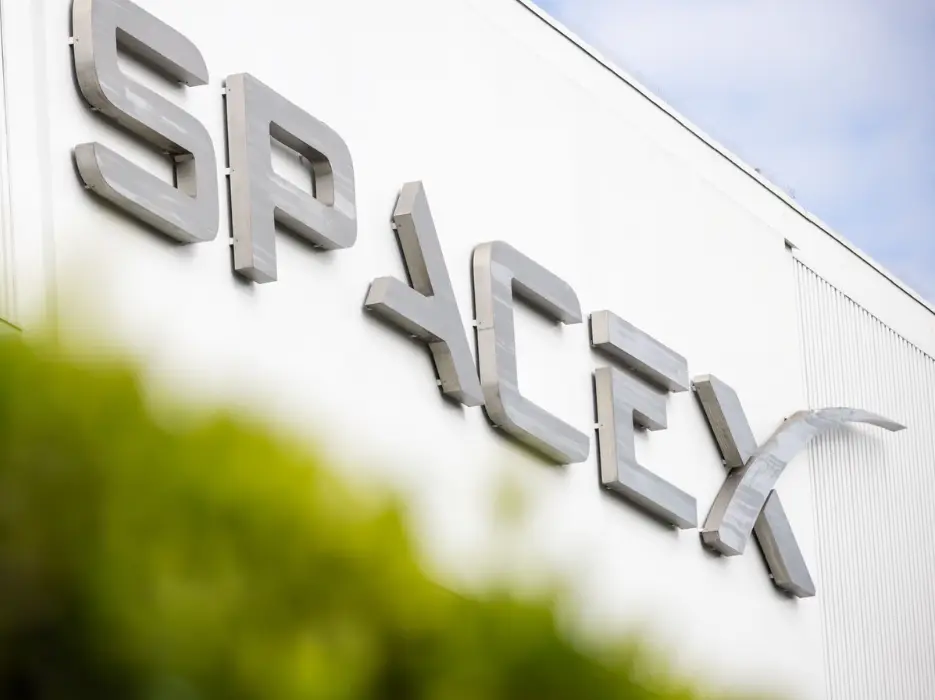
As SpaceX prepares for a potential public listing, new disclosures highlight who stands to benefit the most from the company’s initial public offering (IPO). The filings show that Elon Musk remains the dominant shareholder, with a level of control that sets him apart from other investors.
According to details from the company’s S-1 filing, Musk holds a significant majority of voting power, giving him control over key decisions even after the IPO.
Elon Musk’s dominant stake explained
Musk owns more than 6.4 billion shares in total, including:
Around 850 million Class A shares (one vote per share)
Nearly 5.6 billion Class B shares (10 votes per share)
Trending Stories
&imwidth=180&imheight=135&format=webp&quality=medium)
Christa Pike wakes after failed execution, asks 'Where am I and who are you?'
&imwidth=180&imheight=135&format=webp&quality=medium)
Narendra Modi Stadium bomb threat declared hoax; India & Australia U19 squads safe
&imwidth=180&imheight=135&format=webp&quality=medium)
Christa Pike 'angry' and 'confused' after failed execution; judge orders to preserve evidence
&imwidth=180&imheight=135&format=webp&quality=medium)
Trump to honour Elon Musk, Sergey Brin and Jensen Huang with top science honour at White House. Check the full list here
&imwidth=180&imheight=135&format=webp&quality=medium)
Trump's naked 23-karat gold statue unveiled near European Parliament
&imwidth=180&imheight=135&format=webp&quality=medium)
Sri Lankan Tamil worker gets death sentence in Saudi Arabia over blasphemy, calls for pardon intensify
&imwidth=180&imheight=135&format=webp&quality=medium)
‘You earned that love’: Messi’s wife shares heartfelt message as football icon bids farewell to international stage
&imwidth=180&imheight=135&format=webp&quality=medium)
US midterms 2026: Why the Latino vote could shape control of Congress
&imwidth=180&imheight=135&format=webp&quality=medium)
Thai Actors Fourth Nattawat, Gemini Norawit face racism accusations from Indian fans over viral Bollywood act
&imwidth=180&imheight=135&format=webp&quality=medium)
'We don't think so': Trump says Russian plague lab worker's death not linked to bio-weapon
&im=FitAndFill=(700,400)&imwidth=180&imheight=135&format=webp&quality=medium)
World’s top vehicle producers: Top 10 countries making the most cars. Check where India stands
&imwidth=180&imheight=135&format=webp&quality=medium)
Atlantic hurricane Isaias could make landfall as a strong Category 2 storm, tornado warnings issued
&imwidth=180&imheight=135&format=webp&quality=medium)
A Love Other Than Yours: The temptation to cheat and what pushes people over the edge
&imwidth=180&imheight=135&format=webp&quality=medium)
Captain Smit Machchhar on feet again, walks 10 steps as recovery continues after Flydubai flight attack
&imwidth=180&imheight=135&format=webp&quality=medium)
Mall of America attack: FBI arrests man over alleged ISIS-inspired mass shooting plot with AK-47 and 200 rounds
&imwidth=180&imheight=135&format=webp&quality=medium)
Veteran actor Nana Patekar dies at 75 after suffering cardiac arrest
&imwidth=180&imheight=135&format=webp&quality=medium)
Nicolas Maduro, wife likely to face new charges over alleged torture of US citizens: Report
&imwidth=180&imheight=135&format=webp&quality=medium)
France holds talks with Taliban government amid diplomatic outreach
&imwidth=180&imheight=135&format=webp&quality=medium)
Ronaldo sends 'a hug' after Messi says he misses 'wearing the blue and white'
&imwidth=180&imheight=135&format=webp&quality=medium)
US readying to strike Iran? Report suggests Trump preparing to put on show of strength ahead of US midterms
&imwidth=180&imheight=135&format=webp&quality=medium)
Who is DogeDesigner? All we know about the X account that sparked India-Musk-Starlink ‘oligarchs’ controversy
&im=FitAndFill=(700,400)&imwidth=180&imheight=135&format=webp&quality=medium)
US midterms 2026: 10 leaders and candidates to watch in the battle for Congress
&imwidth=180&imheight=135&format=webp&quality=medium)
‘Team first and team ahead’: India coach Gambhir pens heartfelt wish for chief selector Ajit Agarkar
&imwidth=180&imheight=135&format=webp&quality=medium)
Shia LaBeouf and Mia Goth head for divorce after nearly 10 years
&imwidth=180&imheight=135&format=webp&quality=medium)
Texas man executed by lethal injection; first US execution since botched Christa Pike execution
&imwidth=180&imheight=135&format=webp&quality=medium)
Nana Patekar's #MeToo controversy: From Tanushree Dutta’s allegations to court ruling
&imwidth=180&imheight=135&format=webp&quality=medium)
Nigerian President Bola Ahmed Tinubu hails Modi’s 25-year leadership milestone, calls for deeper Nigeria-India strategic ties
&imwidth=180&imheight=135&format=webp&quality=medium)
Nana Patekar: Remembering a legend of the Indian cinema
&imwidth=180&imheight=135&format=webp&quality=medium)
BTS agency HYBE announces first-ever Weverse Con Festival in India
&imwidth=180&imheight=135&format=webp&quality=medium)
Lightning strikes IndiGo Patna-Lucknow flight at 17,000 feet, damages nose; all 110 safe
&imwidth=180&imheight=135&format=webp&quality=medium)
France protests: How a Gen Z school movement turned into a political war | The Verdict
&imwidth=180&imheight=135&format=webp&quality=medium)
'Baseless and misconceived': India issues statement after Elon Musk's 'oligarchs' claim over Starlink delay
&imwidth=180&imheight=135&format=webp&quality=medium)
Trump distances himself from senior political advisers over work for pro-Russian government
&imwidth=180&imheight=135&format=webp&quality=medium)
IndiGo flight struck by lightning at 17,000 feet, nose of Patna-Lucknow flight damaged
&imwidth=180&imheight=135&format=webp&quality=medium)
Musk alleges ‘oligarchs’ blocking Starlink in India, here is what we know so far
&imwidth=180&imheight=135&format=webp&quality=medium)
US Midterms 2026: Barack Obama hits campaign trail to boost Democratic candidates
This dual-class share structure gives Musk overwhelming voting power. Reports suggest that even additional shares linked to long-term targets, such as future Mars missions, do not materially change his already strong control.
This means Musk is likely to remain the key decision-maker even after SpaceX becomes a public company.
Who else benefits from the IPO
Apart from Musk, a small group of insiders and early investors also hold significant stakes.
These include:
Antonio Gracias, investor and board member, with over 503 million shares
Luke Nosek, investor, with nearly 33 million shares
Gwynne Shotwell, COO, with around 12.6 million shares
Bret Johnsen, CFO, with nearly 9.6 million shares
These individuals are among the largest shareholders after Musk and could see substantial gains if the IPO performs well.
Estimated valuation and potential gains
Market estimates suggest that the SpaceX IPO could raise around $75 billion, with a possible valuation of $1.7 trillion.
At this level:
A 1 per cent stake could be worth around $17 billion
Even smaller stakes could translate into billions of dollars in value
This highlights the scale of wealth that could be created for major shareholders.
Role of early investors
SpaceX has raised around $30 billion in private funding from hundreds of investors over the years.
Early investors bought shares at much lower prices:
Around $1 per share in early funding rounds
About $7.50 in mid-stage rounds
Up to $270 per share in later rounds
This wide range shows how early backers could see significant returns if the company lists at a high valuation.
Why control matters in this IPO
Unlike many public companies, SpaceX’s ownership structure ensures that Musk retains control even after listing.
The dual-class share system allows him to:
Maintain voting power
Influence strategic decisions
Control long-term direction
This structure is often used by founder-led companies to protect their vision while raising capital.
What this means for investors
For public investors, the IPO could offer access to one of the world’s most valuable private companies. However, the structure means that minority shareholders may have limited influence over decisions.
For insiders, the listing represents a major financial opportunity, with potential gains tied to the company’s future performance.
What happens next
Details such as pricing, share allocation and listing timelines are yet to be finalised. However, the disclosures provide a clear picture of who stands to benefit the most.
As SpaceX moves closer to going public, attention is likely to remain on its ownership structure and how it shapes the company’s future
