Head injury may awaken ‘dead’ viruses within our body, study finds

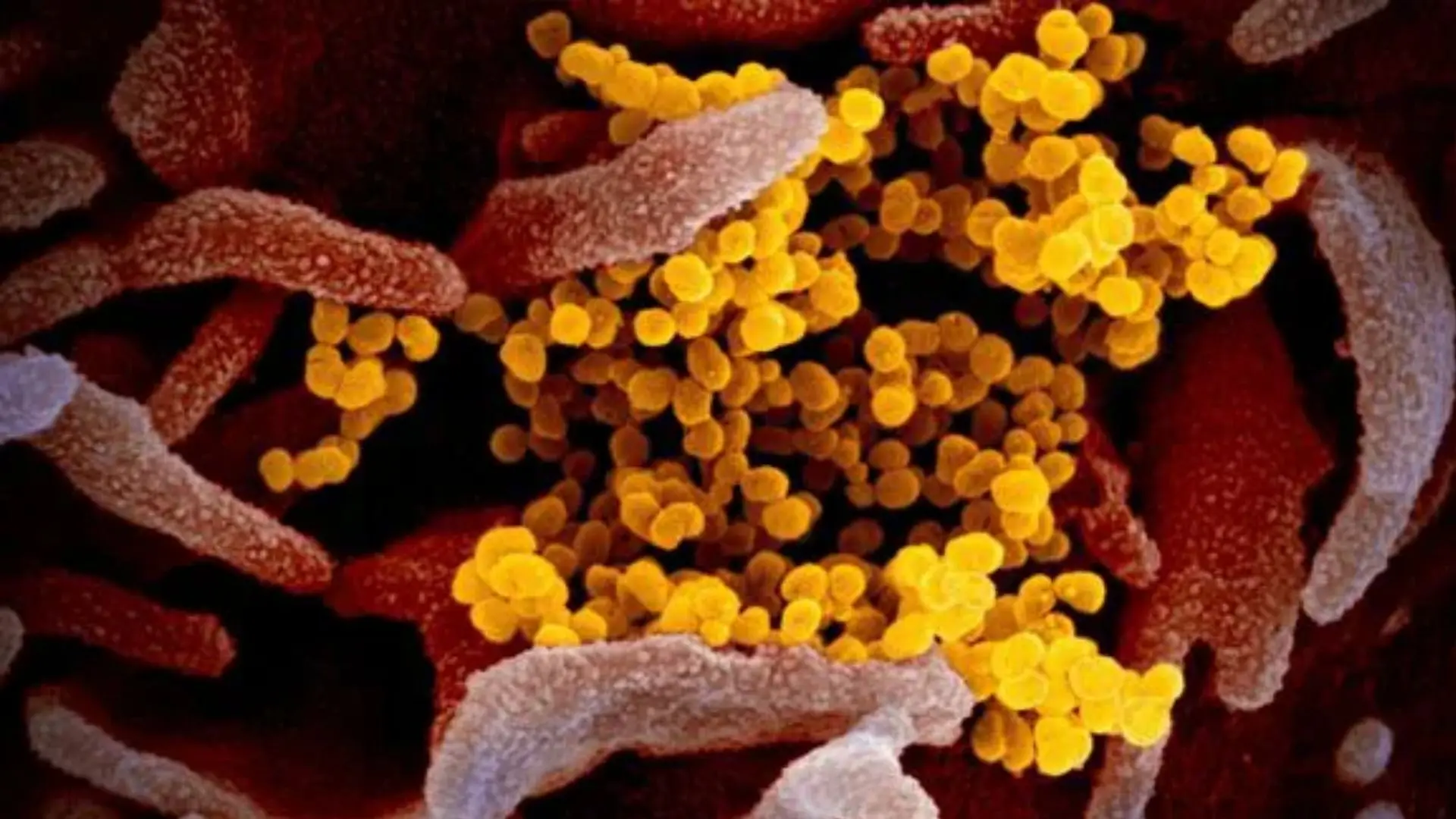
Science & tech | In a brain-like representation of tissues, researchers noted that clumps and tangles of proteins had formed a week after the injury.
Our immunity may go for a toss when our head or brain is exposed to serious, repeated blows. A new study has found that such a knock may ‘awaken’ and render effective those viruses inside our body which had already been arrested by our immune system.
The study was conducted using stem cell 'mini brains' and it revealed that a herpes simplex virus 1 (HSV-1) infection, already neutralised by our immune system, came to life again as brain tissues suffered injuries.

"We thought, what would happen if we subjected the brain tissue model to a physical disruption, something akin to a concussion?" said Dana Cairns, an engineer from Tufts University in the US. The researcher wanted to check whether HSV-1 would wake up and start the process of neurodegeneration.
Apparently, it did wake up.
Findings
)
Mushtaq Khan dies at 56: When Welcome actor opened up about his salary for iconic role Ballu
)
US Supreme Court backs Trump administration's use of SAVE database to check voter citizenship
)
Heart of the Beast review: Brad Pitt leads a gripping tale of survival and loyalty
)
Outrage erupts after 3-year-old is married to 60-year-old man in Pakistan, link to her sister's murder being probed
)
Pakistan deploys over 20,000 security personnel as PTI vows march for Imran Khan's release
)
Asian Games: Shooting spree continues as India win silver in women’s 50m rifle 3P team event
)
‘Not just a local tragedy’: Nepal PM Shah warns UN of growing climate threat, says Nepal floods were 'a warning to the world'
)
OpenAI AI Agents hacked 4 websites before Hugging Face, researchers reveal
)
Pentagon quietly adds 37 wounded troops to Iran war tally without explaining when or how
)
Asian Games 2026: India women’s kabaddi team edge Iran 37-34 to clinch 3rd gold medal
)
Saudi Arabia still harbours intent to develop nuclear weapons, reveals US intelligence: Report
&im=FitAndFill=(700,400))
New Friday OTT releases (September 25, 2026): Don’t Be Shy, Hunkkaar: The Roar, Mango Pachcha- 6 movies and TV shows on Netflix, Prime Video and more
)
Yemen's war escalates: Saudi-backed leader calls for general mobilisation against the Houthis
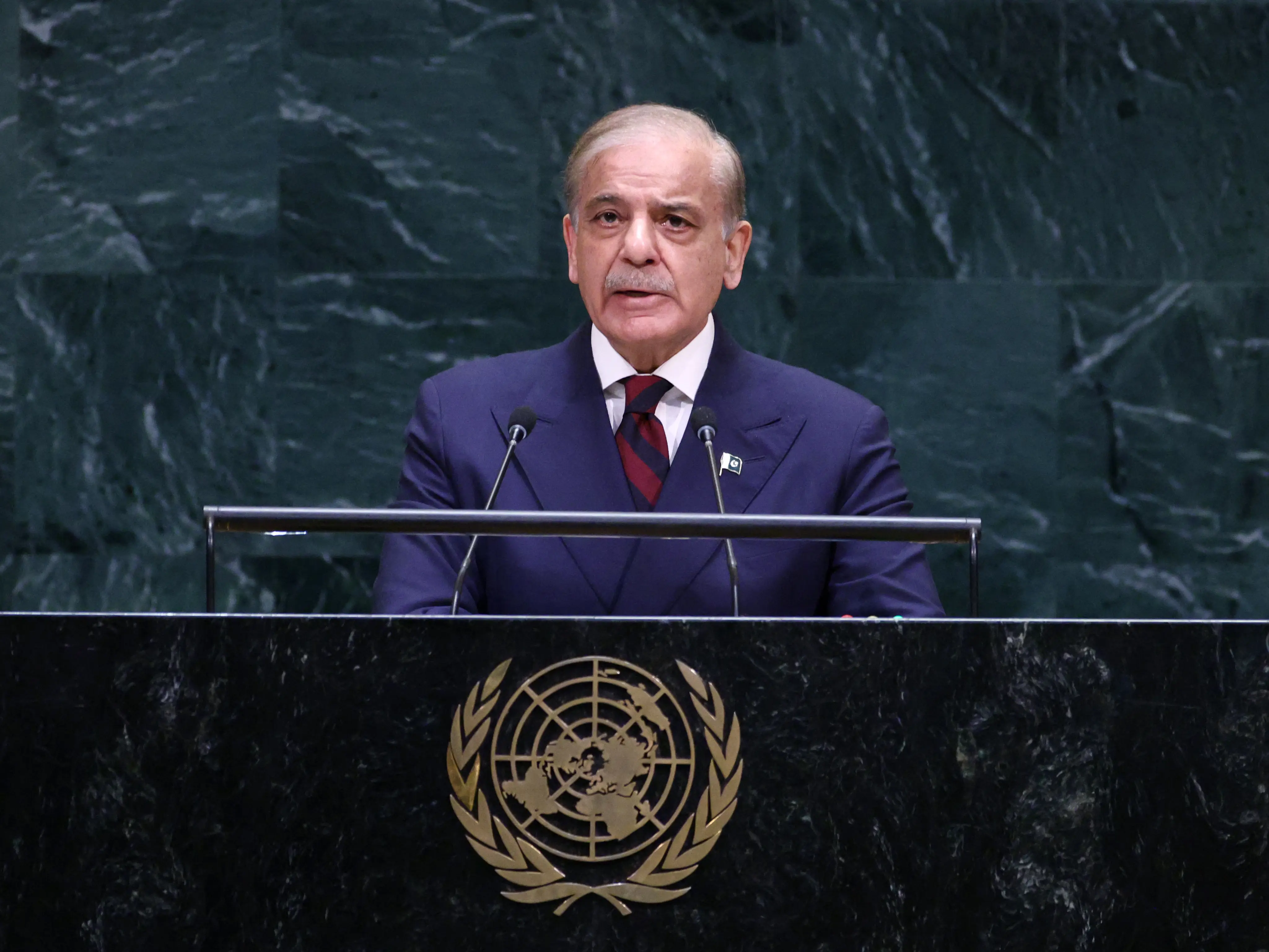)
‘Attack on Mecca a red line for Pakistan’: Shehbaz Sharif warns Houthis at UN
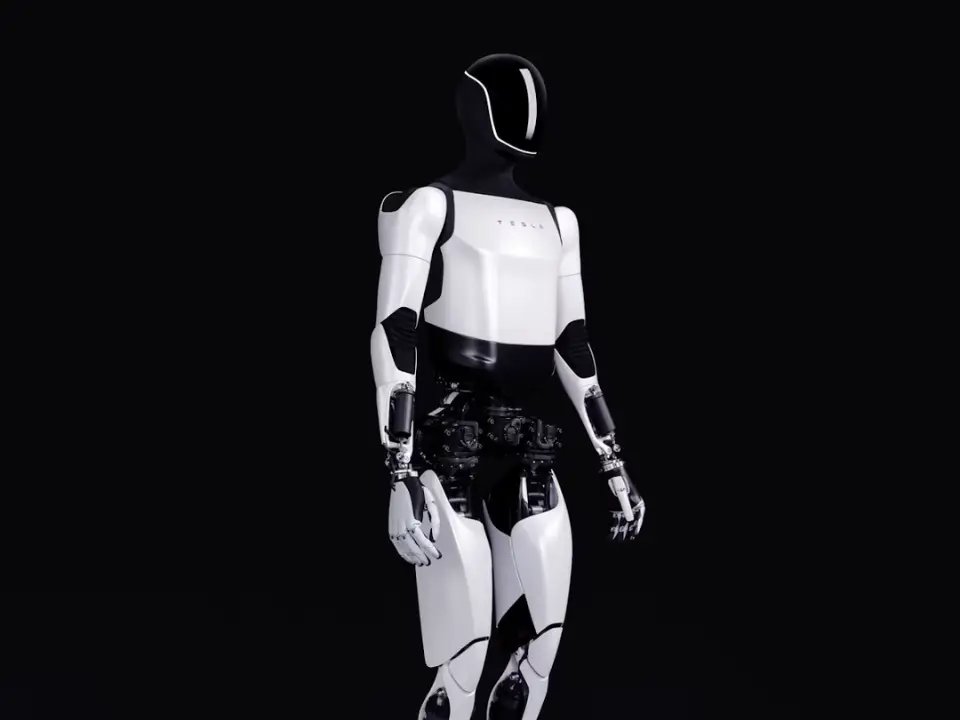)
Tesla is preparing something big for Optimus: new Gen 3 models surface in app
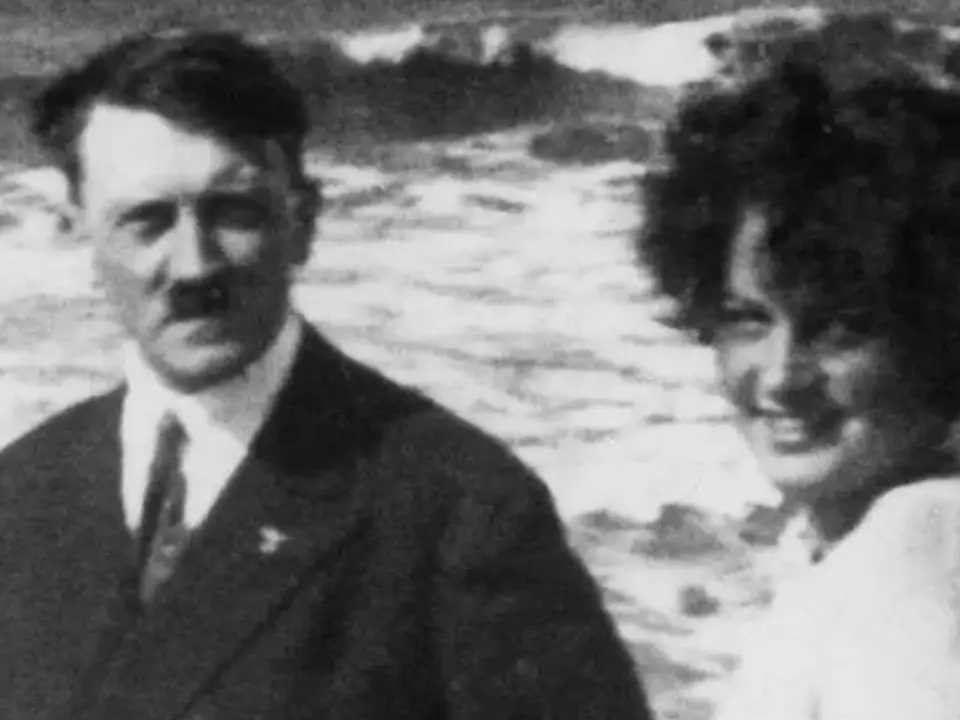)
Did Hitler kill his niece Geli Raubal? Newly found records reopen a 95-year-old mystery
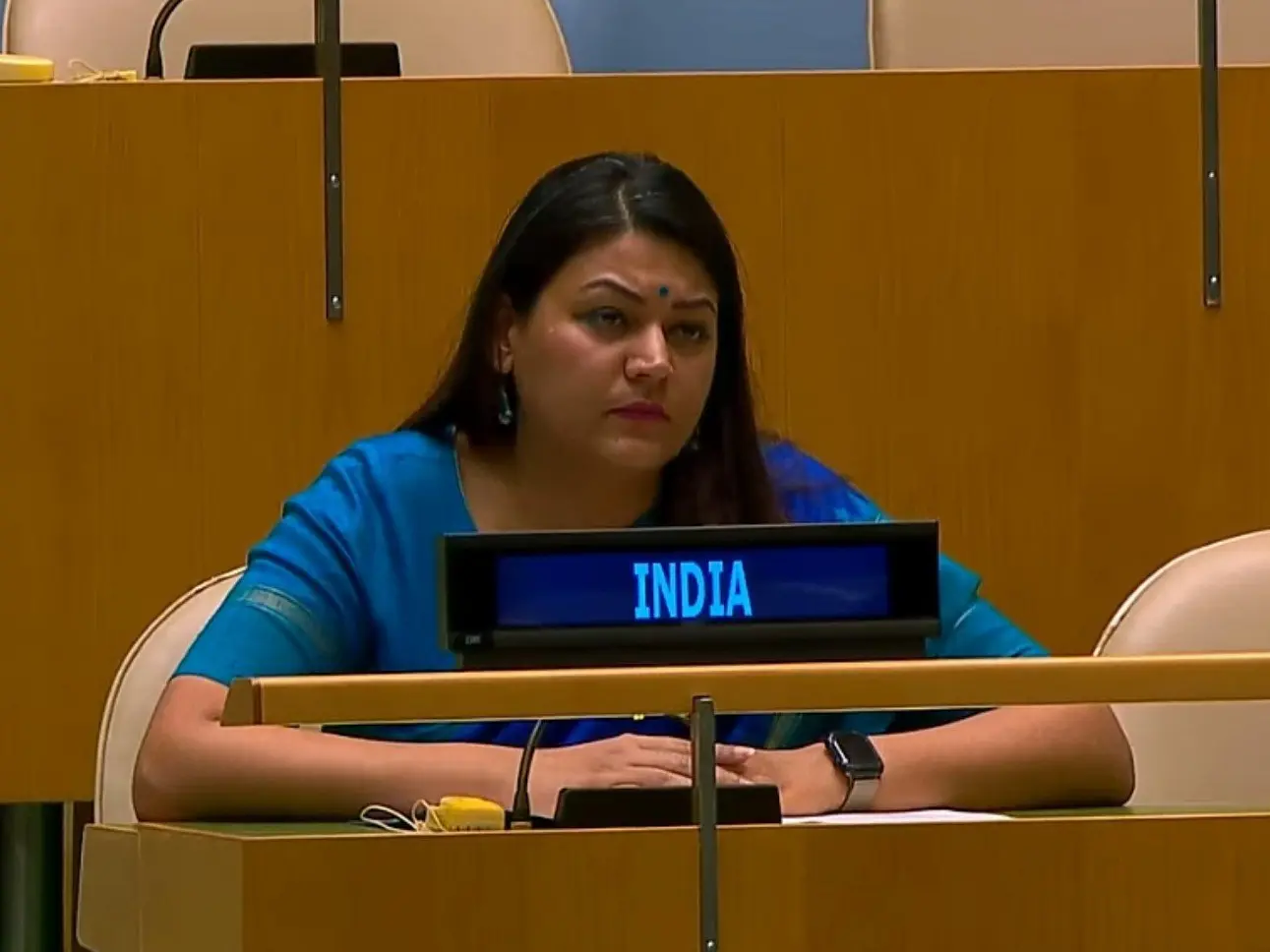)
Indian diplomat Petal Gahlot raises deteriorating situation in Pakistan-occupied Kashmir in right of reply at UN
)
Nigeria Navy moves to boost oil security, tackle crude theft and infrastructure threats
)
Scientists detect first radio signals directly from faraway planet
)
‘It is all possible’: Putin weighs next steps on Ukraine talks, rules out Europe conflict
)
10,000 gather in support of 87-year-old forcefully evicted from home of 71 years
)
India flags brutal violence in Pak-occupied Jammu Kashmir
)
Trump rejects Iran's 7-day ceasefire proposal as US weighs renewed bombing after midterms: Report
)
Gaza's war turned environmental damage into second crisis
)
Saudi oil exports surge despite Iran war
)
Trump-Xi summit wrap: Big pageantry, Iran talks, few major developments and more meetings planned
)
'Making history': Xi Jinping praises Trump as US-China leaders dine at White House
)
India's UN Envoy slams Pakistan: 'They claim security by day, terrorism by night'
)
Jay-Z rape case: Accuser says allegations were false, never met rapper
)
Myanmar training camp case: US national, 6 Ukrainians allowed to meet their families abroad
)
Trump-Xi summit: Xi wraps up us visit with 21-gun salute as Trump, Xi lock in 'strategic stability'
)
'FIRST LOOK from inside Noah’s Ark': Researchers share video from inside mysterious mound in Turkey
)
Cindy Crawford’s son Presley Gerber cremated as death probe continues
)
India's insurance regulator overhauls policies
)
WATCH | As Shehbaz Sharif claims Pakistan’s ‘victory’ during 2025 conflict, Indian diplomat R Srinivas laughs at UN
)
‘Goal is to win it’: Virat Kohli confirms 2027 ODI World Cup will be his final tournament for India
)
'A terrorist country is asking me that question?': Jaishankar hits back at Pakistani journalist at UN; flags attacks on commercial shipping
)
US court backs Pentagon's decision to exclude Anthropic over Claude AI restrictions
In a brain-like representation of tissues, researchers noted that clumps and tangles of proteins had formed a week after the injury. This may potentially turn into a neurodegenerative disease like Alzheimer's.
The researchers have noted a rise in neurodegenerative diseases among patients who suffered traumatic brain injuries, including chronic traumatic encephalopathy (CTE).
Also read: Hundreds of vials of deadly virus go missing from Australian lab in ‘major biosecurity breach'
It was also revealed that the mini brains that were eight weeks old did better in coping with the injuries than those four weeks old. It means that young, developing brains are at higher risks of getting neurodegenerative diseases post-head traumas.
"Our results show that TBI causes reactivation of latent HSV-1 in our 3D brain model… and that if the injury is repeated, the damage is much greater than after a single blow," the researcher noted.
The scientists said more studies are required to find out how to mitigate or stop the affect or damage caused by “head injury, such as anti-inflammatory and antiviral treatment after injury, thereby preventing HSV-1 reactivation in the brain and reducing subsequent development of Alzheimer's disease."
(With inputs from agencies)