Why GST 2.0 is a global signal that India means business, EXPLAINED

&imwidth=600&imheight=450&format=webp&quality=medium "Why GST 2.0 is a global signal that India means business, EXPLAINED")
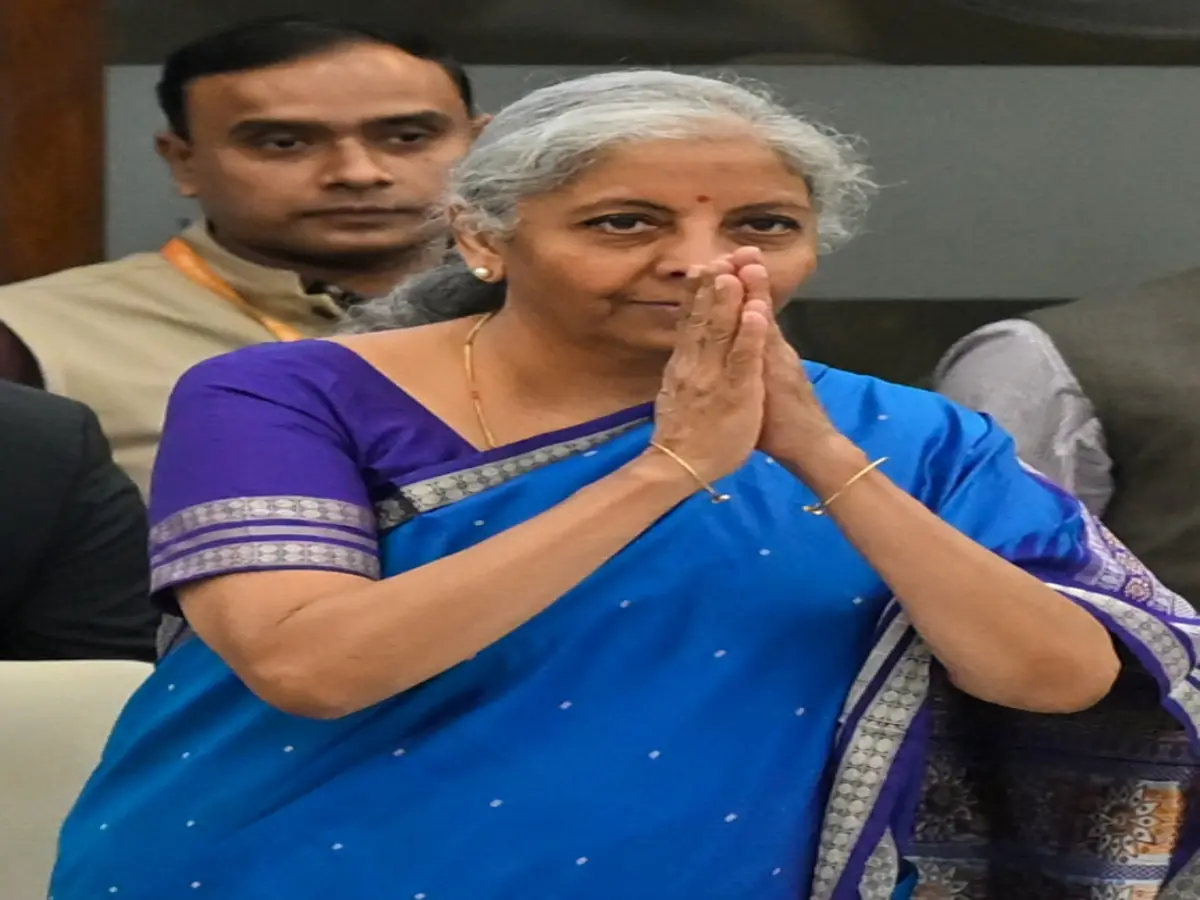
Union Finance Minister Nirmala Sitharaman Photograph: (ANI)
The timing could not be better. India's economy grew at 7.4 per cent in the last quarter of fiscal 2024-25, but global uncertainties demand fresh momentum.
India's GST 2.0 rationalization under the leadership of PM Narendra Modi marks a bold step in tax reforms, sending a clear message to the world that the country is serious about spurring growth and attracting investments. With simplified slabs and rate cuts on everyday items, this overhaul goes beyond mere tweaks—it aims to put more money in consumers' pockets, rev up manufacturing, and lift overall economic sentiment. Coming on the heels of income tax relief in the 2025 Union Budget and RBI's repo rate cuts, GST 2.0 forms part of an economic hat-trick designed to counter global headwinds like trade tariffs and sluggish demand. As Finance Minister Nirmala Sitharaman announced, the new structure, effective from September 22, collapses multiple brackets into four: 0 per cent for essentials, 5 per cent for basic goods, 18 per cent for most items, and 40 per cent for luxury and sin products like high-end cars and aerated drinks.
This move scraps the confusing 12 per cent and 28 per cent slabs, ending classification disputes that have long plagued businesses.
The timing could not be better. India's economy grew at 7.4 per cent in the last quarter of fiscal 2024-25, but global uncertainties demand fresh momentum. GST 2.0 is expected to add 20-30 basis points to GDP growth, pushing projections towards 6.5-7 per cent over the next two years, according to estimates from HSBC and the IMF. By lowering taxes on items like paneer, packaged snacks, and even luxury SUVs—now under 40 per cent but without the old cess—the reform eases burdens on households and firms alike. Commerce Minister Piyush Goyal has urged industry to pass on these benefits, ensuring cheaper goods reach consumers and spark a spending spree.
This is no standalone change. It syncs with the 2025 Union Budget's income tax overhaul, where slabs were streamlined under the new regime: nil up to Rs 4 lakh, 5 per cent between Rs 4-8 lakh, and so on, with no tax payable on incomes up to Rs 12 lakh after rebates and deductions. The exemption threshold for middle-class earners jumped, leaving more disposable income for spending. Add to this the Reserve Bank of India's recent moves: a repo rate cut to 5.5 per cent and a reduced cash reserve ratio, injecting liquidity and making loans cheaper. Borrowers now face lower EMIs on home and vehicle loans, while businesses get easier credit for expansion. Together, these steps create a virtuous cycle: cheaper goods, affordable credit, and higher take-home pay, all set to drive consumption.
The ripple effects are already visible in market euphoria. Sectors like automobiles, cement, real estate, and consumer goods are buzzing, with stock indices climbing on reform hopes. For instance, big cars and SUVs might see effective price drops despite the 40 per cent slab, thanks to cess withdrawal. The banking, financial services, and insurance (BFSI) space stands to gain from rising loans and investments. Micro, small, and medium enterprises (MSMEs), often hit by complex taxes, now face simpler compliance, freeing up resources for growth. Manufacturing gets a leg up, with rate cuts in textiles, renewable energy, and auto parts fixing inverted duty structures that once led to refund delays. This could ramp up production and exports, making India more competitive globally.
Trending Stories
)
)
)
)
)
)
)
)
)
)
)
)
)
)
)
)
)
)
)
)
)
)
)
)
)
)
)
)
)
)
)
)
)
)
&im=FitAndFill=(700,400))
)
)
)
)
For rural households and the middle class, GST 2.0 means real relief. Essentials stay at 0 or 5 per cent, while processed foods and hygiene items see cuts, easing inflation pressures. With more cash in hand, spending on durables and services could rise, creating a multiplier effect that lifts jobs and incomes across the board. Experts like those from the Indian Chamber of Commerce note this could offset high US tariffs' impact, adding up to 1 per cent to GDP. The reform also boosts ease of doing business, with fewer slabs cutting litigation and improving India's global rankings. Foreign investors, eyeing stable policies, may pour in more, drawn by a market where consumption drives two-thirds of growth.
Yet, success hinges on execution. Businesses must pass on savings, as urged by the government, to avoid profiteering. States, worried about revenue dips, get compensation assurances, but long-term fiscal health needs monitoring. If done right, GST 2.0 could rekindle "animal spirits" in the economy, offsetting drags from global slowdowns.
In the end, GST 2.0 is more than a tax cut—it's a growth engine. By simplifying rules and fueling demand, it signals to global players that India is open for business. With GDP forecasts at 6.4-6.5 per cent for 2025-26 from the IMF and RBI, this reform could push the needle higher. From small households saving on snacks to big firms expanding output, the benefits touch all. As India eyes Viksit Bharat by 2047, such moves show policy is immediate, tangible, and geared for sustained prosperity.