What India can learn from China on manufacturing vs services-led growth debate


In 2022, merchandise exports accounted for around 73 per cent of the global trade
In the last few years, India’s policy community has been divided into three groups, with the first arguing for an East Asia-like development led by manufacturing, supported and subsidised by the state through industrial and trade policy. The second group, to which non-resident Indian economists especially subscribe, is that India should pursue a novel approach to services-led development given its inherent strength in the sector and limitations in manufacturing due to democracy. The third group, which comes not from the cohort of economists but mostly from industry leaders, is that given its size, the scale of the domestic market, and fertile land (India has the world’s largest arable land), it should try all three - agriculture, industry, and services.
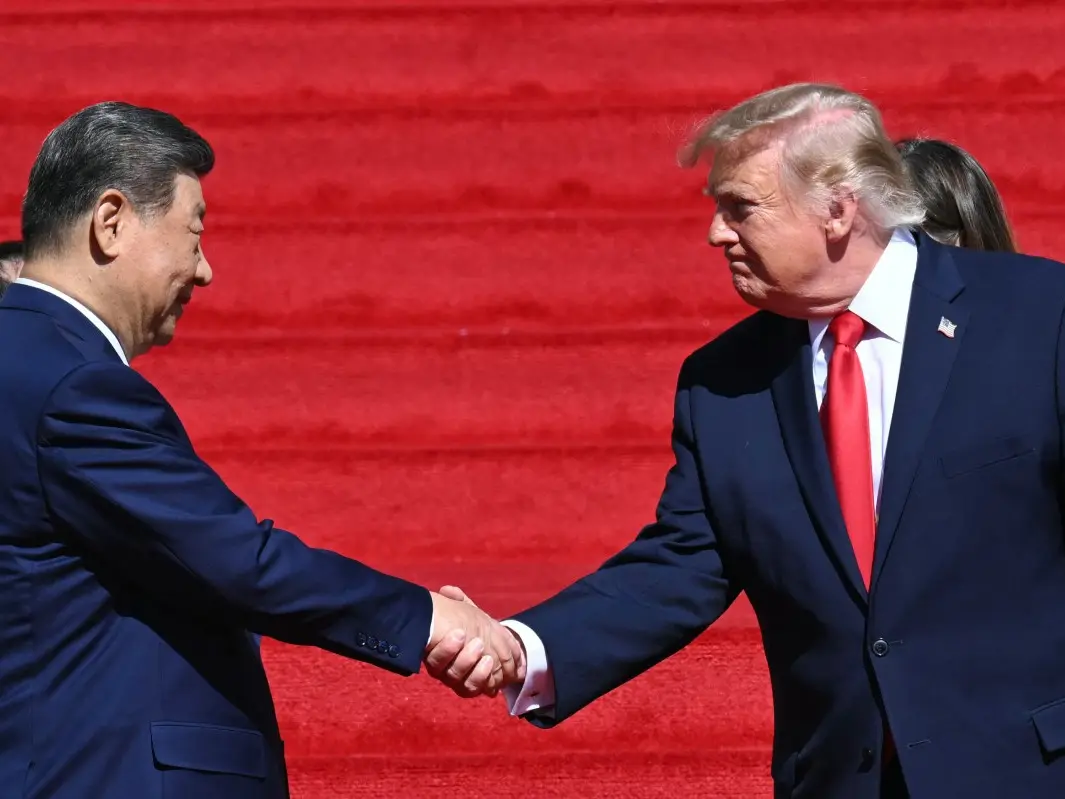
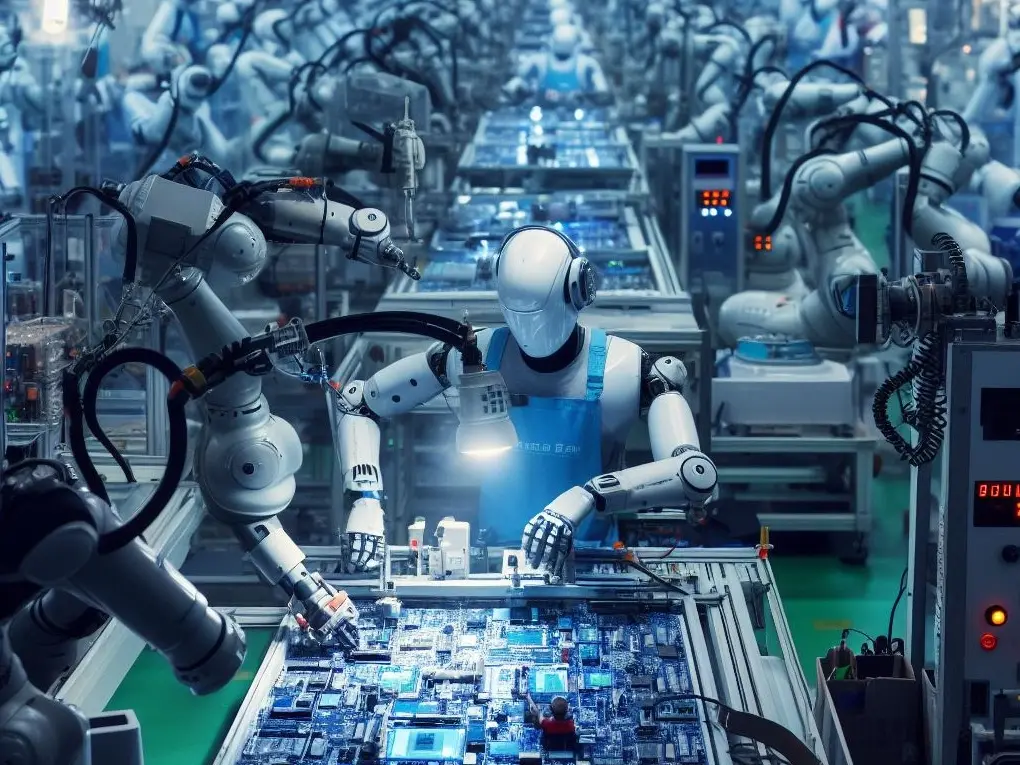
The previous phase of globalisation rested on four pillars of free movement of goods, services, capital, and people. The developing countries benefitted enormously by offering cheaper goods, services, and labour and getting capital. The East Asian countries, and most notably China, built unprecedented dominance in manufacturing, accounting for around one-third of the global share while consuming just one-tenth of it. The supremacy in manufacturing resulted in a considerable merchandise trade surplus and jobs for its billion-plus people.
China’s experience is not unique among the East Asian countries. All the East Asian countries like Japan, Taiwan, and South Korea built a competitive edge in manufacturing through the smart use of industrial policy, which protected the domestic markets while propping up national champions that tried to capture the global market.
Japan was the leader and the first to adopt this model, while its followers tweaked it to fit their needs and the prevailing global environment. The model adopted by these countries has delivered results so similar that today, Japan, South Korea, and Taiwan have almost similar per capita income at market rates. And all these countries run huge goods trade surpluses with the rest of the world.
On the other hand, India built an edge in services and labour exports, although not on the scale of China. The huge merchandise success story of China masks its competitiveness in services, where it is 4th largest exporter in the world after the US, UK, and Germany, while India is ranked 6th after China and Ireland.
China and India doubled their share of global commercial services exports from 2005 to 2022, from 3.0 per cent to 5.4 per cent, and from 2.0 per cent to 4.6 per cent, respectively. The global goods export list is headed by China, with USD 3.6 trillion or 14 per cent of total exports against India’s 1.8 per cent. The country has been the largest exporter of goods in the world since 2009.
In terms of net secondary income, which consists mainly of remittances, India is five times ahead of China at USD 97 billion. On the net primary income, which is the return on FDI and FPI, China transfers almost 4.5 times to the investor nations. The reason behind the high outgo from China is that the country attracted many times more FDI and FPI than India or any other developing country in the last four decades.
The combined value of services exports and net secondary income (read remittances) is around USD 438 billion, the third highest in the world after the United States and the United Kingdom. On the other hand, the combined value of services exports and net secondary income for China would be around USD 401 billion.
In the four pillars of current account balance, India beats China in labour and outgo on capital investment but needs to catch up on goods and services exports. In terms of services, India is close to China, but in terms of goods, Beijing has built an advantage of almost eight times, and that gap will not be bridged easily.

India and China Current Account Balance Data[1]/World Bank (Figures in USD)
[1] 2022/23, whichever is available for the metric because there is not much difference, either in data or to the macroeconomic argument
India may never be able to build a merchandise trade surplus of USD 800 -900 billion, which China ran with the rest of the world. India’s services exports have not even crossed a 5 per cent share in the global services market, while China reached around 2023. Even if India doubles its share to get 10 per cent of global services exports and 4 per cent of global exports by 2030, that would put the country in a respectable position. India should aim to capture at least 5 per cent of international trade by 2030 from its current share of around 2.2 per cent.

Trending Stories
)
)
)
)
)
)
)
)
)
)
)
)
)
)
)
)
)
)
)
)
)
)
)
)
)
)
)
)
)
)
)
)
)
)
&im=FitAndFill=(700,400))
)
)
)
)
In 2022, merchandise exports accounted for around 73 per cent of global trade, while services accounted for just 27 per cent. Though the composition is changing with increasing tariffs and non-tariff barriers, for services to reach the level of goods will take at least more than a decade. Overall, the value of global trade fell by 3 per cent in 2023. It dropped by 5 per cent for trade in goods but grew by 8 per cent for trade in services.
Even more soothing data point is that India's services exports jumped 11.4 per cent to USD 345 billion in 2023 despite global economic uncertainties, while China's shipments from the sector contracted by 10.1 per cent to USD 381 billion, according to a UNCTAD report.
However, even after these soothing developments, one must recognise that none of the top 10 trading nations have a service export share more than goods exports. The United Kingdom comes closest to it with a 49 per cent services share in total exports, and India is its nearest competitor with a 40 per cent share of services in total exports.
The East Asian economies are skewed toward merchandise, with 90 per cent for China, 84 per cent for South Korea, and 81 per cent for Japan, while the UK (51 per cent), India (60 per cent), and the US (69 per cent) are at the other end of the spectrum. India needs nearly double-digit growth for around two decades to become a developed country, and for that, the economy must fire all three engines.
The debate on goods vs. services is unnecessary, and India must spend time and effort on something other than this luxury. The country's policymakers must make a sustained effort to increase the merchandise (including agricultural produce) and services to achieve the goal of a developed nation by 2047.
(Disclaimer: The views of the writer do not represent the views of WION or ZMCL. Nor does WION or ZMCL endorse the views of the writer.)