
&imwidth=800&imheight=600&format=webp&quality=medium "War or peace – at Alaska and beyond")
When Russia invaded Ukraine on 24 February 2022, much of the world thought that the war would end in weeks, if not days. However, this conflict has been ongoing for three and a half years.
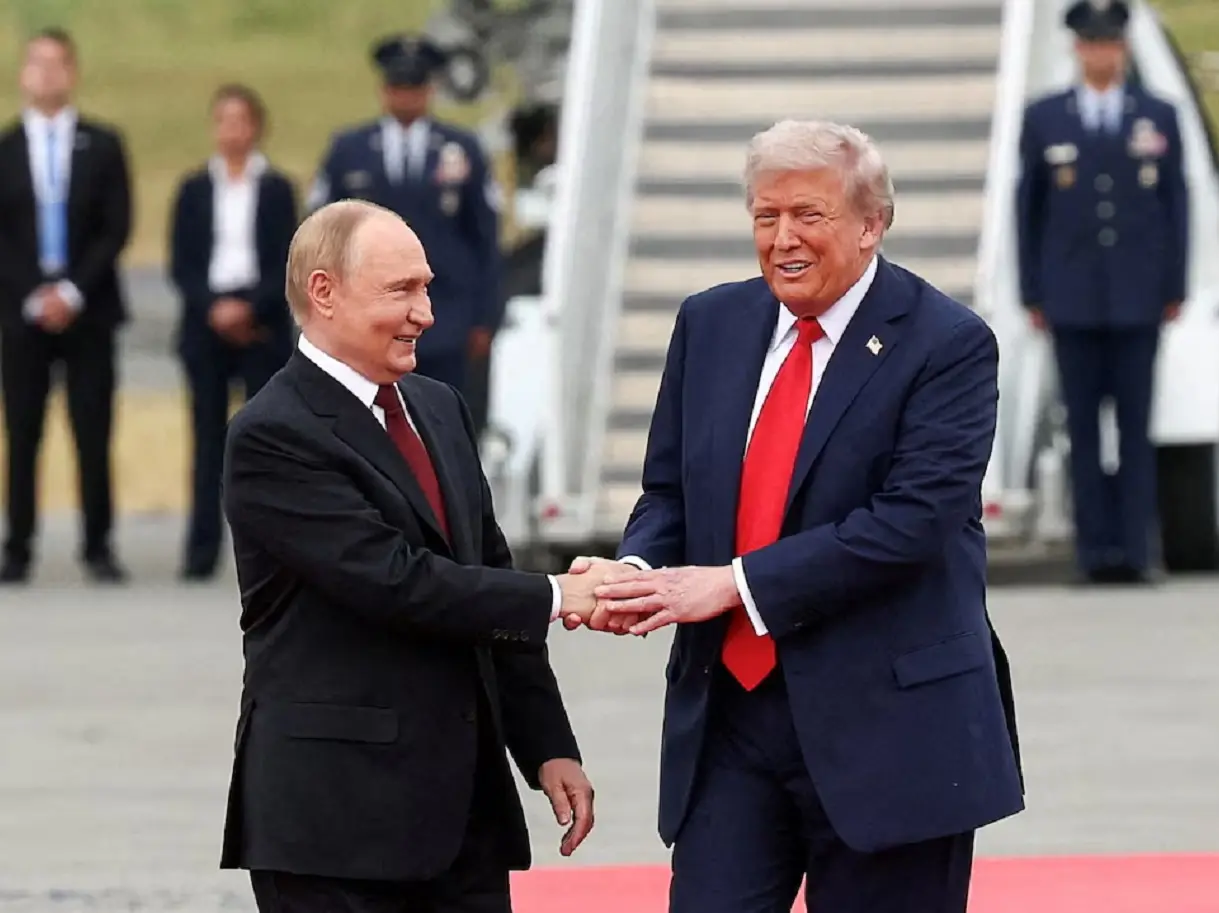
Several serious attempts were made by different parties to bring an end to costly hostilities, but to no avail. Now, the most high-profile and determined effort has been underway, conducted by US President Donald Trump since he re-entered the White House in January 2025. The Alaska summit between President Putin of Russia and him on 15 August was perhaps the most significant diplomatic initiative of the Trump presidency to resolve the Russia-Ukraine war. Will it succeed in bringing peace to the combatants and Europe, thus easing the international political and economic situation?
In the days leading to the summit in Alaska, optimists and pessimists were divided. The latter wrote it off as a publicity stunt and dismissed it as an attempt by Trump to buttress his credentials as a keen aspirant for the Nobel Peace Prize. Optimists, on the other hand, hoped that a ceasefire agreement would be achieved, ignoring the fact that both Ukraine and European governments had signalled to Washington clearly that it must refrain from negotiating on their behalf. The middle-of-the-roaders, like this author, predicted that the Alaska summit would secure “some progress.” This is what seems to have happened.

Alaska outcome
Both leaders made positive remarks about their discussions at the summit, which lasted about three hours. The pomp and pageantry, the atmospherics and the body language, and the in-depth conversations in the presence of select advisers – all indicated the thoroughness of preparations and seriousness of purpose. What is even more important, the leaders did not reveal the contents or contours of their agreement or understanding, while pointing out that they agreed on many issues and disagreed on others. This was an imperative for Trump, for he was obliged to first debrief President Zelensky of Ukraine and other European leaders before sharing some outcome details with the public at large.
Trending Stories
)
US Supreme Court backs Trump administration's use of SAVE database to check voter citizenship
)
Heart of the Beast review: Brad Pitt leads a gripping tale of survival and loyalty
)
Outrage erupts after 3-year-old is married to 60-year-old man in Pakistan, link to her sister's murder being probed
)
Pakistan deploys over 20,000 security personnel as PTI vows march for Imran Khan's release
)
Asian Games: Shooting spree continues as India win silver in women’s 50m rifle 3P team event
)
‘Not just a local tragedy’: Nepal PM Shah warns UN of growing climate threat, says Nepal floods were 'a warning to the world'
)
OpenAI AI Agents hacked 4 websites before Hugging Face, researchers reveal
)
Pentagon quietly adds 37 wounded troops to Iran war tally without explaining when or how
)
Asian Games 2026: India women’s kabaddi team edge Iran 37-34 to clinch 3rd gold medal
&im=FitAndFill=(700,400))
New Friday OTT releases (September 25, 2026): Don’t Be Shy, Hunkkaar: The Roar, Mango Pachcha- 6 movies and TV shows on Netflix, Prime Video and more
)
Yemen's war escalates: Saudi-backed leader calls for general mobilisation against the Houthis
)
‘Attack on Mecca a red line for Pakistan’: Shehbaz Sharif warns Houthis at UN
)
Tesla is preparing something big for Optimus: new Gen 3 models surface in app
)
Bias or safety concerns? Bengaluru CEO says firm will not hire men from UP, Bihar, Rajasthan, MP. Here's why
)
Did Hitler kill his niece Geli Raubal? Newly found records reopen a 95-year-old mystery
)
Nigeria Navy moves to boost oil security, tackle crude theft and infrastructure threats
)
Indian diplomat Petal Gahlot raises deteriorating situation in Pakistan-occupied Kashmir in right of reply at UN
)
Scientists detect first radio signals directly from faraway planet
)
‘It is all possible’: Putin weighs next steps on Ukraine talks, rules out Europe conflict
)
10,000 gather in support of 87-year-old forcefully evicted from home of 71 years
)
OpenAI investigates leak of 53 images linked to ChatgGPT users
)
Trump rejects Iran's 7-day ceasefire proposal as US weighs renewed bombing after midterms: Report
)
Red Sea crisis: Houthis promise not to target European ships; UNSC condemns Saudi attacks
)
Gaza's war turned environmental damage into second crisis
)
Trump-Xi summit wrap: Big pageantry, Iran talks, few major developments and more meetings planned
)
'Making history': Xi Jinping praises Trump as US-China leaders dine at White House
)
India's UN Envoy slams Pakistan: 'They claim security by day, terrorism by night'
)
Bollywood mourns Mushtaq Khan: Sunny Deol, Rajpal Yadav and others pay tribute
)
Myanmar training camp case: US national, 6 Ukrainians allowed to meet their families abroad
)
'FIRST LOOK from inside Noah’s Ark': Researchers share video from inside mysterious mound in Turkey
)
Cindy Crawford’s son Presley Gerber cremated as death probe continues
)
WATCH | As Shehbaz Sharif claims Pakistan’s ‘victory’ during 2025 conflict, Indian diplomat R Srinivas laughs at UN
)
'A terrorist country is asking me that question?': Jaishankar hits back at Pakistani journalist at UN; flags attacks on commercial shipping
)
Army chief reviews operational preparedness along LoC, visits mega eye camp in Tangdhar
)
US court backs Pentagon's decision to exclude Anthropic over Claude AI restrictions
In this light, a close look at the formal remarks by the two leaders before the media at Anchorage is advisable, even if they did not take questions from the press.
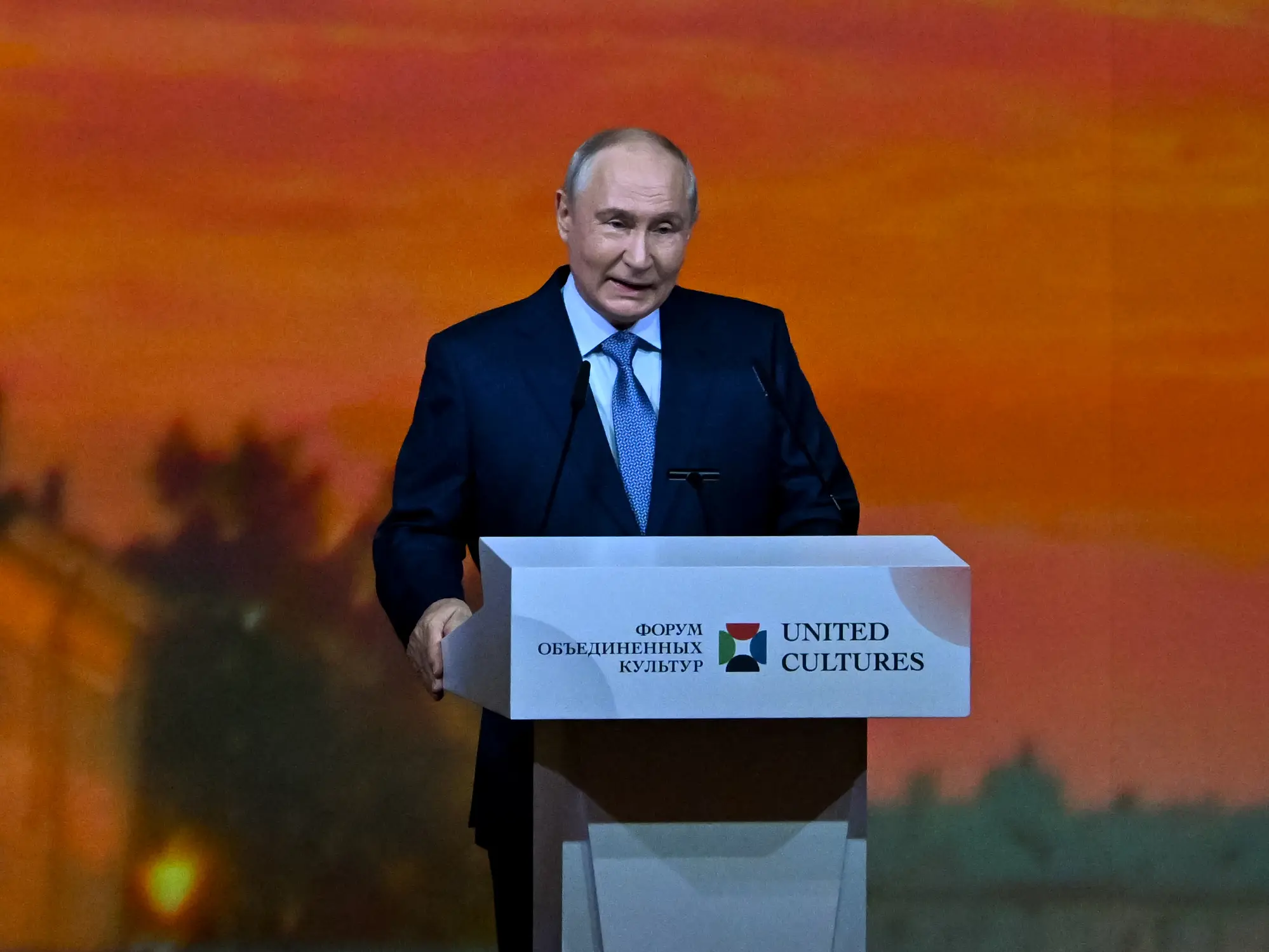
President Putin made the longer statement. He stressed that the Russian and American leaders have had “good direct contact.” He praised Trump for his effort “to get to the crux of the matter.” The reference here was to Putin’s basic view that the fundamental threats to Russian security – or the root causes of the war – must be addressed. He conceded Trump’s point that “naturally, the security of Ukraine should be considered as well.” Putin added, “Naturally, we are prepared to work on that.”
Putin seemed concerned about the future conduct of European governments and Ukraine. They, he hoped, would perceive the Alaska outcome “constructively and… won’t throw a wrench in the works.” He called the agreements reached in Alaska as “the starting point” for the solution of the Ukraine issue and the return of the US and Russia to “pragmatic relations.” In the last paragraph, he cleverly confirmed Trump’s oft-repeated claim that had the latter been the President in 2022, the war would not have broken out. Nothing would have pleased Trump more than listening to this from President Putin at a formal media conference watched by half of the world!
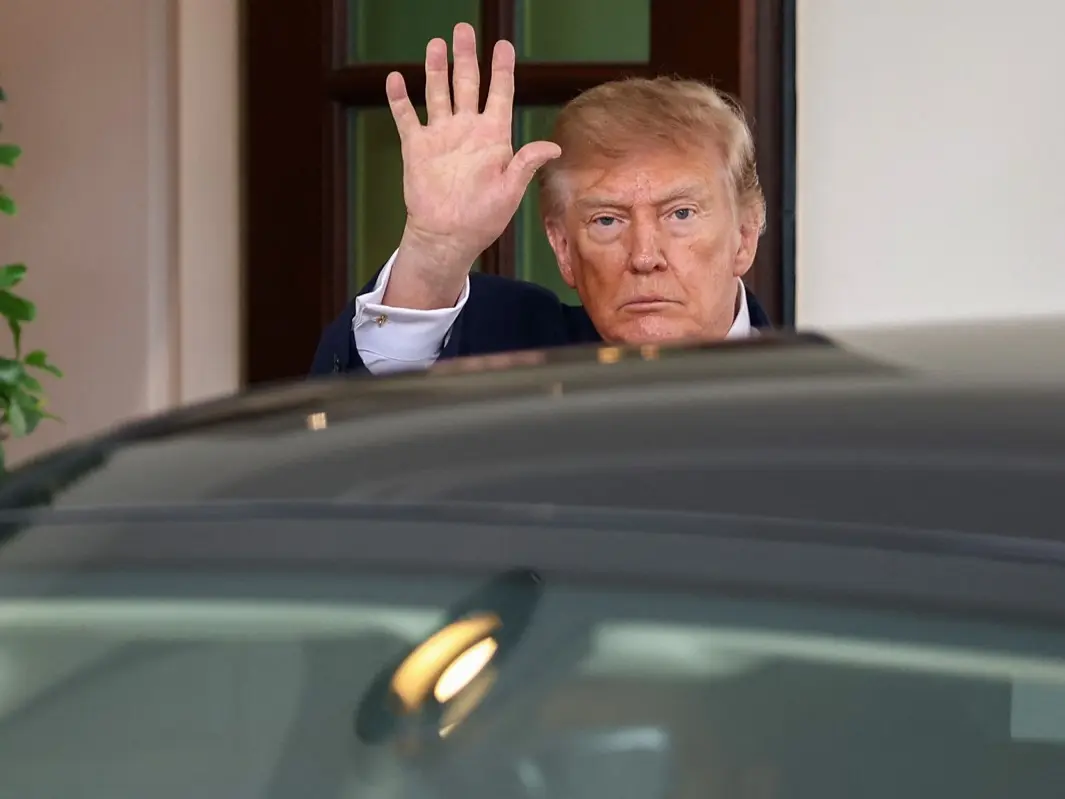
Trump’s remarks were shorter. He concluded them by stressing that the killings – “1000s of people a week” – must be stopped and added, “President Putin wants to see that as much as I do.” His overall take on Alaska was presented in the first paragraph. It was “a very productive meeting,” he said, adding: “There were many points that we agreed on, most of them. I would say, a couple of big ones that we haven’t quite gotten there, but we have made some headway. So, there is no deal until there is a deal.” (Domain experts are busy deciphering the meaning and implications of these calculated and deliberately vague observations.)
Assessment
In this age of 24×7 television and social media, instantaneous judgements on world events can be treacherous. Ignoring months of quiet negotiations, weeks of careful preparations, and the utter complexity of issues, many observers quickly jumped to the conclusion that the summit was a failure because it did not produce a ceasefire agreement. A critic dismissed Alaska as “a beautifully choreographed non-event.”
Such pronouncements are misleading. Critics must have been taken by surprise by what followed.
First, Zelensky, following a detailed debrief by Trump, sent out a positive and supportive tweet, reaffirming Ukraine's “readiness to work with maximum effort to achieve peace.” He expressed support for Trump’s proposal for a trilateral meeting between Ukraine, the US, and Russia, and he also announced that he would visit Washington to meet Trump on 18 August. Several European leaders will accompany him in a gesture of solidarity and as insurance against a possible fiasco like the previous Trump-Zelensky encounter in the White House.
Second, the European leaders of ‘the Coalition of the Willing’ articulated support for the US efforts, expressed themselves in favour of “a trilateral summit with European support,” and stressed the need for “ironclad security guarantees” for Ukraine’s sovereignty and territorial integrity.
Third, many other nations have commented on the Alaska outcome in a positive vein. India’s statement was remarkably crisp and clear. Welcoming the Trump-Putin summit, it stated, “Their leadership in the pursuit of peace is highly commendable.” It reflected India’s appreciation for the progress made at the summit, and stressed New Delhi’s view that the way forward can only be through “dialogue and diplomacy.”
The Alaska summit has started something significant and valuable – a serious effort to resolve the Ukraine conflict. However, a positive end of the process is, by no means, guaranteed. The road ahead will be difficult and torturous. But if the parties concerned are willing to undertake a fair ‘give and take’, this is a good time for them to go for it.
The US President is working for international peace and his nation’s interests. To claim that his sole motivation is to win the Nobel Peace Prize is to betray one’s bias and an inadequate understanding of a highly complex and complicated matter.
(Rajiv Bhatia is a Distinguished Fellow at Gateway House, a former Indian Ambassador with extensive diplomatic experience in regional and global groupings, and the author of three books on Indian foreign policy.)