Protecting the Western Ghats is in national interest

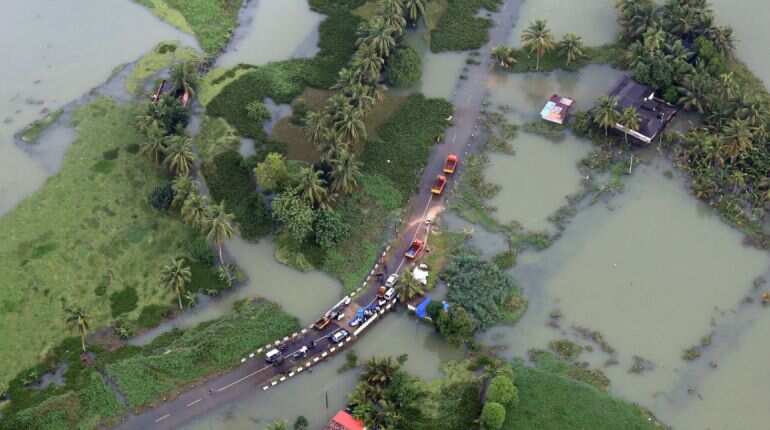
Kerala floods
Extraordinary biodiversity richness is one of the reasons why India is incredible! Occupying just 2.5 per cent of the earth’s total land area, India holds 7 per cent flora and 6.5 per cent fauna of the world.
Western Ghats mountain range that extends over 1,500 km from River Tapi to Kanyakumari through the states of Gujarat, Maharashtra, Goa, Karnataka, Tamil Nadu and Kerala is one of the world’s eight hottest biodiversity hotspots.
The Ghats with an average elevation of 600m force the moisture-laden winds coming off the Arabian Sea to cause precipitation of 2,000 mm or more, with the western hill slopes receiving maximum rainfall while the eastern slopes remaining comparatively drier.

These typical conditions have evolved a wide range of habitat types like a tropical evergreen forest, moist deciduous and dry deciduous forest, dry thorn forest, lateritic plateaus and grassland. Around 5,000 species of plants, 500 bird species, 220 amphibians, 120 mammals is just a glimpse of its species richness! The Ghats are a centre of endemism with over 2,000 species of flora and fauna found only in this stretch of 1500 km, out of which 325 species are globally threatened – Lion-tailed Macaque, Nilgiri Tahr, Malabar Grey Hornbill to name a few. The UNESCO recognises 7,653.15 sq km of the Western Ghats as a World Heritage Site.
There is an inherent relationship between forests and water. Forests serve as natural sponges, collecting and filtering rainwater and releasing it slowly into streams and rivers such as Godavari, Krishna, Cauvery, Koyna that originate and flow through the Ghats proving to be lifelines for the biodiversity and local people.
India, a country with one of the oldest civilisations and a rich culture that respects and worships natural resources, protects large chunks of forests as ‘sacred groves’, where destructive activities like tree-cutting and hunting are disallowed. No person dares to break this system lest he is punished by the Almighty. This fear or respect has been largely responsible for conserving several areas such as forests around Sabarimala temple in Periyar Tiger Reserve, Kerala, and Lord Shiva temple in Bhimashankar Wildlife Sanctuary, Maharashtra.
Recognising these ecological, cultural and economical values, Prof. Gadgil Committee and Dr Kasturirangan Committee constituted by the Government of India in 2011 and 2013, respectively, recommended measures for long-term preservation of this ecologically fragile landscape. Gadgil committee report recommended declaring the entire WG landscape as Ecologically Sensitive Area (ESA), divided under three sub-zones, with a ban on mining, thermal power plants, polluting industries and large dams, and the inclusion of local communities in biodiversity conservation and promoting eco-friendly activities.
&imwidth=180&imheight=135&format=webp&quality=medium)
Asian Games 2026: India face Afghanistan in quarterfinal on Sep 28; Pakistan clash with Hong Kong
&imwidth=180&imheight=135&format=webp&quality=medium)
Myanmar training camp case: US national, 6 Ukrainians allowed to meet their families abroad
&imwidth=180&imheight=135&format=webp&quality=medium)
Bigg Boss 20: Salman Khan schools Rhiti Tiwari over Qazi Touqeer clash, compares her to Dolly Bindra
&imwidth=180&imheight=135&format=webp&quality=medium)
Mushtaq Khan dies at 56: When Welcome actor opened up about his salary for iconic role Ballu
&imwidth=180&imheight=135&format=webp&quality=medium)
LPU students go on rampage, vandalise campus amid widespread protest: What's happening
&imwidth=180&imheight=135&format=webp&quality=medium)
'FIRST LOOK from inside Noah’s Ark': Researchers share video from inside mysterious mound in Turkey
&imwidth=180&imheight=135&format=webp&quality=medium)
‘Attack on Mecca a red line for Pakistan’: Shehbaz Sharif warns Houthis at UN
&imwidth=180&imheight=135&format=webp&quality=medium)
Pakistan deploys over 20,000 security personnel as PTI vows march for Imran Khan's release
&imwidth=180&imheight=135&format=webp&quality=medium)
OpenAI AI Agents hacked 4 websites before Hugging Face, researchers reveal
&imwidth=180&imheight=135&format=webp&quality=medium)
'A terrorist country is asking me that question?': Jaishankar hits back at Pakistani journalist at UN; flags attacks on commercial shipping
&imwidth=180&imheight=135&format=webp&quality=medium)
Trump-Xi summit wrap: Big pageantry, Iran talks, few major developments and more meetings planned
&imwidth=180&imheight=135&format=webp&quality=medium)
Did Hitler kill his niece Geli Raubal? Newly found records reopen a 95-year-old mystery
&imwidth=180&imheight=135&format=webp&quality=medium)
Hawaii braces for Hurricane Nolo: NOAA warns of flash flooding and mudslides
&imwidth=180&imheight=135&format=webp&quality=medium)
'What kind of confession is this?': Pakistan PM Shehbaz Sharif’s 'terrorists would be roaming New York' remark goes viral, raises alarm online. Watch
&imwidth=180&imheight=135&format=webp&quality=medium)
US-Iran war: Trump rejects Iran's Hormuz proposal, reports suggest talks expected next week
&imwidth=180&imheight=135&format=webp&quality=medium)
Bollywood x K-pop crossover! LE SSERAFIM’s Kazuha charms fans with Shah Rukh Khan’s ‘Chammak Challo’ steps
&imwidth=180&imheight=135&format=webp&quality=medium)
Gaza's war turned environmental damage into second crisis
&imwidth=180&imheight=135&format=webp&quality=medium)
‘Serial practitioner of terrorism’: Jaishankar calls out Pakistan’s ‘state-sponsored’ terror at UNGA
&imwidth=180&imheight=135&format=webp&quality=medium)
‘It is all possible’: Putin weighs next steps on Ukraine talks, rules out Europe conflict
&imwidth=180&imheight=135&format=webp&quality=medium)
Prince Harry offers rare glimpse into Archie and Lilibet’s life after UK move
&imwidth=180&imheight=135&format=webp&quality=medium)
Nigeria Navy moves to boost oil security, tackle crude theft and infrastructure threats
&imwidth=180&imheight=135&format=webp&quality=medium)
Donald Trump shares image of Xi's arrival in Washington, carries signs of AI
&imwidth=180&imheight=135&format=webp&quality=medium)
Pentagon quietly adds 37 wounded troops to Iran war tally without explaining when or how
&imwidth=180&imheight=135&format=webp&quality=medium)
US court backs Pentagon's decision to exclude Anthropic over Claude AI restrictions
&imwidth=180&imheight=135&format=webp&quality=medium)
US Supreme Court backs Trump administration's use of SAVE database to check voter citizenship
&imwidth=180&imheight=135&format=webp&quality=medium)
‘Could kill billions...’: Bill Gates backs calls to slow AI development amid fears of catastrophe
&imwidth=180&imheight=135&format=webp&quality=medium)
'Countries far from conflict are penalised': Jaishankar calls for Gulf peace, seafarer safety at UN
&imwidth=180&imheight=135&format=webp&quality=medium)
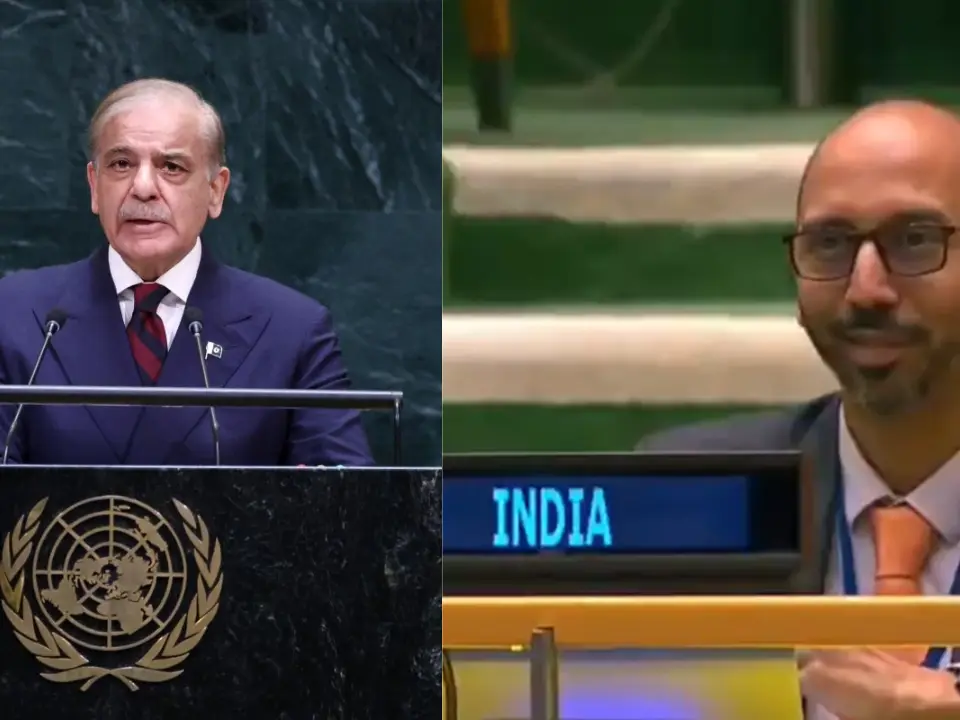
WATCH | As Shehbaz Sharif claims Pakistan’s ‘victory’ during 2025 conflict, Indian diplomat R Srinivas laughs at UN
&imwidth=180&imheight=135&format=webp&quality=medium)
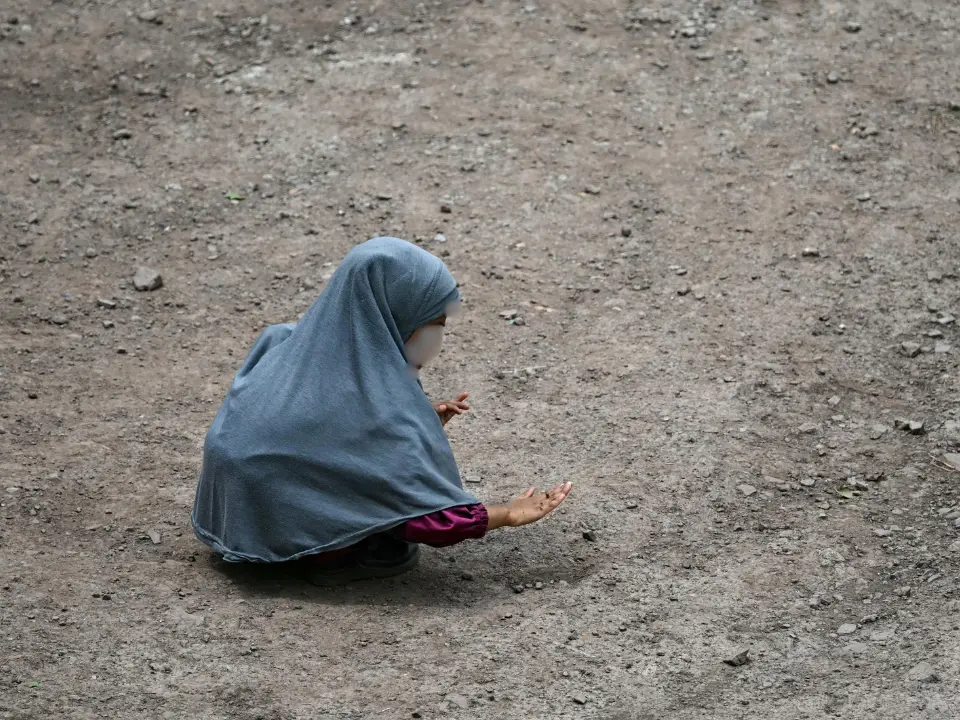
Outrage erupts after 3-year-old is married to 60-year-old man in Pakistan, link to her sister's murder being probed
&im=FitAndFill=(700,400)&imwidth=180&imheight=135&format=webp&quality=medium)
New Friday OTT releases (September 25, 2026): Don’t Be Shy, Hunkkaar: The Roar, Mango Pachcha- 6 movies and TV shows on Netflix, Prime Video and more
&imwidth=180&imheight=135&format=webp&quality=medium)
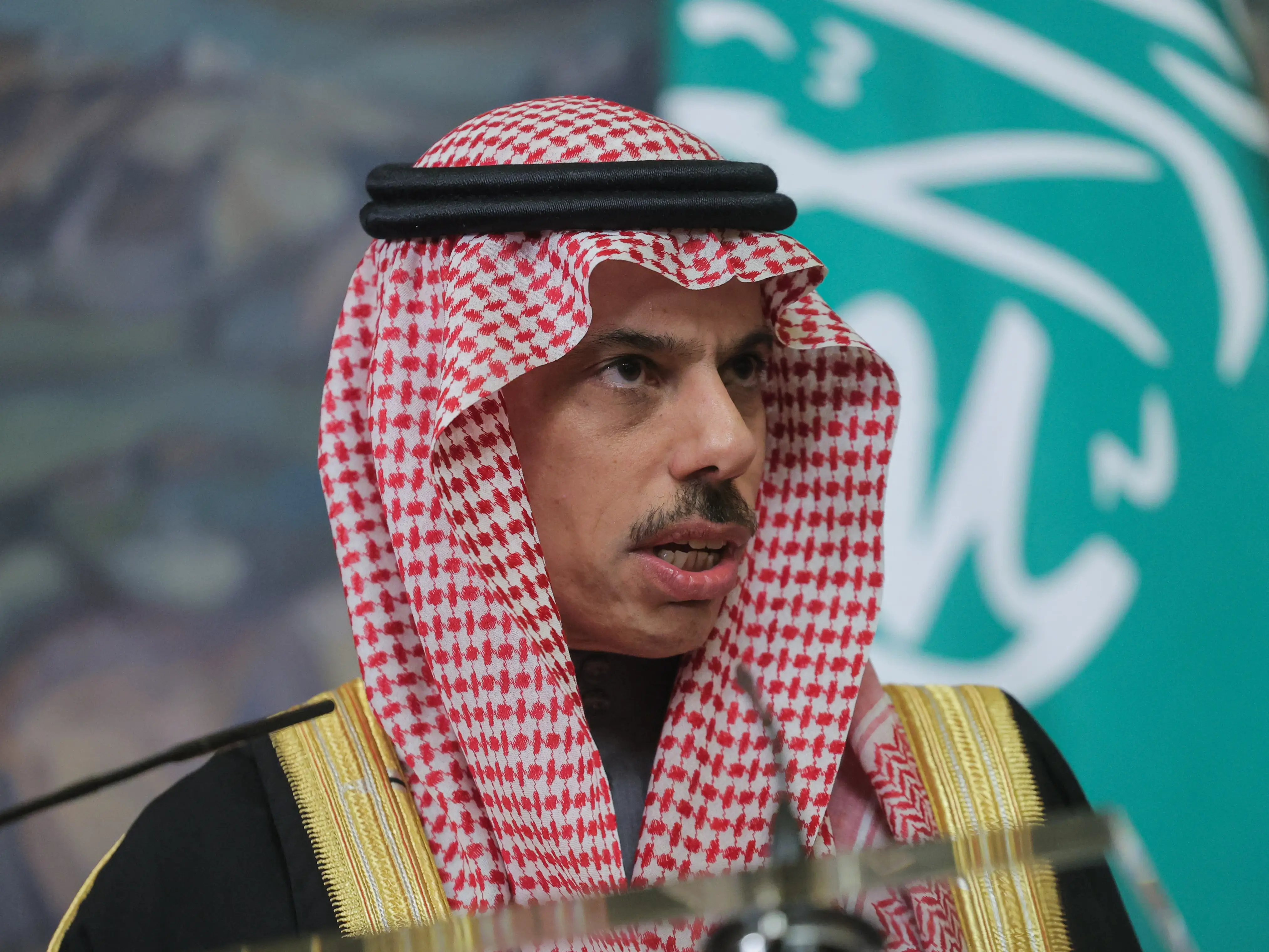
Global community 'absent' in Gulf crisis: Saudi at UN calls for freedom of navigation, pre war status for Hormuz
&imwidth=180&imheight=135&format=webp&quality=medium)
Farhan, who went viral for AK47 celebration vs India in Asia Cup, hopes to lead Pakistan beyond Asian Games
&imwidth=180&imheight=135&format=webp&quality=medium)
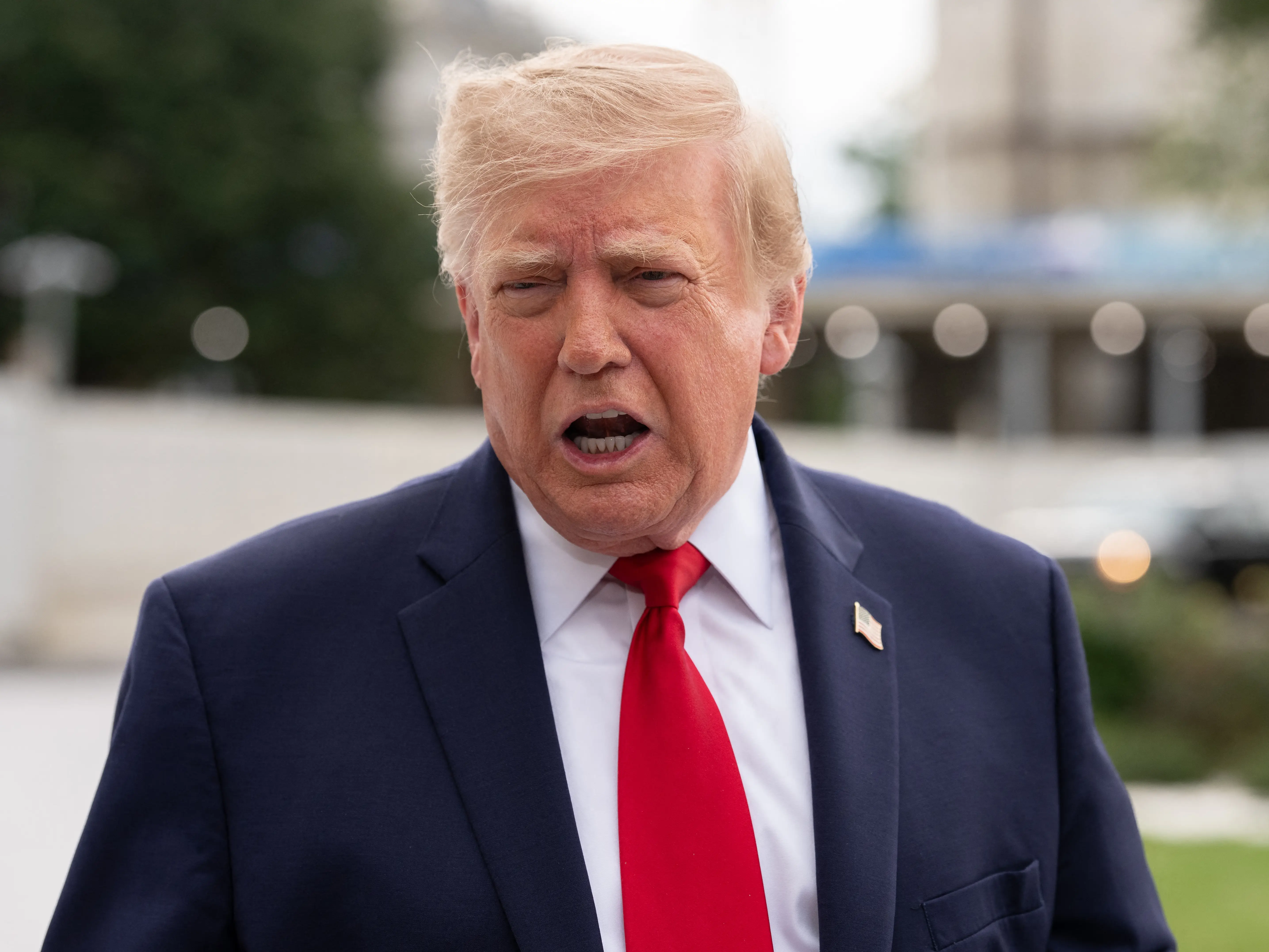
‘I rejected it’: Trump confirms turning down Iran’s proposal to reopen Hormuz, claims Tehran is losing ‘badly’
&imwidth=180&imheight=135&format=webp&quality=medium)
Russia will achieve Ukraine war aims; Europe doing everything to block peace talks: Lavrov at UN
Since this report rubbed many the wrong ways, the Kasturirangan committee was set up to review the Gadgil committee report. The Kasturirangan committee recommended to incentivise green growth that promotes sustainable and equitable development bringing only around 37 per cent Ghats area under the ESA out of the entire 1,64,000 sq km. Although significantly reduced, as compared to Gadgil Committee report, the area of 56,000 sq km recommended by Kasturirangan Committee report includes around 68-odd existing Protected Areas covering around 17,000 sq km area. The Central Government tried to bring in three draft notifications for declaring this as the Western Ghats Ecologically Sensitive Area (WGESA).
However, none of the state governments concerned have shown any inclination to support this notification. Rajya Sabha Committee on Government Assurances has recently expressed its dissent over the insensitive approach of the concerned state governments as the mayhem caused by 2018 Kerala floods is believed to have resulted due to illegal quarrying and deforestation that triggered landslides in the Ghats. In 2014, a village named Malin was buried under a massive landslide at the foothills of Ghats in Maharashtra largely due to deforestation and unsustainable agricultural practices on the hills above.
Had the state governments adopted the WGESA notification, perhaps the above catastrophes costing thousands of human lives could have been avoided. There is an increasing trend to convert privately-owned forests to monoculture plantations of exotic species such as rubber causing severe loss of biodiversity and associated ecological services. Illegal hunting and indiscriminate plant collection by some local communities are other threats for the local biodiversity. Haphazard and unsustainable tourism development in existing ESAs such as Mahabaleshwar-Panchgani is playing havoc with natural ecosystems. Despite being one of the wettest areas, drinking water shortage and depletion of groundwater have emerged as major environmental issues.
India’s economic policies should be built on strong ecological foundations that ensure an environmentally sound and sustainable future to 50 million people and prevent species extinction of this beautiful landscape.
(This article was originally published on The DNA. Read the original article)
(Disclaimer: The opinions expressed above are the personal views of the author and do not reflect the views of ZMCL)