
&imwidth=800&imheight=600&format=webp&quality=medium "From battlefields to minds: How the evolution of warfare has made cognitive operations central to modern conflict")
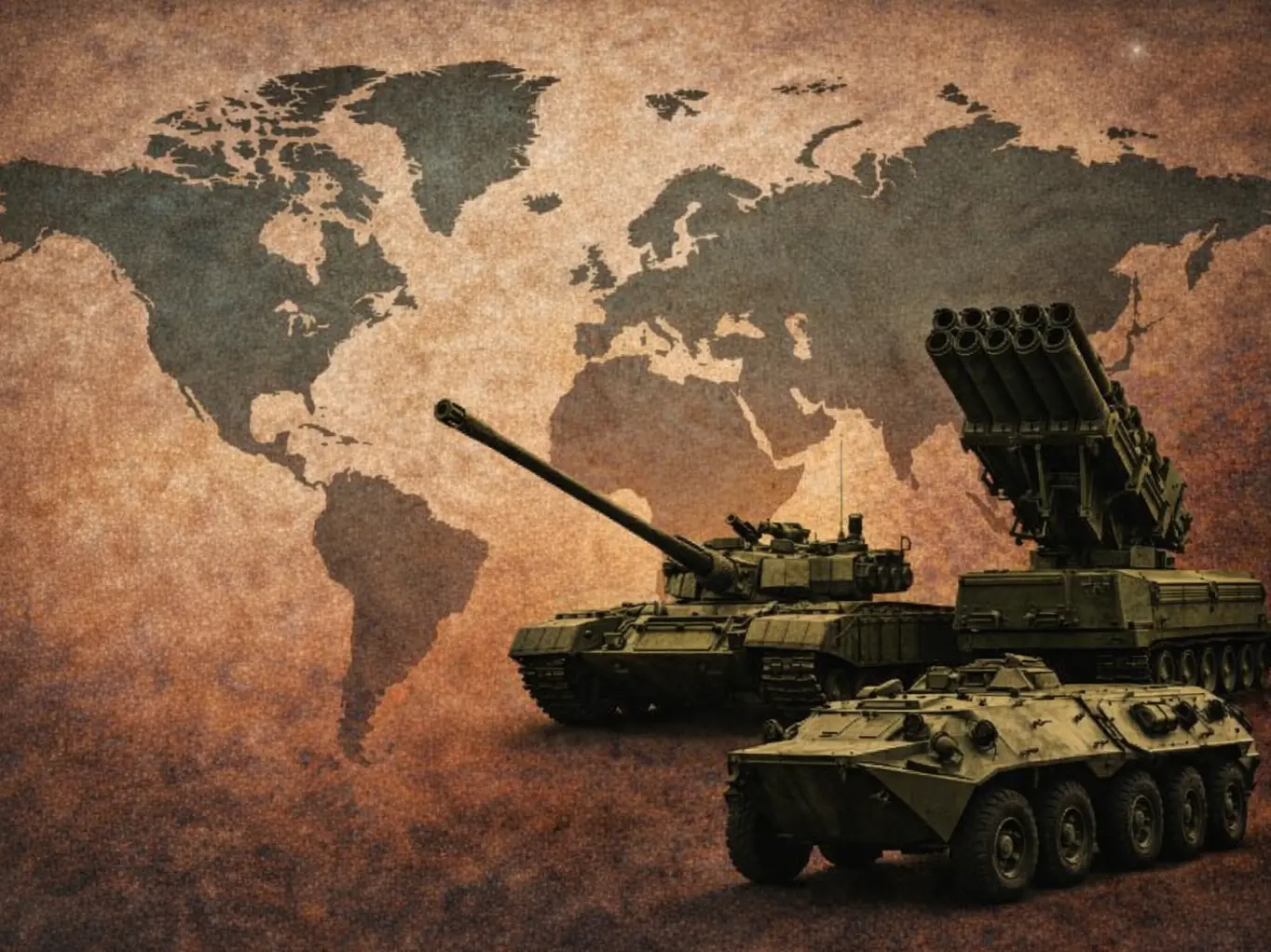
Warfare has never been static. Over centuries, the ways in which nations fight and the means they use to influence outcomes; have constantly adapted to technology, society and geopolitics. Today, as conflicts unfold across different parts of the world, we are witnessing another major shift. Battles are no longer confined to land, sea, air or even cyberspace. Increasingly, they are being fought in the cognitive domain; the realm of perception, beliefs, emotions and decision-making.
To understand why cognitive operations have become so important, it is helpful to revisit how warfare itself has evolved.
The Five Generations of Warfare: A Quick Journey

1. First Generation Warfare (1GW): The Age of Lines and Columns
The earliest organised wars were dominated by mass formations of soldiers standing shoulder-to-shoulder. Order, discipline and direct confrontation defined battles. Influence was physical and visible.
2. Second Generation Warfare (2GW): Industrial Firepower
Trending Stories
)
US Supreme Court backs Trump administration's use of SAVE database to check voter citizenship
)
Heart of the Beast review: Brad Pitt leads a gripping tale of survival and loyalty
)
Outrage erupts after 3-year-old is married to 60-year-old man in Pakistan, link to her sister's murder being probed
)
Pakistan deploys over 20,000 security personnel as PTI vows march for Imran Khan's release
)
Asian Games: Shooting spree continues as India win silver in women’s 50m rifle 3P team event
)
‘Not just a local tragedy’: Nepal PM Shah warns UN of growing climate threat, says Nepal floods were 'a warning to the world'
)
OpenAI AI Agents hacked 4 websites before Hugging Face, researchers reveal
)
Pentagon quietly adds 37 wounded troops to Iran war tally without explaining when or how
&im=FitAndFill=(700,400))
New Friday OTT releases (September 25, 2026): Don’t Be Shy, Hunkkaar: The Roar, Mango Pachcha- 6 movies and TV shows on Netflix, Prime Video and more
)
Yemen's war escalates: Saudi-backed leader calls for general mobilisation against the Houthis
)
‘Attack on Mecca a red line for Pakistan’: Shehbaz Sharif warns Houthis at UN
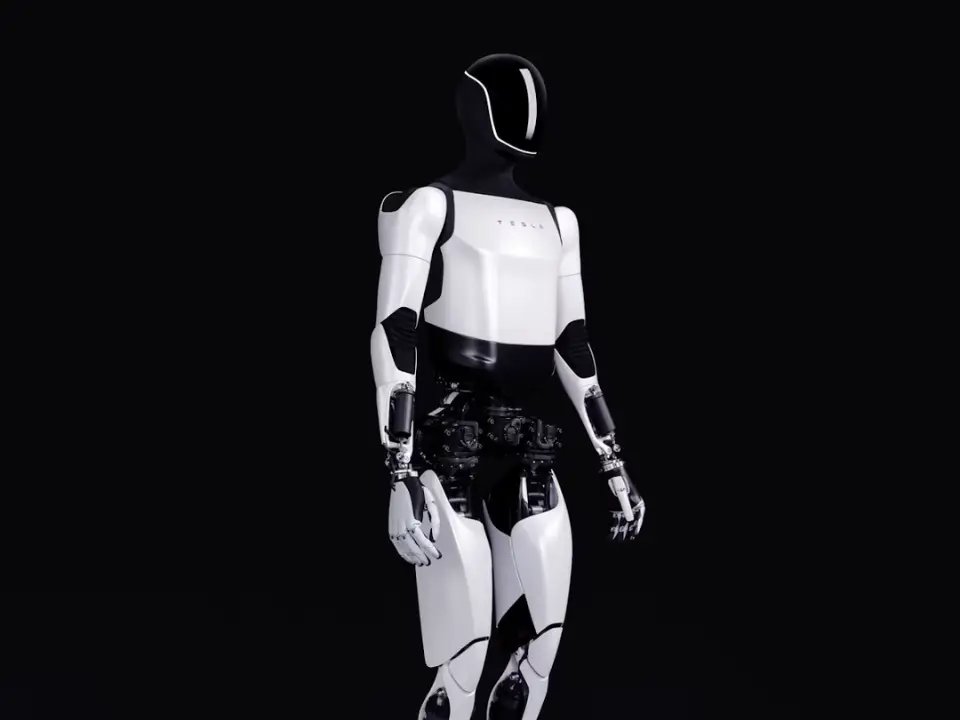)
Tesla is preparing something big for Optimus: new Gen 3 models surface in app
)
Bias or safety concerns? Bengaluru CEO says firm will not hire men from UP, Bihar, Rajasthan, MP. Here's why
)
Did Hitler kill his niece Geli Raubal? Newly found records reopen a 95-year-old mystery
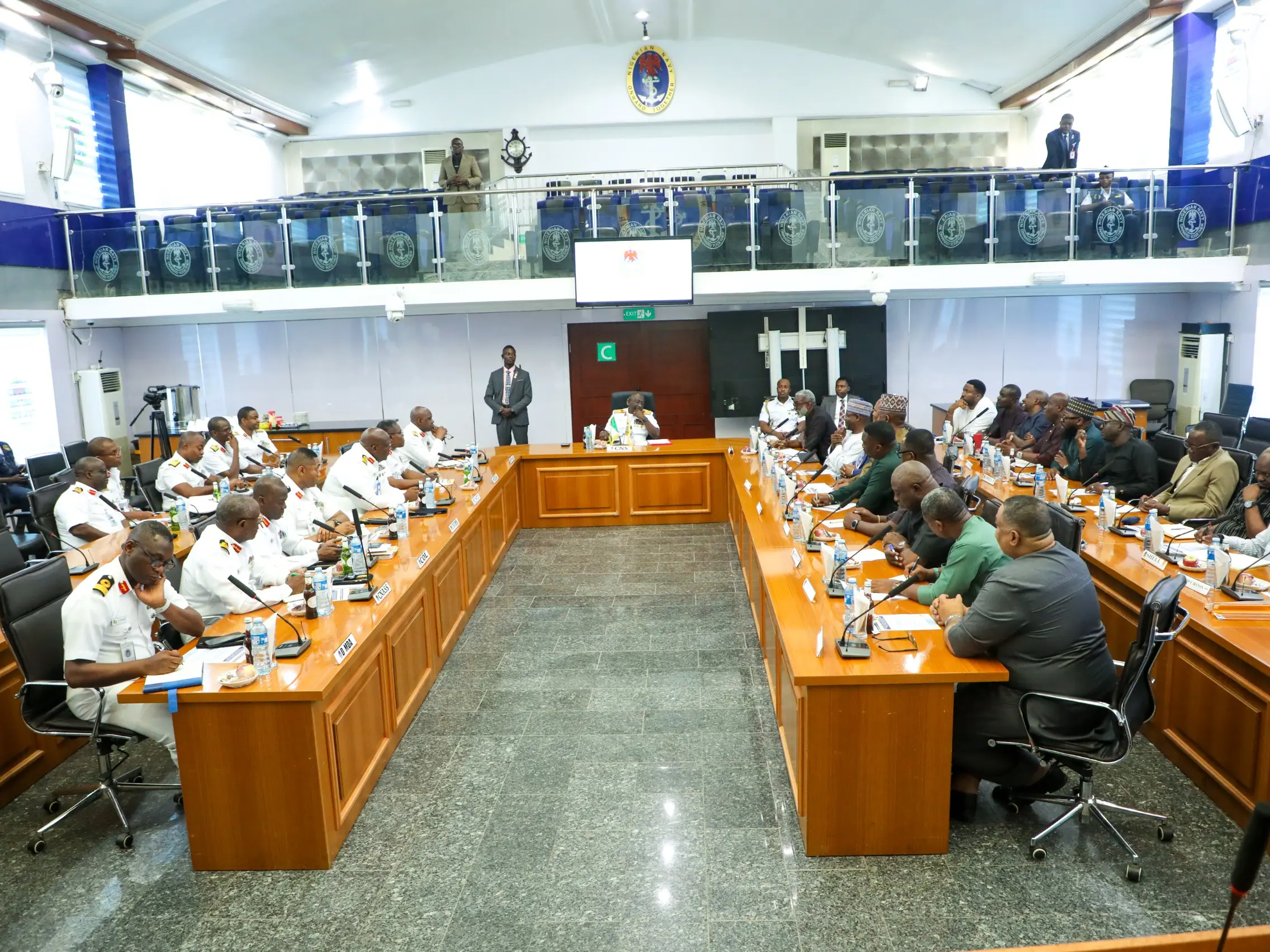)
Nigeria Navy moves to boost oil security, tackle crude theft and infrastructure threats
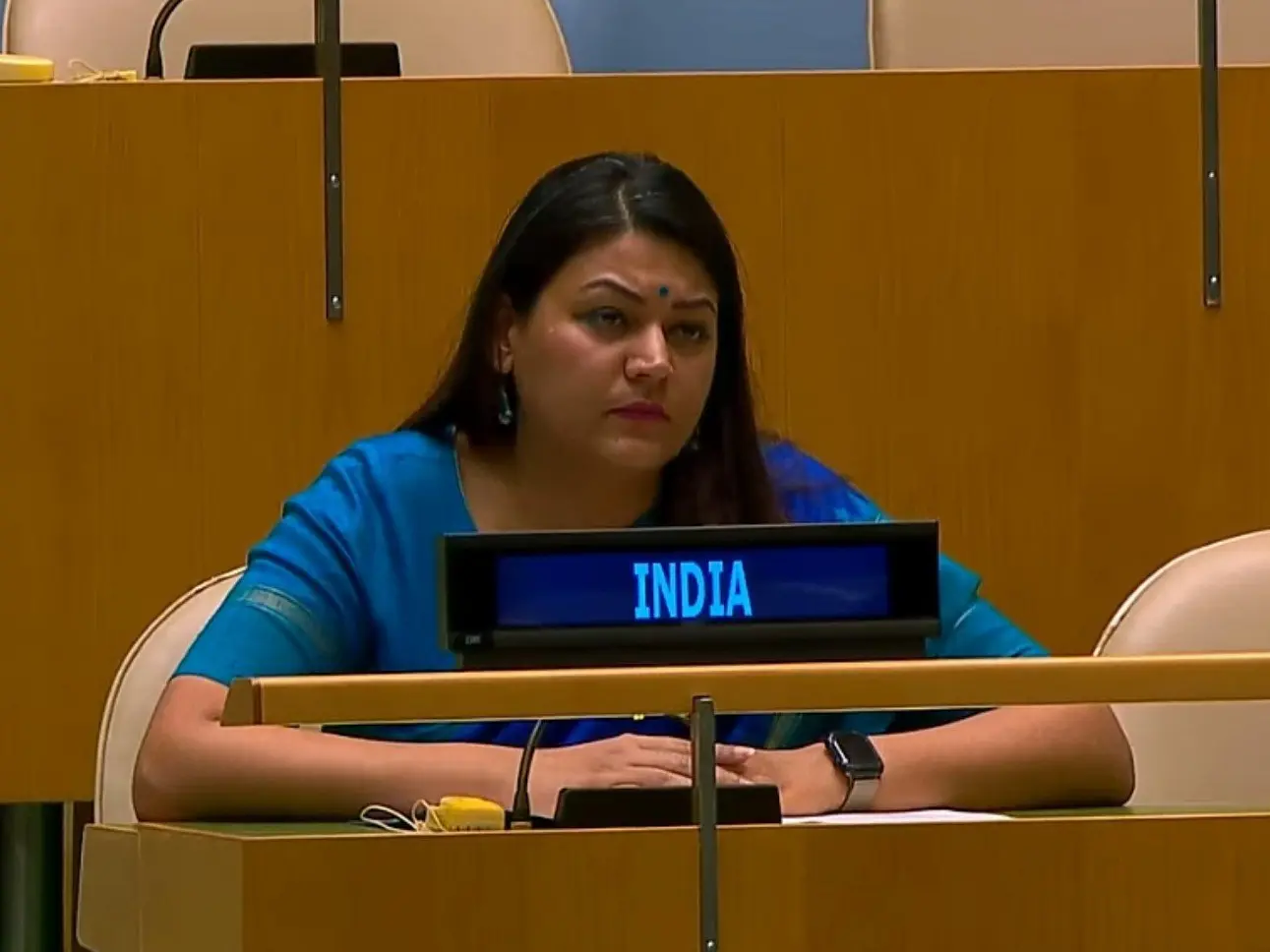)
Indian diplomat Petal Gahlot raises deteriorating situation in Pakistan-occupied Kashmir in right of reply at UN
)
Scientists detect first radio signals directly from faraway planet
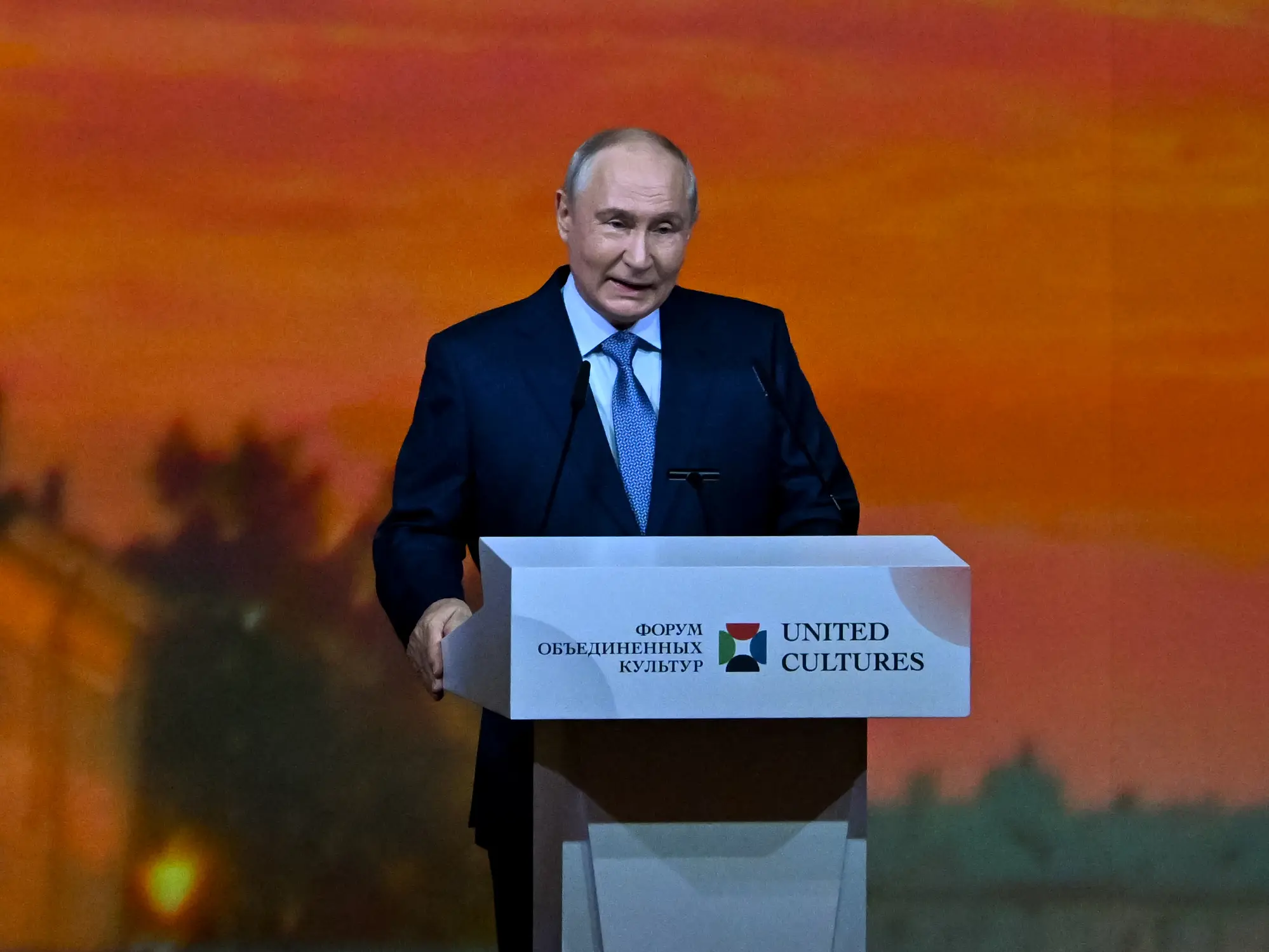)
‘It is all possible’: Putin weighs next steps on Ukraine talks, rules out Europe conflict
)
10,000 gather in support of 87-year-old forcefully evicted from home of 71 years
)
Trump rejects Iran's 7-day ceasefire proposal as US weighs renewed bombing after midterms: Report
)
Red Sea crisis: Houthis promise not to target European ships; UNSC condemns Saudi attacks
)
Gaza's war turned environmental damage into second crisis
)
Trump-Xi summit wrap: Big pageantry, Iran talks, few major developments and more meetings planned
)
'Making history': Xi Jinping praises Trump as US-China leaders dine at White House
)
'We do not wish to continue. It's America that must choose': Iran president Pezeshkian calls on US to end war
)
India's UN Envoy slams Pakistan: 'They claim security by day, terrorism by night'
)
Bollywood mourns Mushtaq Khan: Sunny Deol, Rajpal Yadav and others pay tribute
)
Myanmar training camp case: US national, 6 Ukrainians allowed to meet their families abroad
)
'FIRST LOOK from inside Noah’s Ark': Researchers share video from inside mysterious mound in Turkey
)
Cindy Crawford’s son Presley Gerber cremated as death probe continues
)
WATCH | As Shehbaz Sharif claims Pakistan’s ‘victory’ during 2025 conflict, Indian diplomat R Srinivas laughs at UN
)
'A terrorist country is asking me that question?': Jaishankar hits back at Pakistani journalist at UN; flags attacks on commercial shipping
)
Army chief reviews operational preparedness along LoC, visits mega eye camp in Tangdhar
)
US court backs Pentagon's decision to exclude Anthropic over Claude AI restrictions
The advent of artillery, machine guns and mechanised forces changed the battlefield dramatically. Firepower became more decisive than manpower. The aim was to wear down the enemy through sustained strikes.
3. Third Generation Warfare (3GW): Manoeuvre and Speed
Later, militaries learned to avoid direct attrition and instead rely on mobility, surprise and rapid penetration. Blitzkrieg-style tactics, decentralised execution and initiative became key elements.
4. Fourth Generation Warfare (4GW): The Blurring of Lines
By the late 20th century, the clear divide between combatants and civilians began to erode. Non-state actors, insurgencies, media narratives and public sentiment became important factors. Legitimacy and perception started influencing outcomes as much as firepower.
5. Fifth Generation Warfare (5GW): The Battle of Influence
In the last decade, strategists have observed a new shift towards wars without formal declarations, where influence becomes the primary weapon. Here, the focus is on shaping how societies think, react and decide. Actors aim to achieve strategic results without large-scale kinetic conflict.
This is where cognitive operations take centre stage.
Cognitive Operations: The Logic of the Next Generation
Cognitive operations are deliberate actions by state or non-state actors to influence the mental landscape of individuals, groups and institutions. Unlike propaganda of the past, which was often one-directional and slow, today’s cognitive efforts are fast, targeted and often personalised.
They take advantage of:
- digital and social media platforms
- emotional storytelling through influencers
- selective information release
- misinformation and disinformation
- data-driven targeting
- AI-generated content
- behavioural insights and psychological triggers
The aim is not merely to deliver information, but to shape interpretation to influence how people understand events, evaluate options and choose actions. This is the essence of Fifth Generation Warfare: winning without fighting, through influence instead of destruction.
What Today’s Conflicts Reveal
Across multiple global conflicts, regardless of which actors are involved, a few trends are clear.
1. Narrative Shape Outcomes
The earliest videos, images or explanations from a conflict often set the tone for global opinion. Even if later corrections emerge, the first impression tends to stick. This “first-frame effect” shows how crucial early narrative control has become.
2. Information Velocity Is a Strategic Factor
Earlier wars had time for verification. Today, information spreads faster than official statements. Actors who recognise this speed advantage can shape public understanding before facts can be confirmed.
3. The Grey Zone Is Now Cognitive
Many tensions across the world occur below the threshold of declared conflict. These “grey zone” activities, ambiguous military signalling, diplomatic messaging, cyber intrusions, and online narratives, seek psychological and political effects rather than territorial gains. They work by influencing risk perception, expectations and political discourse.
4. AI Is a Game-Changer
Artificial intelligence now allows anyone to create convincing synthetic audio, video and imagery. This lowers the cost of influence and increases the scale of cognitive operations. Distinguishing truth from fabrication is becoming harder.
5. Civilians Are Active Participants
Frontline journalists, local residents with smartphones, diaspora communities and online volunteers all shape global perceptions. Their posts often travel faster than official briefings, making the cognitive domain highly decentralised and complex.
Why Cognitive Resilience Matters for Nations
As warfare has evolved from physical destruction (1GW–3GW) to a contest of legitimacy and perception (4GW–5GW), national security now depends heavily on cognitive resilience; the ability of societies to absorb, interpret and respond to information without being misled or manipulated.
Nations must therefore strengthen:
- public trust through transparent communication
- digital literacy in schools and colleges
- fact-checking networks
- ethical and credible media ecosystems
- AI tools for detecting manipulated content
- whole-of-nation partnerships involving government, industry, academia and civil society
Just as countries build air defence or cyber defence, they must now build cognitive defence.
The Road Ahead: Preparing for 6th Generation Warfare?
Some scholars argue that the next stage, perhaps a future Sixth Generation Warfare, will integrate physical, cyber, space and cognitive domains seamlessly. In such an environment, influence and perception may determine outcomes even before any physical confrontation occurs.
In my opinion, this vision holds true. Cognitive operations will not just be a component of warfare; they will be the central operating logic.
Conclusion: The Mind as the Final High Ground
Looking back at the evolution of warfare, one pattern is clear: each generation expanded the battlespace. From linear formations to firepower, from manoeuvre to insurgency and media warfare, conflict has steadily moved closer to the human mind.
Today, cognitive operations represent the next step in this progression. They challenge nations not just to defend territory, but to defend understanding. They show that security is no longer limited to borders; it now exists in beliefs, perceptions and the shared narratives that hold societies together.
Modern conflicts remind us that while armies may win battles on the ground, it is the control of perception that often shapes the political and strategic outcomes.
In the era of Fifth Generation Warfare, the mind has become the final high ground. And nations that recognise, prepare for and adapt to this reality will be best positioned to protect their interests and maintain stability in an increasingly complex world.
