‘Slapping Democracy’? Mahatma Gandhi, Rekha Gupta, Donald Trump & global politics of ATTACKS that deface humane civility

&imwidth=600&imheight=450&format=webp&quality=medium "‘Slapping Democracy’? Mahatma Gandhi, Rekha Gupta, Donald Trump & global politics of ATTACKS that deface humane civility")
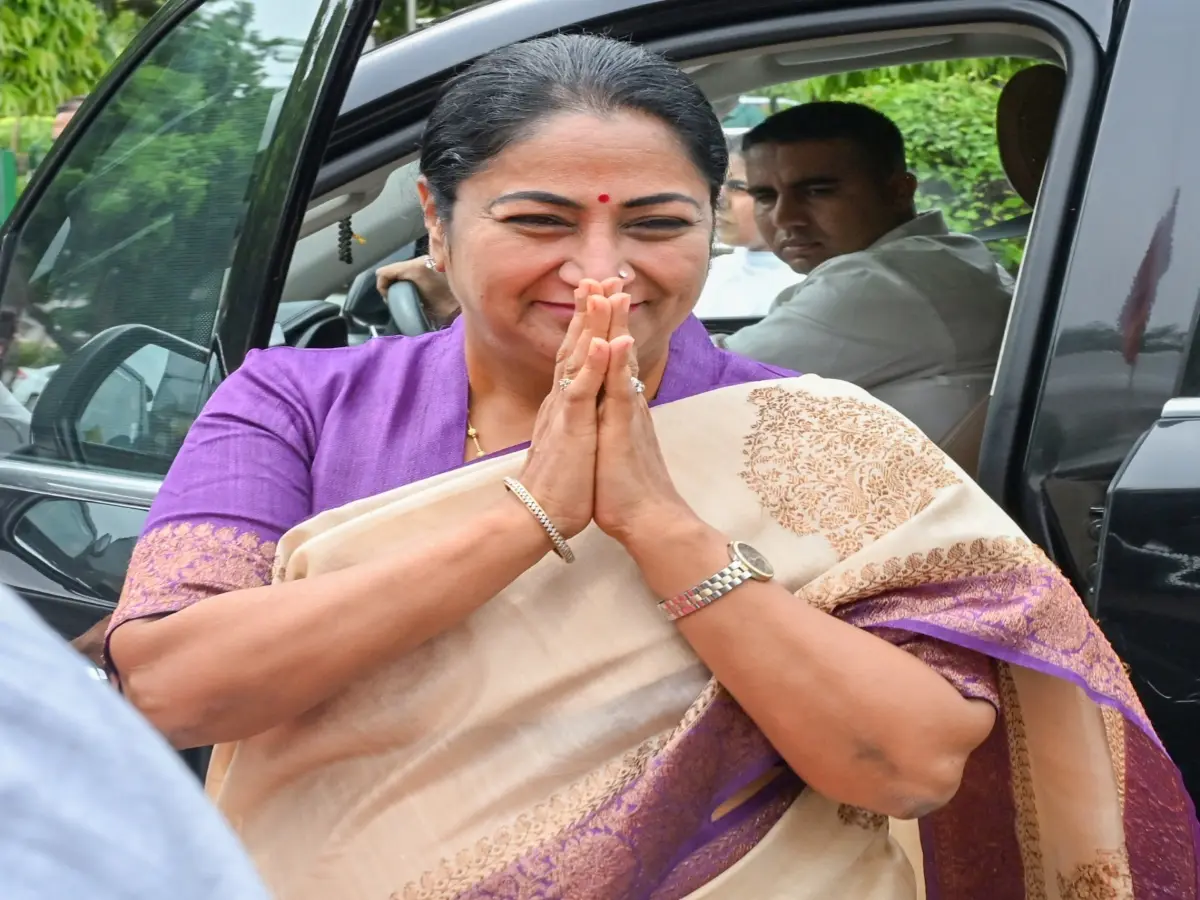
Delhi Chief Minister Rekha Gupta Photograph: (ANI)
AI tools can flood platforms with misleading material that incites anger and pushes individuals towards extreme views, especially during high-stakes periods like elections.
Violence in politics, marked by slaps, shoe-throwing, and other assaults, has long cast a shadow over democratic societies. From the assault on Mahatma Gandhi in South Africa nearly five decades before India's independence in 1947 to the recent attack on Delhi Chief Minister Rekha Gupta, such acts of violence and animosityhave reverberated globally, targeting prominent leaders. In a democracy built on the principle of being of the people, by the people, and for the people, these incidents are wholly unacceptable. While the right to disagree or dissent is a cornerstone of democracy, physical violence has no place in a civilised setup and it could be largely seen as slapping on democracy in public discourse.
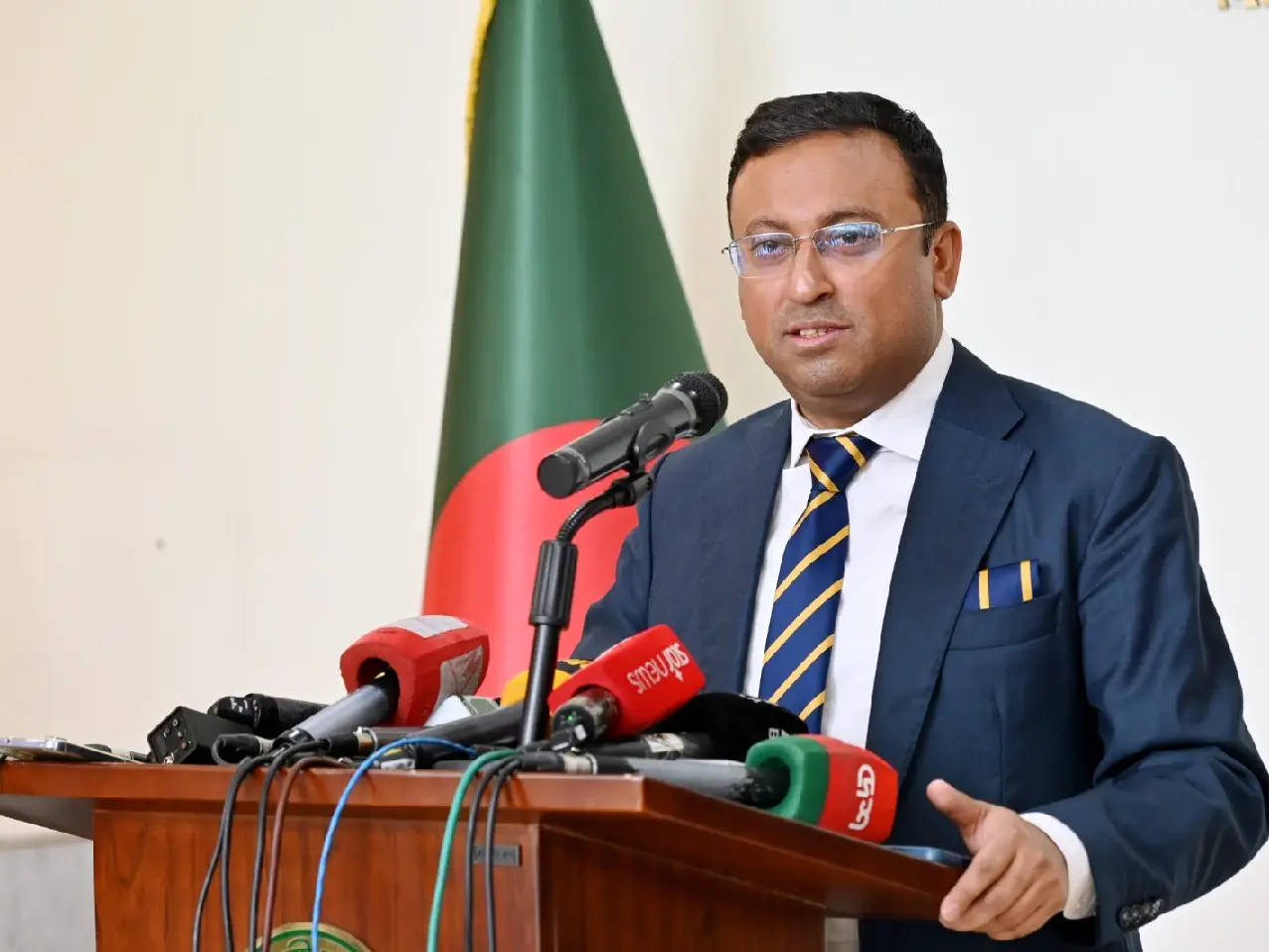
The latest case involving Rekha Gupta unfolded during a public hearing, or "Jan Sunwai", at her official residence. A young man approached her, handed over some papers, and then allegedly attacked her like a bolt from the blue. The attacker was swiftly detained, and the Chief Minister was reportedly taken to hospital for medical checks. Leaders across political spectrum condemned the act, with the BJP voicing strong outrage over the incident. The Rekha Gupta government, in its first 100 days, has been steering Delhi towards inclusive and sustainable development under the "Viksit Delhi" vision matching the pace of PM Modi’s Viksit Bharat mission.
Such safety-valve-eruption ofoutbursts do more than harm individuals; they shake the foundations of democratic systems and liberal ideals. They expose deep social fissuresas well as reflect frustration and intolerance among people as if they are sitting on a short fuse. Attacks on leaders erode public safety and order, pushing nations towards unrest. Research from the London School of Economics points to the "Black Sheep Effect", where individuals lash out at politicians seen as betraying group norms or threatening shared identities. These knee-jerk reactions often stem from perceived failures in policy or leadership that strike at personal or community concerns.
The rise of artificial intelligence-driven deepfakes and unregulated social media content has, as experts opine, worsened the climate of political hostility. AI tools can flood platforms with misleading material that incites anger and pushes individuals towards extreme views, especially during high-stakes periods like elections. Reports warn that synthetic media, including deepfakes, could be weaponised to undermine trust in polls and fuel violence. With limited oversight, this trend heightens the risk of radicalisation, turning online grievances into real-world actions.
High-profile attacks across globe
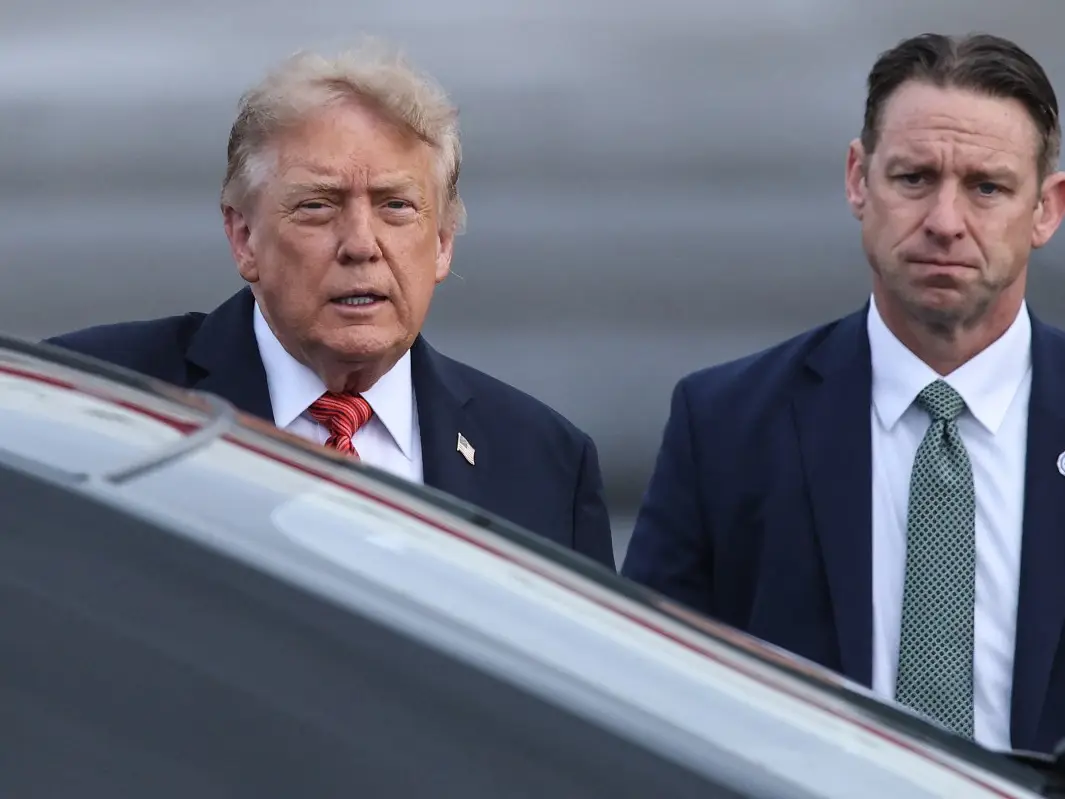
In recent years, several high-profile cases of violence against politicians have grabbed global attention. On July 13, 2024, former US President Donald Trump, the Republican nominee for the presidential race, narrowly escaped an assassination attempt at a rally in Butler, Pennsylvania. A 20-year-old gunman, Thomas Matthew Crooks, fired shots from a nearby rooftop, grazing Trump’s ear. The incident sparked intense debates on security and polarisation in American politics.
Trending Stories
)
)
)
)
)
)
)
)
&im=FitAndFill=(700,400))
)
)
)
)
&im=FitAndFill=(700,400))
)
)
)
)
)
)
)
)
)
)
&im=FitAndFill=(700,400))
)
)
)
)
)
)
)
)
Indian leaders under fire
Closer home, Indian leaders have faced similar shocks. In May 2019, Delhi Chief Minister Arvind Kejriwal was slapped during a roadshow in Moti Nagar while campaigning for his party’s candidate. The attacker cited local grievances, showing how public discontent can spill into violence. In 2011, Union Agriculture Minister Sharad Pawar was slapped by a 27-year-old auto driver, Harvinder Singh, who blamed the minister for rising prices. More recently, on June 6, 2024, BJP MP Kangana Ranaut alleged she was slapped by a CISF constable at Chandigarh airport amid tensions over farmer protests, leading to the officer’s suspension. In 2009, former Home Minister P Chidambaram faced a shoe-throwing incident at a press meet, with the journalist protesting his stance on the 1984 anti-Sikh riots.
Global episodes of political violence
Beyond India, global leaders have not been spared. In 2021, French President Emmanuel Macron was slapped during a public walkabout, an act that stunned viewers worldwide. In 2008, Iraqi journalist Muntazer al-Zaidi hurled his shoes at then-US President George W. Bush during a Baghdad press conference, protesting the Iraq war. Italy’s former Prime Minister Silvio Berlusconi suffered serious injuries in 2009 when struck with a metal statue in Milan, losing significant blood. Brazil’s President Jair Bolsonaro was stabbed during his 2018 campaign, an attack that boosted his popularity and aided his victory. In 1991, German Chancellor Helmut Kohl clashed with protesters in eastern Germany after being pelted with eggs and paint, requiring security intervention.
Lighter but disruptive attacks
Some incidents, while less severe, remain disruptive. Britain’s former Deputy Prime Minister John Prescott punched a protester in 2001 after an egg was thrown at him during an election event. Canada’s ex-Prime Minister Jean Chretien and Sweden’s King Carl XVI Gustaf were hit with pies around 2000-2001, often by activists making a statement. UK politician Nigel Farage, known for his Brexit campaign, had a milkshake thrown at him in 2019, part of a wave of such protests against right-wing figures.
Broader pattern, its impact
These events, spanning continents, reveal a pattern where frustration meets opportunity, often amplified by media coverage. Data from tracking groups show over 300 cases of political violence in the US since 2021, with a rise in 2024 amid election fever. In Europe, threats to elected officials are climbing, linked to economic woes and ideological rifts. Such assaults breed fear among public figures, potentially discouraging capable individuals from entering politics. They also deepen societal divides, with sympathisers rallying around victims while critics downplay the acts. In India, where elections draw massive crowds, ensuring leader safety is a logistical challenge, as past lapses show.
Strong legal action against perpetrators is crucial, but addressing root causes like inequality and misinformation is equally vital. Governments, educators, media, and civil society must collaborate to instil civic values and promote dialogue over discord. Youth, often at the forefront of such incidents, need guidance to channel dissent through peaceful means like voting or protests.
Vibrant democracies thrive on debate, not violence. As the attack on Rekha Guptadeeply underlines the downfall of civility in society and political circle, ignoring this menace risks pushing nations towards instability. A collective commitment to non-violence is essential to preserve the essence of people-driven governance across the world.