Xi's toughest test yet?

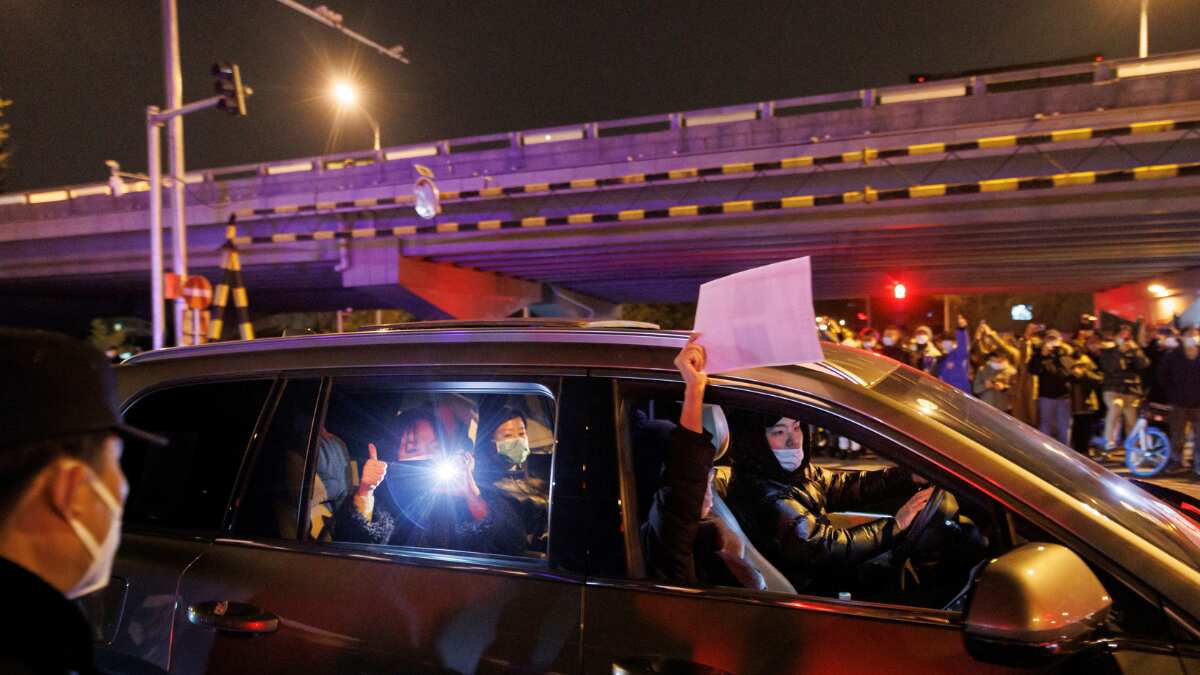
China Covid protests
Just over a month ago, Xi Jinping paraded his team of loyalists picked from among top officials of China to signal his complete grip on the Chinese Communist Party (CCP) and the government. Each of the seven members of the politburo standing committee -- the topmost decision-making body in the country -- were his allies, making him the most powerful president in China's history.
It would have been unthinkable at that point to foresee anyone raising even a finger against him, let alone call for his resignation. But that is exactly what happened as protests flare up in different parts of the country over Beijing's severe Zero Covid policies. In Shanghai, protesters called for Xi and CCP to step down. In Tsinghua university in China people called for democracy and rule of law. Chinese students studying abroad also echoed these cries during protests in Australia and Britain. "It’s unbelievable 33 years after Tiananmen Square movement such slogans could be shouted out loudly," tweeted Vivian Wu, former Beijing bureau head of BBC and chief editor of Chinese news website Intium.
Also Read |Several detained in Shanghai as protests intensify in the country Protests demanding an end to draconian Covid restrictions are being reported from several places like Xian, Nanjing, Chongqing, Chengdu, Wuhan and others. Intium said protests have erupted in 79 universities across 15 provinces. Protests happen often in China, but mostly over local issues or against private sector companies. Rarely does the country witness mass protests targeting top officials in Beijing or the Communist Party. Nor is it common to see protests break out in several provinces at the same time over a common cause. What sparked the current protests was the fire in Urumqi where at least 10 people died in a building which was under lockdown. Local reports say people could not leave the building despite the raging blaze while fire engines could not reach the scene as officials had blockaded the way with vehicles to isolate the building. Urumqi is the capital of Xinjiang province where over a million Uighur Muslims have been kept in reorientation camps by the local administration. Reports about this have never evoked anger or protests in other parts of China as the society usually looks the other way when it is a matter involving state policy and carry on with their life. That’s all in the past now. The frustrations and uncertainty that the pandemic has brought in, coupled with its effect on local economies, have been mounting for a while. Hopes that Beijing will ease some of its restrictions after the party congress were quickly dashed and state media has doubled down on continuing such measures.

Xi himself had spoken about the need to steel up and continue the fight against the virus, virtually making the Zero Covid policy his signature campaign. The reappointment of Xi for a third term has made it clear that top-down administration will continue, and the local provinces will have no say in policies. In fact, regional authorities compete to make the clampdown as severe as possible. The despair of the people is leading to a rising anger as they see the rest of the world opening up and beginning to function normally despite the virus continuing to infect people. Realising this, the state media has now started to avoid showing crowd shots during the telecast of World Cup Football and replace it with close-up shots of players and the bench. Chinese bots have also flooded the domestic internet with promotion messages of call girls, making it difficult for people to find what is happening in different parts of the world. By Monday, it had spread to Twitter to make it difficult for the overseas Chinese also. Unlike earlier protests, this has not suppressed the demands for change in Covid isolation policies. More surprisingly, it has been morphing into a demand for democracy and freedom, at a time when the CCP is telling the world that their governance system is more effective than those practised in democratic countries.
Watching the video of protests happening in various parts of China, one cannot but recall the similarities between what happened in Hong Kong in 2019. The protests were often led by youngsters, universities became platforms of dissent and demonstrators used the same ingenious methods as holding up blank papers instead of banners, prompting some to dub it as A4 protests. The question now is - can Beijing use the same ham-fisted tactics they used in Hong Kong to quell this rising anger in China? In 1989, when student-led protesters amassed in Tiananmen Square, the communist party leaders had no qualms in using brute force to end the protests which called for democracy and freedom. Can China pull it off again at an age where social media makes it difficult to stop the flow of information? It all looked under control for Xi when he unveiled the new party leadership before the world last month, but a few weeks hence, the man who promised to make China the topmost nation in the world is facing the biggest political challenge of his career, that too one that has grown organically.
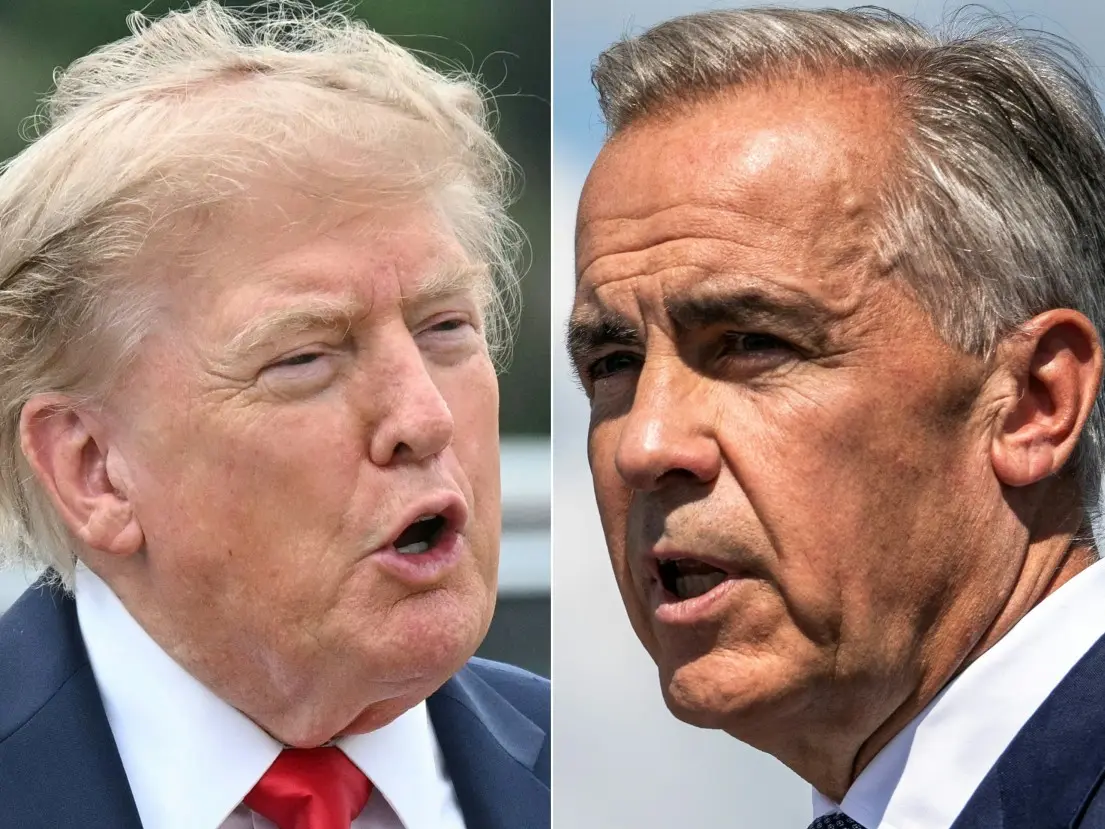)
What’s in a name? Trump’s 'Lake America' move gets a tit-for-tat response from Canada
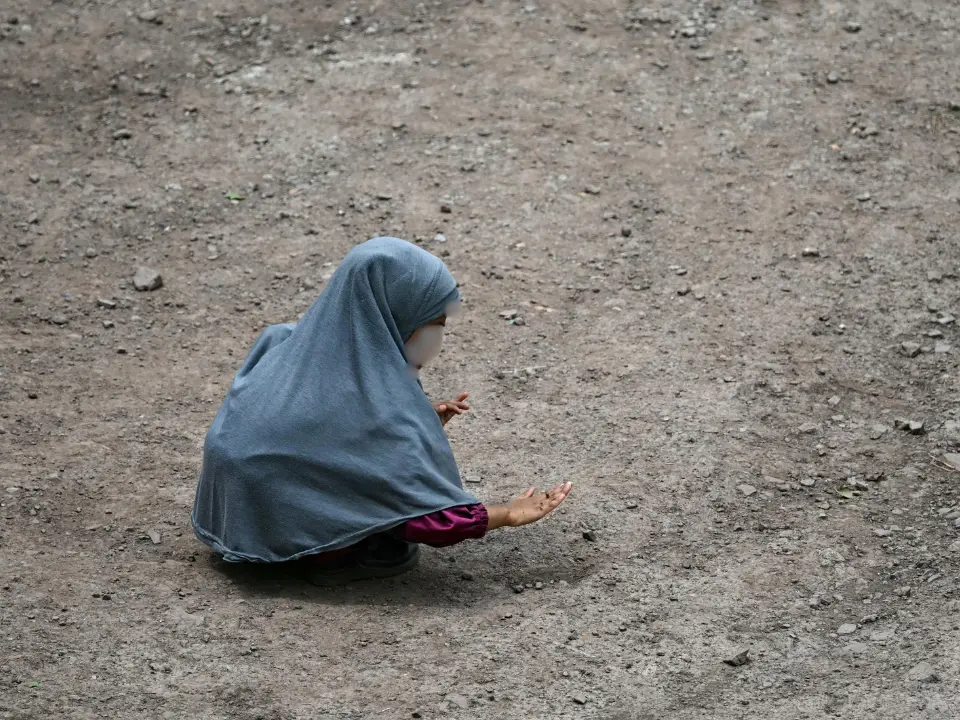)
Outrage erupts after 3-year-old is married to 60-year-old man in Pakistan, link to her sister's murder being probed
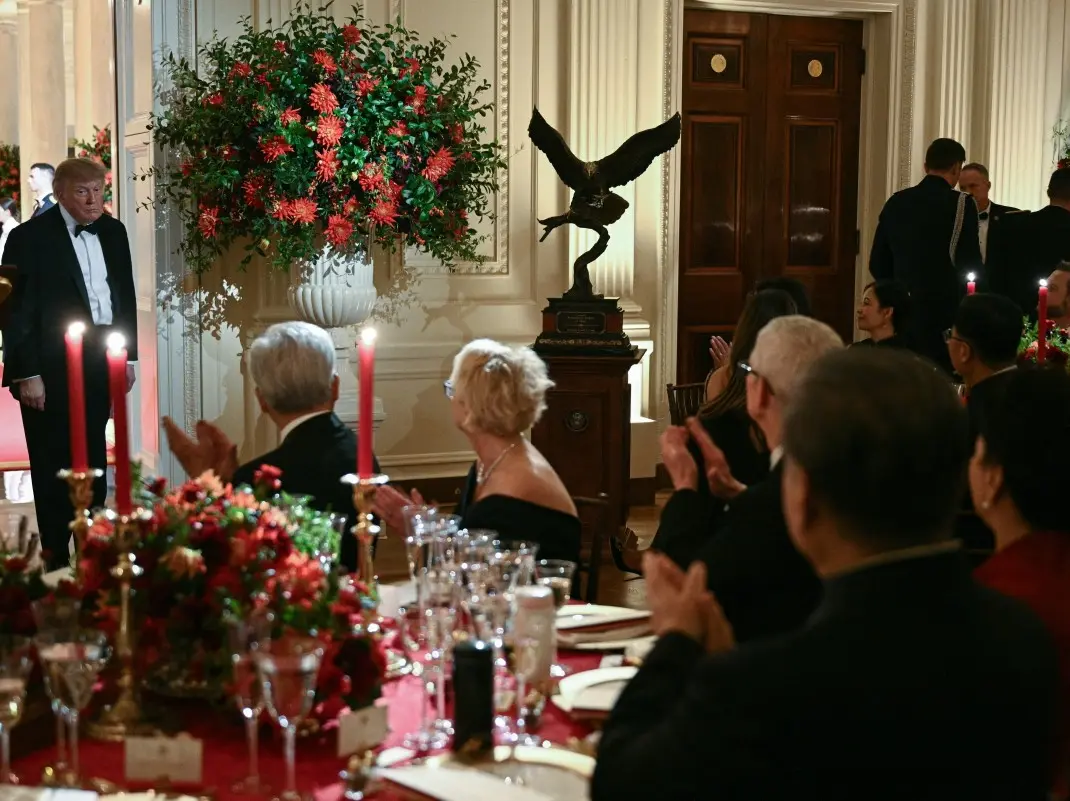)
Trump gifts Xi a bald eagle sculpture at White House dinner: Here’s what it symbolises
)
‘Not just a local tragedy’: Nepal PM Shah warns UN of growing climate threat, says Nepal floods were 'a warning to the world'
)
CNN, Politico and MS NOW back in White House after judge blocks Trump’s media ban
)
Farhan, who went viral for AK47 celebration vs India in Asia Cup, hopes to lead Pakistan beyond Asian Games
Don't Be Shy movie review: A frothy coming-of-age tale that is too shy to experiment
)
IIT Bombay CCTV footage emerges: Sahil Wakode seen looking at phone in examination hall
)
Welcome actor Mushtaq Khan dies at 56 after battling cancer
)
Tesla is preparing something big for Optimus: new Gen 3 models surface in app
)
Bias or safety concerns? Bengaluru CEO says firm will not hire men from UP, Bihar, Rajasthan, MP. Here's why
)
Trump's welcome to Xi demonstrates 'attraction' to dictators: Chuck Schumer
)
Nations League: Germany draw on Klopp debut; Portugal, Norway win
)
WION Iconic Tourism Summit 2026: Union Minister Shekhawat on 'experiential travel', peace diplomacy
)
Scientists detect first radio signals directly from faraway planet
)
A seven-day roadmap? Iran proposes plan to end war, reopen Strait of Hormuz and resume nuclear talks
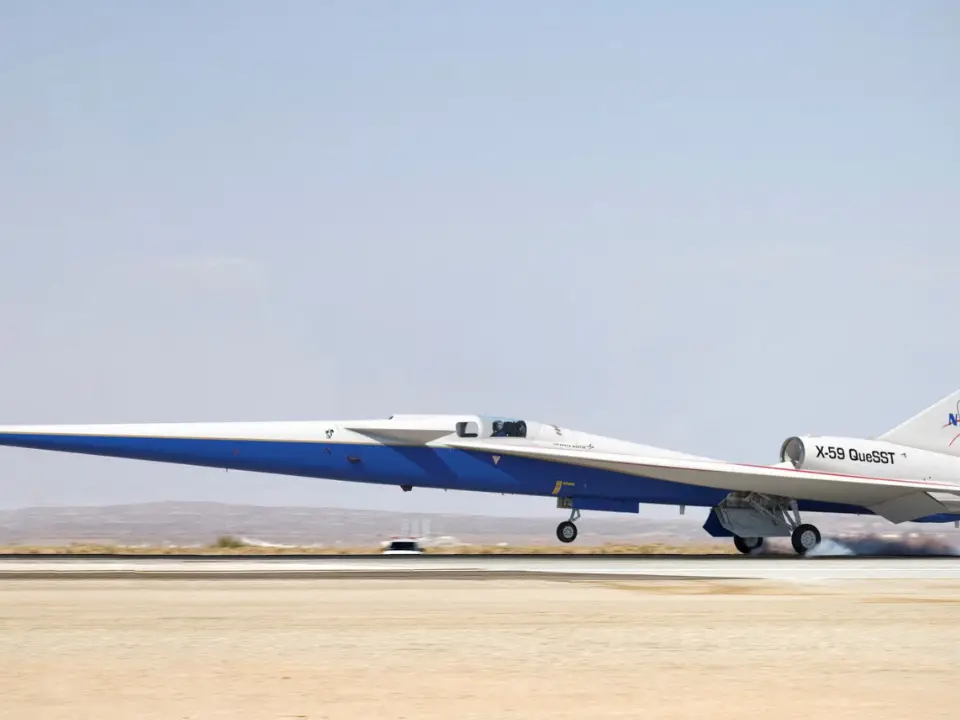)
China to test supersonic jet that moves at Mach 2, double the speed of sound
)
The Vvaan Review: This Ekta Kapoor's Tulsi Virani-coded world can't be saved by Sidharth Malhotra and Tamannaah Bhatia
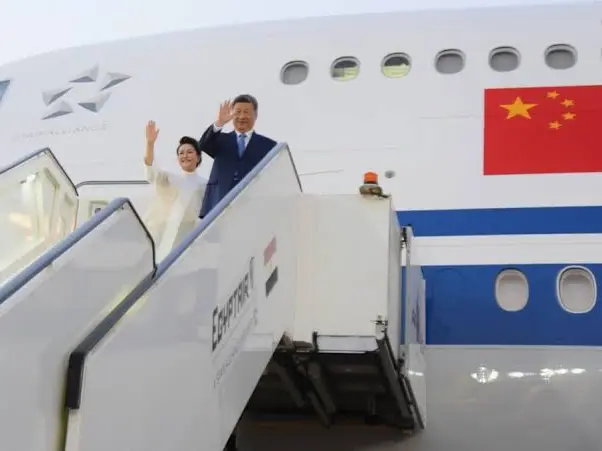)
Xi Jinping's 'special plane' vs Trump's Air Force One: What's the difference?
)
UNGA 2026: Israeli PM attacks Britain, France for past colonialism
)
West Indies coach Sammy looking at India series as opportunity to finetune ahead of ODI World Cup 2027 qualifiers
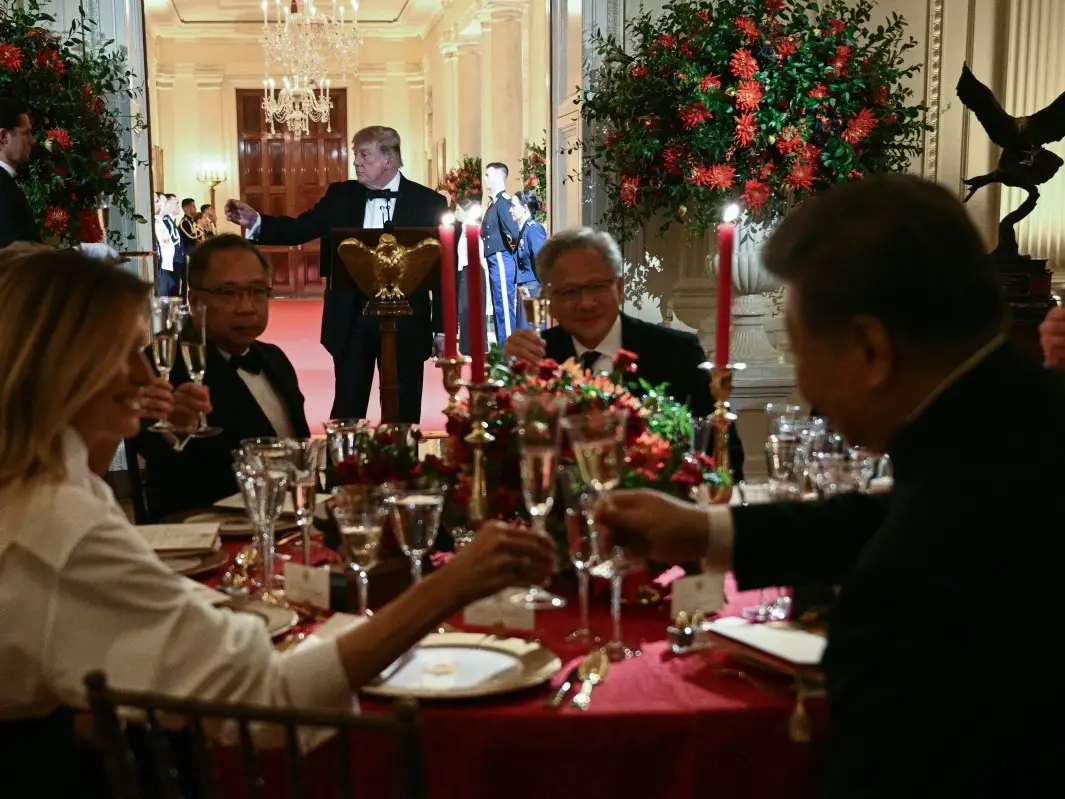)
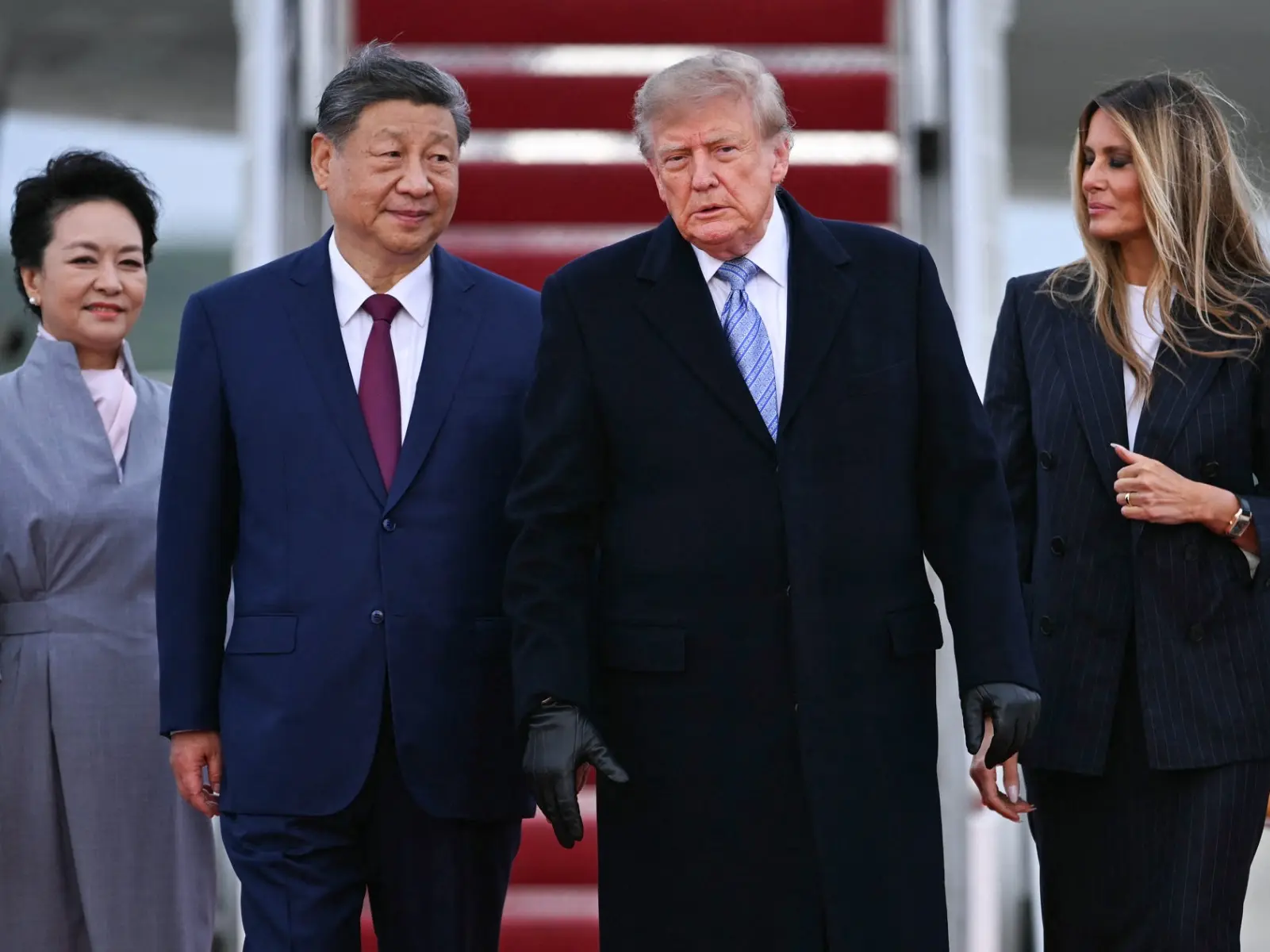
‘We’ve never gotten along better’: Trump praises Xi, jokes about White House ballroom at high-stakes state dinner
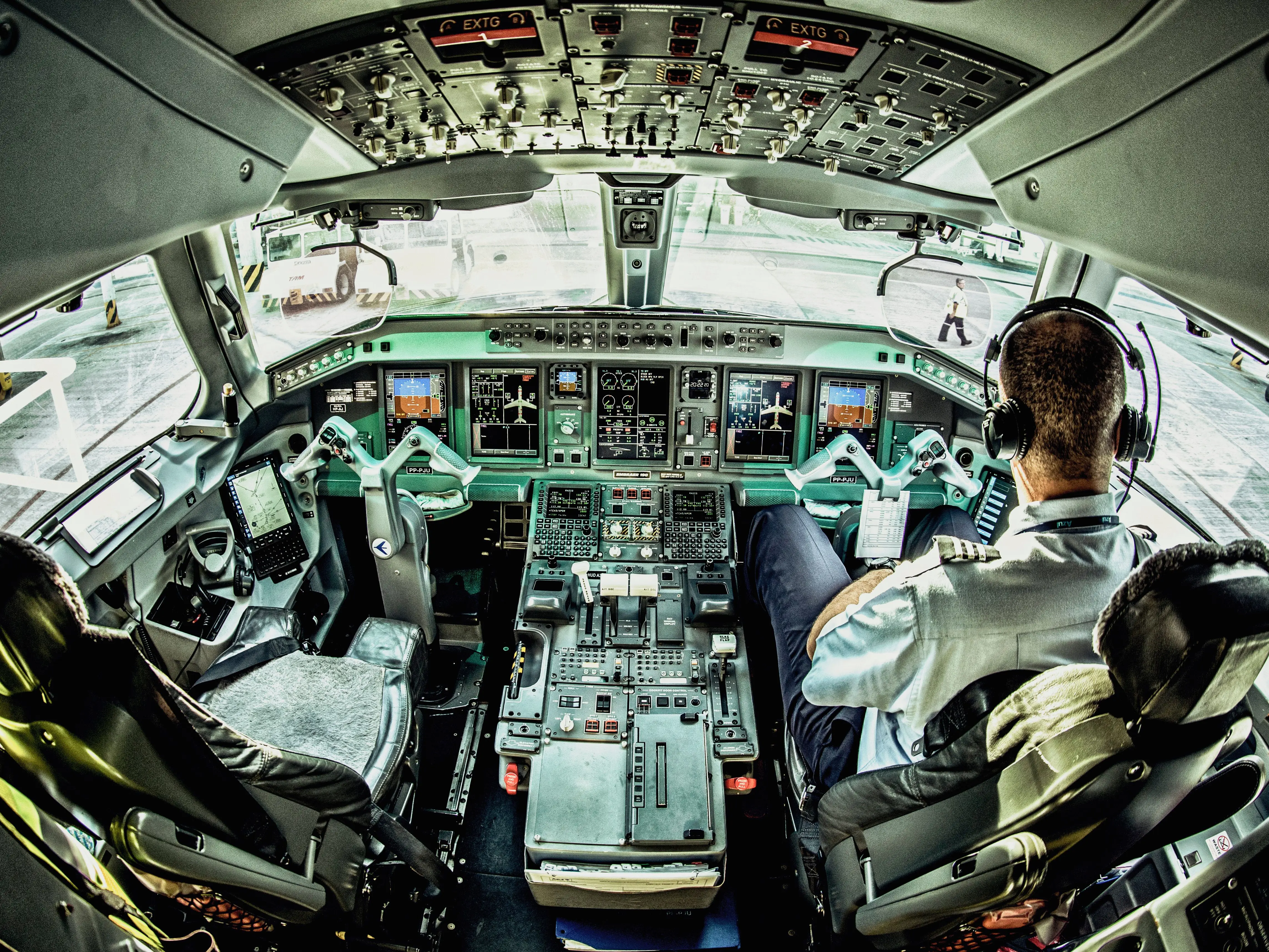)
Air India pilot suspended after failing pre-flight alcohol test on Zurich-Delhi route
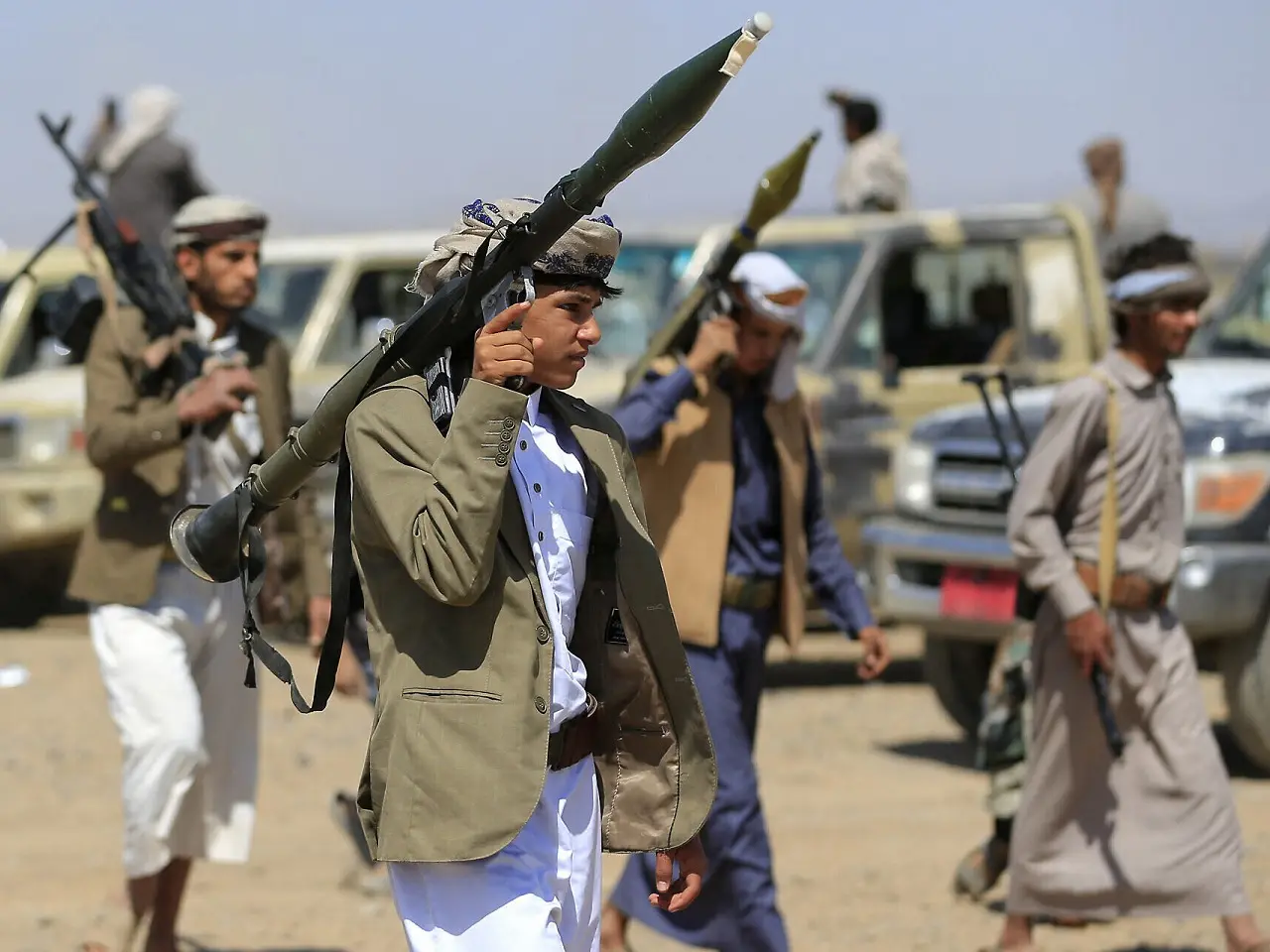)
Yemen called Trump for US military support in fight against Houthis: Official
)
2,000-foot tube, laser tests and more: China builds towns to expand nuclear arsenal, satellite images show
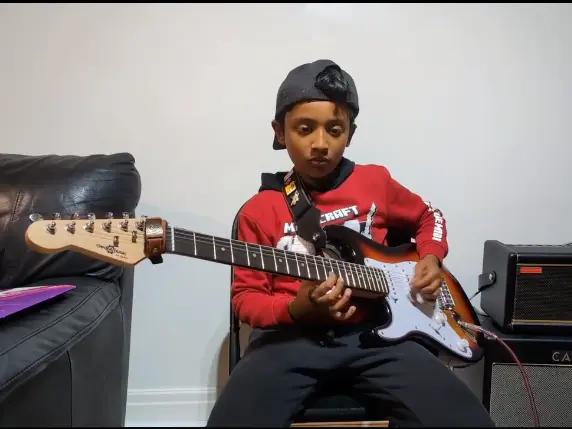)
Meet Adrian Abraham: 9-year-old Indian-origin guitar prodigy aiming for a Guinness World Record
)
US faces fresh cost crunch as mortgage rates hit 7%, oil tops $107 and gas prices surge
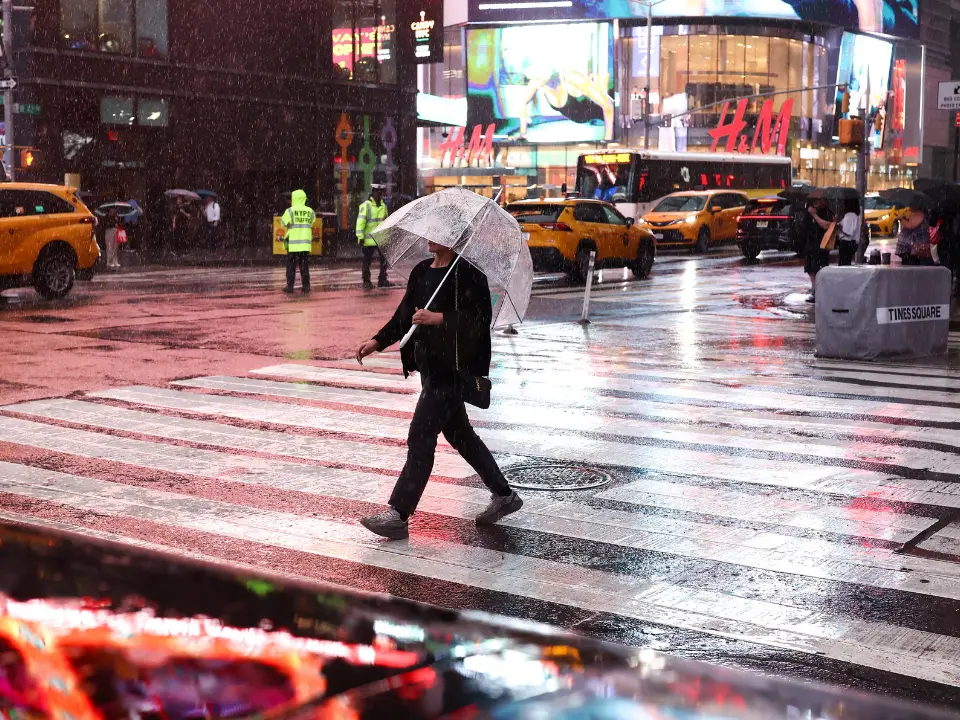)
'Blockbuster' nor'easter develops an eye similar to hurricanes as warnings are issued
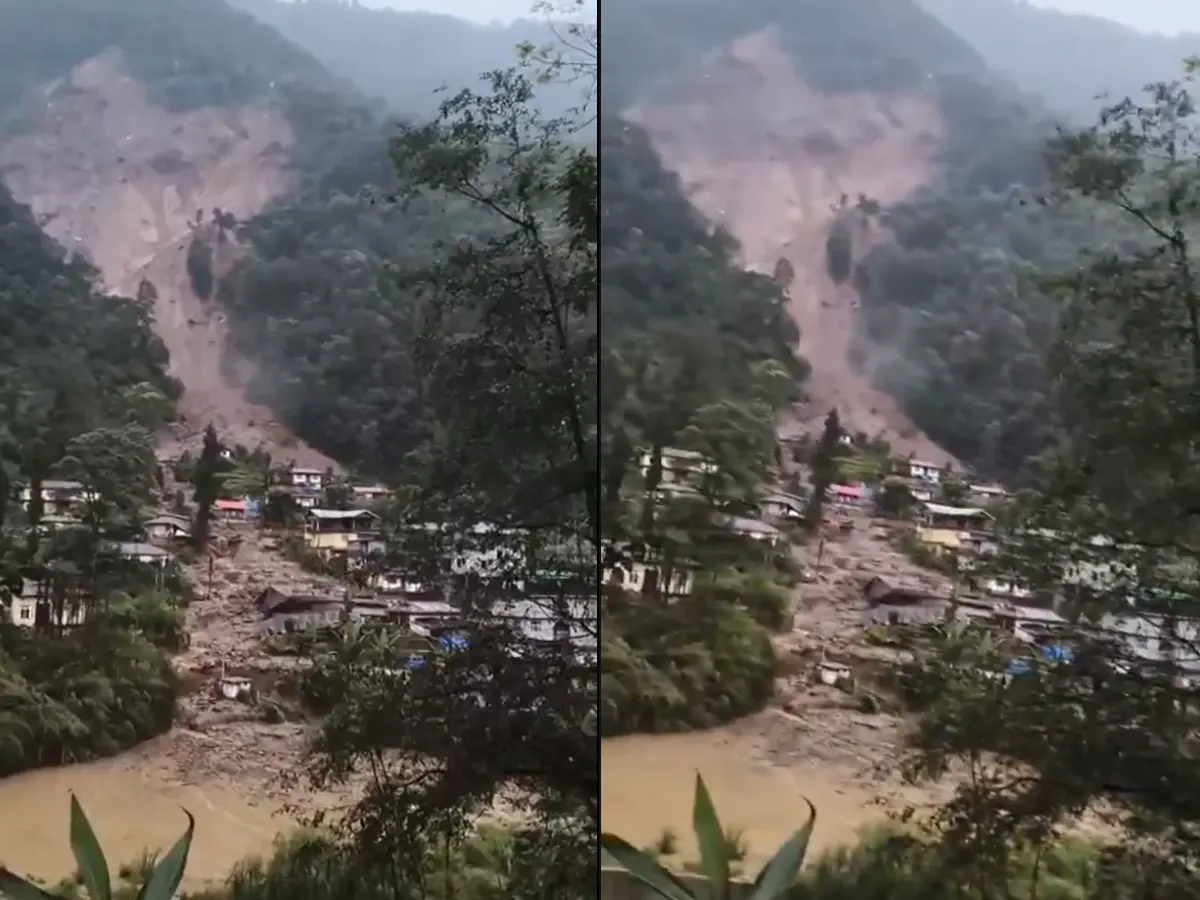)
Alarming video emerges as landslide damages houses in Sikkim’s Rimbi village. Watch
)
OpenAI is building AI to fight cyber threats: What GPT-6 Cyber means for security
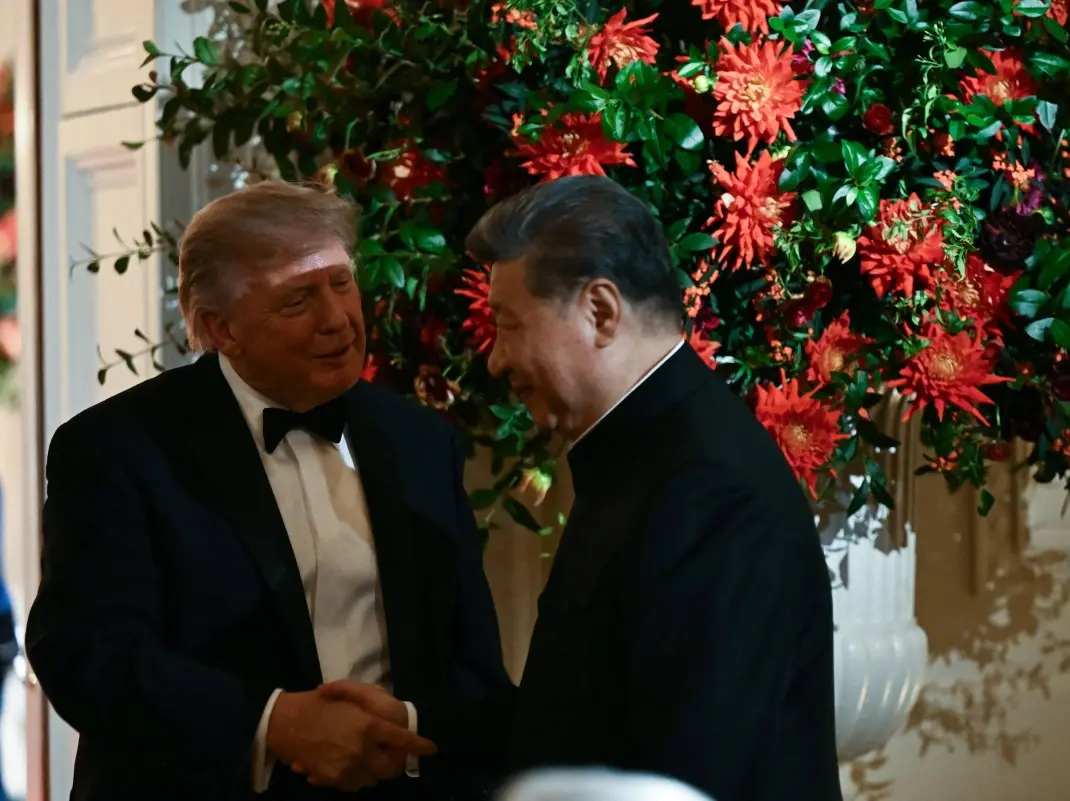)
'Making history': Xi Jinping praises Trump as US-China leaders dine at White House
)
'What kind of confession is this?': Pakistan PM Shehbaz Sharif’s 'terrorists would be roaming New York' remark goes viral, raises alarm online. Watch
&im=FitAndFill=(700,400))
Netanyahu at UN: Mass walkout, attack on Mamdani and Iran threats | In Pics
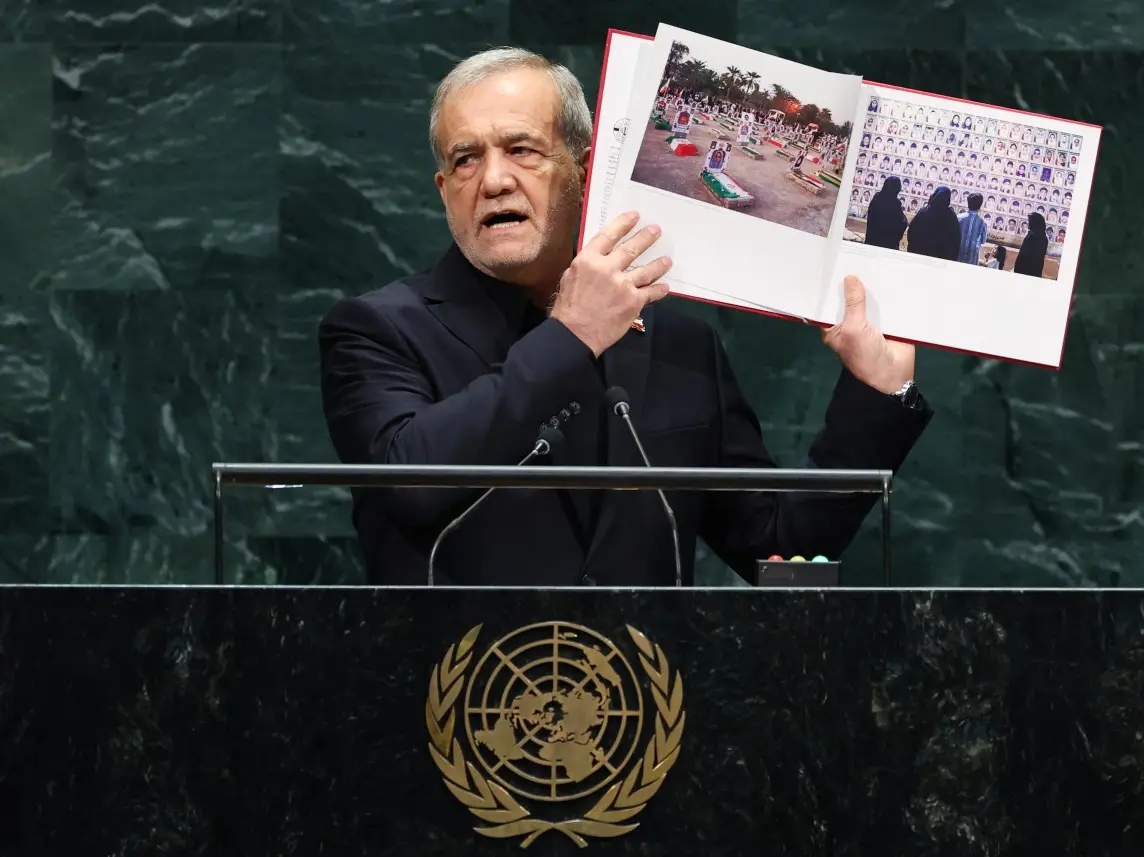)
'We do not wish to continue. It's America that must choose': Iran president Pezeshkian calls on US to end war
)
WION Iconic Tourism Summit: How local tourism MSMEs must upskill for AI integration
)
Bollywood mourns Mushtaq Khan: Sunny Deol, Rajpal Yadav and others pay tribute
)
'FIRST LOOK from inside Noah’s Ark': Researchers share video from inside mysterious mound in Turkey
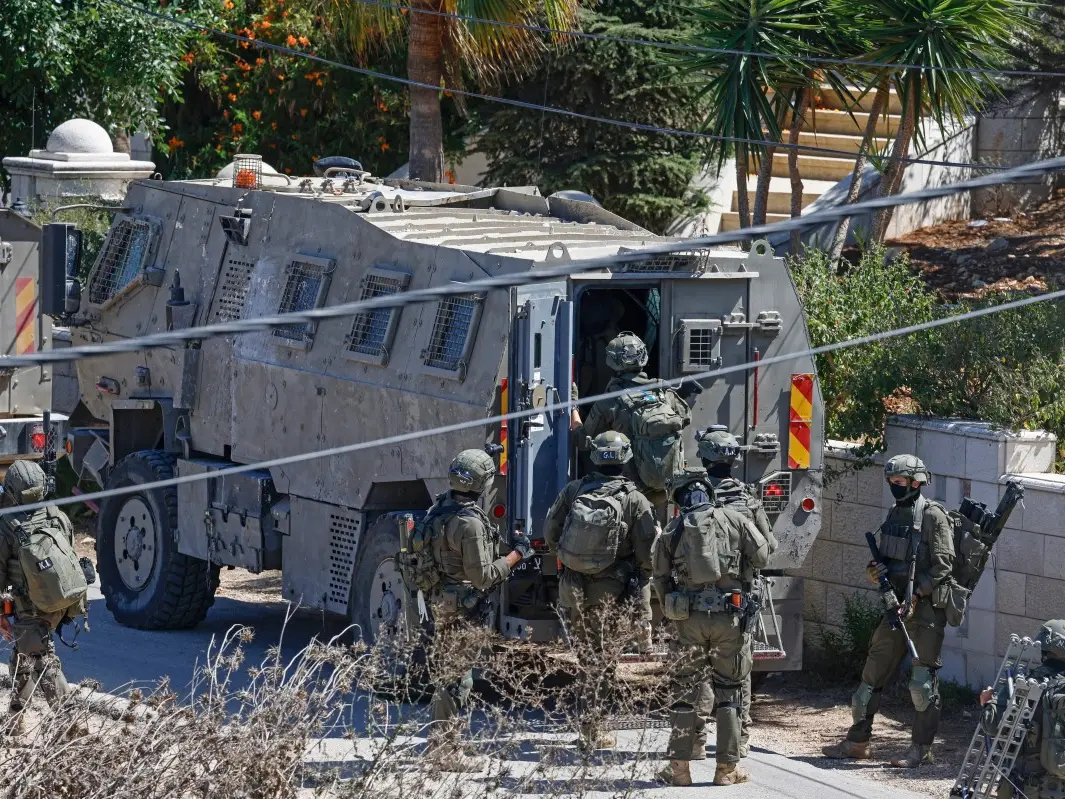)
Israeli envoy to US Yechiel Leiter’s son critically injured in West Bank ramming attack
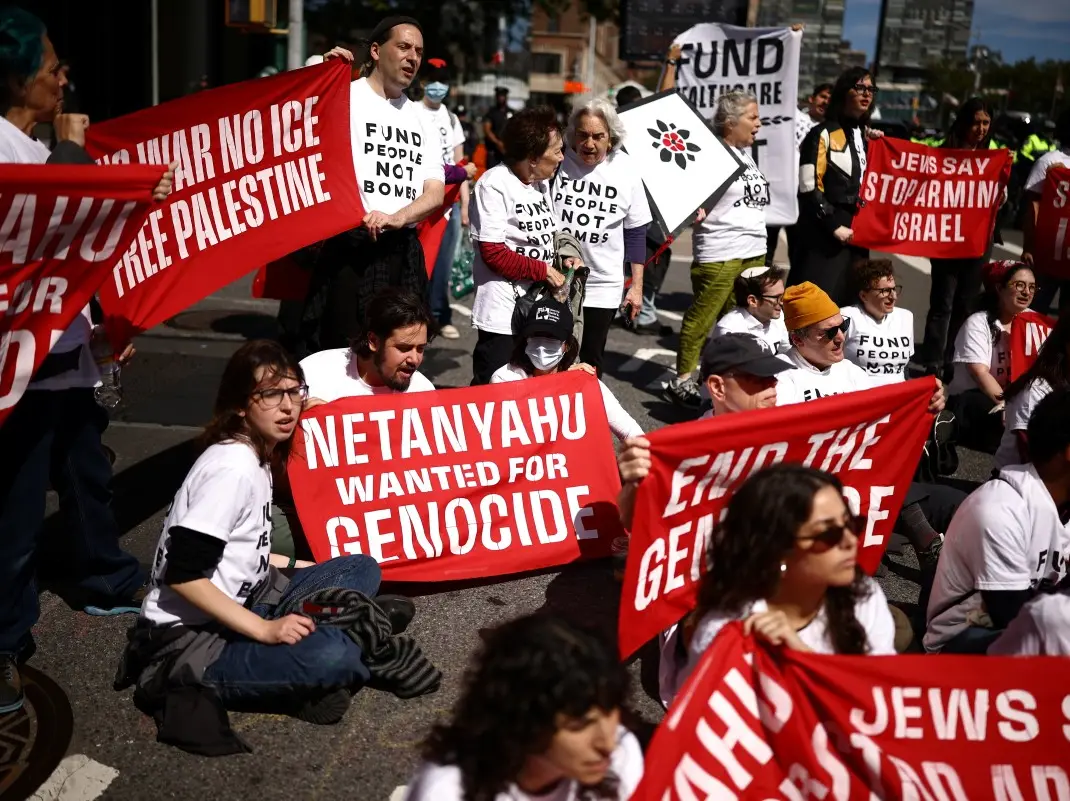)
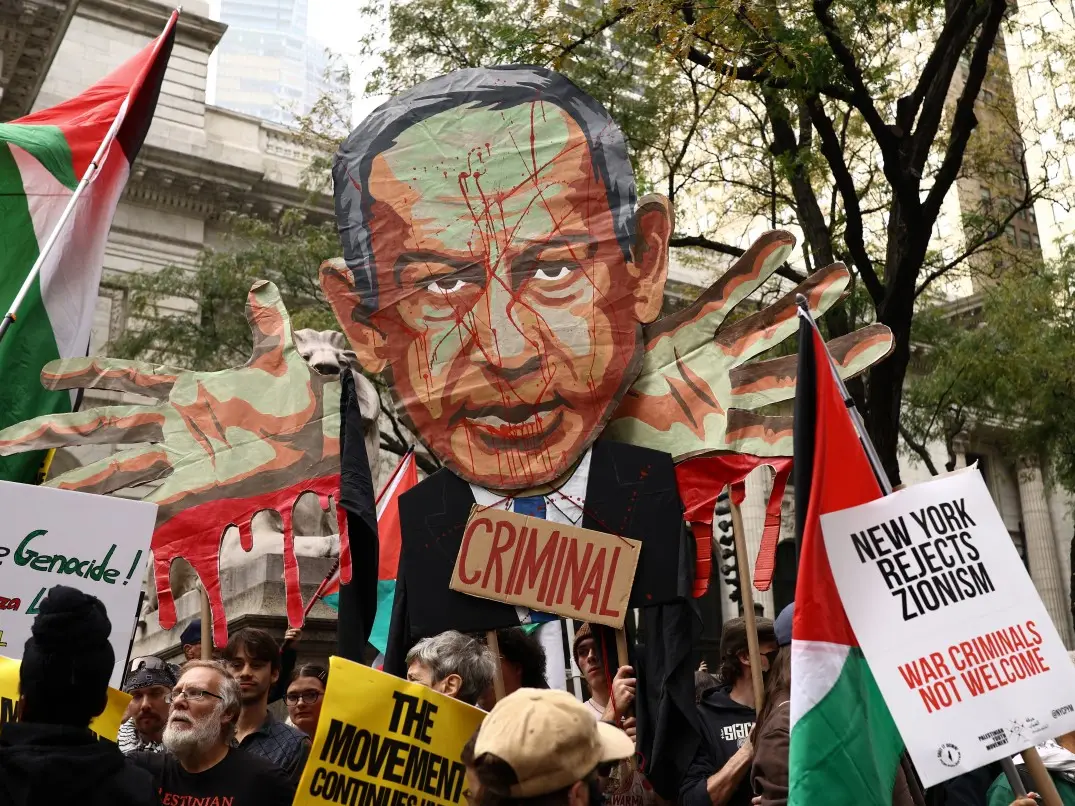
'Fund people, not bombs': Hundreds take to New York streets as Netanyahu delivers speech at UN; dozens arrested
)
(Disclaimer: The views of the writer do not represent the views of WION or ZMCL. Nor does WION or ZMCL endorse the views of the writer.)
WATCH WION LIVE HERE
You can now write for wionews.com and be a part of the community. Share your stories and opinions with us here.