WION Spotlight | It’s India vs China in Nepal and Sri Lanka

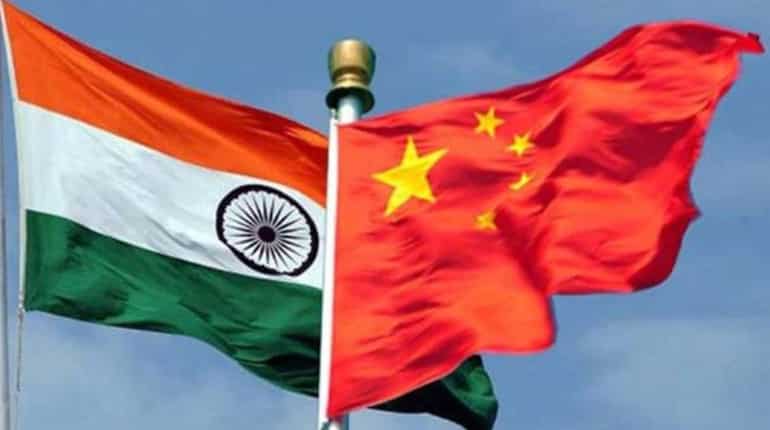
India China
India has extended assistance of $3.8 billion to help Sri Lanka recover from the economic collapse which saw unprecedented turmoil. Not long after, the India has put Sri Lanka in the dock at the UN Human Rights Council (UNHRC) for lack of “measurable progress” in resolving the Tamil minority issue.
New Delhi expressed concern on the human rights situation in Sri Lanka, namely, the continued denial of justice, dignity and peace to the minority Tamils by not sticking to its commitment to implement the 13th Amendment to the constitution.
Obviously, India is miffed over Colombo allowing a so-called Chinese “spy” ship to dock at Hambantota last month in spite of India’s opposition to it. Such situations are unavoidable for a country that is in debt to both India and China; a carrot from one is bound to bring forth the stick from the other.

In the race for regional supremacy between India and China, it is not only Sri Lanka but Nepal too that is caught in a cleft-stick.
In early September, India’s Chief of Army Staff, General Manoj Pande went on a four-day visit to Nepal. For all the warmth and friendliness that marked his engagements, Nepal did not appear keen to see its citizens, especially the Gorkhas, opting for the Agnipath scheme to join the India Army. However, the government said that though its thinking on the matter was positive, a decision would be taken only after an all-party consultation.
The week after General Pande’s visit saw Nepal’s Foreign Secretary Bharat Raj Paudyal travelling to New Delhi for two days at the invitation of Foreign Secretary Vinay Kwatra. The two foreign secretaries reviewed the entire spectrum of bilateral cooperation from the economic, commercial and development to culture and people-people relations.
&imwidth=180&imheight=135&format=webp&quality=medium)
Pakistan to head IMF, World Bank boards after 74 years amid persistent economic crisis
&imwidth=180&imheight=135&format=webp&quality=medium)
Group's fibre-optic drones pose new challenge for Israel
&imwidth=180&imheight=135&format=webp&quality=medium)
CJP's Tiranga march: People hit streets of Delhi again, reiterate call for Gyanesh Kumar's resignation
&imwidth=180&imheight=135&format=webp&quality=medium)
US midterms 2026: Ken Paxton may have Elon Musk to thank if he wins the Texas Senate race. Here's why
&imwidth=180&imheight=135&format=webp&quality=medium)
AI decodes Napoleon-era secret letter unsolved for more than 200 years. What was hidden in the ciphers?
&imwidth=180&imheight=135&format=webp&quality=medium)
Ankita Bhandari murder case: Parents meet CBI, seek impartial investigation
&imwidth=180&imheight=135&format=webp&quality=medium)
US budget deficit nears $2 trn as tariff refunds rise; debt crosses $40 trn
&imwidth=180&imheight=135&format=webp&quality=medium)
Gravitas | Iran threatens to hit key bridges in 7 countries if US resumes strikes
&imwidth=180&imheight=135&format=webp&quality=medium)
Ukraine drone strike disrupts 22 Russian airports, over 200 flights

Not Khan but Pal: Why did Imran Khan choose his mother's surname over his father's? Family tree explained
&imwidth=180&imheight=135&format=webp&quality=medium)
Iranian woman, 23, handed death sentence for ‘blasphemy’ in social media post; appeals for help
&imwidth=180&imheight=135&format=webp&quality=medium)
A secret code, a midnight escape and 300 deaths: The Russian officer who turned on Putin
&imwidth=180&imheight=135&format=webp&quality=medium)
'Turns out the future does have flying cars': Musk's Tesla unveils 'flying' sports car with SpaceX technology | Watch
&imwidth=180&imheight=135&format=webp&quality=medium)
Oregon school shooting: 16-year-old shooter identified, used shotgun bought by mother; Trump praises bystander who shot gunman as 'great hero'
&imwidth=180&imheight=135&format=webp&quality=medium)
After ODIs, T20Is and Tests, cricket set to introduce a new format: All you need to know
&imwidth=180&imheight=135&format=webp&quality=medium)
China tells Israel to stop West Bank settlements, calls Palestine issue ‘historic injustice’
&imwidth=180&imheight=135&format=webp&quality=medium)
‘My president, I mean my husband’: Trump's new press secretary Katie Zacharia's first briefing goes off the rails in 14 minutes
&imwidth=180&imheight=135&format=webp&quality=medium)
China responds to Trump's Press Secretary Katie Zacharia after toilet remark: 'Visit China more often'
&im=FitAndFill=(700,400)&imwidth=180&imheight=135&format=webp&quality=medium)
Who left the White House podium the fastest? Press secretaries with the shortest stints
&imwidth=180&imheight=135&format=webp&quality=medium)
Vijay Deverakonda and Rashmika Mandanna's Ranabaali X Review: Netizens call it history-rich but overstuffed
&imwidth=180&imheight=135&format=webp&quality=medium)
Israel examines Russia's Shahed-type drones sent by Ukraine to combat Iran | Gravitas
&imwidth=180&imheight=135&format=webp&quality=medium)
US midterms 2026: Alexandria Ocasio-Cortez donates $1 million to Abdul El-Sayed’s as Michigan race heats up
&imwidth=180&imheight=135&format=webp&quality=medium)
Here’s who is eyeing the White House press secretary role after Katie Zacharia’s exit
&imwidth=180&imheight=135&format=webp&quality=medium)
BCCI names India’s ODI squad for New Zealand tour, Gill and Iyer to share captaincy
&imwidth=180&imheight=135&format=webp&quality=medium)
Abhishek Sharma sets all-time record for most T20I sixes in a year
&imwidth=180&imheight=135&format=webp&quality=medium)
'I don’t trust anybody', says Trump when asked about Netanyahu
&im=FitAndFill=(700,400)&imwidth=180&imheight=135&format=webp&quality=medium)
Inside Tesla's Roadster: 10 features of Elon Musk's 'flying car' that push the limits of electric vehicles | In Pics
&imwidth=180&imheight=135&format=webp&quality=medium)
India’s naval priorities: Ex-Navy Chief calls for third aircraft carrier, more warships and submarines
&im=FitAndFill=(700,400)&imwidth=180&imheight=135&format=webp&quality=medium)
New Friday OTT releases (October 16, 2026): DC, Sacrifice, Aasha- 6 new movies and TV shows coming on Netflix, Zee 5, Prime Video and more
&imwidth=180&imheight=135&format=webp&quality=medium)
India's Gen Z rebellion: Can the 'Lehra Do Tiranga' movement reshape the political order? | The Verdict

US ends automatic work permit extensions; Indian workers lose 540-day safety net: What it means
&im=FitAndFill=(700,400)&imwidth=180&imheight=135&format=webp&quality=medium)
Salman Khan-Karisma Kapoor reunion at Koffee with Karan season 9 sparks nostalgia: A look at their most loved films
&imwidth=180&imheight=135&format=webp&quality=medium)
Did Trump just fire Katie Zacharia as his new press secretary? Here’s what he said
&imwidth=180&imheight=135&format=webp&quality=medium)
Iran rejects Saudi allegations of backing Houthi attacks, renews mediation offer
While they were preparing for these talks, on the eve of Paudyal’s visit, China pulled off a diplomatic coup in Kathmandu: a six-point agreement between visiting Chairman of China’s National People’s Congress, Li Zhanshau, and Speaker of Nepal’s Houe of Representatives, Agni Prasad Sapkota. This is expected to provide the basis for China-Nepal cooperation in multiple sectors and moving forward on projects under China’s Belt and Road Initiative (BRI).
This unprecedented agreement is significant because India remains opposed to the BRI, but that has not deterred Nepal from signing up for it.
The power play of the Asian giants in the neighbourhood is in full flow. Whether smaller countries like Sri Lanka and Nepal are getting the best of both India and China or losing out on the traditional and tested advantages of being in India’s “zone of influence” seems to be a moot question at this stage.
You can now write for wionews.com and be a part of the community. Share your stories and opinions with us here.
WATCH WION LIVE HERE