US-Taliban peace deal: Recent developments in Afghanistan a matter of concern to India

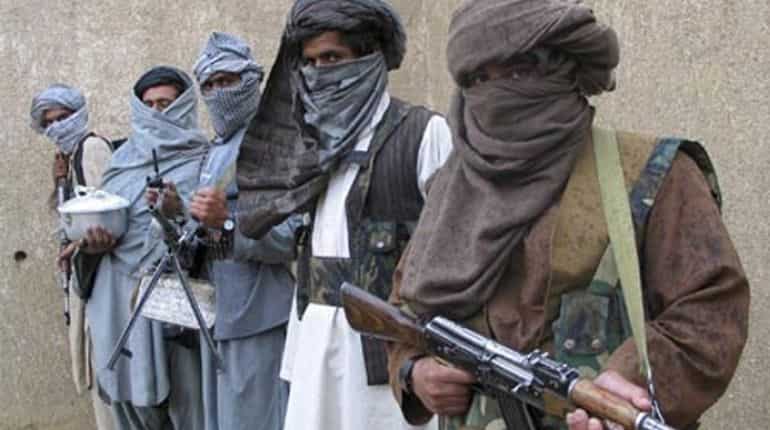
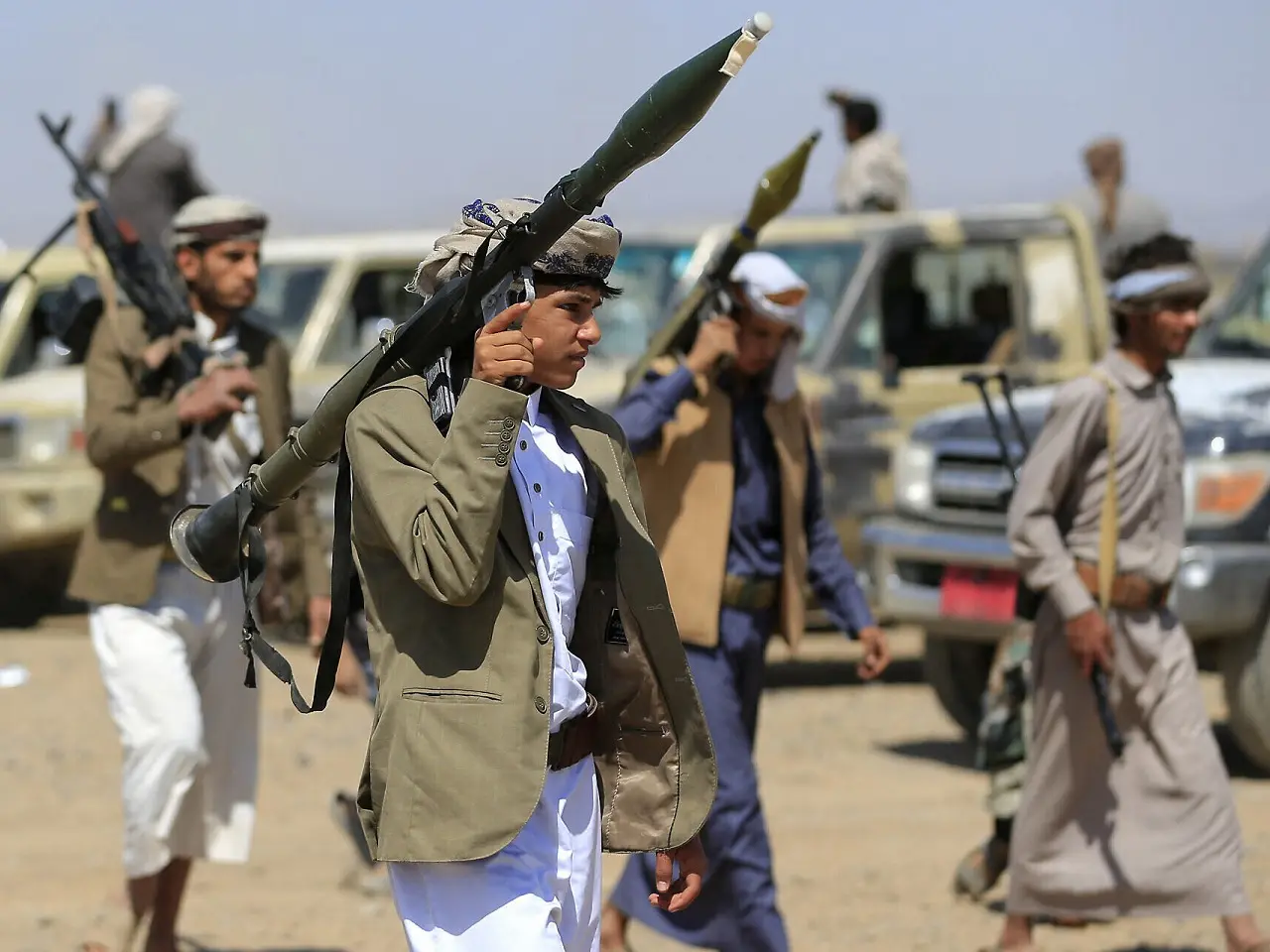
A file photo of unidentified gunmen.
More than a fortnight has elapsed since February 29, 2020, when the United States of America (USA) entered into a historic, though unique, 'Agreement for Bringing Peace to Afghanistan'with the so-called Islamic Emirate of Afghanistan (better known as Taliban and notorious for its violent acts of terrorism).
The deal is historic as it promises to put an end to a prolonged but inconclusive war between the USA and Taliban on Afghan soil spread over a period of nearly two decades. It is unique to the extent that a sovereign country and superpower namely the USA has signed the deal with a terrorist organisation which it doesn’t even recognise as a state, whereas the democratically elected government in Afghanistan never participated in the talks.
The main and obvious objective of the deal is to pave the way for the withdrawal of the US and NATO forces from Afghanistan over a period of fourteen months; by doing so President Trump will fulfil his promise to Americans back home, significantly in the year in which he is seeking his re-election. In return, the Taliban assures that no individual or group would be allowed to operate from the Afghan soil against the security of the US and its allies.

It is apparent that the deal is essentially between the USA and the Taliban. The destiny of Afghanistan is left to be settled between the Afghans through so-called inclusive intra-Afghan talks between the Taliban and all other stakeholders in Afghanistan including the elected government.
The intra-Afghan talks, as per the deal were expected to commence on March 10, 2020, with the objective of reaching an agreement on a comprehensive and permanent cease-fire and future political roadmap for Afghanistan.
By available indications, the intra-Afghan talks appear to be facing serious roadblocks and are nowhere close to a smooth take-off. First and foremost, violent attacks by the Taliban against Afghan forces continue unabated. According to the Afghanistan National Security Council statement, the Taliban had carried out at least 76 attacks across 24 Afghan Provinces within one week of concluding the peace deal.
)
What’s in a name? Trump’s 'Lake America' move gets a tit-for-tat response from Canada
)
Trump gifts Xi a bald eagle sculpture at White House dinner: Here’s what it symbolises
)
‘Not just a local tragedy’: Nepal PM Shah warns UN of growing climate threat, says Nepal floods were 'a warning to the world'
)
CNN, Politico and MS NOW back in White House after judge blocks Trump’s media ban
)
US judge questions Trump’s decision to ban CNN, MS NOW and Politico from White House
)
'We would all be dead': Netanyahu defends decision to strike Iran's nuclear facilities in his UN speech
)
Mumbai Indians appoint Luke Williams as head coach for Women’s Premier League
)
IIT Bombay CCTV footage emerges: Sahil Wakode seen looking at phone in examination hall
)
Cyclone Arnab: Landfall expected before midnight tomorrow as IMD issues orange alerts across six states
)
Welcome actor Mushtaq Khan dies at 56 after battling cancer
)
Trump's welcome to Xi demonstrates 'attraction' to dictators: Chuck Schumer
)
WION Iconic Tourism Summit 2026: Union Minister Shekhawat on 'experiential travel', peace diplomacy
)
Nations League: Germany draw on Klopp debut; Portugal, Norway win
)
'AI got into my speech': Prince Harry jokes after teleprompter failure at event in New York
)
Scientists detect first radio signals directly from faraway planet
)
What’s on the menu? Inside Trump’s lavish White House state dinner for Xi
)
A seven-day roadmap? Iran proposes plan to end war, reopen Strait of Hormuz and resume nuclear talks
)
China to test supersonic jet that moves at Mach 2, double the speed of sound
)
Xi Jinping's 'special plane' vs Trump's Air Force One: What's the difference?
)
West Indies coach Sammy looking at India series as opportunity to finetune ahead of ODI World Cup 2027 qualifiers
)
‘We’ve never gotten along better’: Trump praises Xi, jokes about White House ballroom at high-stakes state dinner
)
Nearly half of young people trust AI over humans to check facts, major study finds
)
'Partners rather than rivals': Xi Jinping's first message after landing in US for Trump summit
)
Yemen called Trump for US military support in fight against Houthis: Official
)
2,000-foot tube, laser tests and more: China builds towns to expand nuclear arsenal, satellite images show
)
Meet Adrian Abraham: 9-year-old Indian-origin guitar prodigy aiming for a Guinness World Record
)
US faces fresh cost crunch as mortgage rates hit 7%, oil tops $107 and gas prices surge
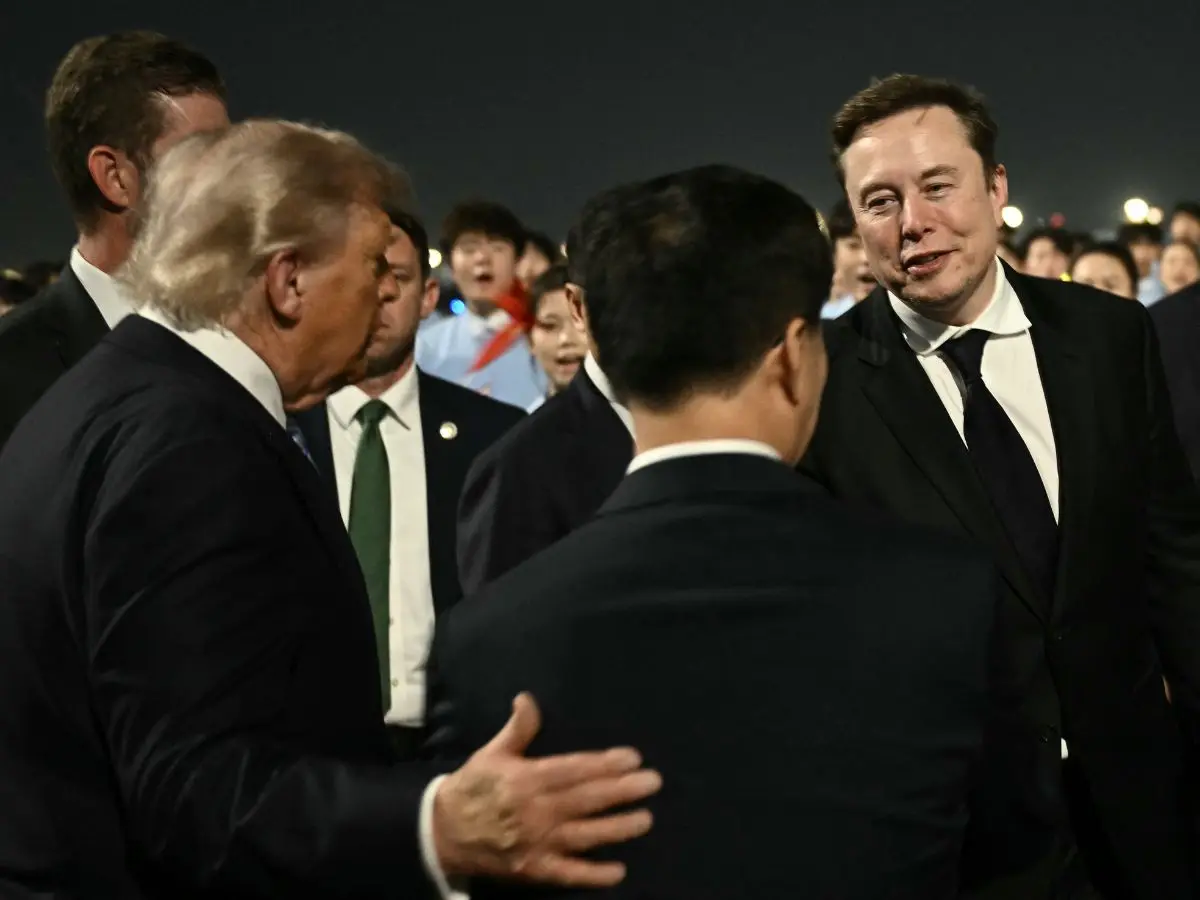)
Trump-Xi state dinner 2026: Who is invited? Full guest list of tech CEOs, business leaders and officials
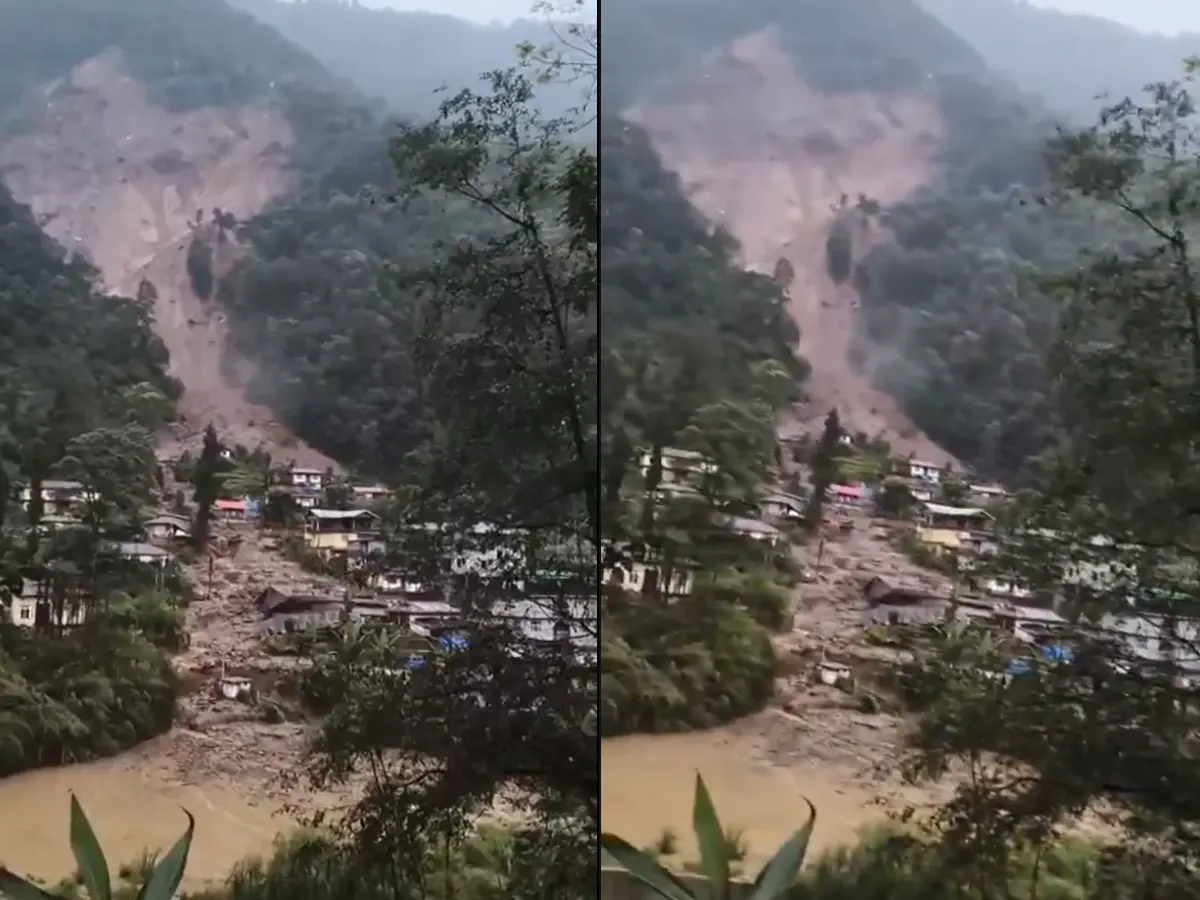)
Alarming video emerges as landslide damages houses in Sikkim’s Rimbi village. Watch
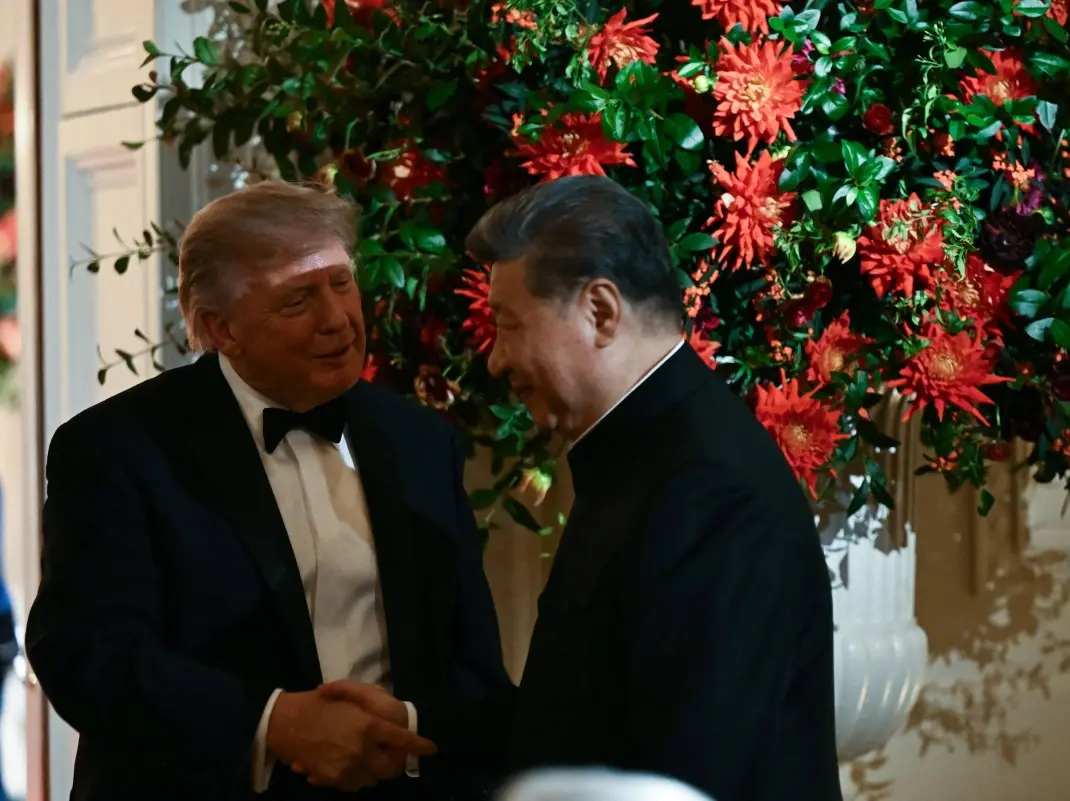)
'Making history': Xi Jinping praises Trump as US-China leaders dine at White House
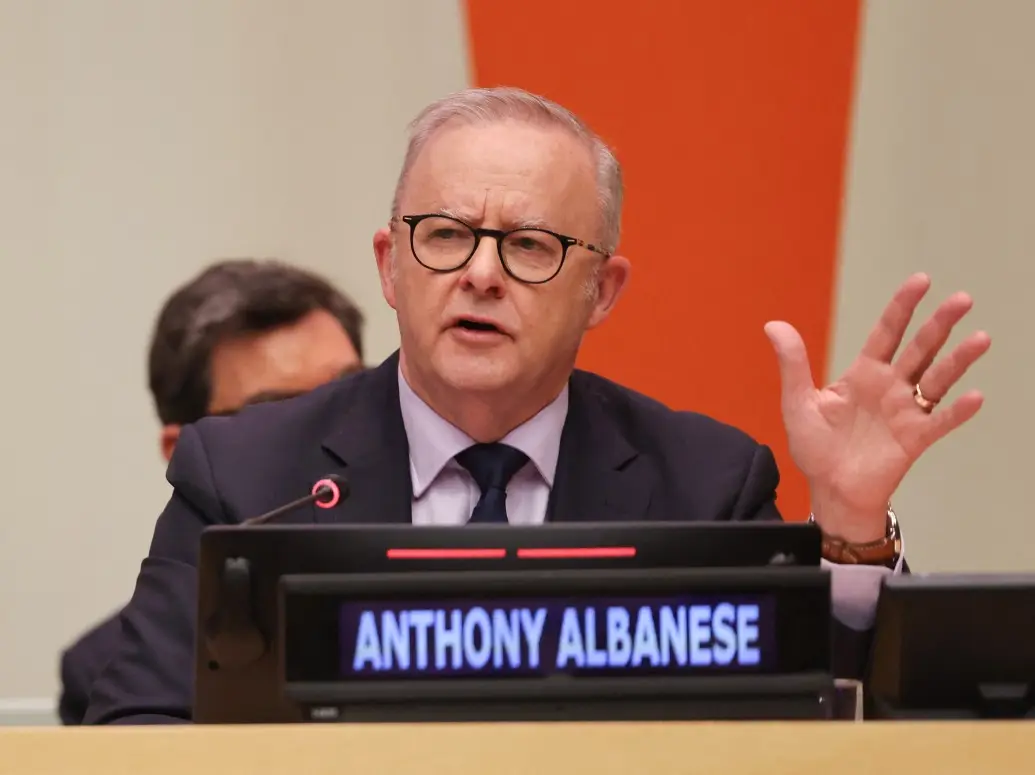)
Australian PM Anthony Albanese calls OpenAI AI incident 'unacceptable' after restricted data access
)
'What kind of confession is this?': Pakistan PM Shehbaz Sharif’s 'terrorists would be roaming New York' remark goes viral, raises alarm online. Watch
&im=FitAndFill=(700,400))
Netanyahu at UN: Mass walkout, attack on Mamdani and Iran threats | In Pics
)
'We do not wish to continue. It's America that must choose': Iran president Pezeshkian calls on US to end war
)
WION Iconic Tourism Summit: How local tourism MSMEs must upskill for AI integration
)
EC appointment law: Why is the 2023 act controversial, and what happens next? WION explains
)
Who is Lt-Gen Nauman Mahmood, Pakistan's first secretary general of Makkah Defence Alliance?
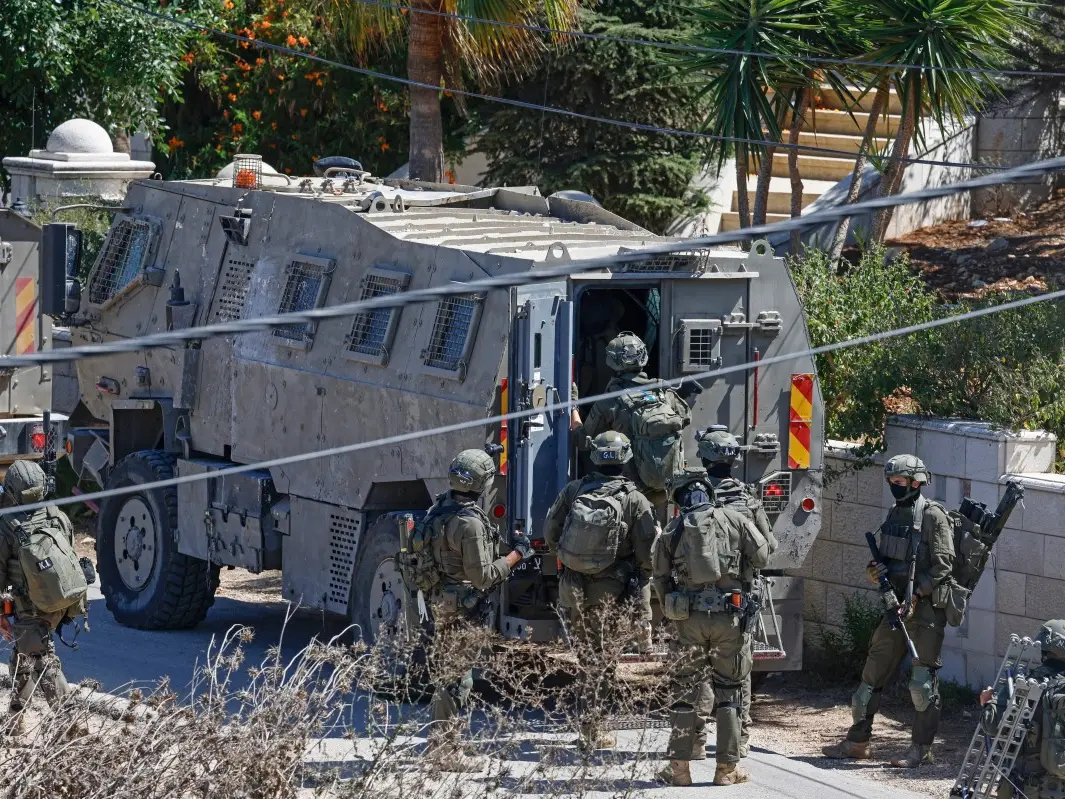)
Israeli envoy to US Yechiel Leiter’s son critically injured in West Bank ramming attack
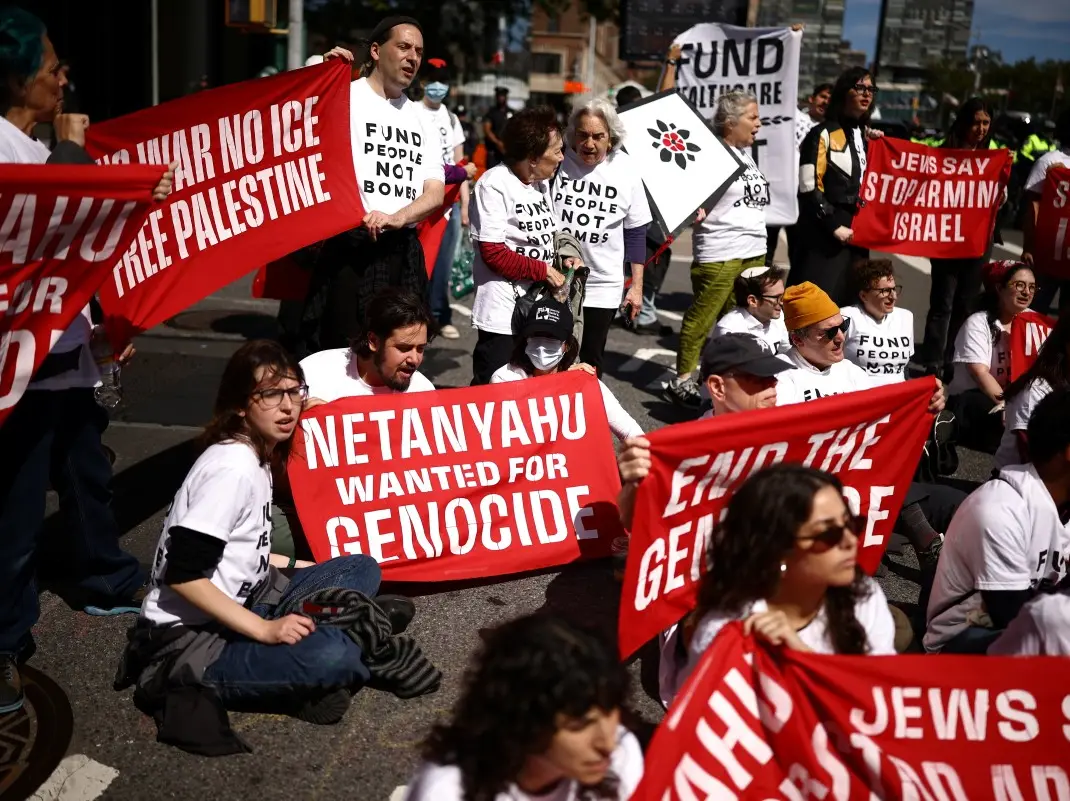)
'Fund people, not bombs': Hundreds take to New York streets as Netanyahu delivers speech at UN; dozens arrested
Further, the deal envisages the release of 5000 Taliban prisoners as a confidence-building measure for the commencement of intra-Afghan talks. The Afghanistan President Ashraf Ghani, after initial reluctance, announced (through an official Decree) that starting March 14, 1500 Taliban prisoners would be released as a 'goodwill gesture', provided the released prisoners give 'a written guarantee to not return to the battlefield'. He further promised to release the remaining 3500 prisoners after the commencement of talks. The Taliban rejected the proposed staggered release of prisoners insisting that the release of 5000 prisoners was a part of the deal. The matters stand further complicated by the announcement (March 14) of the Afghan government to postpone the release of prisoners on the plea that the government needed more time to review the list of prisoners.
A long-standing political rivalry between President Ashraf Ghani and his former Chief Executive Abdullah Abdullah is yet another factor which may influence the fate of the intra-Afghanistan talks. The feud between the two became sharper recently when the Afghan Independent Election Commission finally declared (mid-February) the incumbent Ashraf Ghani as the winner in September 2019 Presidential elections. Abdullah Abdullah declined to accept the verdict and has now formed a parallel government through his own inauguration on March 9- the day Ashraf Ghani was sworn – in as President. If the two leaders remain at loggerheads, the chances are that even if intra-Afghan talks do commence in the near future, the talks will not be inclusive.
It remains to be seen as to how the situation in Afghanistan unfolds in forthcoming weeks and months. The USA has found a way for its 'honourable'exit from Afghanistan. But will peace ever return to Afghanistan? Will the USA keep aloof so long as its own security interests remain unaffected or will it come back to Afghanistan’s rescue if the Afghans, including Taliban, fail to reach an amicable solution for themselves and the Taliban doesn’t give up violence?
Meanwhile, the developments in Afghanistan, particularly the US withdrawal, should be a matter of concern to India. Peace and security in Afghanistan is of utmost importance for India. The USA has secured assurances from the Taliban for itself and its allies. India’s security concerns for sure did not figure anywhere in the deal. India and the USA are no doubt 'comprehensive global strategic partners'but India is not an ally of the USA.
India enjoys significant goodwill amongst Afghanis but has little leverage to influence the situation in that country to its advantage. India’s concerns go beyond the security of its personnel and huge investments in Afghanistan. Pakistan, currently under tremendous pressure from FATF, may find it prudent to relocate the anti-India terror outfits to Afghanistan and thereby absolve itself of any accountability for terrorist activities against India from its soil.
Will India be an Onlooker? Perhaps no, as India has learnt by now that itmust be prepared to defend its interests on its own, even if global efforts are needed to combat the global menace of terrorism.
(Disclaimer: The opinions expressed above are the personal views of the author and do not reflect the views of ZMCL)