Remembering Satyajit Ray: How the filmmaker taught the world about futility of war through a children's film

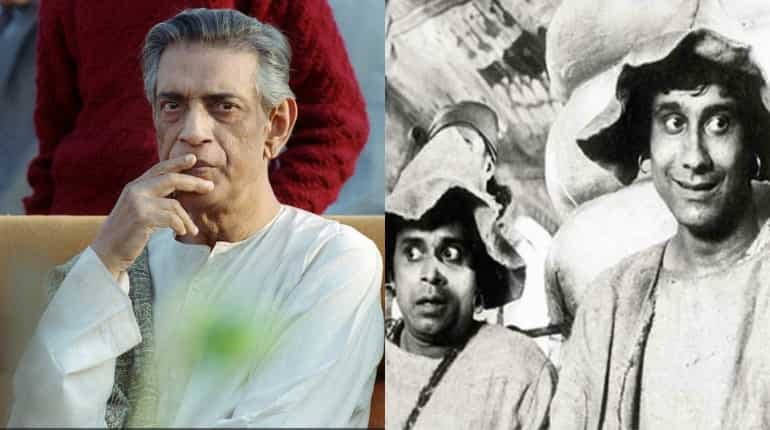
File image of Satyajit Ray and a still from 'Goopy Gyne Bagha Byne'. (Ray's photo via AFP, film still via Youtube)
When Satyajit Ray passed away in 1992, I was 5 years old. For the entire country- it was a huge loss. As a mark of tribute, Doordarshan, the national television of the country- and the only channel on our TV sets back then- showed the auteur's films every night for an entire month.
Most of his films were, of course, beyond a five-year-old's comprehension but I do faintly recall how my parents would watch Ray's classics on TV late into the night. The only film that I clearly recall watching was Ray's first children's film 'Goopy Gayne Bagha Byne'- a film that completed50 years in 2019. A film that had Ray donning multiple hats- as choreographer, music composer, writer, playback singer and director. A film that I go back every now and then, to soak in the mad genius' most endearing work of all time.
Based on Upendrakishore Ray Chowdhury's short story by the same name, the film was actually made for Satyajit Ray's 13-year-old son, Sandip who had complained that his father made films only for adults. The story, of course, was one that the senior Ray had grown up reading for Ray Chowdhurywas his grandfather and he had first published the story in 1915 in family-run fortnightly magazine 'Sandesh'.

As a child watching the film was fascinating to no end. A story of two tone-deaf bumbling idiots - Goopy and Bagha- the film begins when the two are ousted from their respective villages for annoying its people and the local leader and sent to the nearby forest which is apparently haunted. On the first night in the forest, they meet the King of ghosts- who gives them three boons- to travel wherever they want wearing magical shoes, to sing and play the drum in perfect rhythm and to eat and wear whatever they wished to. They only had to clap their hands to get what they want.
With new talents and boons, Goopy and Bagha arrive at the kingdom of Shundi where they are appointed as court singers. But Shundi faces threat from the neighbouring kingdom of Halla and it is up to Goopy and Bagha to strategize and thwart Halla King's plans to capture his brother's kingdom of Shundi.
)
Justice eludes Air India 1985 bombing victims as Canada probe goes 'inactive' | Gravitas
)
Trump revives India-Middle East-Europe economic corridor as India emerges central to West Asia’s future: What is it?
)
Erdogan again raises Kashmir issue at UNGA, calls for dialogue under UN Charter
)
Trump signs Greenland security deal with Denmark, paving way for two new US military bases
)
Most Americans want greater federal AI oversight
)
IND vs JPN T20I: How an overturned wide became point of difference between India's win and a tie
)
Trump-Xi summit: From trade to Taiwan, what will the US and Chinese presidents discuss in Washington?
)
Cyclone Arnab: Landfall expected before midnight tomorrow as IMD issues orange alerts across six states
)
ICC plans T20I expansion and fewer ODIs in 2027–2031 FTP cycle: Report
)
US-China tech war: Businesses in the front line
)
'Mumma’s boy from Gwalior who dared to dream': Kartik Aaryan pens long note after first National Award win
)
Gravitas | Boosting NHS productivity could save 20,600 lives in UK annually: Report
)
Nor'easter could batter 13 US states this week. What you should know
)
US and China vie for AI dominance as calls grow for regulation | Gravitas
)
Yemen clashes kill 154 people in two days as cornered Saudi battles Houthi offensive | Gravitas
)
Bomb scare in New York amid UNGA: Suspicious suitcase found near UN headquarters
)
IND vs JPN, one-off T20I: Japan captain Kendel on pushing India to the brink - ‘It was special’
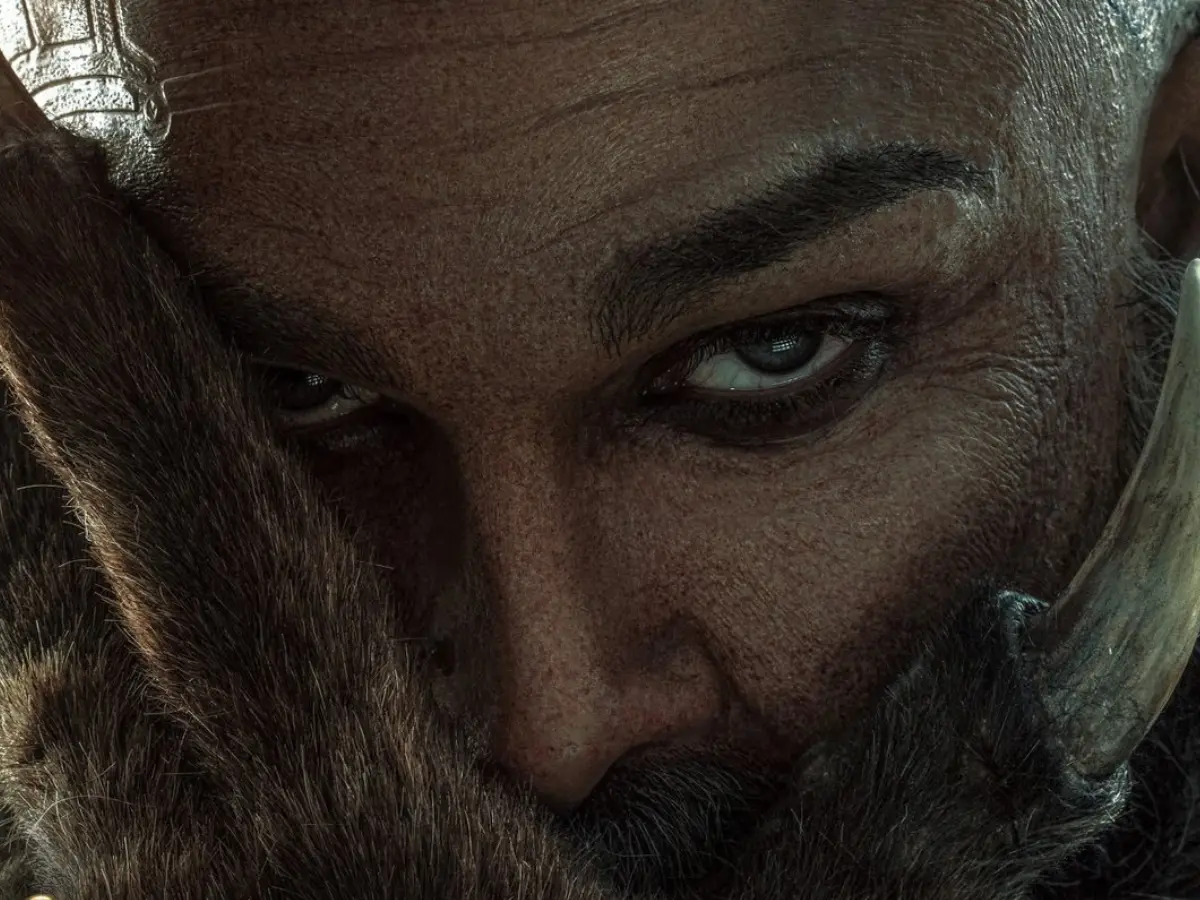)
Raaka creates history! Allu Arjun’s film secures Guinness World Record ahead of release
)
Mikel Arteta verbally agrees to three-year extension with Arsenal after title-winning Premier League season
)
WION Iconic Tourism Summit and Awards 2026: Key voices to discuss India’s tourism future
)
WION Iconic Tourism Summit and Iconic Awards 2026: India's travel economy leaders gather in Delhi
&im=FitAndFill=(700,400))
New OTT releases this week (September 21-27, 2026): Shaque: Trust No One, Hunkkaar, Don’t Be Shy- 5 new titles coming to Netflix, Prime Video and more
)
81st UN General Assembly: Burnham announces UK-US AI defence tie-up
)
Trump calls on nations to quit ‘rogue’ and ‘out-of-control’ International Criminal Court, rips UN
)
Infections transmitted from pregnant woman linked to autism risk
)
'What kind of confession is this?': Pakistan PM Shehbaz Sharif’s 'terrorists would be roaming New York' remark goes viral, raises alarm online. Watch
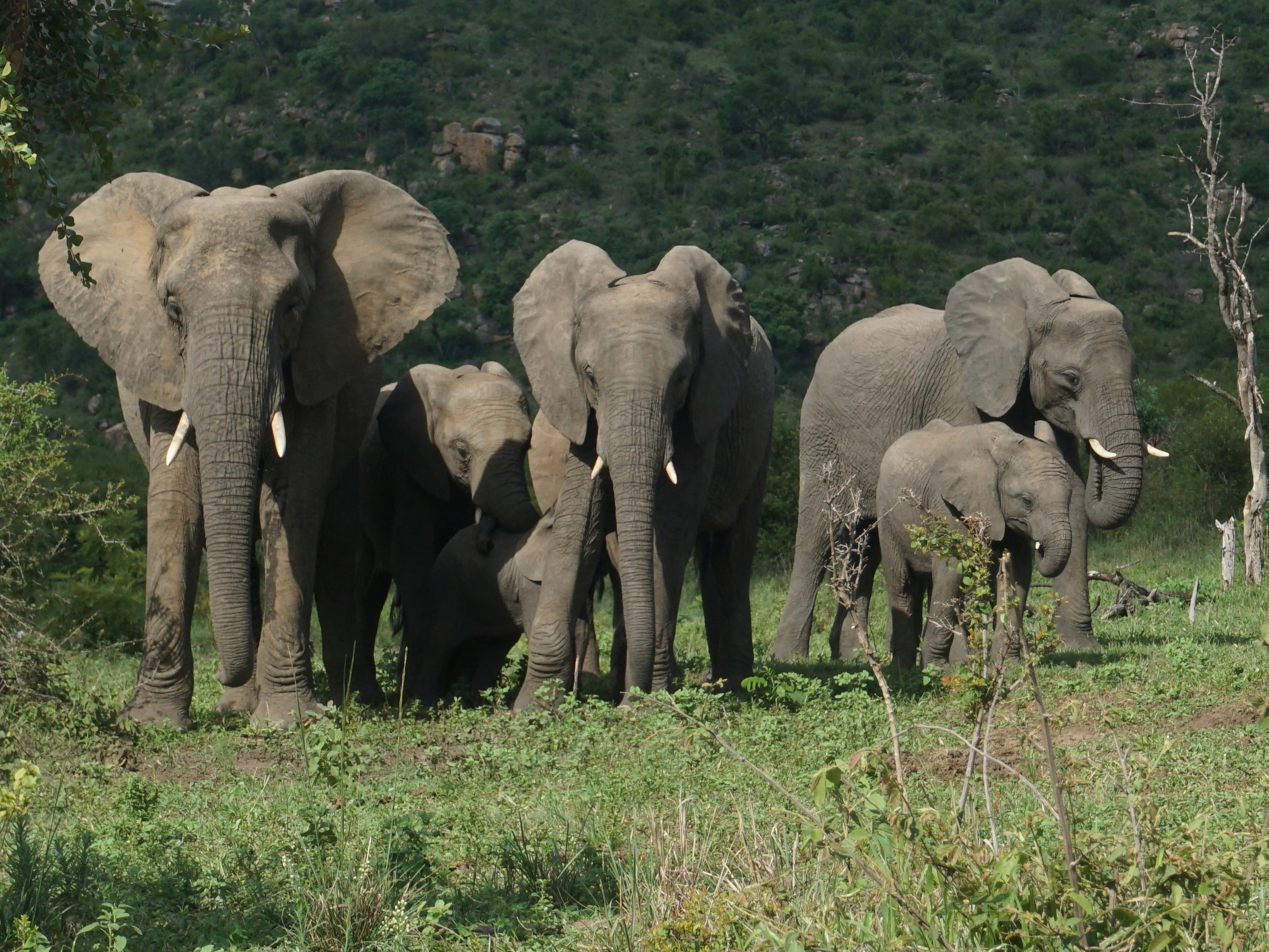)
Elephants hide behind trees, stage surprise attack on poachers targeting rhinos in South Africa
)
IIT Bombay professor Suryanarayana Doolla sent on leave amid Sahil Wakode death probe
&im=FitAndFill=(700,400))
National Film Awards 2026: Kartik Aaryan, Mammootty, Yami Gautam, Randeep Hooda and other key winners
)
‘Strike a deal or drive Iran into hell’: Trump issues fresh warning to Tehran at UNGA
)
Anne Hathaway to run in supporting race for Nolan's epic
)
Over 4,200 books withdrawn from circulation in J&K colleges, 94% from Kashmir
)
From Gaddafi tearing up UN Charter to Trump’s ‘escalatorgate’: Most unforgettable UNGA moments
)
Explainer: Why rare-earth export licences and Board of Trade are US priorities ahead of Trump-Xi summit
)
Asia prepares for record El Nino, food shock
)
Oil slips to $98 as Saudi Arabia restarts East-West oil pipeline
)
Four female students raped during 'Red Zone' at California university. What we know
)
'Taiwan and human rights are red lines': China warns US ahead of Xi-Trump visit
At the onset, the film may have appeared to be an adventure fantasy meant for kids, but the film to date holds relevance for its message on war and peace. There is really so much to learn from that film.
A poignant scene in the film has a spy reporting back to the evil Halla minister on how Shundi is prepping for the war. When the spy replies that they aren't really preparing much for the work, the irritated minister asks- 'So what did you see there?'The spy goes into a trans as he says, "They have fruits and flowers in the trees, they have crops in their fields, birds singing on the branches, people living happily." Or the scene near the climax where Goopy and Bagha stall a hungry, impoverished Halla army with food and music- essential for a peaceful society.
The film was released in 1969- a time when special effects of that scale were unheard of in India. Ray by then was an acclaimed filmmaker but had faced financial crisis while making the film as his financer had backed out unsure of the fate of the film. It was shot in black and white and Ray made several of his actors play multiple roles- perhaps due to the constraint in budget.
Yet, when you watch the film, it has such rich texture to all its scenes. You feel hungry watching Goopy and Bagha gobble up delicacies, you are left in tears as Goopy sings a lullaby stuck in jail about the futility of war, you gleam in joy when Goopy first learns that he can finally sing and is not tone-deaf anymore. But for me, as a child and even now as an adult, the most fascinating scene in the film remains the one where Goopy and Bagha- stuck in the forest- watch a dozen ghosts do a dance-off as it leads to theKing of ghosts (Ray did thevoice over for this role) appearing himself to grant them boons.
Watch this scene here.
Complete with special effects, and superb music by Ray himself, the scene to date transfixes me for its conceptualization. No one has been able to replicate that scene- or hold the audience in awe the way Ray did with that one scene. I remember getting goosebumps when I'd first watched it as a five-year-old and had felt somewhat scared even.
'Goopy Gayne Bagha Byne' may have been thought as a children's film but it remains the most relevant film in India on war and peace- issues that remain in a country that is currently riding high on nationalism. And perhaps no one could explain it the way Ray did in the film- with superlative performances, soulful music and one mad story.
'Goopy Gayne Bagha Byne' had fascinated me as a five-year-old for its unique, fun story. More than three decades later, I find myself going back to it ever so often to learn and unlearn life lessons.
(Disclaimer: The opinions expressed above are the personal views of the author and do not reflect the views of ZMCL.)

