Court will decide who is Butter Chicken’s daddy, but India is surely the guru of its globalisation

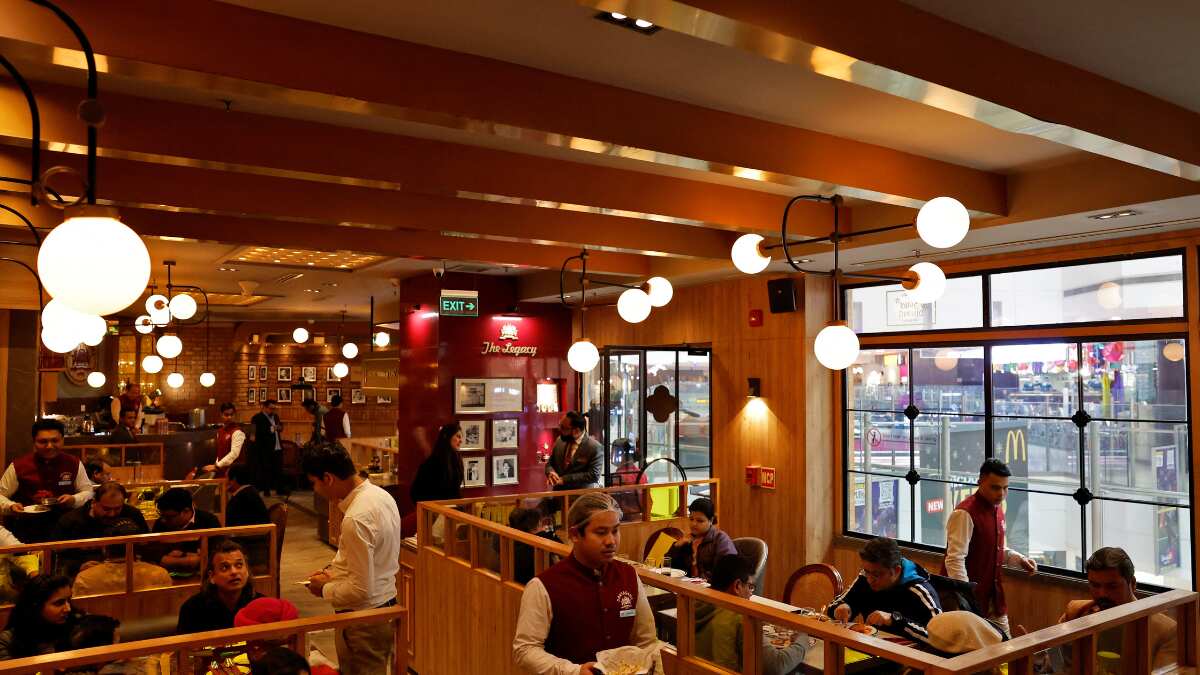
Customers have their meals inside Daryaganj restaurant at a mall in Noida, India
India's foreign minister Dr. S Jaishankar framed New Delhi as a 'non-West' and 'not an anti-West' capital last weekend at the Munich Security Conference. That distinction is all the more important in today's polarised world which among everything descriptively serious, is also trying to figure out the origin of butter chicken.
The owners of a Delhi restaurant Moti Mahal sued rival chain Daryaganj last month, accusing it of falsely claiming to have invented the Butter Chicken and Dal Makhani.
Moti Mahal is seeking $240,000 in damages. The claims to the origins of India's most globally popular dishes will be decided by the Delhi High Court later this summer.

The battle for who invented Butter Chicken (and Dal Makhani)
Moti Mahal traces its origins to the city of Peshawar in present-day Pakistan. After India's partition in 1947, the restaurant shifted its base to Delhi. It later became a mighty restaurant chain that gave the likes of Jawaharlal Nehru and Richard Nixon a decent taste of North Indian cuisine.
Comparatively, Daryaganj's first outlet opened just recently in 2019. The restaurant chain says that its late family member, Kundan Lal Jaggi, had partnered with Moti Mahal founder Kundan Lal Gujral to open the Delhi restaurant in 1947, and the dish was invented there. That gives it the right to also lay claim to the creation of the dish, Daryaganj says.
)
Nigeria: Protesters take to the streets, police fire shots
)
US-Iran war: Tehran draws red lines — seven demands before any peace talks
)
Russia-Europe tensions: Polish PM warns Russian attacks could test NATO's unity
&im=FitAndFill=(700,400))
‘Not the US or China’: These are the countries leading the world in arable land
)
Mark Carney mimics Trump in hilarious moment over C$70 billion clean-energy investment; room erupts in laughter
)
Pentagon revives mandatory testosterone testing for male troops aged 30 and above
)
‘End of my career...’: NSA Doval recalls tense Sikkim mission when China captured Indian intelligence team
)
Trump defends AI amid growing alarm, announces new 'AI force' and promises an 'AI czar'
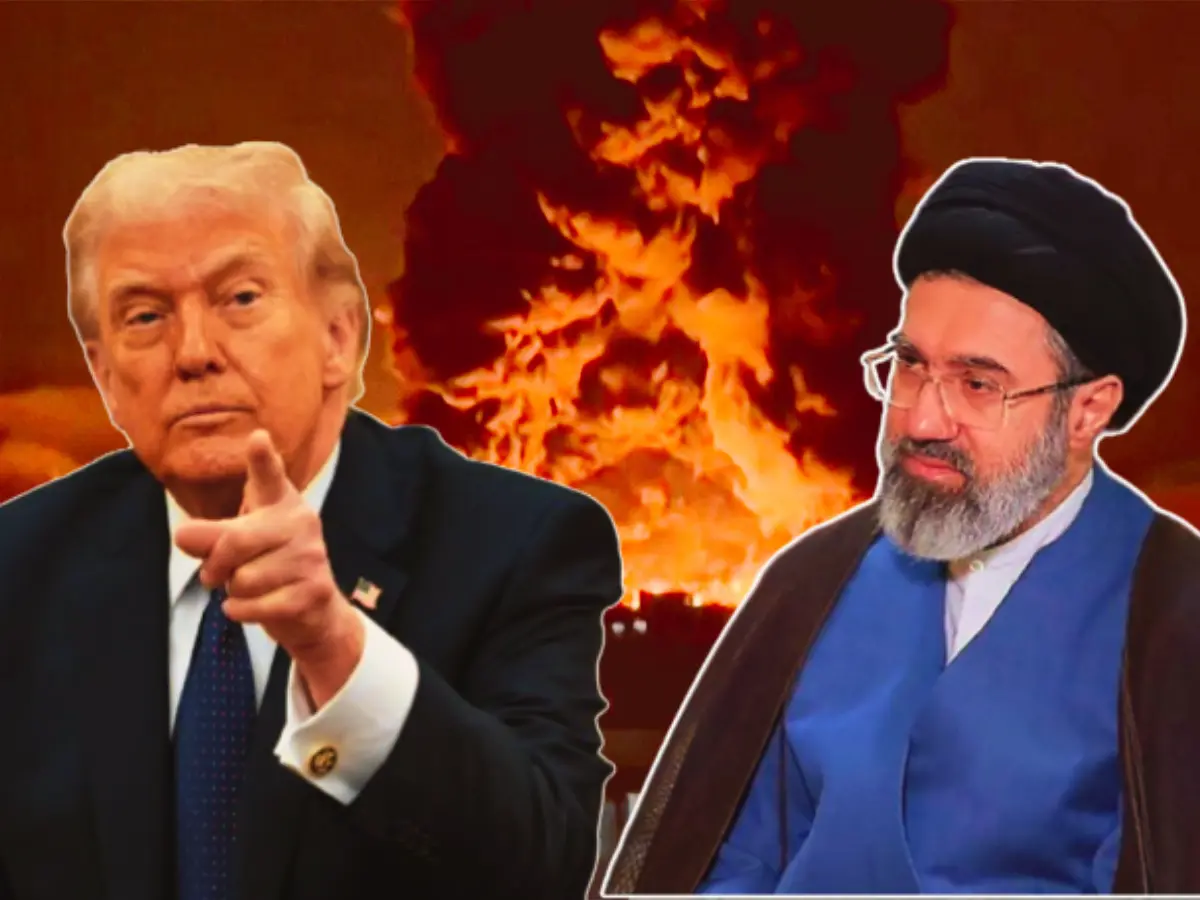)
Iran sets 7 conditions to end war with US: What are Tehran’s demands?
)
Trump announces ‘AI Force’ as debate grows over AI risks and regulation
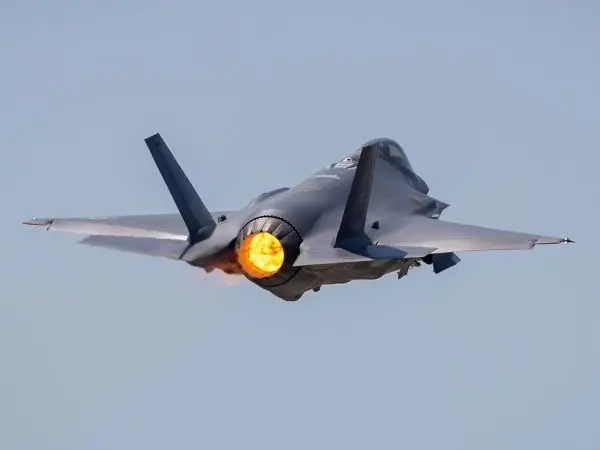)
China may have gained access to US's classified F-35 jets; parts meant for repairs diverted to Hong Kong, sparking Pentagon inquiry
)
Gaza under attack: Health chief's son killed in IDF strikes
)
Arvind Kejriwal, family members, Delhi CM Rekha Gupta get SIR notices
)
Cochin shipyard starts building Indian Navy's next-gen missile vessels
)
Saudi vs Houthis: Houthis claim missiles & drones used in attack on key Saudi sites
)
Russia extends ban on Western food imports for two more years in extended sanctions countermeasure
)
Ed Sheeran addresses Macklemore's removal, Gaza conflict during Philadelphia concert: 'I cannot hide how I feel'
)
Brigitte Bardot’s private collection set for Paris auction; key items and prices revealed
)
How did an Australian river with 500 crocodiles pass the Olympic test? Here's how
)
‘Will go to any extent’: Pakistan vows to defend Saudi Arabia amid Houthi attacks
66 years of the Indus Waters Treaty: How India and Pakistan settled a bitter river dispute
)
The Verdict | When precision fails: US commits war crime in Minab school strike, UN finds
)
9 women found dead near Johannesburg: South Africans rally, demand 'enough' to femicide
)
Trump wants to rename ‘Artificial Intelligence’, gives 3 options: Which one would you pick?
)
US-Iran war: Tehran sets seven conditions to re-engage in talks with US
)
Reacher star Alan Ritchson opens up about alleged blackmail, suicide attempt during difficult period
)
Africa is splitting, and a lot sooner than estimated, giving way to a new ocean
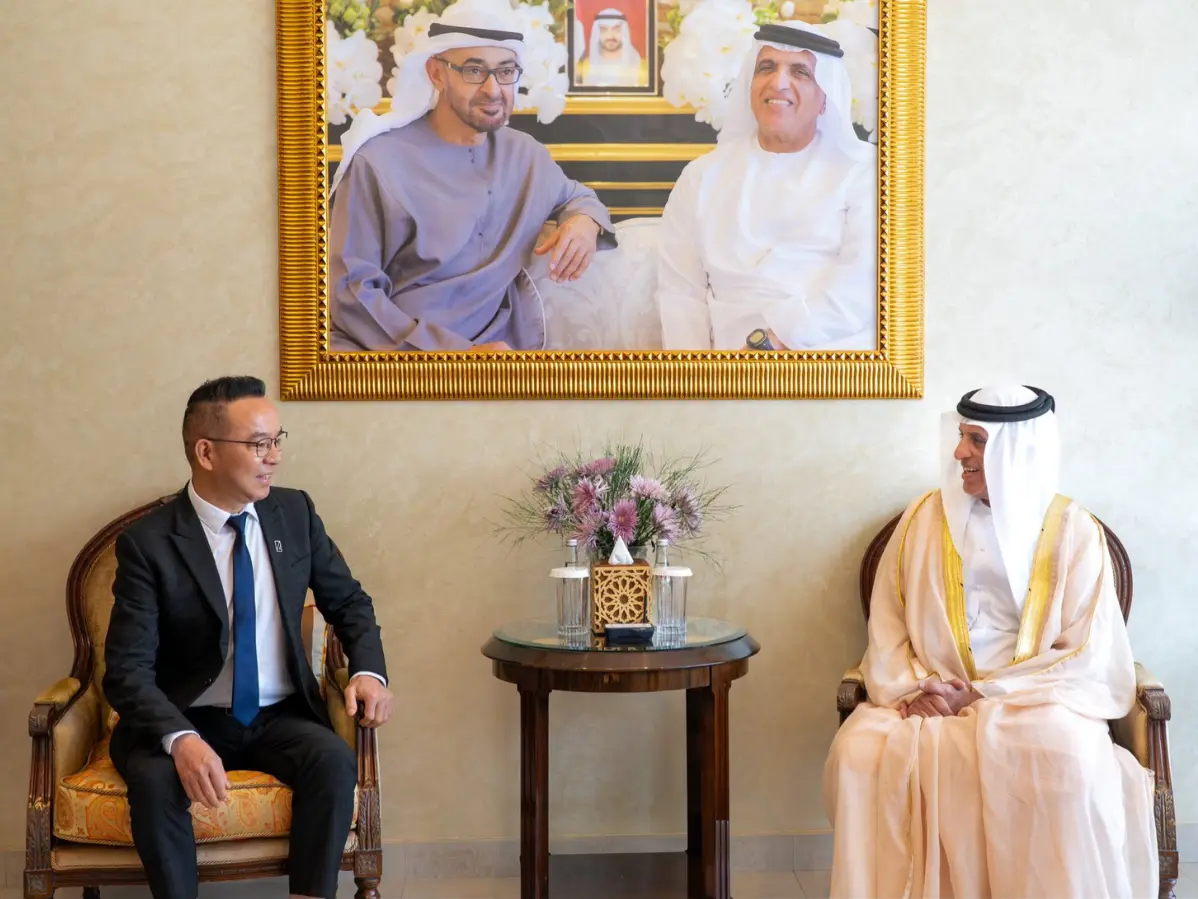)
Flying cars in UAE: Ras Al Khaimah signs deal with Chinese company to test new transport
)
Trump bans CNN, MS NOW and Politico from White House over ‘FAKE NEWS’
)
Trump 2.0: Dark days ahead for America’s ‘imperial presidency’
&im=FitAndFill=(700,400))
How many F-35s does Britain, Japan and Israel have?
)
Harry Brook targets long reign at top of T20I rankings after Sri Lanka sweep
)
Russia's deadly Ukraine strikes kill 2 in Sumy, hit Dnipro mall
)
Russia holds first parliamentary elections since the beginning of the Ukraine war
&im=FitAndFill=(700,400))
Meet top 5 Indian batters with fastest T20I centuries
)
Raphinha hat-trick powers Barcelona to 3-1 win over Sevilla in La Liga
)
The decision over the origin of Butter Chicken and Dal Makhani is now left to the judiciary's wisdom.
Butter Chicken and globalisation of Indian cuisine
As I tasted from both restaurants in the great butter chicken origin story battle, the reason why it has gained remarkable global attention came alive: like many other things Indian, butter chicken is no more about India alone. It's a testament to how far the country has come in the curious reverse flow of globalisation.
I say reverse flow because globalisation was feared once as imposed by the West on countries like India. But now, from its culture to cuisine — Butter Chicken included — India is spreading its influence in the world, using the very same globalisation which many Indian elites once derided when the economy first opened up to the world in the 1990s.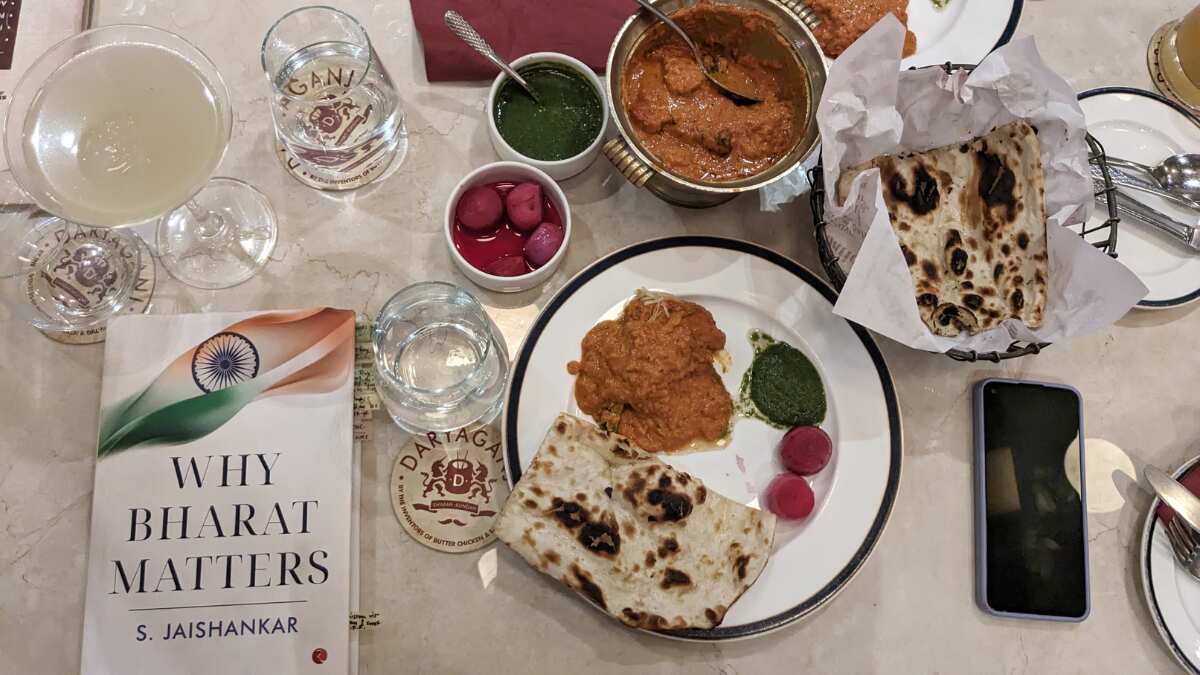
India's foreign minister Dr S. Jaishankar, in his latest book 'Why Bharat Matters' argues that multilateralism, or a grouping of multiple countries pursuing a common goal, is the "lowest common denominator" as a solution provider or problem-solver in international affairs. "Its frailties and shortcomings are even more openly at display," the Indian foreign minister notes.
A rather globalised version of the respective outlets of Moti Mahal and Daryaganj with their Indian identity as core shows how a country's cuisine is often the lowest common denominator of its identity in a complicated world.
Also read | India says UN Security Council's permanent-five members override collective voice of 188 countries
Unlike multiple complications of multilateral diplomacy, a cuisine's strength and shortcomings in this deeply connected world are just one: the market forces such as consumers.
How love for a cuisine eclipses national boundaries?
Despite tensions with China, the brutally Indianised versions of Chinese food — along with slightly original versions — remain popular across India. Another case in point is the Turkish ice cream stalls at Indian wedding events. Or the newfound popularity of Japan's Sushis beyond the tier-1 metropolises. The spicy Korean Ramen discovered by new-age Indians through wildly loved Korean dramas now represents Korean identity much more vociferously than a Samsung ever has.
With the syncing of all global culinary trends, the Indian palate is now filling up with flavours that carry Chinese, Turkish, Japanese, and Korean identities.
Similarly, Indian cuisine is among the four most popular cuisines in the world — along with Italian, Japanese, and Chinese — a working paper by US economist Joel Waldfogel notes.
This global embrace of Indian cuisine (along with Yoga) asserts the country's unique 'non-West' credentials in the era of invasive pan-globalism.
Also watch |Butter Chicken Battle: How does the origin of Butter Chicken bring two restaurants to the court?
The basic fact that these markers of Indian identity are embraced across the world, points out that they are not 'anti-west' or anti-region/country. They are the features of Indian identity that incidentally reflect one of the guiding principles of Indian foreign policy doctrine in Modi years: Vasudhaiva Kutambakam or the World is One Family. And what better a unifier for a family if not good food loved by most of its members?
The battle for Butter Chicken between the two Delhi restaurant chains is no less than a high point for globalisation of Indian cuisine, a reflection of the country's expanding culinary influence free of country-to-country tensions and multilateral complications. It is also reflective of the nature of globalisation in itself, where the markers of your rooted cultural identity constitute the determination of your worth.
The court will rule about the 'real inventor of Butter Chicken and Dal Makhani' in May. Whichever way the verdict goes, it will simply accelerate the pace of Indian culinary influence all over the world.
(Disclaimer: The views of the writer do not represent the views of WION or ZMCL. Nor does WION or ZMCL endorse the views of the writer.)