As India battles coronavirus, Aarogya Setu app helps you stay safe and informed

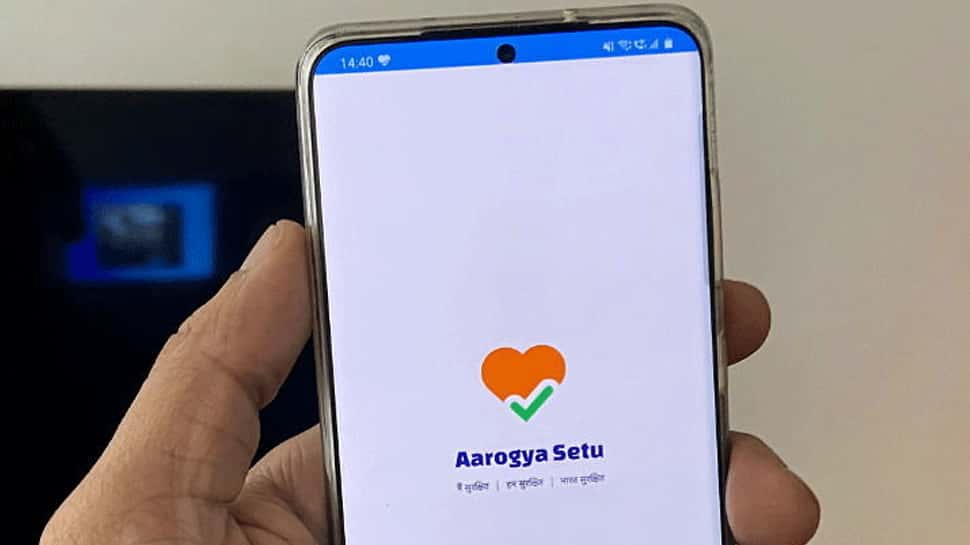
Aarogya Setu app
For over a decade, US-based Bill Gates has been talking about his greatest fear for mankind. In mid-2018, Gates stated that within the next decade, a flu could cause 30 million deaths in less than six months. He urged that “In the case of biological threats, that sense of urgency is lacking. The world needs to prepare for pandemics in the same serious way it prepares for war”.
As of today, Gates stands correct on both counts. A global pandemic hit the entire world and caught us unprepared. Millions are under quarantine. 1.3 Billion on lockdown just in India. Almost two million people have tested positive for coronavirus. Experts are also predicting that there are many more cases that could be positive and untested.
It was in Wuhan, China where the virus first crowned. China initially denied the virus spread. It was only later, when China realised that the infectious and virulent nature of COVID-19, it became transparent about it.

South Korea is one country that has done an exemplary job in combating the coronavirus. As of March 5, 2020, South Korea had the most number of infected people outside of China. At least 6300 positive cases and 40 dead from COVID-19. As of today, South Korea has successfully curbed the spread of the virus. What did South Korea do so successfully? Especially when other nations have seen their numbers growing exponentially.
While developed states in Europe and North America struggle to contain the infection and total deaths could be to 200,000 only in the USA, South Korea engaged in mass testing of its citizens. By the end of the first week of March, South Korea had imposed a mandatory self-isolation on over 30,000 people. This was monitored through a phone application that was designed by the South Korean government. By the end of the first week of April, South Korea had tested over 500,000 people successfully. South Korea managed to quickly isolate most people who had come in contact with any infected person. The app routinely gave location-based emergency messages and alerts pertaining to COVID-19 and even pointed to the routes that infected persons had taken so that people could avoid or self-isolate if they felt they could have come in contact with COVID-19 positive individuals on that route.
India voluntarily went into lockdown early when figures were low. Like South Korea, state machinery in India was actively engaged from the start. Isolation centres were set up, states activated stringent measures, and India implemented among the world’s most stringent border controls. An app called the Aarogya Setu was launched for self-diagnosis and tracking. The app is proving invaluable help in connecting citizens with emergency services. It provides correct information on symptoms of coronavirus to the users.
&imwidth=180&imheight=135&format=webp&quality=medium)
Brendan Taylor overtakes Andy Flower to become Zimbabwe’s leading ODI run-scorer
&im=FitAndFill=(700,400)&imwidth=180&imheight=135&format=webp&quality=medium)
What is the real meaning behind Pete Hegseth's tattoos?
&imwidth=180&imheight=135&format=webp&quality=medium)
Kenyan cult leader found guilty over starvation deaths of nearly 200 children
&imwidth=180&imheight=135&format=webp&quality=medium)
Two Indians among 28 arrested in California over alleged voter registration fraud, DOJ says
&imwidth=180&imheight=135&format=webp&quality=medium)
Flying car race: Alef Aeronautics welcomes Tesla Roadster '11 years' later, but are the two models the same?
&imwidth=180&imheight=135&format=webp&quality=medium)
France is burning. Trump blames immigrants. But who is answering Europe's real questions? | The Verdict
&imwidth=180&imheight=135&format=webp&quality=medium)
Shastri backs Shami comeback; lauds Bhuvi and warns Bumrah on format workload ahead of World Cup
&imwidth=180&imheight=135&format=webp&quality=medium)
Netanyahu rival Benny Gantz quits Israel election race, vows to push for unity government
&imwidth=180&imheight=135&format=webp&quality=medium)
US Midterm 2026: What do opinion polls and prediction markets say less than two weeks before voting
&imwidth=180&imheight=135&format=webp&quality=medium)
WATCH | Albania protesters set Supreme Court on fire as anti-Rama riots escalate
&imwidth=180&imheight=135&format=webp&quality=medium)
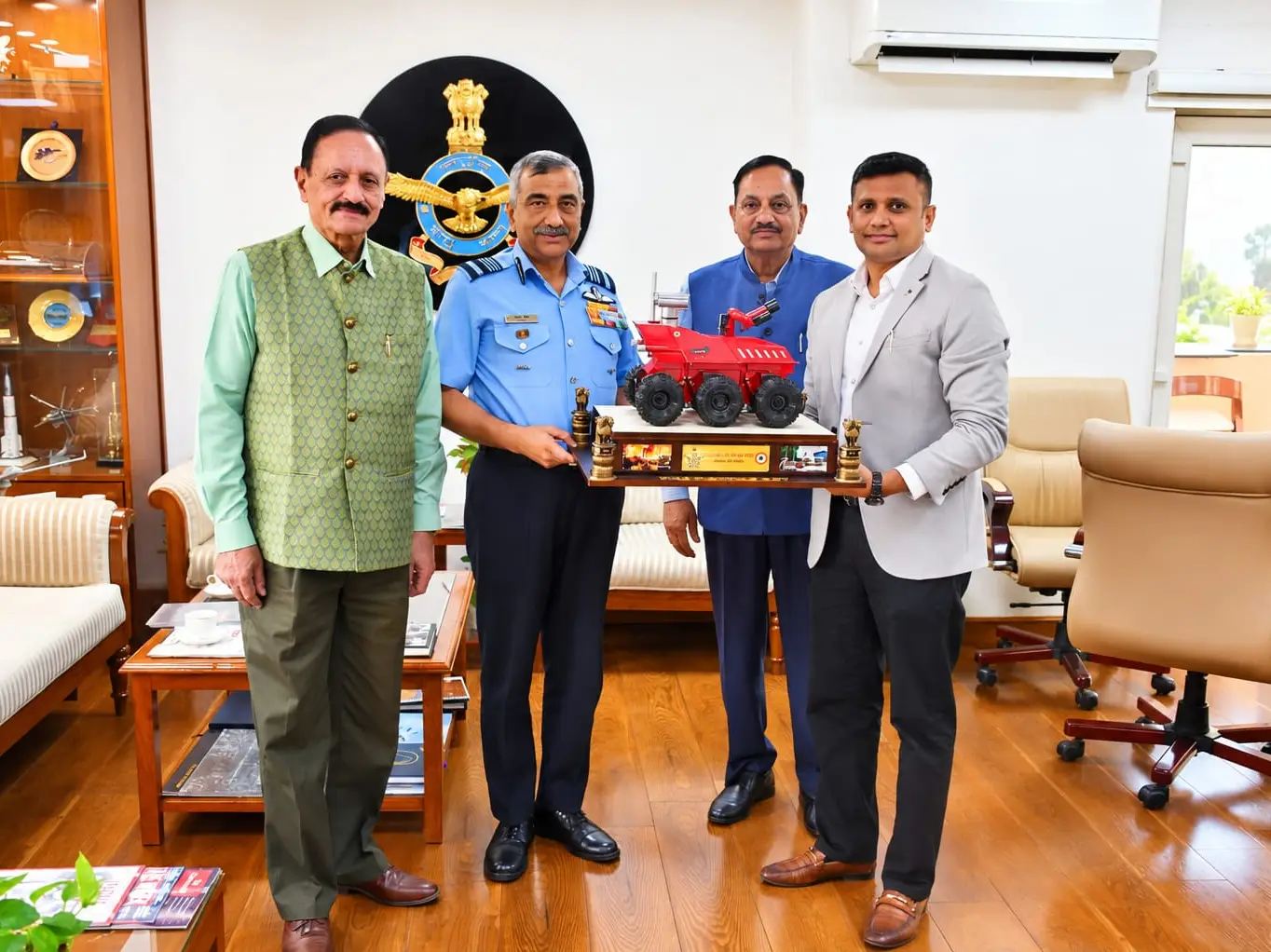
Indian Air Force turns to homegrown firefighting robot developed under iDEX programme
&imwidth=180&imheight=135&format=webp&quality=medium)
Trump Commerce Secretary Howard Lutnick’s family fortune more than doubles to $7.3 billion, outpacing his boss
&imwidth=180&imheight=135&format=webp&quality=medium)
Pete Hegseth meets Benjamin Netanyahu during unannounced visit to Israel ahead of election
&im=FitAndFill=(700,400)&imwidth=180&imheight=135&format=webp&quality=medium)
Ghaziabad is world's fastest-growing city; Surat, Patna, Rajkot also feature on list
&imwidth=180&imheight=135&format=webp&quality=medium)
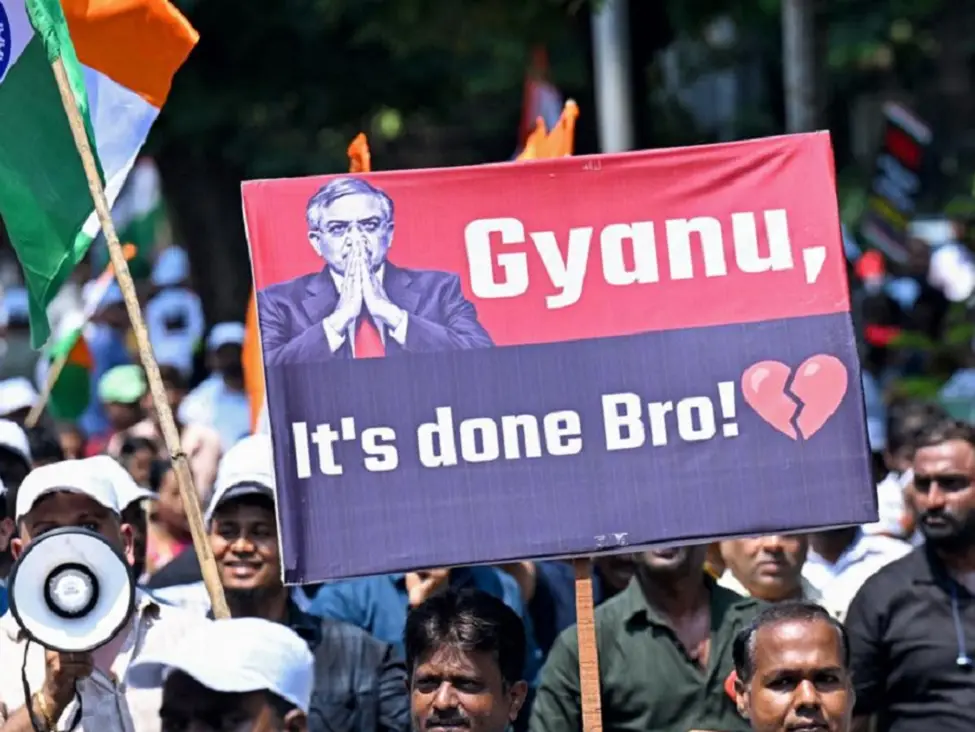
‘Spare India from anarchy’: Over 400 Indian-origin academics from MIT, Oxford condemn anti-CEC protests
&imwidth=180&imheight=135&format=webp&quality=medium)
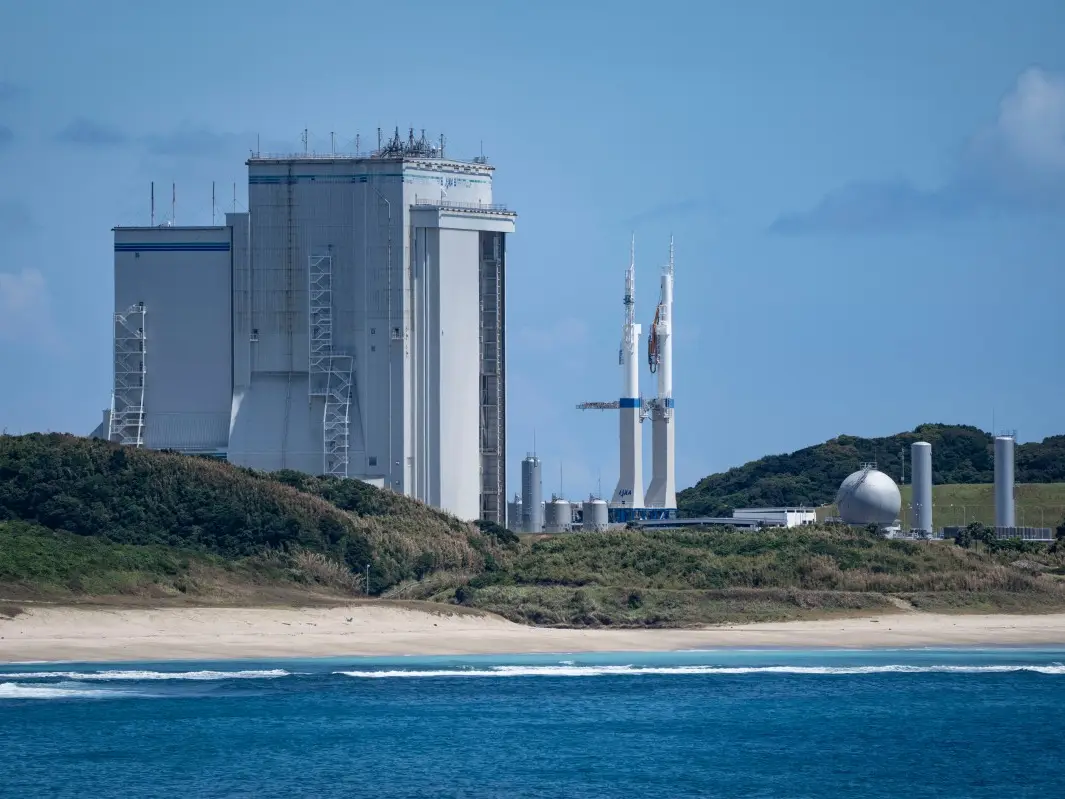
WATCH | Japan launches historic mission to collect samples from Mars' moon Phobos
&imwidth=180&imheight=135&format=webp&quality=medium)
‘My president, I mean my husband’: Trump's new press secretary Katie Zacharia's first briefing goes off the rails in 14 minutes
&imwidth=180&imheight=135&format=webp&quality=medium)
Pakistan betrays Iran, shuts border, trade as Trump moves towards new war
&imwidth=180&imheight=135&format=webp&quality=medium)
PCB omits Atherton, Hussain from tri-series commentary panel over Imran Khan interview row
&imwidth=180&imheight=135&format=webp&quality=medium)
Trump calls on New Mexico to become 'New America', claims 'home values and incomes would rise'
&imwidth=180&imheight=135&format=webp&quality=medium)
US Congressman Raja Krishnamoorthi describes foiled temple attack as ‘divine intervention’, criticises Vance and MAGA rhetoric
&imwidth=180&imheight=135&format=webp&quality=medium)
Girl 'dead' for 8 hours wakes up at her own funeral, dad insists she wasn't breathing
&imwidth=180&imheight=135&format=webp&quality=medium)
Pujara says 'Samson and Vaibhav cannot be in Playing XI' for India on NZ tour
&imwidth=180&imheight=135&format=webp&quality=medium)
US midterms 2026: From Pooja Sethi to Vivek Ramaswamy, here are Indian-origin candidates to watch out for
&imwidth=180&imheight=135&format=webp&quality=medium)
Elon Musk features on Lucknow's 'anti-India' Ravan poster alongside Rahul Gandhi, Akhilesh
&im=FitAndFill=(700,400)&imwidth=180&imheight=135&format=webp&quality=medium)
New OTT releases this week (October 19-25, 2026): Gajab Raat to Chaar Yaar-8 titles to watch during Dussehra week on Netflix, Prime Video and more
&imwidth=180&imheight=135&format=webp&quality=medium)
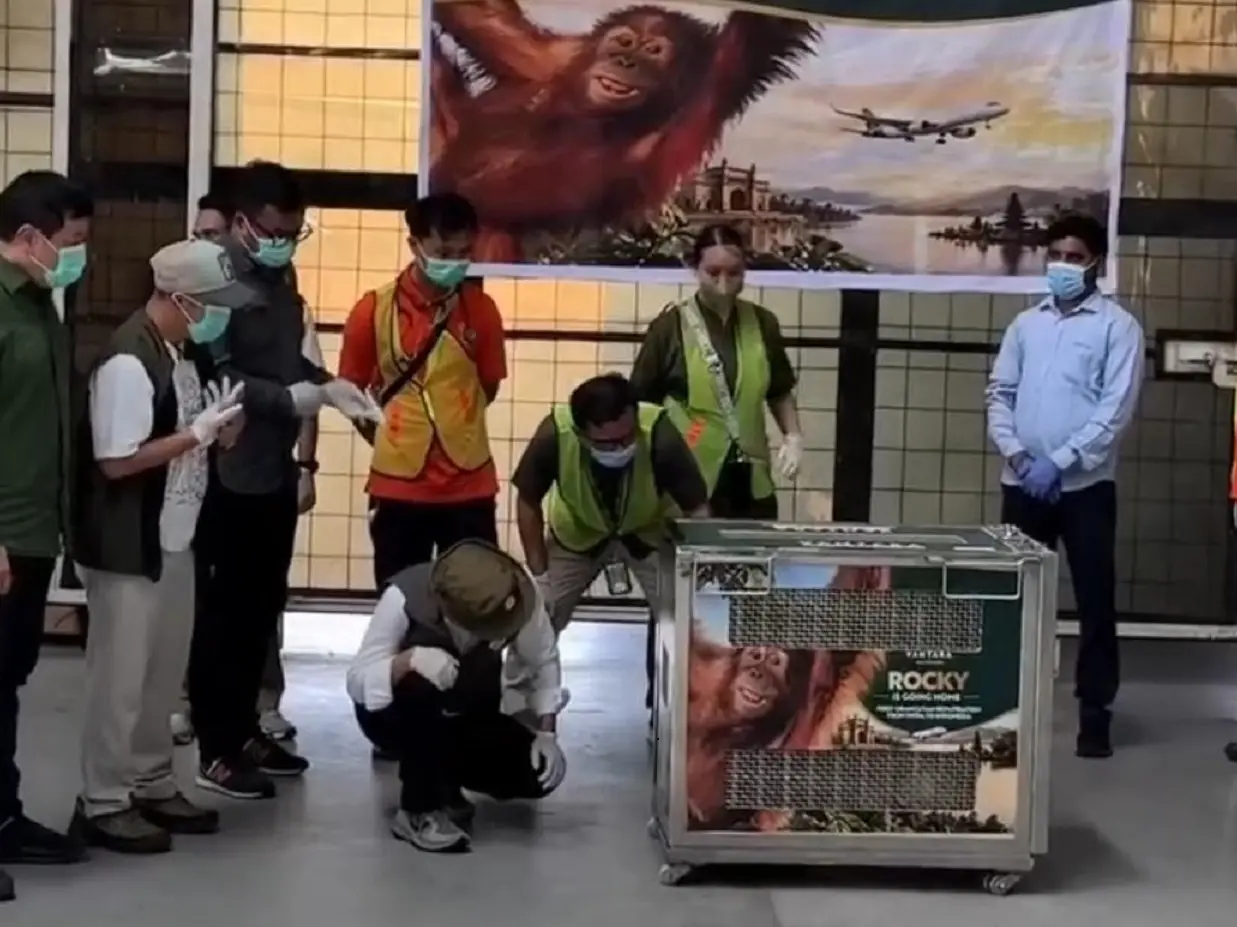
Baby orangutan rescued in India returns to Indonesia
&imwidth=180&imheight=135&format=webp&quality=medium)
India moves to buy 10,000 more AI chips for a national compute pool open to startups
&imwidth=180&imheight=135&format=webp&quality=medium)
'Whatever I can do to end this war': Trump floats China Summit with Putin and Xi, questions Zelensky's role in peace talks
&imwidth=180&imheight=135&format=webp&quality=medium)
'Paris is going to be a Muslim city very soon': Trump blames immigration for France unrest, urges Macron to tighten border policies
&imwidth=180&imheight=135&format=webp&quality=medium)
WATCH | Viral video shows woman jogging past burning barricade amid Paris unrest, sparks online debate
&imwidth=180&imheight=135&format=webp&quality=medium)
'We feel like Mr India': Gujarat’s undercover SHE team guard garba nights at Navratri
&imwidth=180&imheight=135&format=webp&quality=medium)
Cattle-feed bran in biscuits, detergent in milk: FSSAI acts against 3 companies
&imwidth=180&imheight=135&format=webp&quality=medium)
'It's a joy to see the makers bring it on such a grand scale': SS Rajamouli on Ramayana
&imwidth=180&imheight=135&format=webp&quality=medium)
Priest dies after crucifix falls on his head during livestreamed Mass in Ecuador | VIDEO
&imwidth=180&imheight=135&format=webp&quality=medium)
Ramayana advance booking: Ranbir Kapoor, Yash's film cross $500K ahead of Diwali release
Furthermore, the data collected through Aarogya Setu would be compiled to help create anonymized, aggregated datasets for the purpose of generating reports, heat maps, and other statistical visualisations for the purpose of the management of COVID-19 in the country. While it does access the device’s GPS locations and Bluetooth services, the purposes of the application are limited to the tracking of individuals that might be infected or might infect others with COVID-19. The access to Bluetooth is especially important for a post-lockdown scenario where users of the app that come into close proximity of COVID-19 infected individuals, who had travelled or come in contact with them, could be notified as soon as the application recognises a possible source of infection around the user and asked to take precautionary measures to stop the possible spread of the infection further.
The application seeks to further the government’s attempt at tracking any possible community infection of COVID-19. However, the success of this application lies in mass utilisation by smartphone users that amount to almost 500 Million users. The application, just like the one used in South Korea, could be of tremendous help in containing the further spread of the virus once the lockdown is lifted.
We’ve seen from the South Korean model that testing and tracking have to go hand in hand in this fight against COVID-19. While we can’t stop the spread completely, through the use of modern technologies available at our disposal we can indeed limit the spread. The surveillance by the application is limited for the purpose it seeks to serve and while it does track and transmit the data to the administrators, it is evident from the privacy policy that the data sets are “anonymised”, meaning the data will not be identified by an individual user but as an anonymous data set collected from a user whose identity will be kept hidden. This is similar to an anonymous survey where your inputs are recorded yet your identity is not. Moreover, the potential risks are still being discussed but the benefits are quite apparent.
The nature of the data collected is not different from any mainstream applications on our smartphones or other devices these days. The GPS function is almost identical when it comes to the use and data retention to many other mainstream social media, instant messenger and e-commerce applications. The Bluetooth functionality is an added feature to ensure proximity detection vis-à-vis other users of the application as GPS location services are not the most accurate and may result in false alerts.
Prime Minister Narendra Modi has extended the lockdown till May 3 to ensure that we are completely prepared to resume our everyday lives once the lockdown is lifted. The Aarogya Setu application, along with testing on a mass scale, will act as the cornerstone of our strategy to combat COVID-19. However, the most important aspect of this fight, just as we have seen during the lockdown, is going to be the cooperation of the people of India. A successful end to this fight against COVID-19 is only possible through continued testing and tracking of COVID-19 cases, similar to what was done in South Korea. Since we can’t treat this infection yet, our only hope is to stop it from spreading.
(Disclaimer: The opinions expressed above are the personal views of the author and do not reflect the views of ZMCL)