Your customs check is now being recorded: Body cameras rolled out at airports

&imwidth=600&imheight=450&format=webp&quality=medium "Your customs check is now being recorded: Body cameras rolled out at airports")
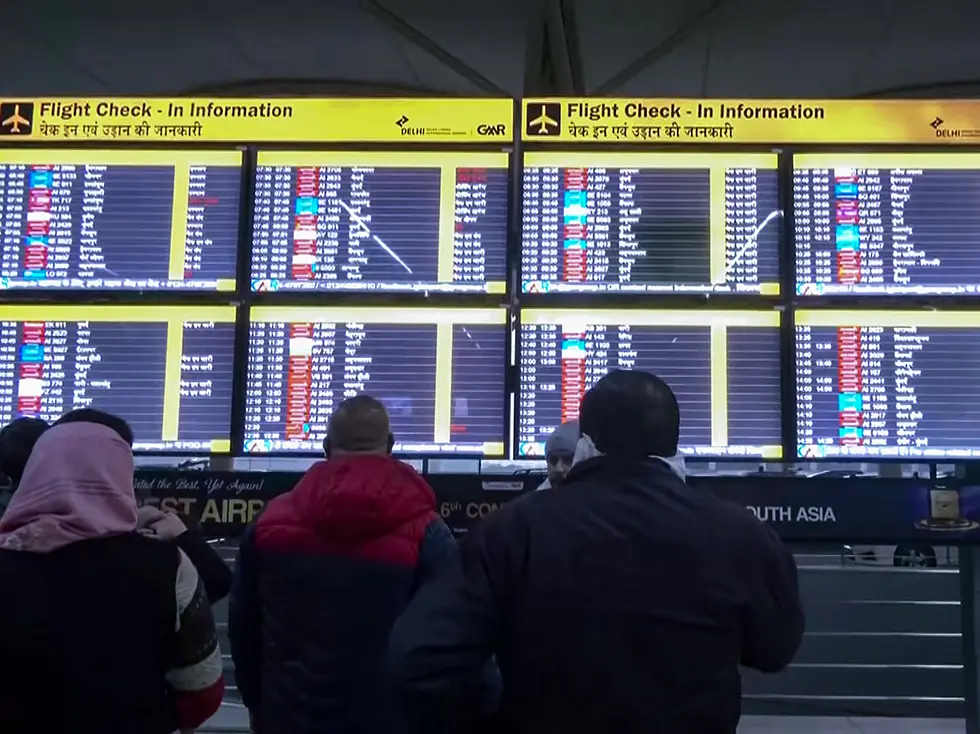
Passengers look at the information display board at the Indira Gandhi International Airport, in New Delhi. Photograph: (ANI)
Under the new rules, officers must clearly inform passengers that the interaction is being recorded before switching on the camera. The audio-visual footage will be securely stored for at least 90 days.
Passengers arriving at India’s international airports may soon notice a new addition to customs checks — body-worn cameras on customs officers. In a move aimed at improving transparency and accountability, the government has made it mandatory for customs officers posted at Red Channel gates to wear body cameras while interacting with travellers.
The decision has been taken by the Central Board of Indirect Taxes and Customs and is being rolled out across airports in a phased manner.
The Red Channel is where passengers declare dutiable or restricted items and often face detailed scrutiny. Authorities say recording these interactions will help reduce disputes, prevent misconduct and ensure procedures are followed fairly.
Under the new rules, officers must clearly inform passengers that the interaction is being recorded before switching on the camera. The audio-visual footage will be securely stored for at least 90 days and can be reviewed later in case of complaints, departmental inquiries or legal proceedings.
Where It Has Already Started
Trending Stories
&imwidth=280&imheight=210&format=webp&quality=medium)
&imwidth=280&imheight=210&format=webp&quality=medium)
&im=FitAndFill=(700,400)&imwidth=280&imheight=210&format=webp&quality=medium)
&imwidth=280&imheight=210&format=webp&quality=medium)
&imwidth=280&imheight=210&format=webp&quality=medium)
&imwidth=280&imheight=210&format=webp&quality=medium)
&imwidth=280&imheight=210&format=webp&quality=medium)
&imwidth=280&imheight=210&format=webp&quality=medium)
&imwidth=280&imheight=210&format=webp&quality=medium)
&imwidth=280&imheight=210&format=webp&quality=medium)
&imwidth=280&imheight=210&format=webp&quality=medium)
&imwidth=280&imheight=210&format=webp&quality=medium)
&imwidth=280&imheight=210&format=webp&quality=medium)
&im=FitAndFill=(700,400)&imwidth=280&imheight=210&format=webp&quality=medium)
&imwidth=280&imheight=210&format=webp&quality=medium)
&imwidth=280&imheight=210&format=webp&quality=medium)
&im=FitAndFill=(700,400)&imwidth=280&imheight=210&format=webp&quality=medium)
&imwidth=280&imheight=210&format=webp&quality=medium)
&imwidth=280&imheight=210&format=webp&quality=medium)
&imwidth=280&imheight=210&format=webp&quality=medium)
&imwidth=280&imheight=210&format=webp&quality=medium)
&imwidth=280&imheight=210&format=webp&quality=medium)
&imwidth=280&imheight=210&format=webp&quality=medium)
&imwidth=280&imheight=210&format=webp&quality=medium)
&imwidth=280&imheight=210&format=webp&quality=medium)
&imwidth=280&imheight=210&format=webp&quality=medium)
&imwidth=280&imheight=210&format=webp&quality=medium)
&imwidth=280&imheight=210&format=webp&quality=medium)
&imwidth=280&imheight=210&format=webp&quality=medium)
&imwidth=280&imheight=210&format=webp&quality=medium)
&imwidth=280&imheight=210&format=webp&quality=medium)
&imwidth=280&imheight=210&format=webp&quality=medium)
The initiative is no longer on paper alone. Major airports have already begun implementing the system.
At Kempegowda International Airport in Bengaluru, customs officers stationed at the Red Channel are already wearing body cameras during passenger checks. Officials say early feedback suggests smoother interactions and fewer arguments, as both sides are aware the exchange is being recorded.
The system has also been extended to Mangaluru International Airport, which comes under the same customs zone. Officers there have been instructed to activate cameras during all passenger interactions involving baggage checks or declarations.
Meanwhile, Chennai International Airport has begun distributing body-worn cameras to customs staff, with additional devices being procured to cover all shifts. Officials say the cameras will work alongside existing CCTV surveillance, offering a clearer and more personal record of what actually transpires during inspections.
At Pune International Airport, preparations are underway to introduce body-worn cameras for customs officers at the Red Channel.
Sources say the airport, which falls under the Mumbai Customs zone, is expected to begin implementation shortly as part of the nationwide rollout.
Officers are being briefed on standard operating procedures, including passenger intimation and data handling norms.
Why the Move Matters
The decision comes amid repeated complaints from international travellers about harassment, delays and alleged demands for bribes at customs counters.
Authorities believe body-worn cameras will act as a deterrent against wrongdoing, while also protecting officers from false allegations.
Customs officials stress that strict data-privacy norms will be followed, and the footage will only be accessed for official purposes.
The recordings may be retained for longer than 90 days if required for an ongoing investigation or court case.
What Travellers Should Expect
For passengers, the change means greater transparency. If you are stopped at the Red Channel, the officer will inform you that recording is underway. Officials say this will help build trust and make customs checks more predictable and professional.
The government plans to extend the system to all international airports in the country, starting with the busiest hubs. Authorities describe it as part of a broader effort to modernise customs operations and improve the overall travel experience.
