
&imwidth=800&imheight=600&format=webp&quality=medium "Why the India-EU ‘mother of all’ trade deal is bad news for US President Donald Trump")
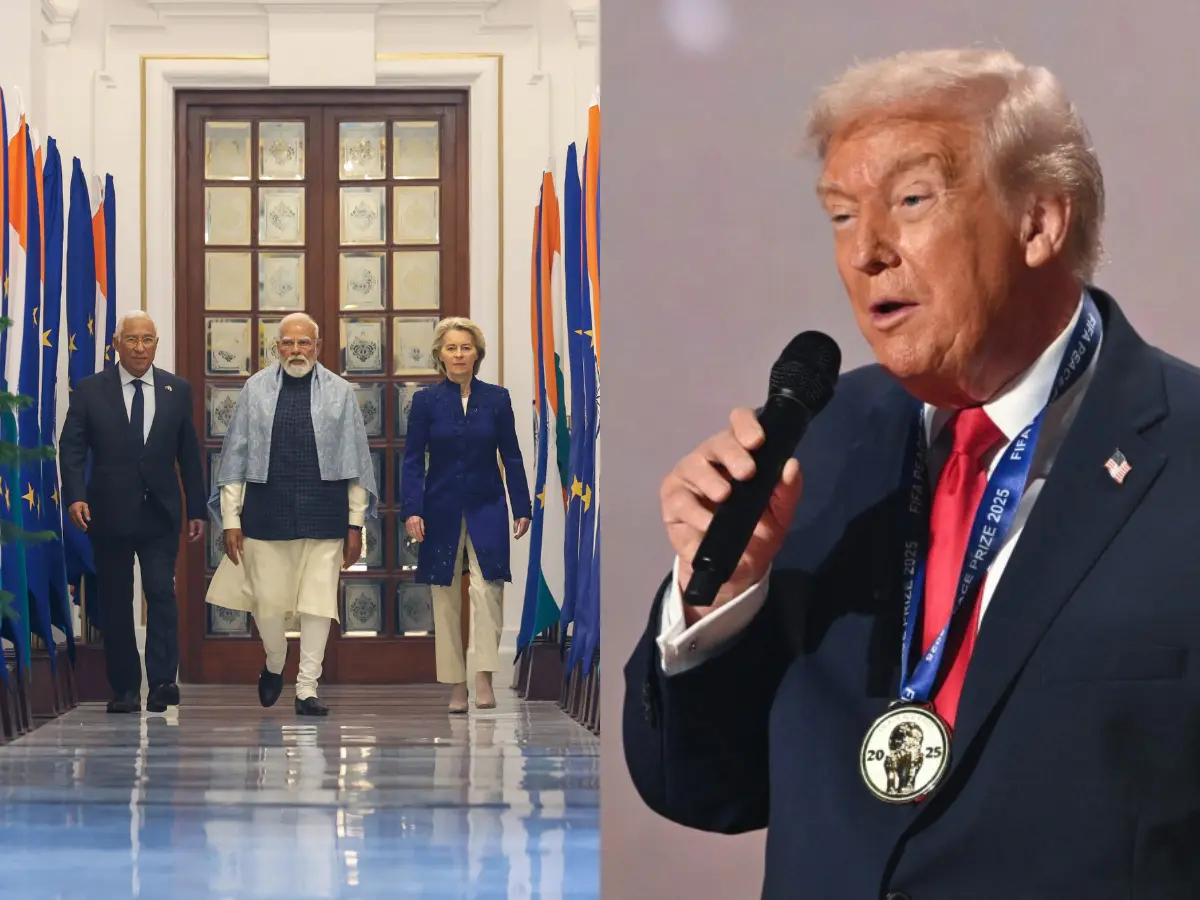
India and the European Union (EU) on Tuesday (January 27) unveiled what officials are calling a landmark free trade agreement, one that is unlikely to sit well with US President Donald Trump. The deal brings together a bloc Trump has repeatedly criticised and pressured, and a country he has sought to strong-arm with steep tariffs. Trump, who has openly mocked Europe and clashed with it over issues ranging from defence spending to his controversial Greenland ambitions, is also locked in a tense trade standoff with India.
Compounding Trump’s irritation, the European Union has also paused progress on its own trade agreement with the United States. The symbolism is hard to miss: Europe and India, both targets of Trump’s tariff threats, have instead chosen to deepen ties with each other.
Signs of Washington’s discomfort surfaced on Monday when US Treasury Secretary Scott Bessent accused Europe of indirectly financing the Russia-Ukraine war by importing energy routed through India. Speaking to ABC News, Bessent pointed out that the US had imposed 25% tariffs on India over Russian oil purchases, only for Europe to finalise a trade pact with New Delhi days later.

What Bessent did not acknowledge is that Trump’s own trade tactics may have accelerated the deal. Negotiations between India and the EU have dragged on for nearly two decades. It was the growing uncertainty created by US tariffs, export controls, and diplomatic friction that finally pushed both sides to close ranks. Prime Minister Modi alluded to this global disruption while announcing the agreement. Without naming Trump, he noted that the international order was in flux and that the India-EU deal could help bring stability.
How Trump’s pressure backfired
Trending Stories
)
Why asking questions could be more important than memorising answers
)
Osama Bin Laden ‘planned’ to target India, CIA reveals dozens of declassified documents
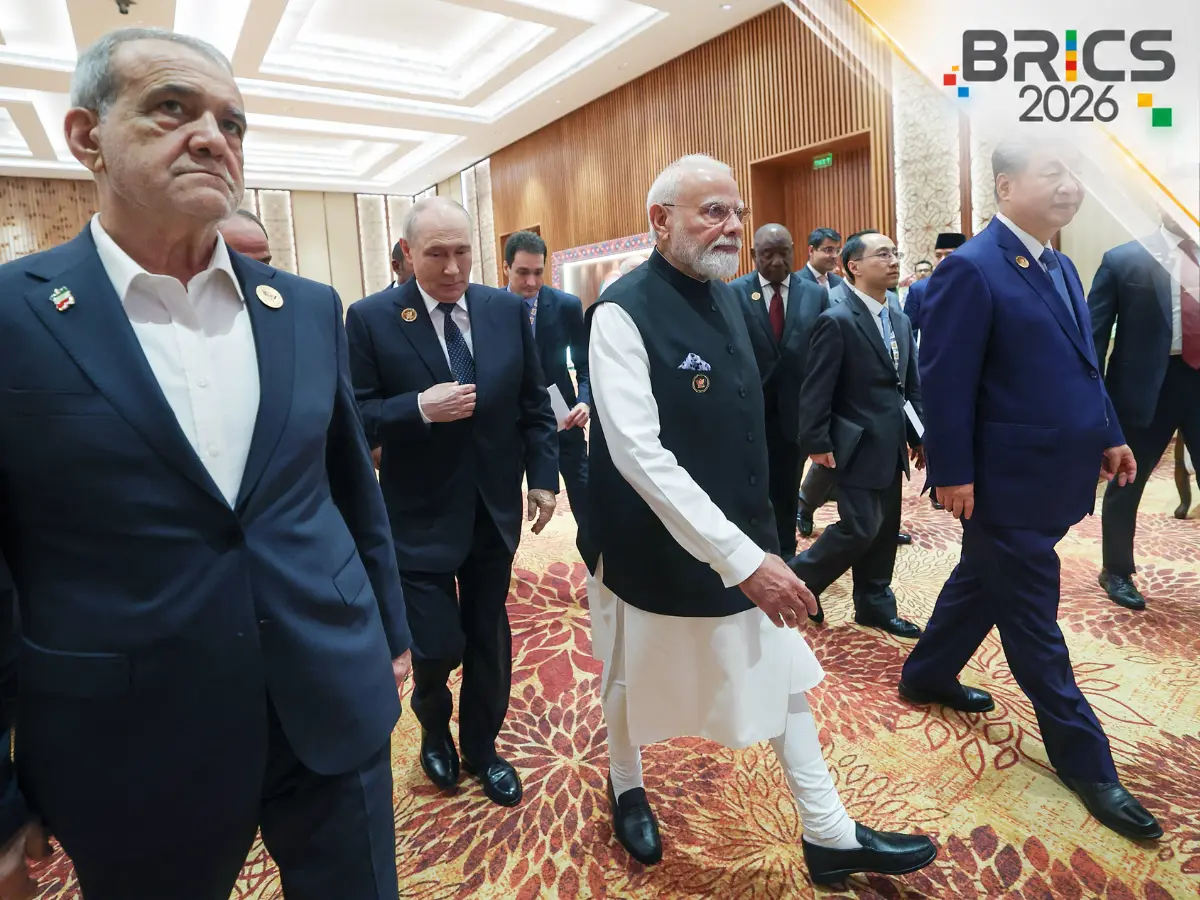)
'Iran won't surrender': Pezeshkian sends blunt message to US while attending BRICS Summit in India
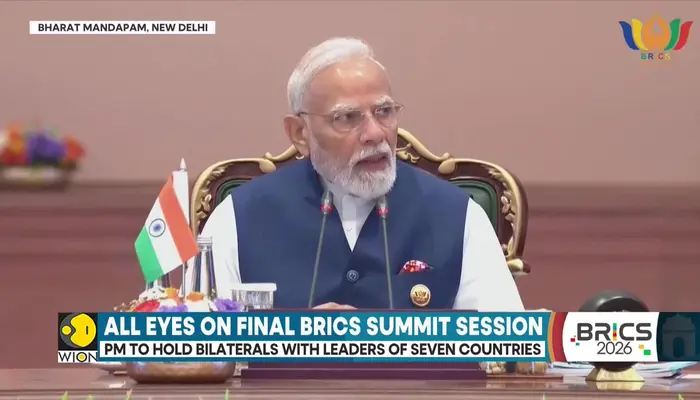)
BRICS Summit 2026: Global leaders of BRICS nations attend main open session
)
Celine Dion makes emotional stage comeback after six years: 'I'm so delighted to see you'
)
PM Modi and China's Xi offered to help resolve Russia-Ukraine war: Kremlin
)
Why dehydration is the hidden cause of travel fatigue on long flights
&im=FitAndFill=(700,400))
Meet top 5 batters fastest to 3000 runs in T20Is
)
Top 5 places to visit in Goa beyond its famous beaches
)
'He is popular...': Malaysian PM Anwar Ibrahim's praise for PM Modi during bilateral meeting | WATCH
)
BRICS Summit 2026: PM Modi, Xi reach key consensus on ties, China to assume BRICS chairmanship in 2027
)
BRICS Summit 2026: Consensus on joint declaration, diplomatic win for India
)
Trump says Canada eager to reach a deal, it could come ‘fairly soon’ if Ottawa treats US farmers better
)
‘Partners, not rivals’: Xi outlines four point plan for stronger India-China ties
&im=FitAndFill=(700,400))
Why Chinese PL-15 air-to-air missiles use dual-pulse motors compared to European interceptors
)
Could staying indoors all day affect your health?
)
BRICS Summit 2026: PM Modi addresses Day 2 of 18th BRICS summit
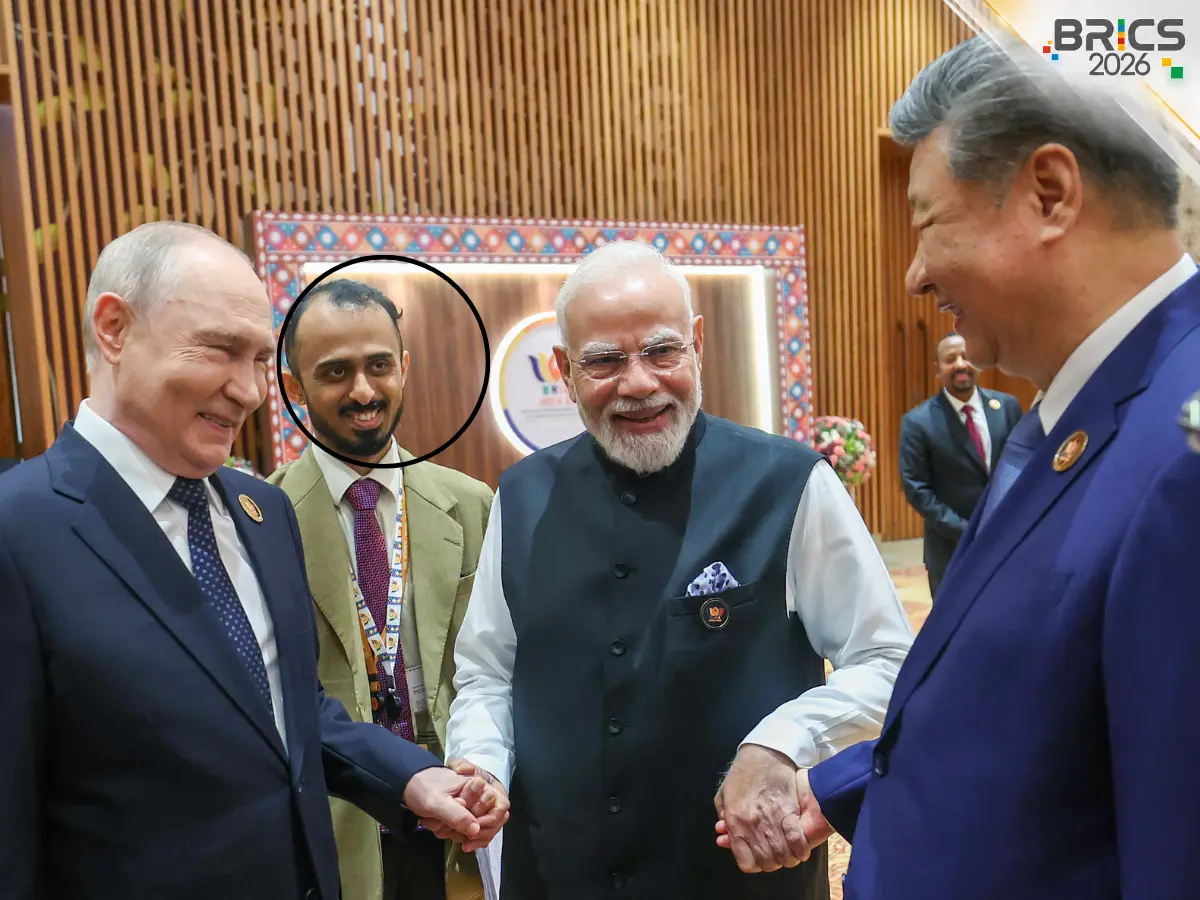)
Who is the smiling man beside Modi, Putin and Xi at BRICS Summit 2026?
)
800 million years old - Scientists discover 'fingerprints' of supercontinent Gondwana in ancient rocks
)
Why going digital does not always mean becoming more efficient
&im=FitAndFill=(700,400))
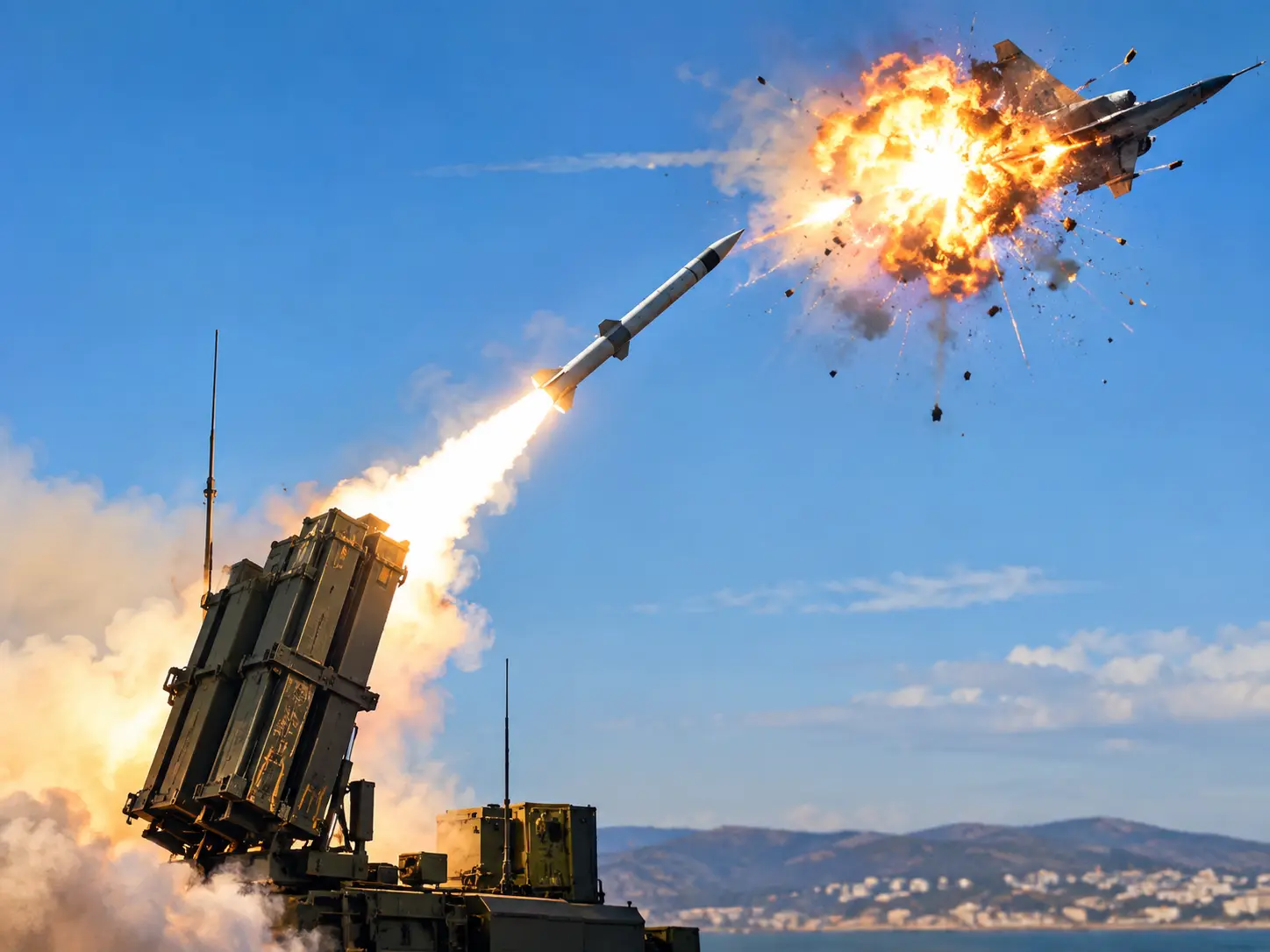
Why do air defence missiles explode near their target instead of hitting it?
)
Russian drone hits Warsaw-bound train near Polish border, Zelensky accuses Moscow of ‘deliberate’ targeting
)
War is making Russia stronger? How Ukraine is shaping Moscow’s next generation of weapons
)
Migration protests return to Portsmouth as rival demonstrations face off
)
From severe mobility problems to recovery: Madhuri the elephant’s journey of wildlife care
)
BRICS Summit day 1: New Delhi declaration adopted with full consensus, big diplomatic win for India
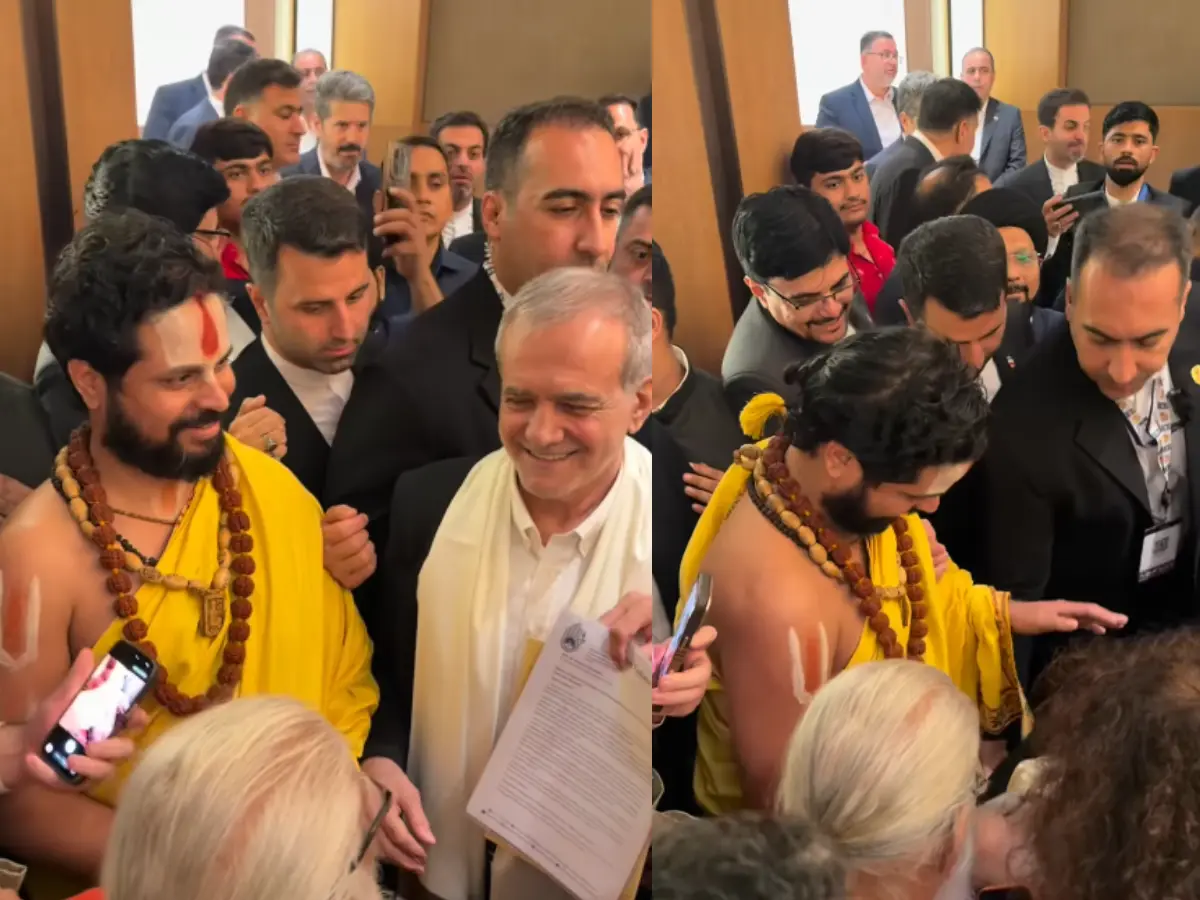)
Did Iran President Pezeshkian touch feet of Hindu spiritual leader at Delhi event as shown in viral video?
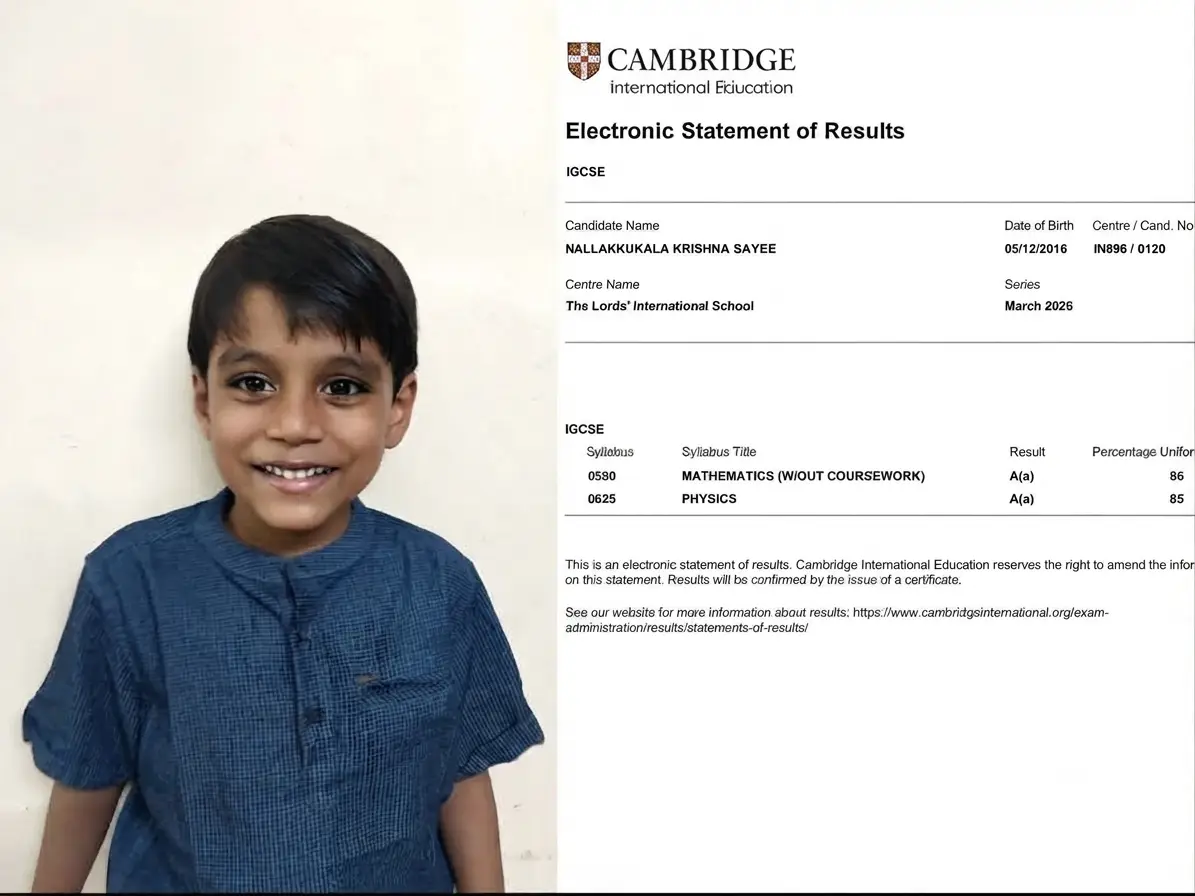)
9-year-old Chennai prodigy clears Cambridge IGCSE grade 10 exams
)
Why does your body need time to adjust after a long journey?
)
BRICS Summit 2026: PM Modi to hold bilateral with leaders of seven countries
)
Ramanathaswamy temple takes centre stage as PM Modi welcomes world leaders at BRICS
)
Houthis launch cross-border strike on Saudi Arabia as Yemen war escalates
)
BRICS Summit 2026: Chinese president Xi Jinping departs from New Delhi after attending BRICS summit
)
Why does your skin need protection from UV rays?
)
How does the loss of forests affect the way wildlife lives and moves?
)
IND vs AFG, 1st T20I: When and where to watch live streaming in India?
)
Why do wild animals need quiet places to survive?
)
Bigg Boss 20: Qazi Touqeer gets a special ‘rockstar’ moment from Salman Khan
)
Humans may lose control of AI: Anthropic CEO calls for slowdown, Altman, Musk back him
India is currently facing combined US tariffs of 50%—25% under reciprocal measures and another 25% linked to Russian oil imports. Over the past year, Trump and his allies have repeatedly criticised India, branding it a conduit for Moscow and even framing the Ukraine conflict as “Modi’s war.” The pressure was aimed at forcing India into a trade deal tilted heavily in America’s favour.
New Delhi, however, chose restraint over retaliation. While refusing to bow to US demands, India avoided direct attacks on Trump himself. Europe’s experience has been similar. Trump’s aggressive rhetoric, threats of additional tariffs, and anger over EU resistance to his Greenland proposal have strained transatlantic ties. In response, Brussels shelved its trade talks with Washington, while several European countries declined to participate in Trump-backed diplomatic initiatives in West Asia.
Why the India-EU deal matters?
For India, the agreement sends a clear message: it will not negotiate under duress. In recent months, New Delhi has concluded trade deals with the UK, New Zealand, and Oman, reinforcing its intent to diversify partnerships. India’s negotiating stance reflects an understanding that Trump responds to leverage, not submission. Unlike Canada, where trade talks with China were frozen after Trump threatened 100% tariffs, India has stayed the course.
The EU, for its part, accommodated India’s long-standing sensitivities by excluding agriculture and dairy from the pact, safeguarding Indian farmers. This stands in contrast to US demands for deep access to these politically sensitive sectors. While European leaders have expressed unease over India’s ties with Russia, they have largely avoided public ultimatums or sanctions. That tone helped keep negotiations on track.
India, now the world’s fourth-largest economy, offers Europe a vast and steadily expanding market. Despite occasional disagreements, New Delhi has refrained from publicly pressuring or embarrassing Brussels—an approach that paid dividends. The agreement, set to take effect next year, promises significant gains on both sides. Indian exporters in labour-intensive sectors such as textiles, chemicals, gems, and jewellery, hit hard by US tariffs, will gain preferential or duty-free access to European markets.
The EU is already India’s largest trading partner. Under the FTA, duties will be eliminated on more than 90% of traded goods, while services sectors like telecom and accounting will see reduced barriers. Europe also stands to benefit from India’s decision to slash tariffs on imported EU cars to 40%, down from levels as high as 110%. This opens the door wider for manufacturers such as Volkswagen, Mercedes-Benz, and BMW in the world’s third-largest automobile market by volume.

