Vaccines only hope as India’s fight with Covid-19 gets intense


Coronavirus vaccine
India’s vaccines can fight off the double mutation, but the numbers are still rising. India set a double record on Tuesday with almost 300,000 new cases and more than 2,000 deaths in 24 hours.
There were 825,000 cases reported globally and 300,000 of them came from India, almost 36% of the global caseload. So, what's India's exit route here?

Simple, vaccines. On May 1, India will begin vaccinating all adults, but are we ready for this phase?
State governments can buy Covishield at Rs 400 per dose, which is around five US dollars. Private hospitals will have to pay Rs 600 per dose, which is around eight US dollars.
Vaccine makers will divide their output in two parts, one half goes to the central govt and the second half will be sold to states and in the open market. So, hospitals and state govts can buy directly and distribute any way they like.
&imwidth=180&imheight=135&format=webp&quality=medium)
US midterms 2026: Viral video claims Lindsey Graham paid underage men for sex; clip released weeks before his sister's Senate race
&imwidth=180&imheight=135&format=webp&quality=medium)
India-China face-off continues near Arunachal’s Taksing, reveals ITBP chief in first official confirmation of tensions
&imwidth=180&imheight=135&format=webp&quality=medium)
US Navy, Marine Corps boards defy Trump's transgender military ban, vote to retain troops
&imwidth=180&imheight=135&format=webp&quality=medium)
Gravitas | US attack could trigger WW III: Russian planes in Tehran, Israeli jets, US warships in action
&imwidth=180&imheight=135&format=webp&quality=medium)
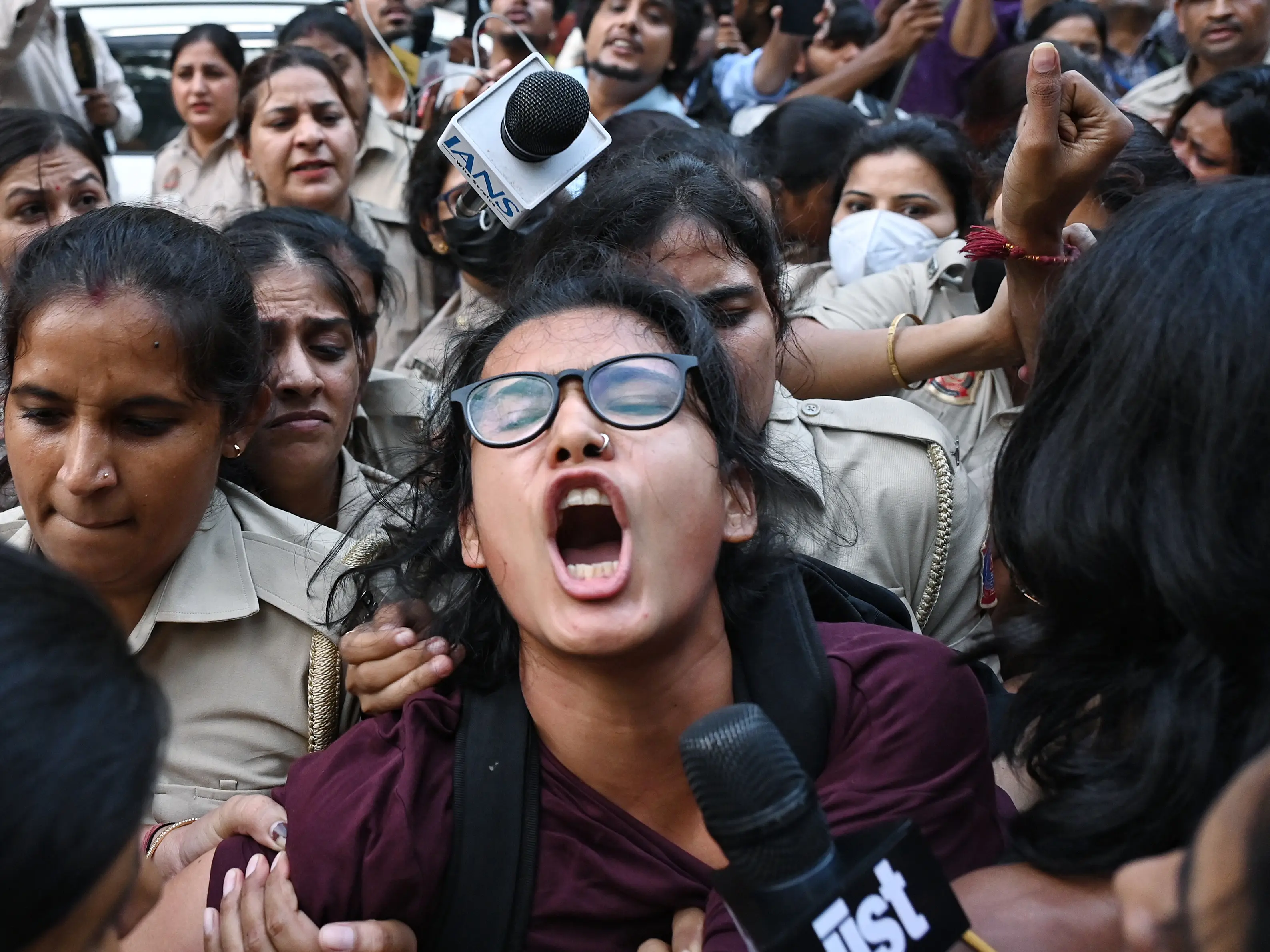
Did Neha Bora call for Bangladesh-like GenZ protest, 'anarchy' in India? WION Fact-checks viral claim
&imwidth=180&imheight=135&format=webp&quality=medium)
Viral video shows cross falling on Colombia priest, no official confirmation | WATCH
&imwidth=180&imheight=135&format=webp&quality=medium)
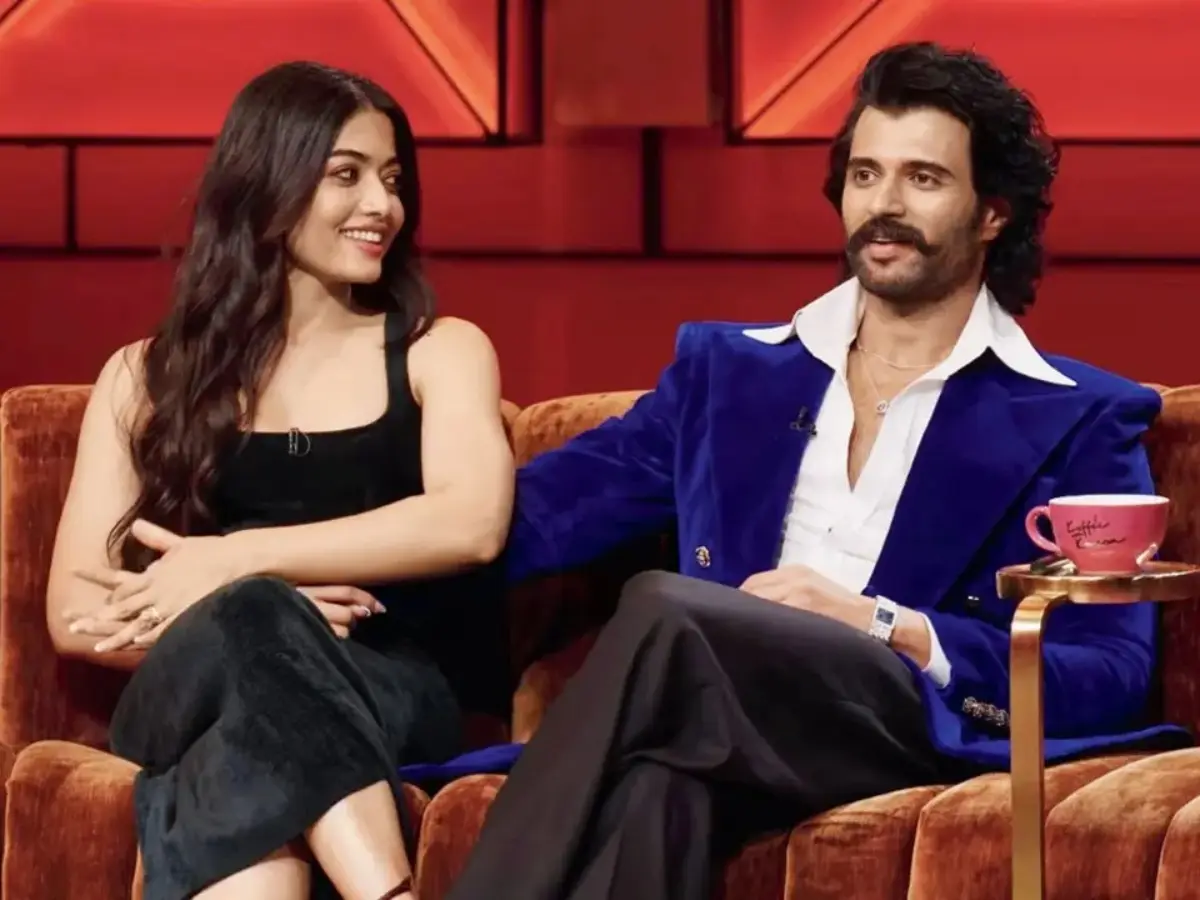
'This is humiliation': Vijay Deverakonda under fire over controversial marriage proposal remark on Koffee With Karan 9
&imwidth=180&imheight=135&format=webp&quality=medium)
US start-up claims it turned Mercury into Gold, beats CERN’s 2025 record
&imwidth=180&imheight=135&format=webp&quality=medium)
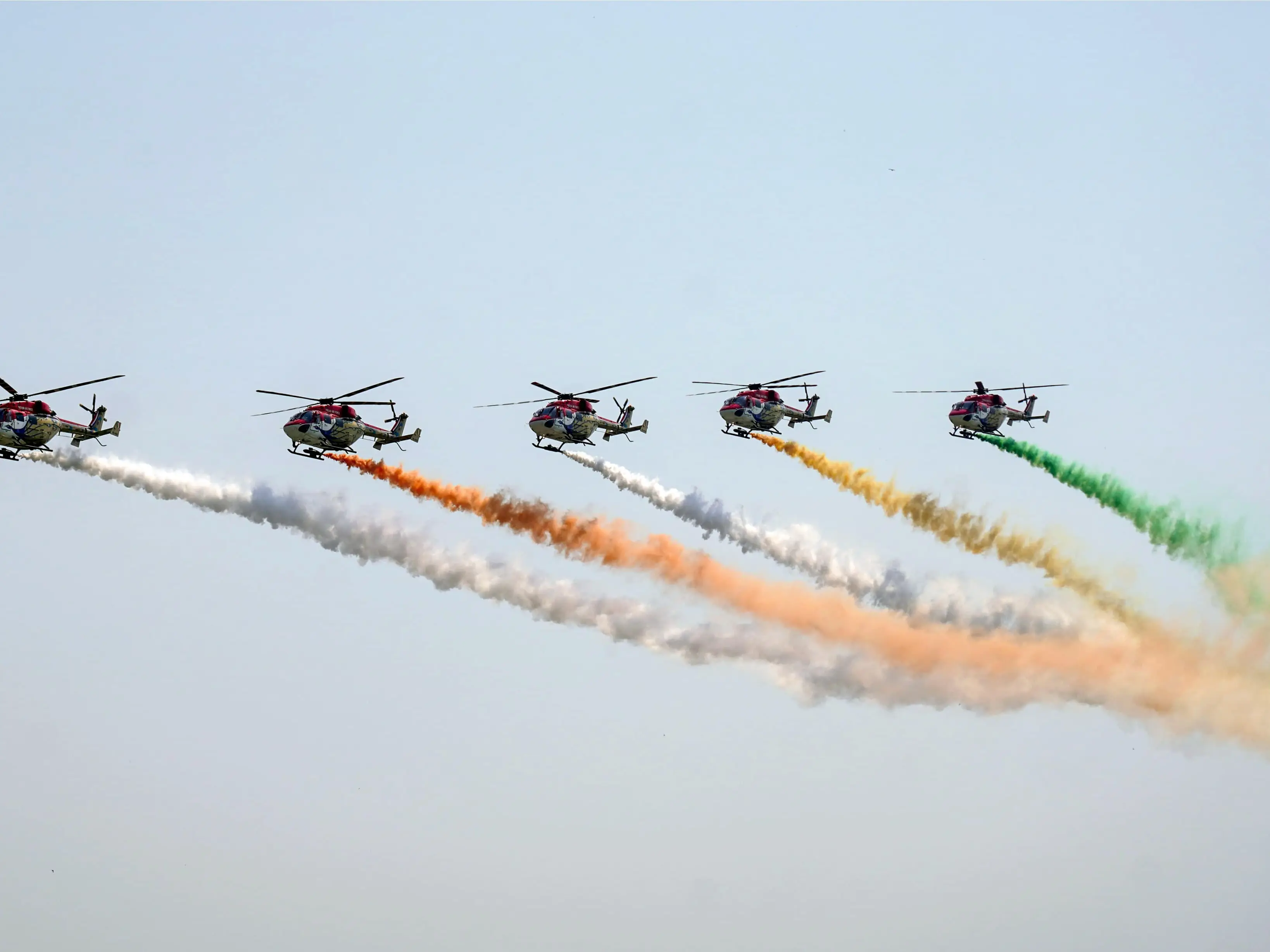
Prime Minister Modi to attend final day of "Wings Over Ganges" display
&imwidth=180&imheight=135&format=webp&quality=medium)
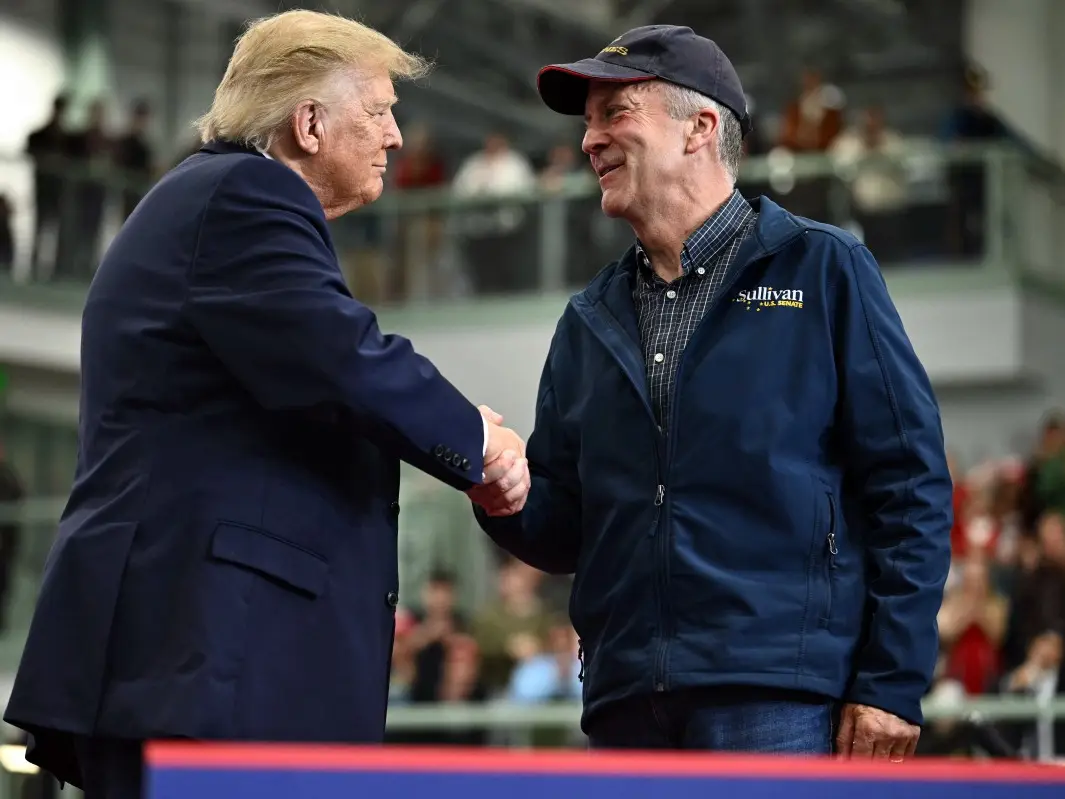
US midterms 2026: Trump administration sues to block Alaska Senate election certification if Republican Dan Sullivan loses. What's happening?
&imwidth=180&imheight=135&format=webp&quality=medium)
Mississippi releases video of police officer shooting 1-year-old Kohen Wiley, no charges filed - VIDEO
&imwidth=180&imheight=135&format=webp&quality=medium)
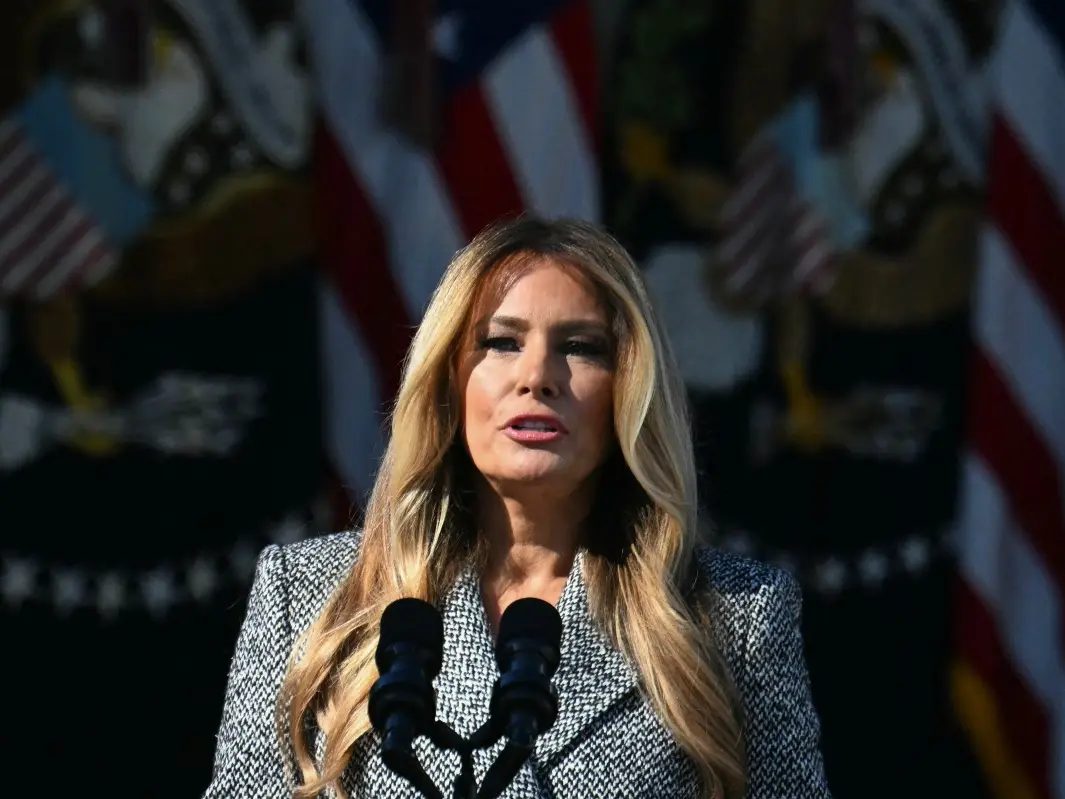
First Lady Melania Trump secures ceasefire between Russia, Ukraine in Oleshky: White House
&imwidth=180&imheight=135&format=webp&quality=medium)
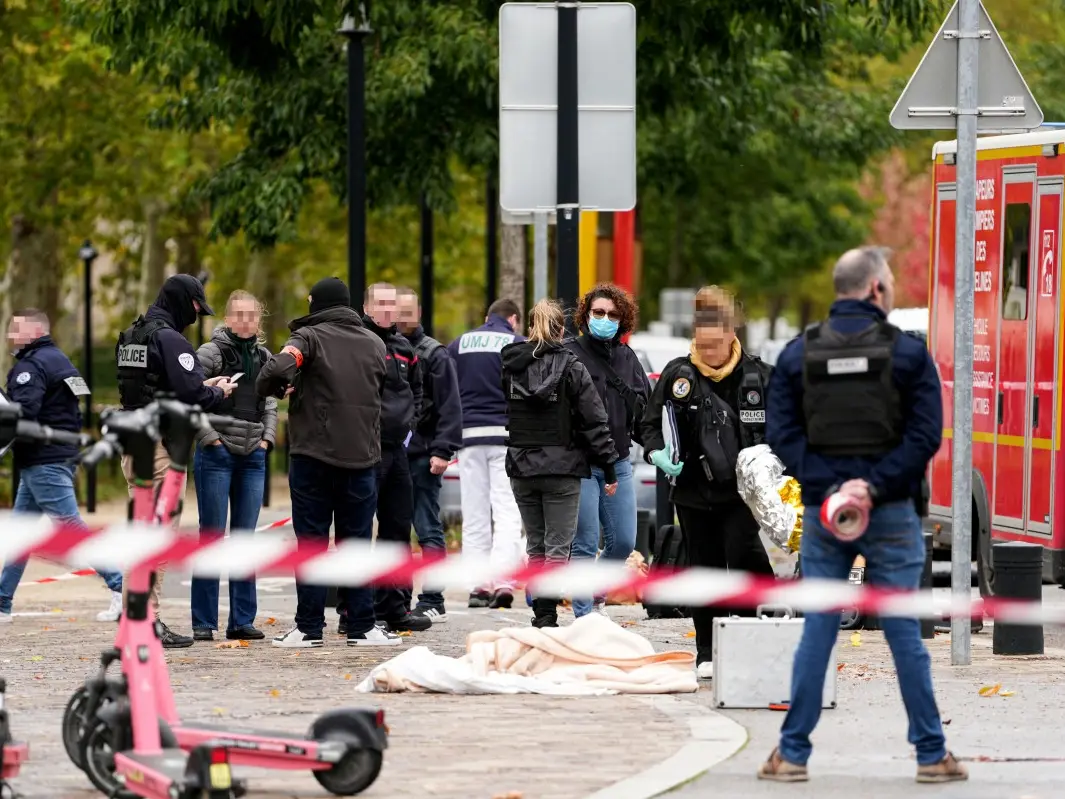
Emmanuel Macron calls Paris suburb shooting a 'racist terrorist attack' after one killed, several injured
&imwidth=180&imheight=135&format=webp&quality=medium)
Horrific video shows the moment 18-year-old fell to her death from Mexico amusement park ride
&imwidth=180&imheight=135&format=webp&quality=medium)
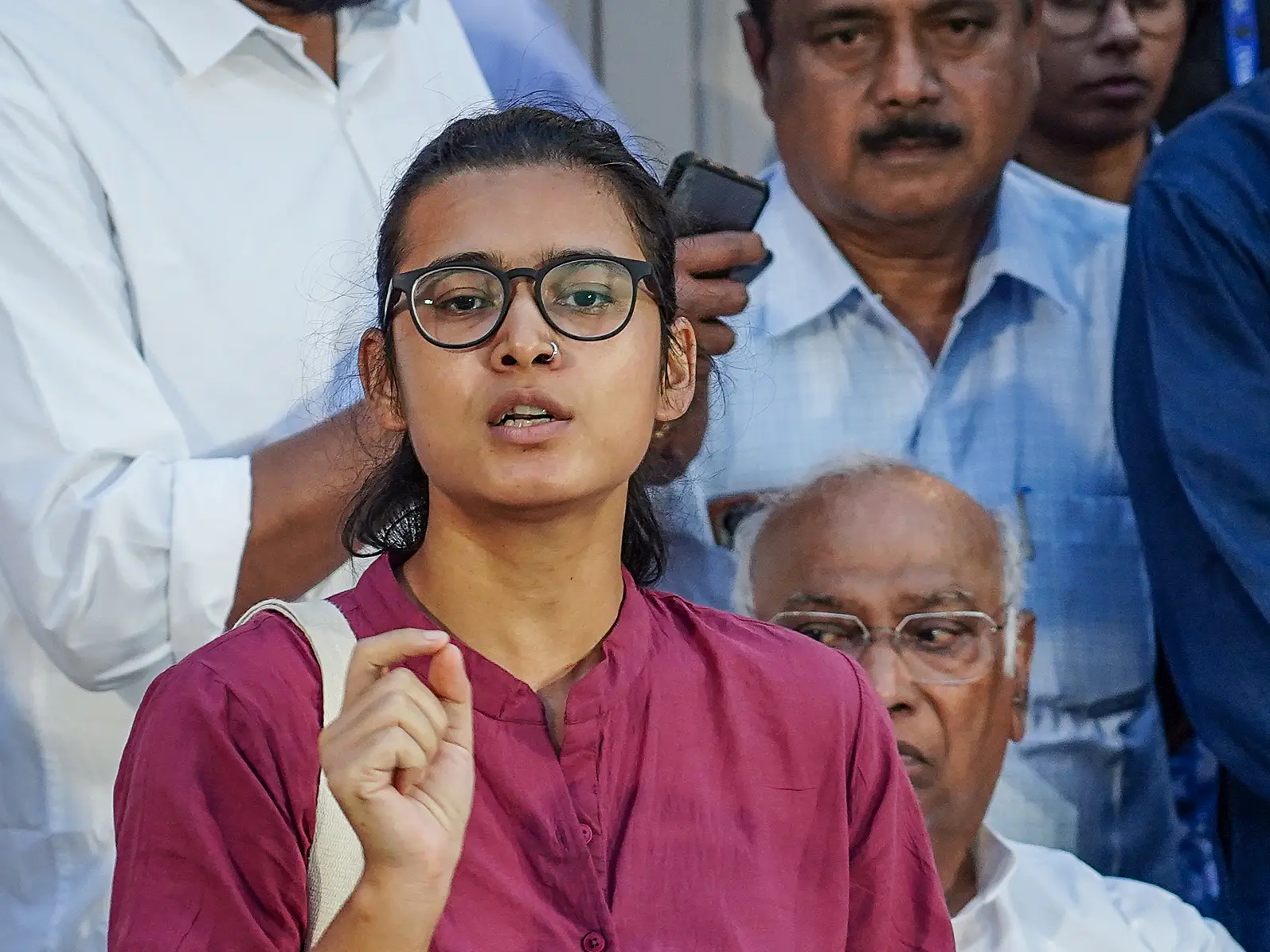
Delhi High Court rejects AISA chief Neha Bora’s plea against peace bond notice
&imwidth=180&imheight=135&format=webp&quality=medium)
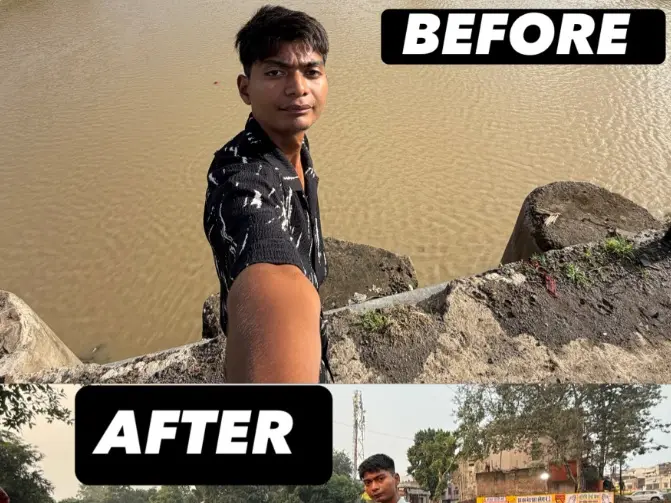
One man, 8 months of work, and a river dirty again: Why Bittu Tabahi may quit
&imwidth=180&imheight=135&format=webp&quality=medium)
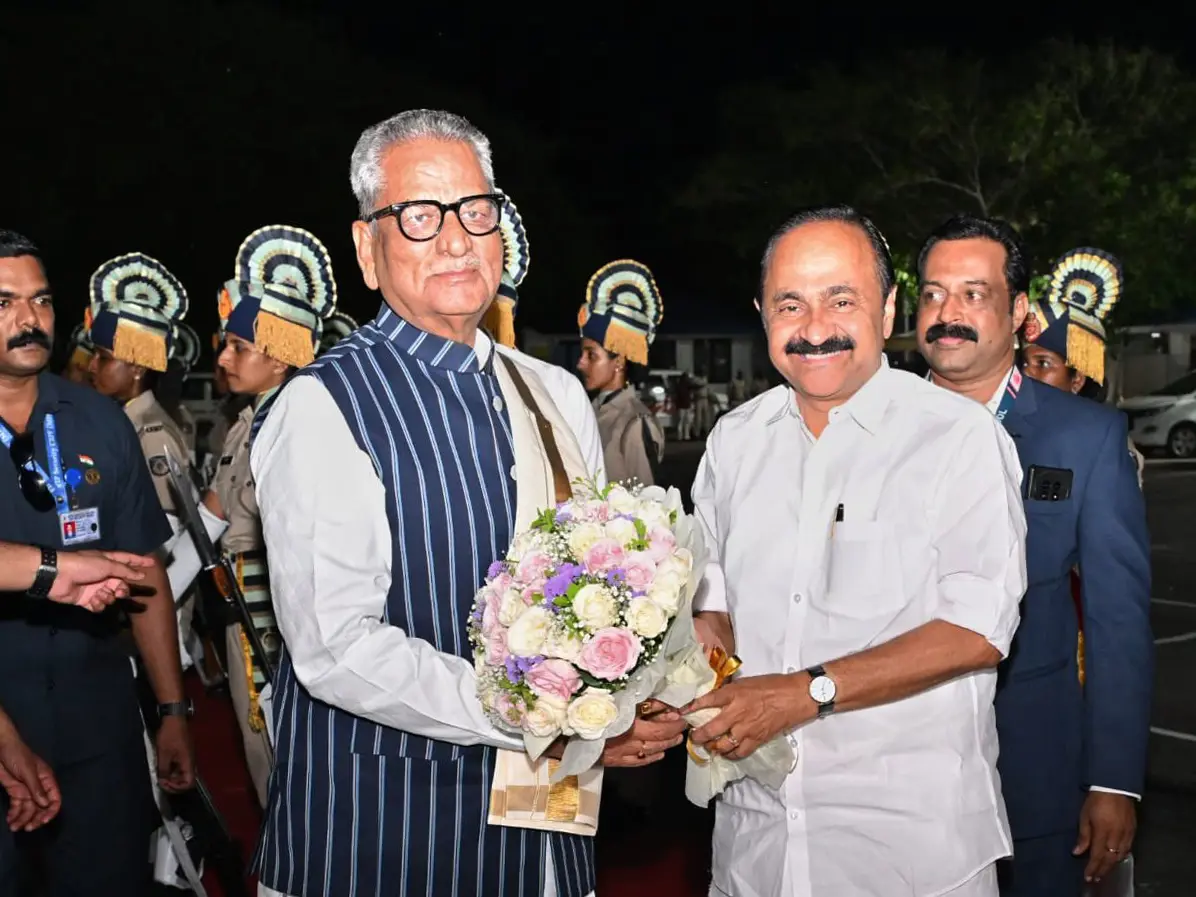
Om Prakash Mathur sworn in as 29th Governor of Keralam, sparks row over vegetarian-only kitchen at Lok Bhavan
&imwidth=180&imheight=135&format=webp&quality=medium)
Bigg Boss 20: Panchayat's Aasif Khan had a massive heart attack at 34, wife reveals why he lied and called it acid reflux
&imwidth=180&imheight=135&format=webp&quality=medium)
Jenna Ortega plans TV break after Wednesday: ‘I want to leave time for new things’
&imwidth=180&imheight=135&format=webp&quality=medium)
IND vs NZ: Kumar Kushagra named as cover for Ishan Kishan in India’s T20I squad
&imwidth=180&imheight=135&format=webp&quality=medium)
India’s 2022 CWG silver medallist Sabbhineni Meghana announces international retirement
&im=FitAndFill=(700,400)&imwidth=180&imheight=135&format=webp&quality=medium)
New Friday OTT releases (October 23, 2026): Gajab Raat, Dorothy, Chaar Yaar- Watch these 6 new movies and TV shows on Netflix, Prime Video and more
&imwidth=180&imheight=135&format=webp&quality=medium)
Will the US attack Iran this weekend? Trump's envoy says, 'absolutely'
&im=FitAndFill=(700,400)&imwidth=180&imheight=135&format=webp&quality=medium)
Why do army tanks have different types of armour?
&imwidth=180&imheight=135&format=webp&quality=medium)
'Completely insane, never happened': Trump's son-in-law denies allegations of secret dealings with Saudi, UAE
&imwidth=180&imheight=135&format=webp&quality=medium)
Pakistan airline PIA unveils new crew uniforms, faces online criticism
&im=FitAndFill=(700,400)&imwidth=180&imheight=135&format=webp&quality=medium)
What is the real meaning behind Pete Hegseth's tattoos?
&imwidth=180&imheight=135&format=webp&quality=medium)
IND-W vs ZIM-W, 1st ODI: Rawal, Charani star in India’s nine-wicket win over Zimbabwe
Either sell or give the shots for free. If you are 45 plus, you can still get vaccinated free of cost but only at government facilities. If you are in the 18 to 45 category, you will have to visit a private hospital. They will charge you more than Rs 600, which depends on where the government caps the price. And these are the prices for Covishield. Bharat Biotech and Sputnik are yet to announce their rates. Chances are they will be somewhere between Rs 700 and Rs 1,000 per dose. Somewhere in the 10 US dollar range.
India is also expanding capacity as the government has granted 610 million dollars to the two vaccine makers, Serum Institute and Bharat Biotech. Bharat Biotech is expanding output to 700 million doses per year, which means around 60 million shots of Covaxin per month.
Covaxin's biggest market is still India, but it is being studied around the world including in the US and Europe.
Serum Institute is producing 70 million doses of Covishield per week and with additional funds, they are hoping to produce 100 million doses by the end of May. And if everything goes to plan, Sputnik shipments should also start arriving by then.
Two doses of a vaccine, that's the accepted norm, but if you have recovered from the coronavirus, you may need only one shot.
According to a new study, recovered patients could do with a single shot to build immunity as the body remembers the virus and one shot may be enough to jolt that memory.
In February, Israel recommended a single shot for recovered patients and so far, their rollout has been flawless.
The hysteria about the vaccine side effects is cooling down as people have started realising that side effects are rare, but natural.
Johnson and Johnson jab has got a clean chit from the European Union. They have listed blood clots as a rare side effect. So, the benefits continue to outweigh the risks.
Most European countries have resumed use of AstraZeneca’s vaccine. Mexico's president took the jab on live television. Confidence in AstraZeneca is slowly building up, but in the United States, women are reporting an unusual side effect. They are complaining of heavier and off-cycle periods after getting the jab. Vaccines are known to disrupt menstrual cycles. So, your body will course-correct itself in time.
States are accusing each other of looting oxygen cylinders. In the national capital, three hospitals were down to just a few hours of oxygen and in the middle of this shortage, some states are hoarding. So, the central government has stepped in. It is planning to restructure oxygen allocation to states.
India has enough capacity for this crisis but there are too many bottlenecks. Like there may be oxygen, but not enough cryogenic tankers to transport it, and there is a limit to what these new oxygen trains can do.
Mistakes like in Nashik, where oxygen started leaking while oxygen tankers were filling up the local hospital's stock, should not happen as 22 patients died because they couldn't get oxygen.