
&imwidth=800&imheight=600&format=webp&quality=medium "Tech transfer MoU inked for HAL to build ISRO's SSLV rocket")
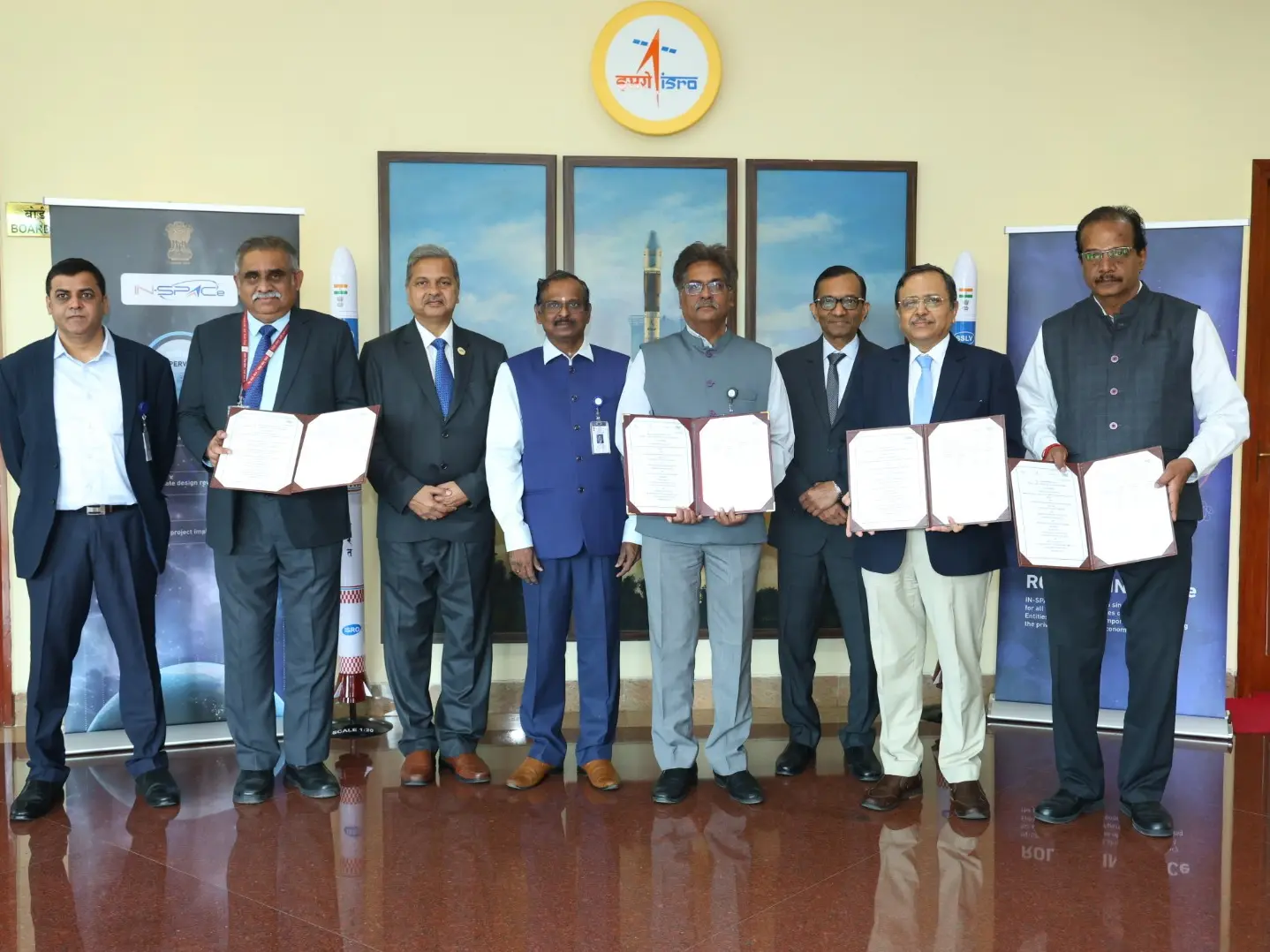
Indian government-run space entities (ISRO, NSIL, IN-SPACE) have inked a Memorandum of Understanding (MoU) with Hindustan Aeronautics Limited (HAL) for the technology transfer of the ISRO-developed Small Satellite Launch Vehicle (SSLV) rocket. The end goal of this agreement is that the Indian government's aerospace firm Hindustan Aeronautics Limited (HAL) would be completely building, marketing, and launching the SSLV rocket.
TheSSLVis the Indian government's latest and smallest space faring rocket. ISRO says theSSLVcan carry satellites weighing up to 500kg to orbits 500 km above the Earth's surface.
Eventually, the SSLVrocket is going to be HAL's property; they can launch it to ferry customers' satellites and demand a price for providing the launch services. Typically, all Indian space-faring rockets are developed by and belong to the Indian Space Research Organisation. ISRO sources rocket components from Indian and foreign vendors, assembles the rocket, and launches it. Henceforth, HAL would carry out the same process for theSSLV.

Elaborating on this agreement, Dr V. Narayanan, Secretary, Department of Space and Chairman, ISRO, said, with India’s liberalisation of the space sector, opportunities are certainly growing, and at ISRO, we have a dynamic technology transfer mechanism to realise the shared goals. This agreement is part of that movement, where ISRO will guide the HAL team on the preparedness-to-flight tangent of SSLV. This would define the next phase of deep-tech collaboration in space in India.
According to IN-SPACE, the entire process of technology transfer is targeted to be completed within 24 months from the date of agreement signing. This signing follows the June 20th announcement of HAL as the highest bidder. During this period, ISRO will provide necessary training and technical support to HAL for acquiring the know-how of the SSLV, from commercials to technology integration, eventually leading to the accomplishment of the two launch missions under the technology transfer agreement. This is expected to enhance India’s national capacity to cater to the rapidly growing domestic and global satellite launch markets.
Highlighting the importance of the technology transfer, Dr Pawan Goenka, Chairman, IN-SPACE, remarked, “The SSLV Technology Transfer signals a vital leap towards strengthening the industrial ecosystem within India’s space sector. This reflects the Government of India’s vision to empower the space industry and establish India as a global hub for affordable and reliable launch services.” This also marks the 100thTechnology Transfer Agreement signed by IN-SPACe with industry.
Trending Stories
)
What’s in a name? Trump’s 'Lake America' move gets a tit-for-tat response from Canada
)
Trump gifts Xi a bald eagle sculpture at White House dinner: Here’s what it symbolises
)
‘Not just a local tragedy’: Nepal PM Shah warns UN of growing climate threat, says Nepal floods were 'a warning to the world'
)
CNN, Politico and MS NOW back in White House after judge blocks Trump’s media ban
)
Farhan, who went viral for AK47 celebration vs India in Asia Cup, hopes to lead Pakistan beyond Asian Games
)
US judge questions Trump’s decision to ban CNN, MS NOW and Politico from White House
)
'We would all be dead': Netanyahu defends decision to strike Iran's nuclear facilities in his UN speech
)
IIT Bombay CCTV footage emerges: Sahil Wakode seen looking at phone in examination hall
)
Welcome actor Mushtaq Khan dies at 56 after battling cancer
)
Trump's welcome to Xi demonstrates 'attraction' to dictators: Chuck Schumer
)
Nations League: Germany draw on Klopp debut; Portugal, Norway win
)
WION Iconic Tourism Summit 2026: Union Minister Shekhawat on 'experiential travel', peace diplomacy
)
Scientists detect first radio signals directly from faraway planet
)
A seven-day roadmap? Iran proposes plan to end war, reopen Strait of Hormuz and resume nuclear talks
)
China to test supersonic jet that moves at Mach 2, double the speed of sound
)
Xi Jinping's 'special plane' vs Trump's Air Force One: What's the difference?
)
UNGA 2026: Israeli PM attacks Britain, France for past colonialism
)
West Indies coach Sammy looking at India series as opportunity to finetune ahead of ODI World Cup 2027 qualifiers
)
‘We’ve never gotten along better’: Trump praises Xi, jokes about White House ballroom at high-stakes state dinner
)
Nearly half of young people trust AI over humans to check facts, major study finds
)
'Partners rather than rivals': Xi Jinping's first message after landing in US for Trump summit
)
Yemen called Trump for US military support in fight against Houthis: Official
)
2,000-foot tube, laser tests and more: China builds towns to expand nuclear arsenal, satellite images show
)
Meet Adrian Abraham: 9-year-old Indian-origin guitar prodigy aiming for a Guinness World Record
)
US faces fresh cost crunch as mortgage rates hit 7%, oil tops $107 and gas prices surge
)
Trump-Xi state dinner 2026: Who is invited? Full guest list of tech CEOs, business leaders and officials
)
'Blockbuster' nor'easter develops an eye similar to hurricanes as warnings are issued
)
Alarming video emerges as landslide damages houses in Sikkim’s Rimbi village. Watch
)
'Making history': Xi Jinping praises Trump as US-China leaders dine at White House
)
Australian PM Anthony Albanese calls OpenAI AI incident 'unacceptable' after restricted data access
)
'What kind of confession is this?': Pakistan PM Shehbaz Sharif’s 'terrorists would be roaming New York' remark goes viral, raises alarm online. Watch
&im=FitAndFill=(700,400))
Netanyahu at UN: Mass walkout, attack on Mamdani and Iran threats | In Pics
)
'We do not wish to continue. It's America that must choose': Iran president Pezeshkian calls on US to end war
)
WION Iconic Tourism Summit: How local tourism MSMEs must upskill for AI integration
)
Bollywood mourns Mushtaq Khan: Sunny Deol, Rajpal Yadav and others pay tribute
)
EC appointment law: Why is the 2023 act controversial, and what happens next? WION explains
)
Who is Lt-Gen Nauman Mahmood, Pakistan's first secretary general of Makkah Defence Alliance?
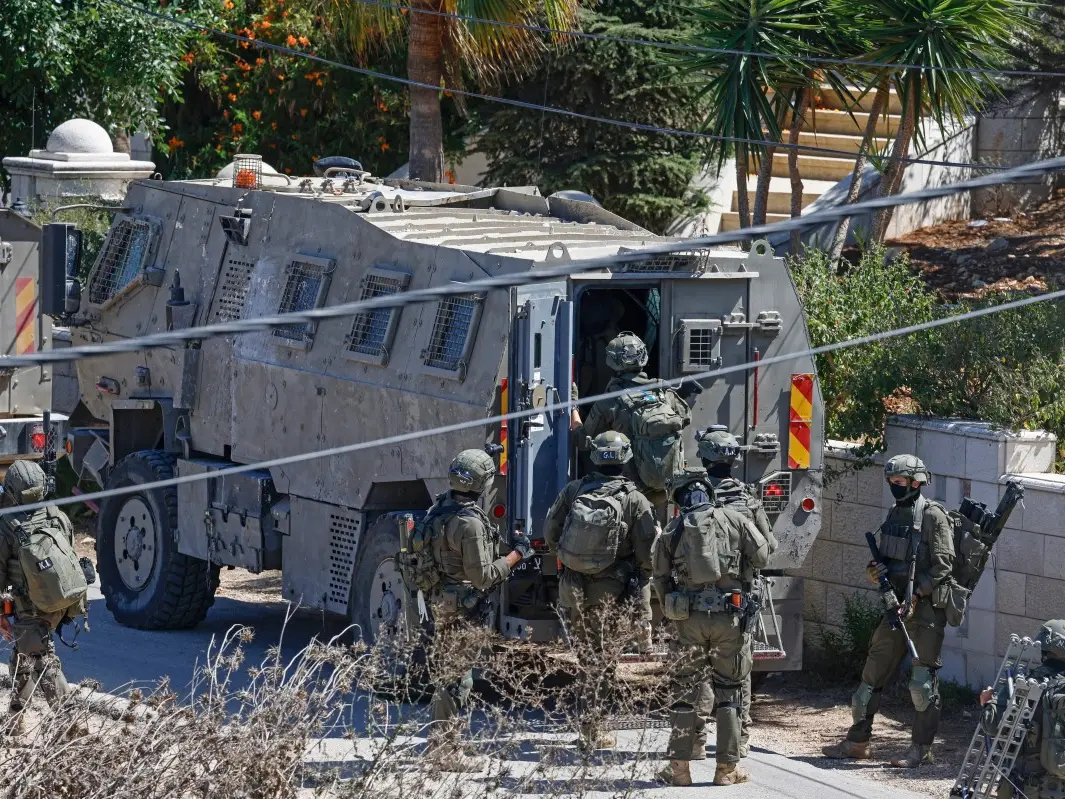)
Israeli envoy to US Yechiel Leiter’s son critically injured in West Bank ramming attack
)
'Fund people, not bombs': Hundreds take to New York streets as Netanyahu delivers speech at UN; dozens arrested
HAL was selected from a list of nine bidders, considering that theirs was the highest techno-commercial bid to secure the technology transfer of theSSLVrocket. Officials had said HAL's bid was for Rs 511cr (approx. $59mn), and this sum would be paid in a phased manner. HAL is also the firm that builds the Indian homegrown fighter jet Tejas and various other fixed-wing and rotary-wing aircraft of its own and under licensed production.
“HAL will apply its engineering and manufacturing strength to build SSLVs, train the required workforce and progress towards building a self-reliant ecosystem, so India can offer regular, cost-competitive small-satellite launches to domestic and global customers," said Dr D K Sunil, Chairman & MD, HAL.
