SC verdict on Babri Masjid-Ram Mandir today: A timeline of key events

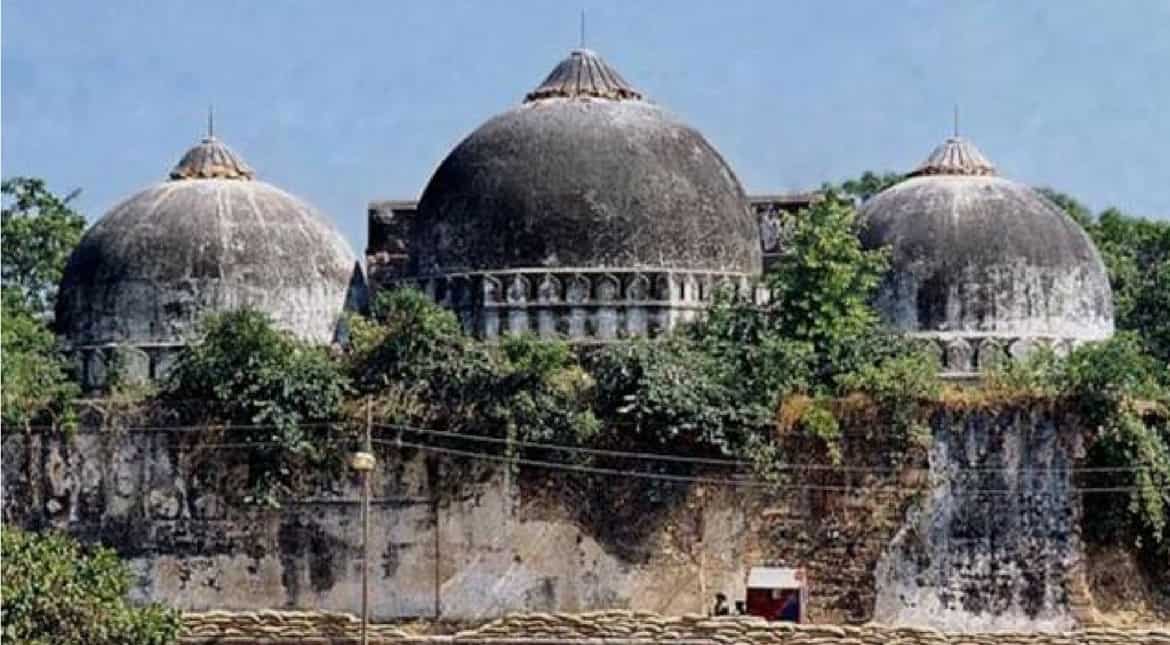
Babri Mosque
The Supreme Court is set to pronounce its landmark judgement today on the Ram Janmabhoomi-Babri Masjid dispute.
A bench of Chief Justice Dipak Misra and Justices Ashok Bhushan and S Abdul Nazeer will give its verdict on a batch of pleas by Muslim groups on title dispute seeking reconsideration of the 1994 verdict that statedthat a mosque was not integral to Islam.
The history of the dispute dates back to the 16th century, the mosque in question is believed to have been in existence since 1528 -- built in Ayodhya by the commander of Mughal emperor, Mir Baqi. On the other hand, the Archaeological Survey of India suggested the existence of a 10th-century temple at the site.

The case gained prominence again after mediation by Art of Living founder Ravi Shankar in 2017.
The Shia Waqf Board, last month, had proposed the formation of a Ram Mandir at the site in Ayodhya while the mosque can be formed in Lucknow.
Ahead of the Supreme Court's crucial verdict today, here's taking a quick look at the timeline of the events related to the dispute.
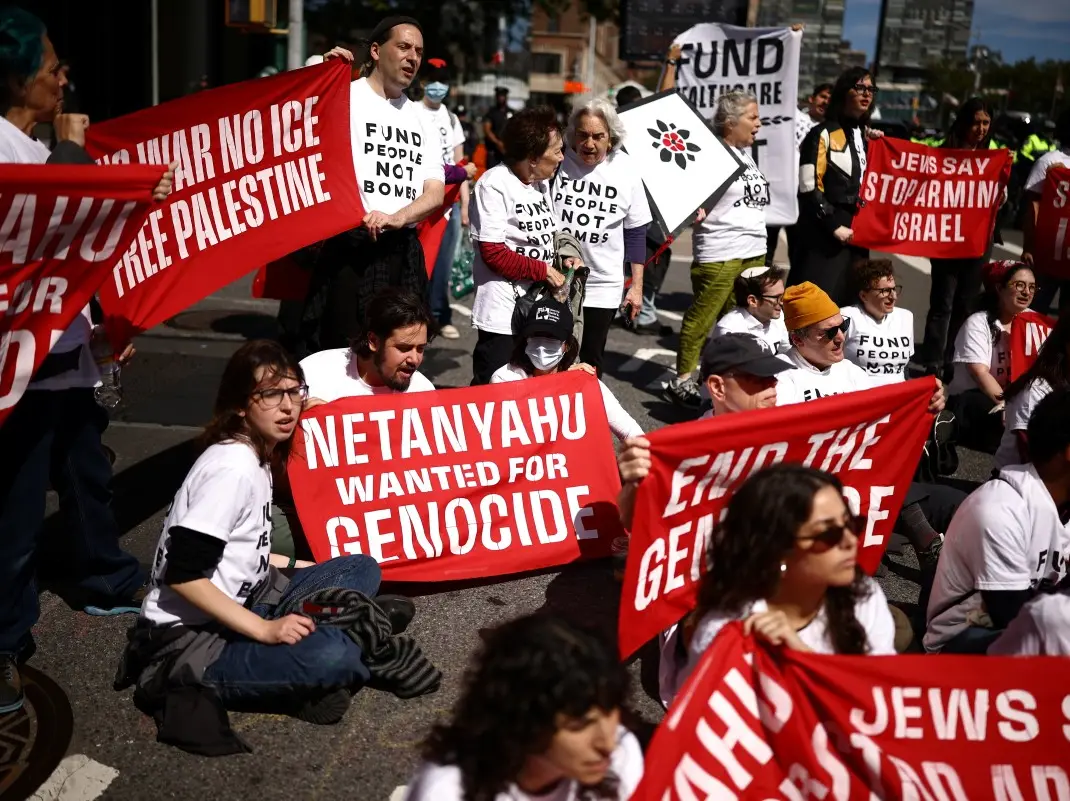)
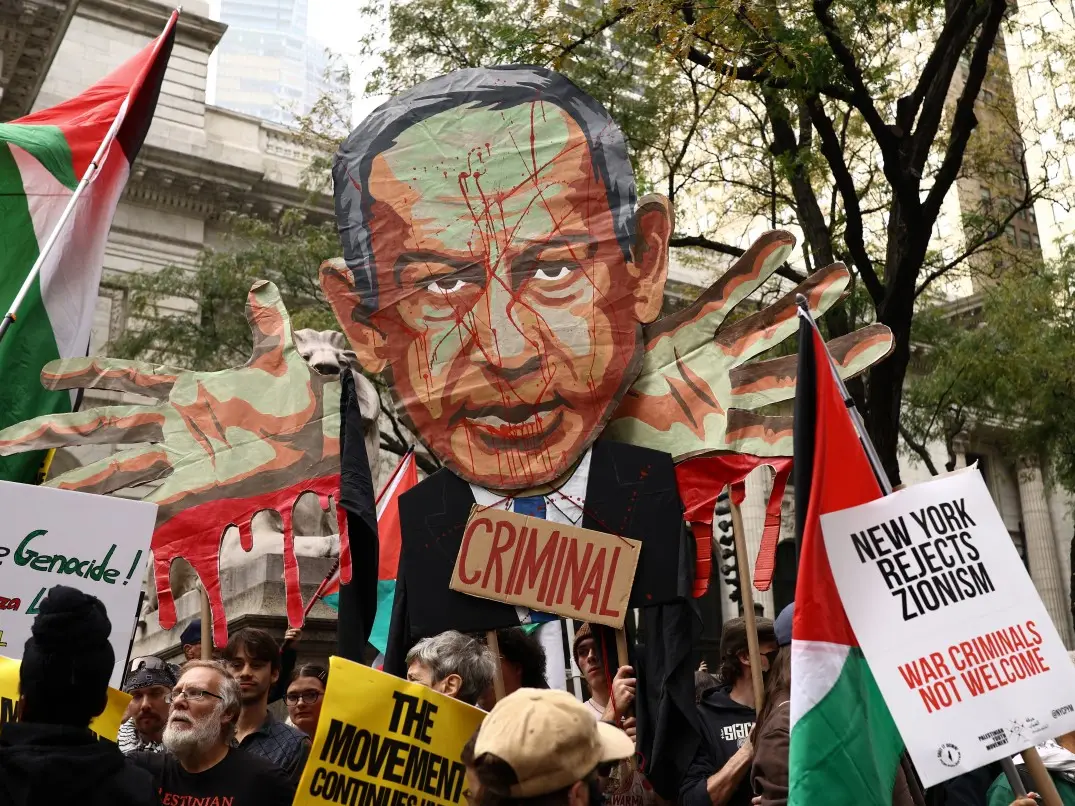
'Fund people, not bombs': Hundreds take to New York streets as Netanyahu delivers speech at UN; dozens arrested
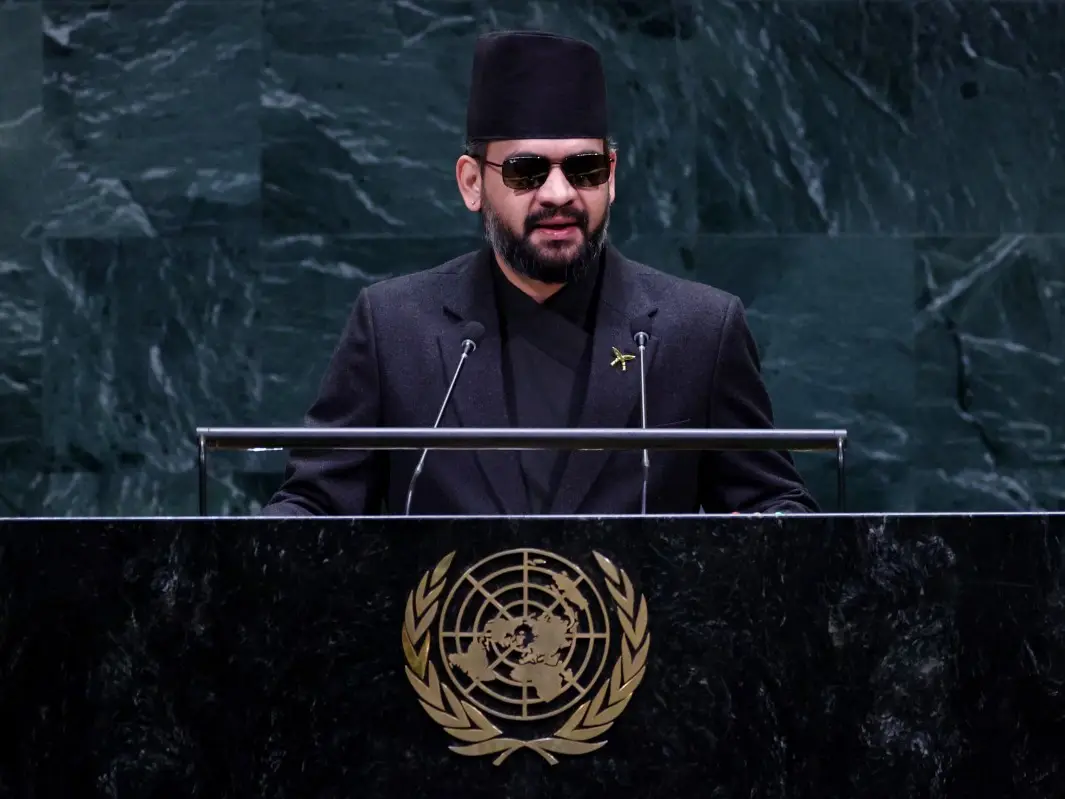)
‘Not just a local tragedy’: Nepal PM Shah warns UN of growing climate threat, says Nepal floods were 'a warning to the world'
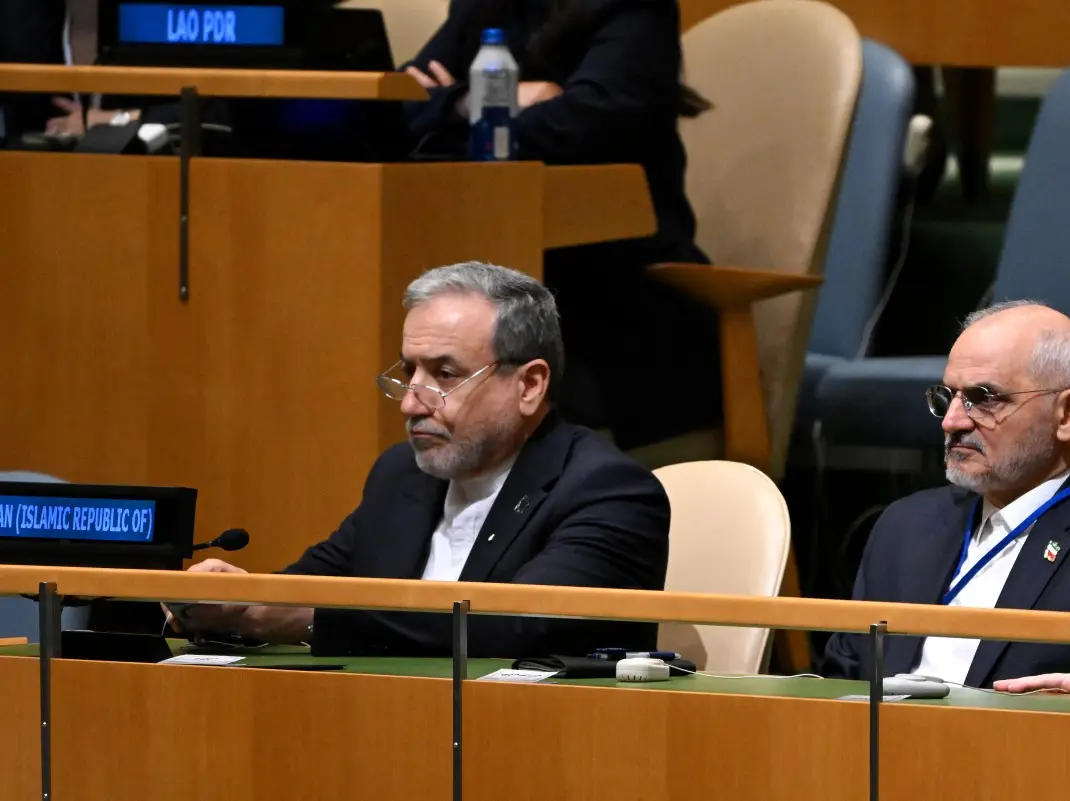)
A seven-day roadmap? Iran proposes plan to end war, reopen Strait of Hormuz and resume nuclear talks
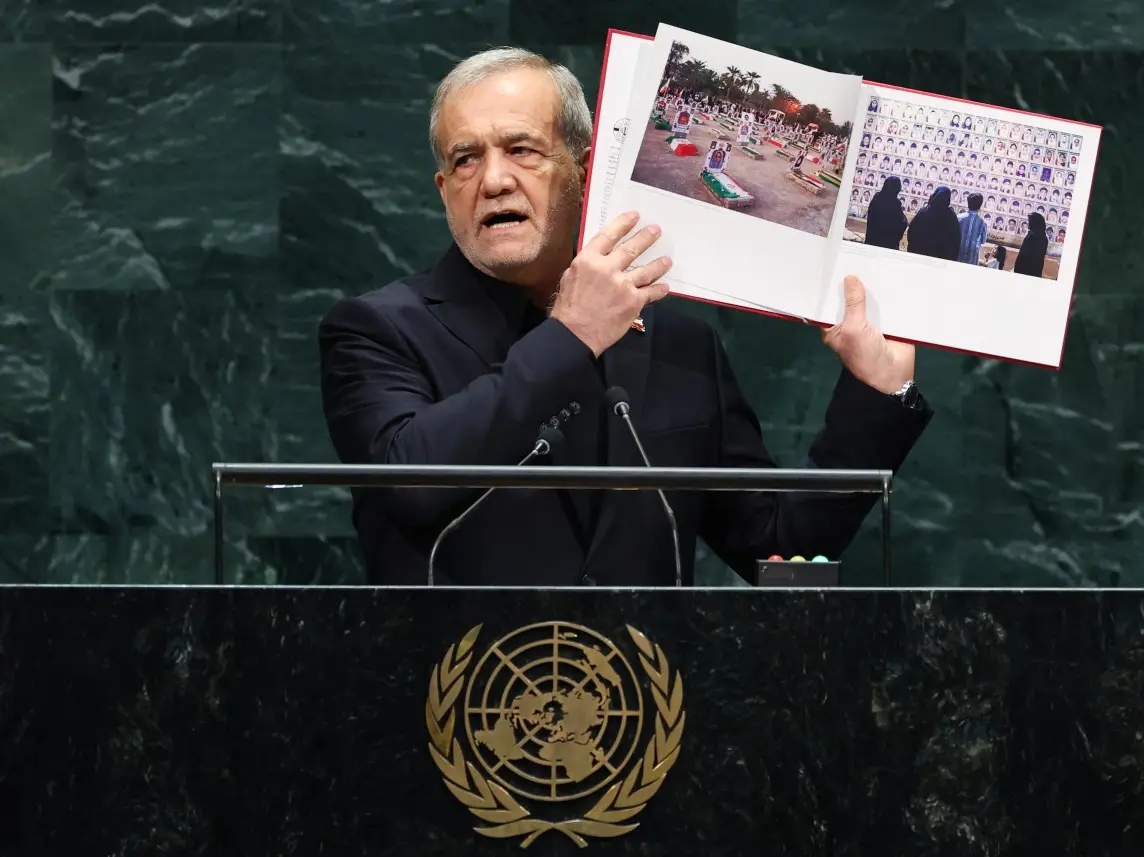)
'We do not wish to continue. It's America that must choose': Iran president Pezeshkian calls on US to end war
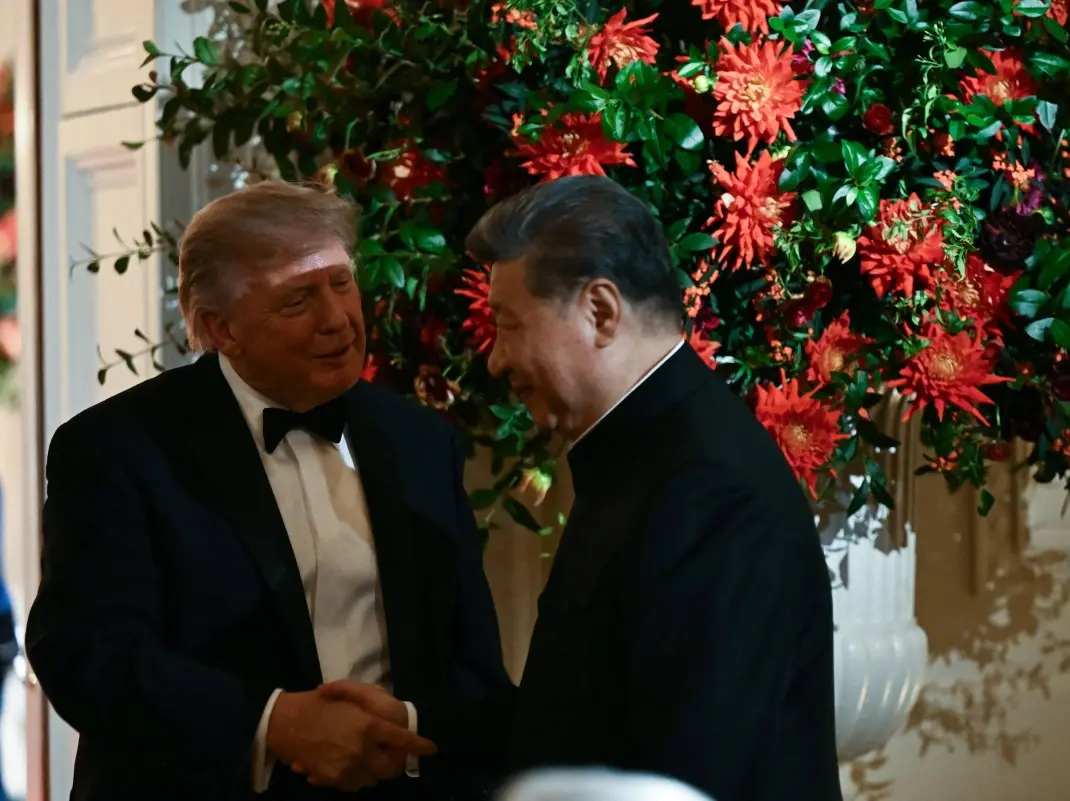)
'Making history': Xi Jinping praises Trump as US-China leaders dine at White House
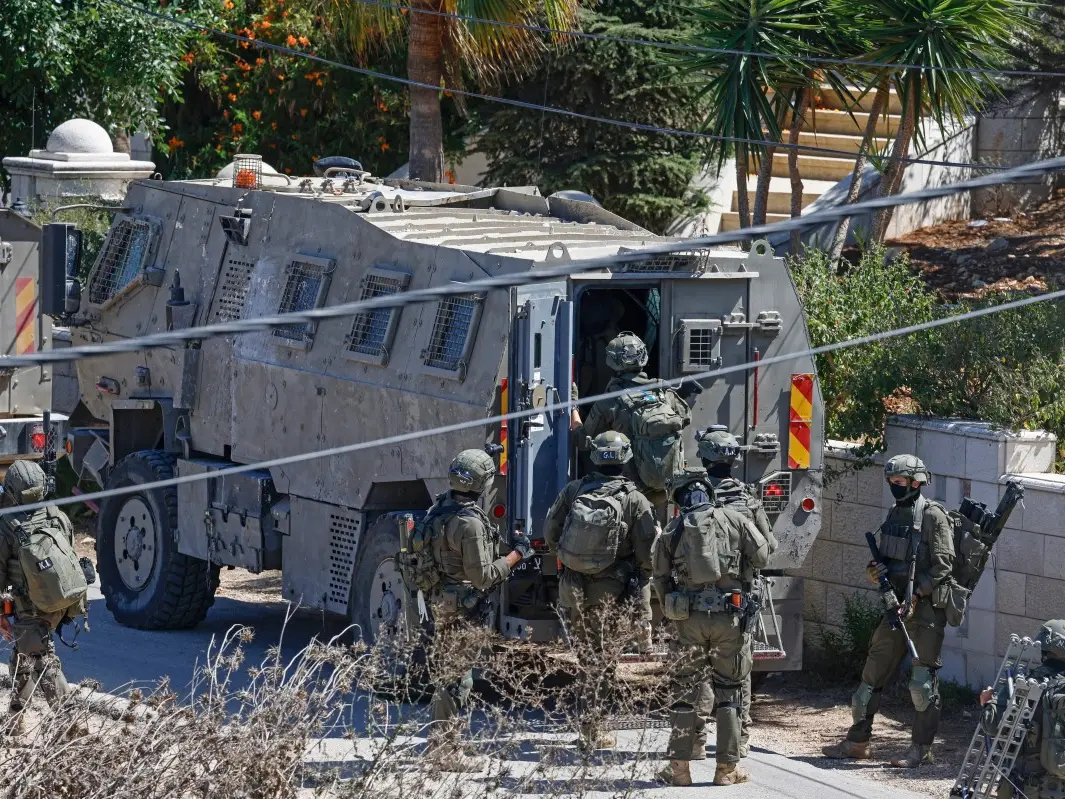)
Israeli envoy to US Yechiel Leiter’s son critically injured in West Bank ramming attack
)
Welcome actor Mushtaq Khan dies at 56 after battling cancer
)
Trump-Xi state dinner 2026: Who is invited? Full guest list of tech CEOs, business leaders and officials
)
'Blockbuster' nor'easter develops an eye similar to hurricanes as warnings are issued
)
West Indies coach Sammy looking at India series as opportunity to finetune ahead of ODI World Cup 2027 qualifiers
)
Alarming video emerges as landslide damages houses in Sikkim’s Rimbi village. Watch
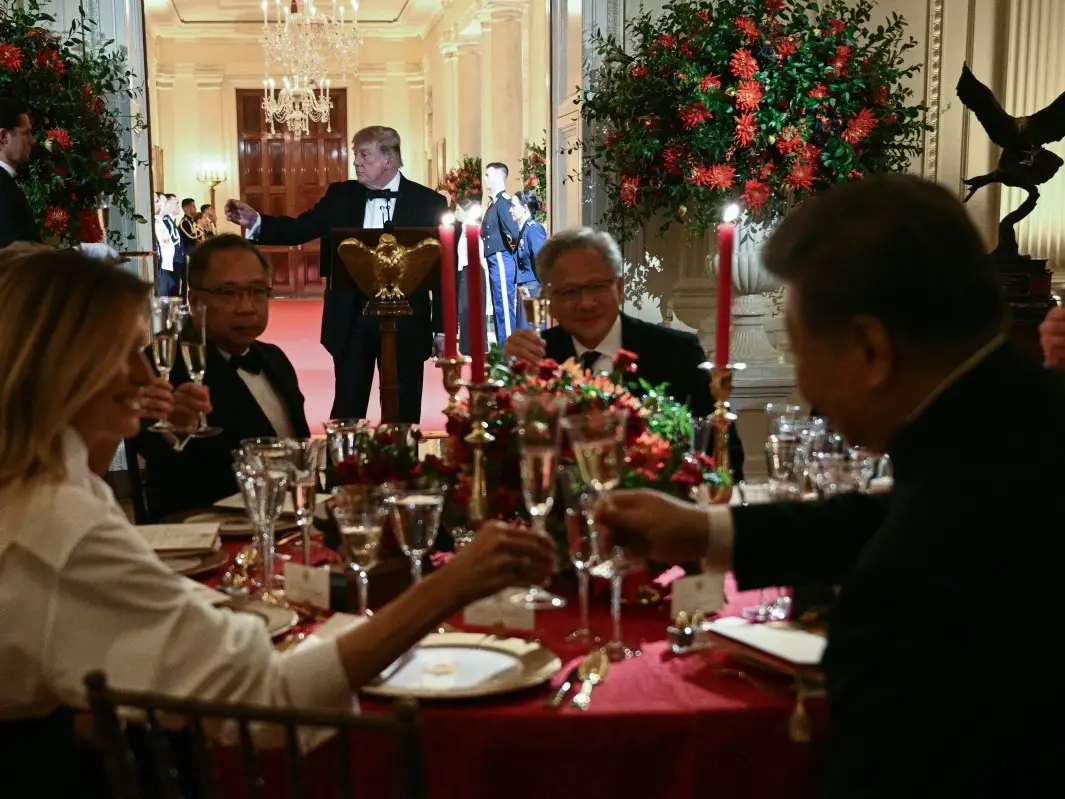)
‘We’ve never gotten along better’: Trump praises Xi, jokes about White House ballroom at high-stakes state dinner
)
UNGA 2026: Israeli PM attacks Britain, France for past colonialism
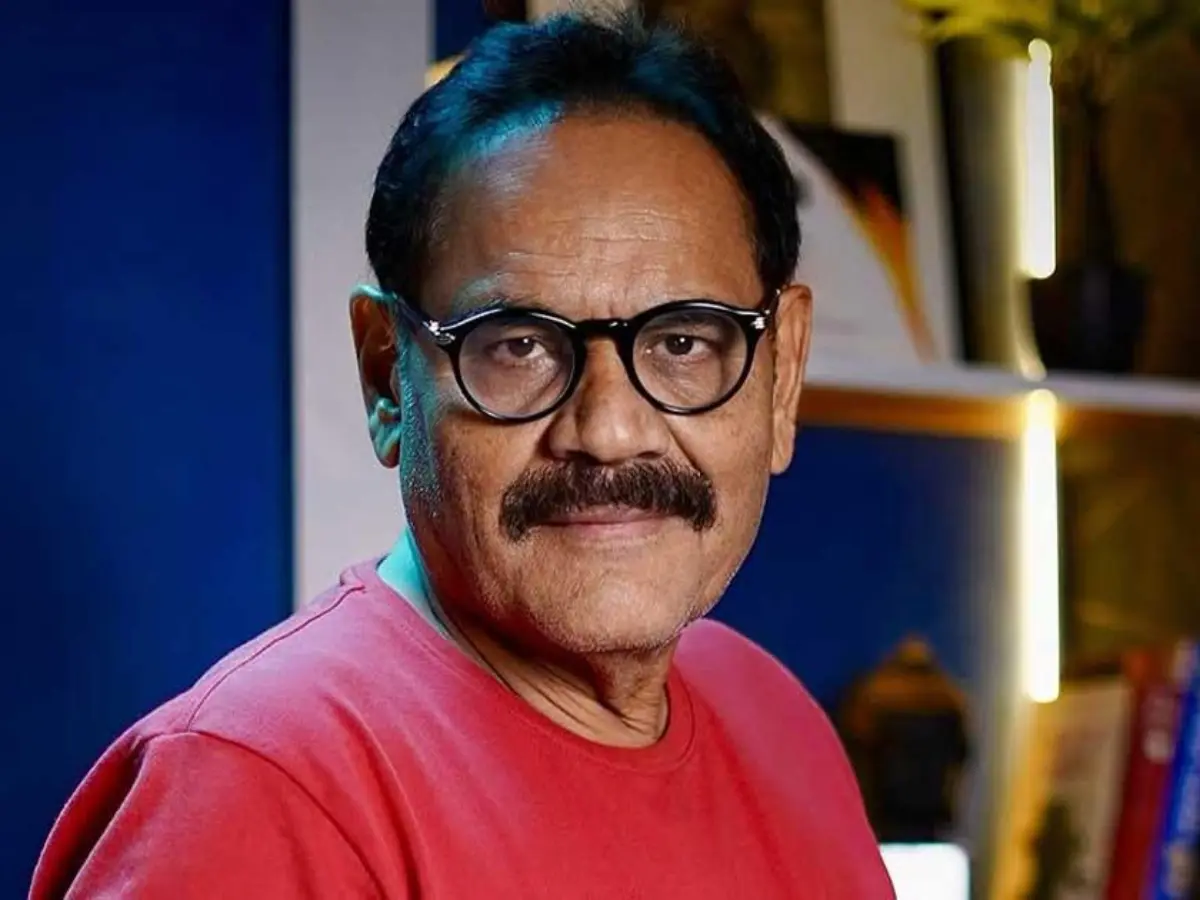)
Bollywood mourns Mushtaq Khan: Sunny Deol, Rajpal Yadav and others pay tribute
)
US faces fresh cost crunch as mortgage rates hit 7%, oil tops $107 and gas prices surge
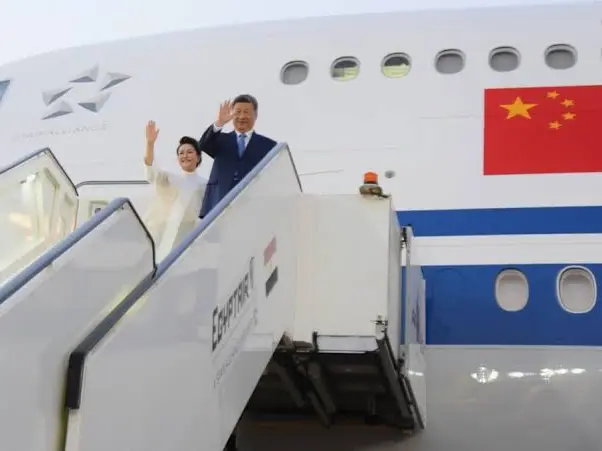)
Xi Jinping's 'special plane' vs Trump's Air Force One: What's the difference?
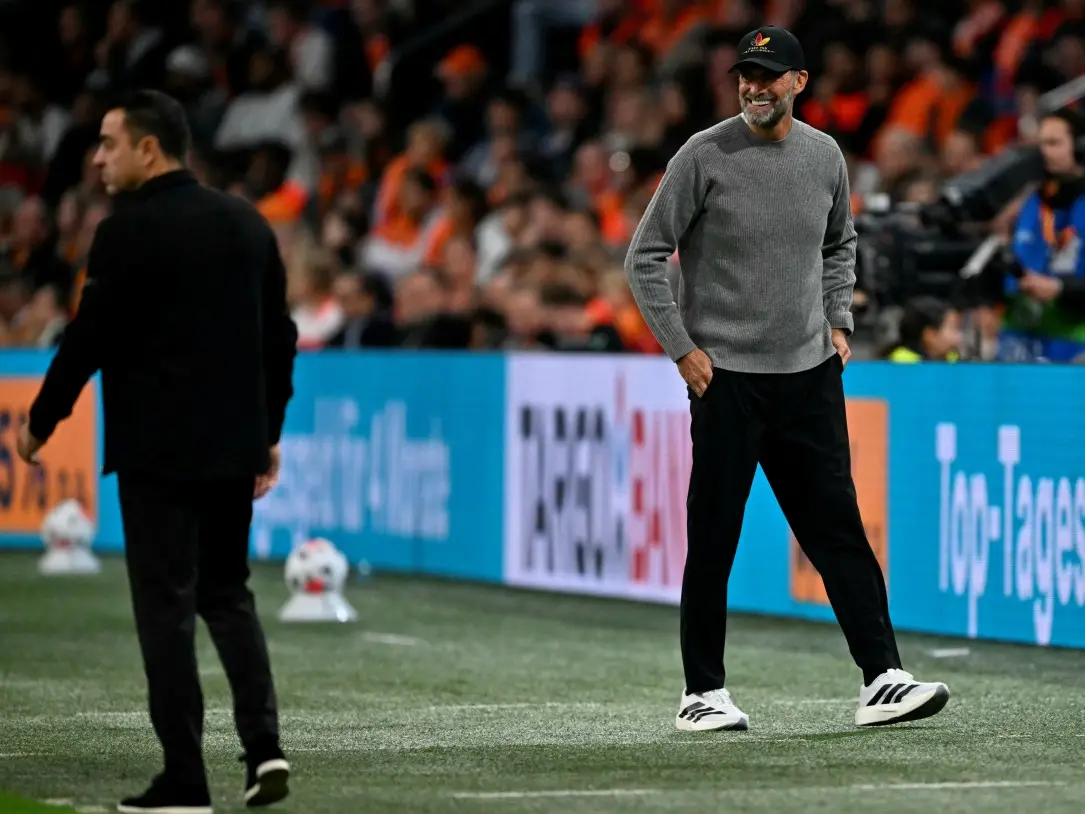)
Nations League: Germany draw on Klopp debut; Portugal, Norway win
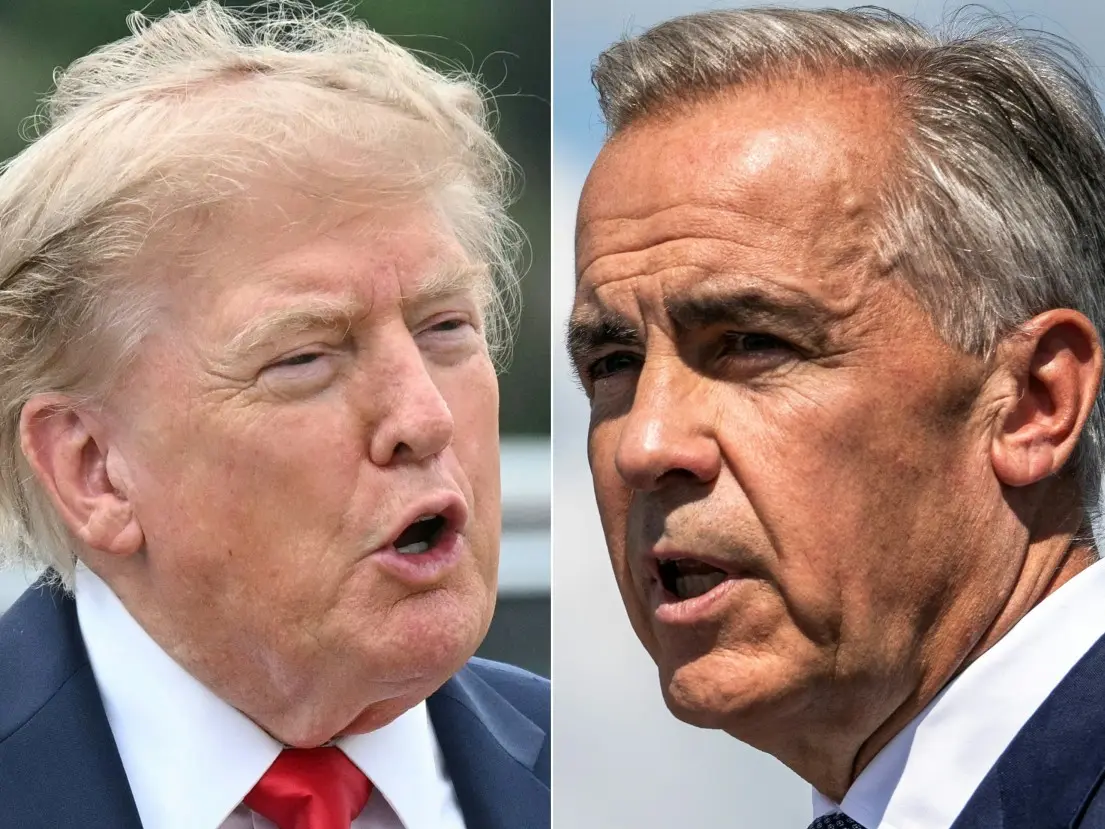)
What’s in a name? Trump’s 'Lake America' move gets a tit-for-tat response from Canada
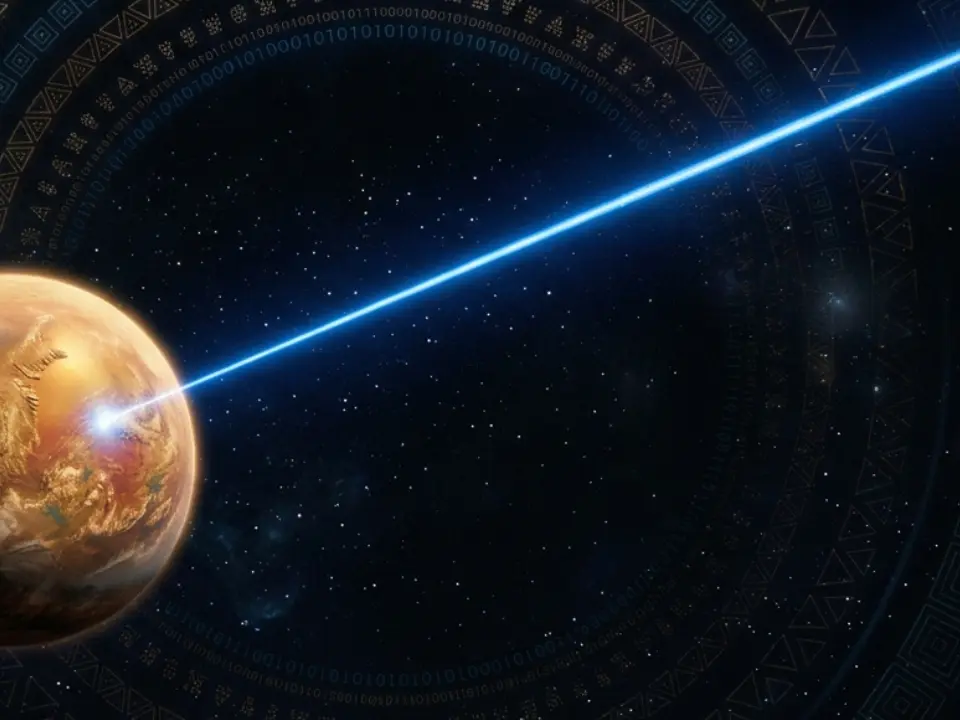)
Scientists detect first radio signals directly from faraway planet
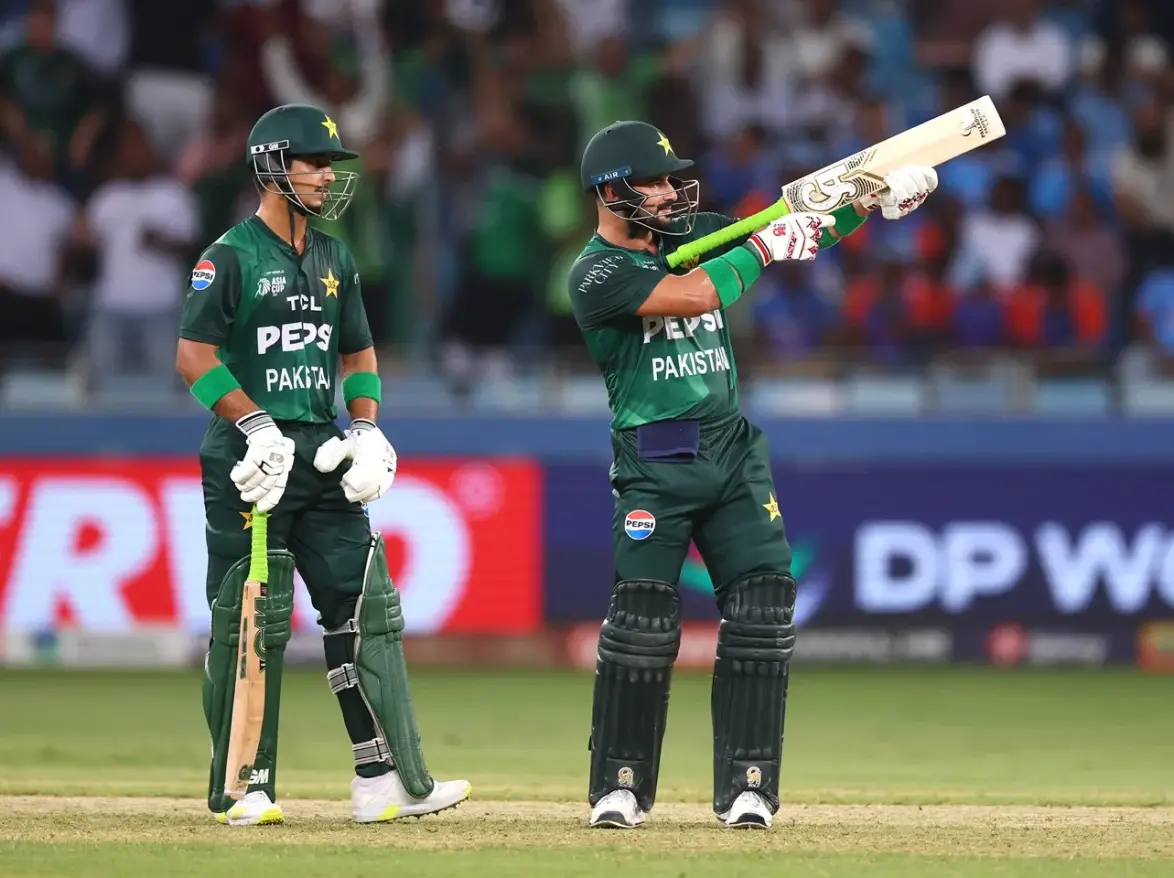)
Farhan, who went viral for AK47 celebration vs India in Asia Cup, hopes to lead Pakistan beyond Asian Games
)
China to test supersonic jet that moves at Mach 2, double the speed of sound
)
WION Iconic Tourism Summit: How local tourism MSMEs must upskill for AI integration
)
US judge questions Trump’s decision to ban CNN, MS NOW and Politico from White House
)
Meet Adrian Abraham: 9-year-old Indian-origin guitar prodigy aiming for a Guinness World Record
)
'What kind of confession is this?': Pakistan PM Shehbaz Sharif’s 'terrorists would be roaming New York' remark goes viral, raises alarm online. Watch
)
CNN, Politico and MS NOW back in White House after judge blocks Trump’s media ban
&im=FitAndFill=(700,400))
Netanyahu at UN: Mass walkout, attack on Mamdani and Iran threats | In Pics
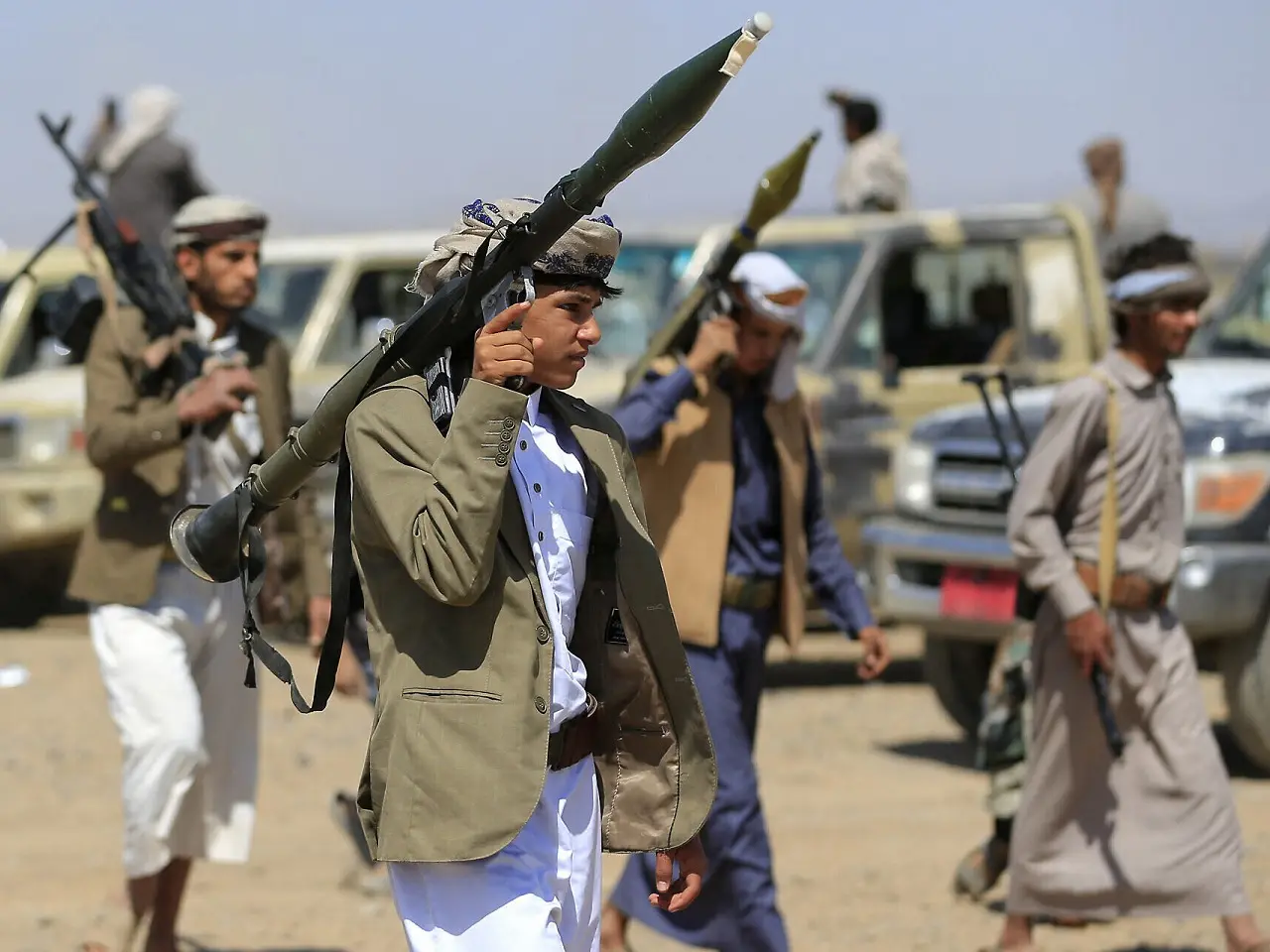)
Yemen called Trump for US military support in fight against Houthis: Official
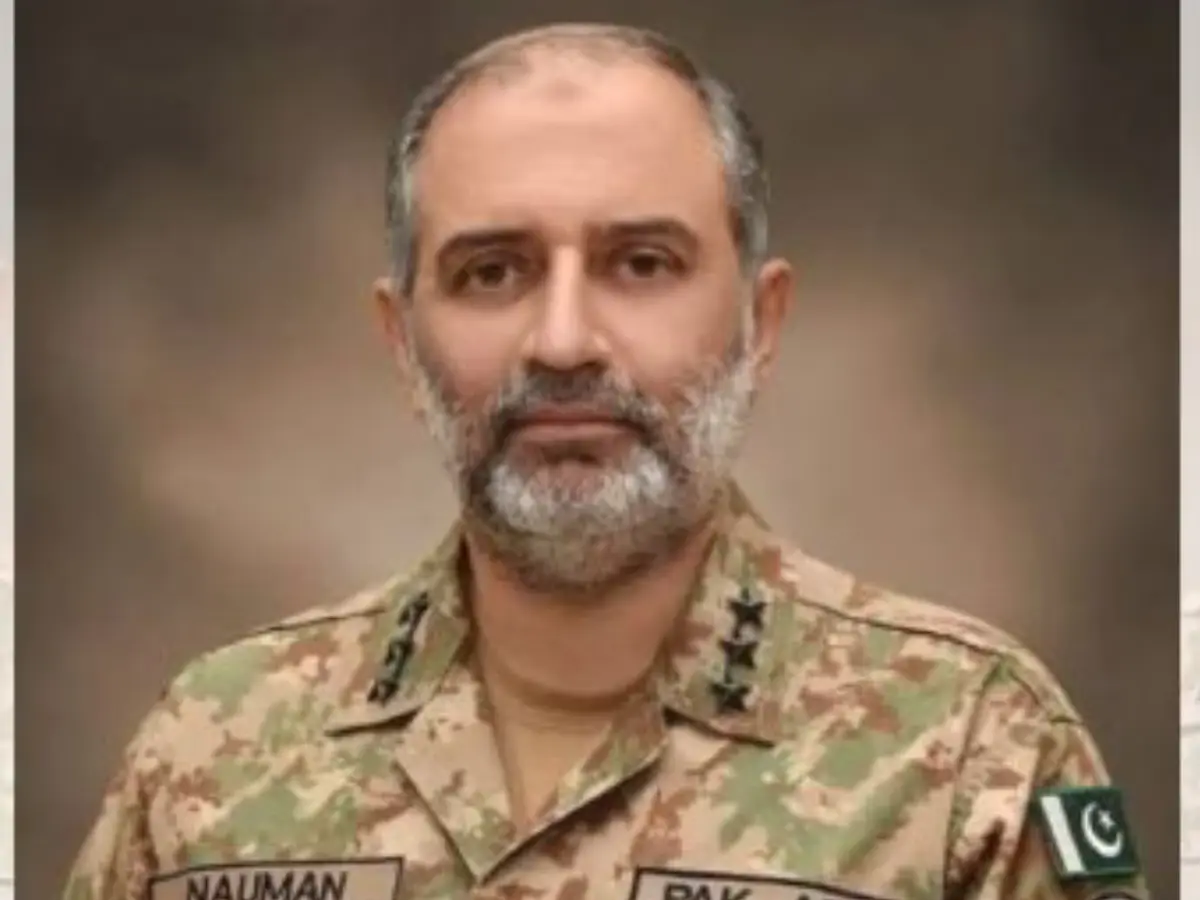)
Who is Lt-Gen Nauman Mahmood, Pakistan's first secretary general of Makkah Defence Alliance?
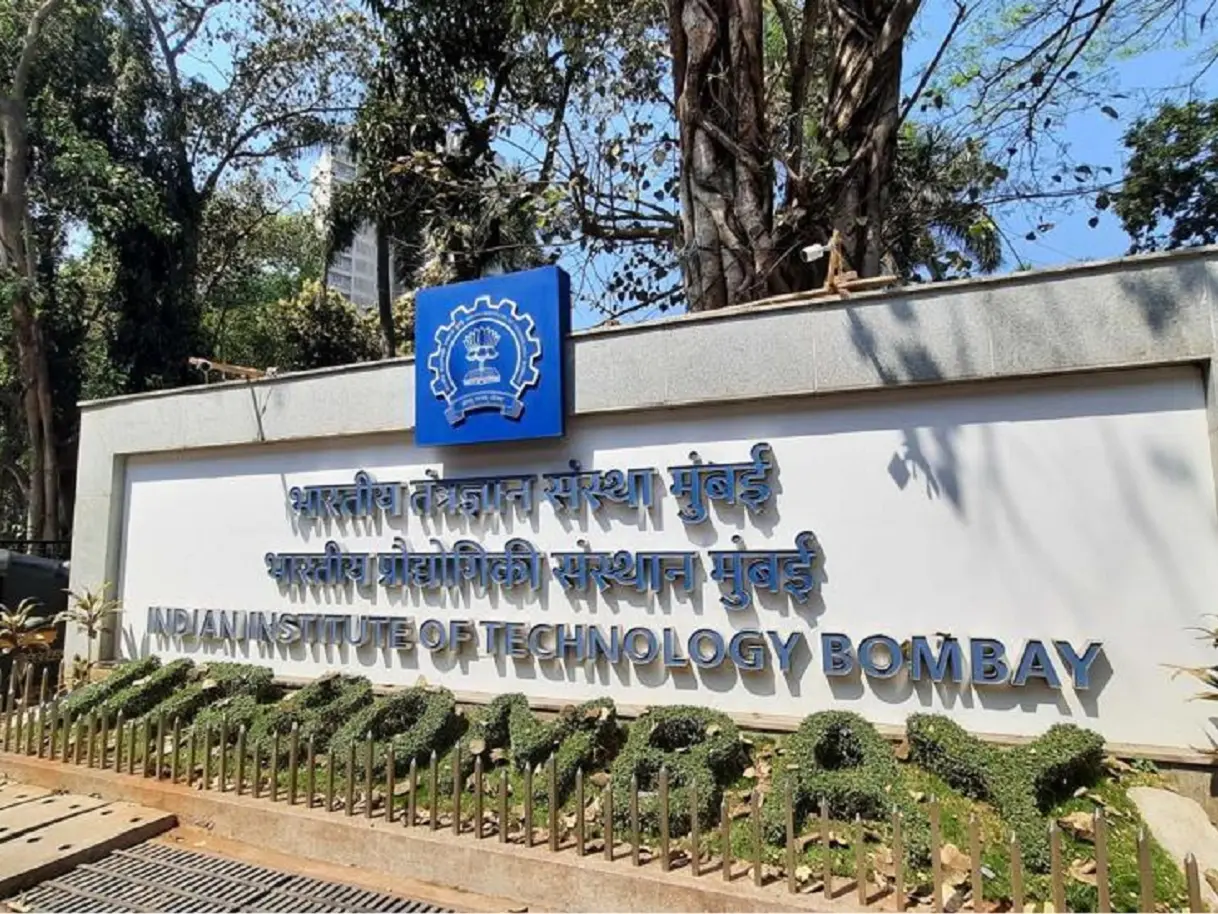)
IIT Bombay CCTV footage emerges: Sahil Wakode seen looking at phone in examination hall
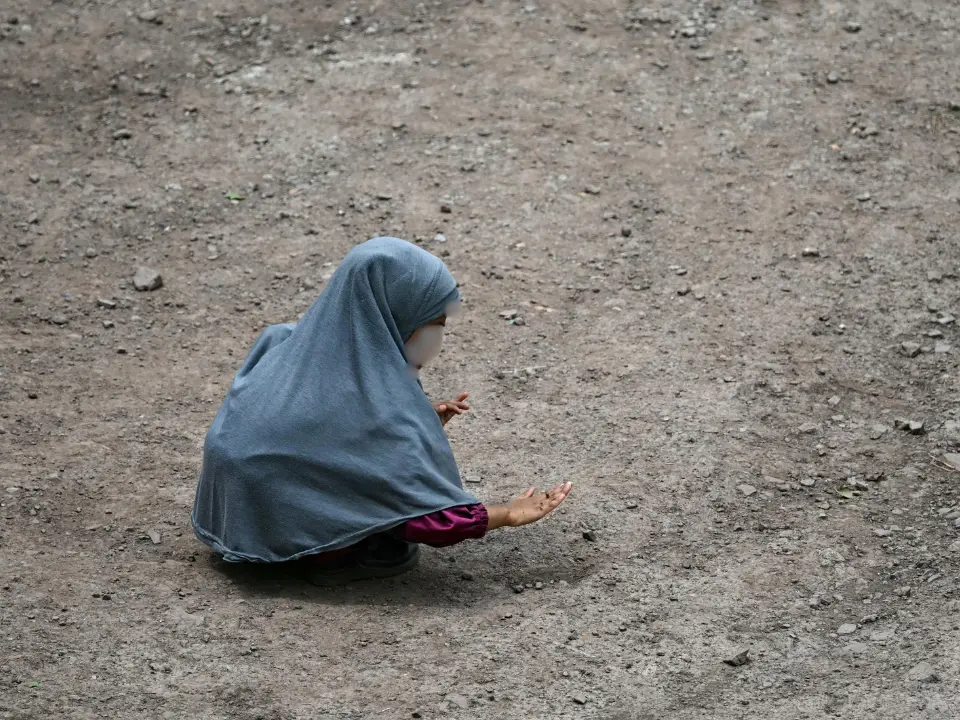)
Outrage erupts after 3-year-old is married to 60-year-old man in Pakistan, link to her sister's murder being probed
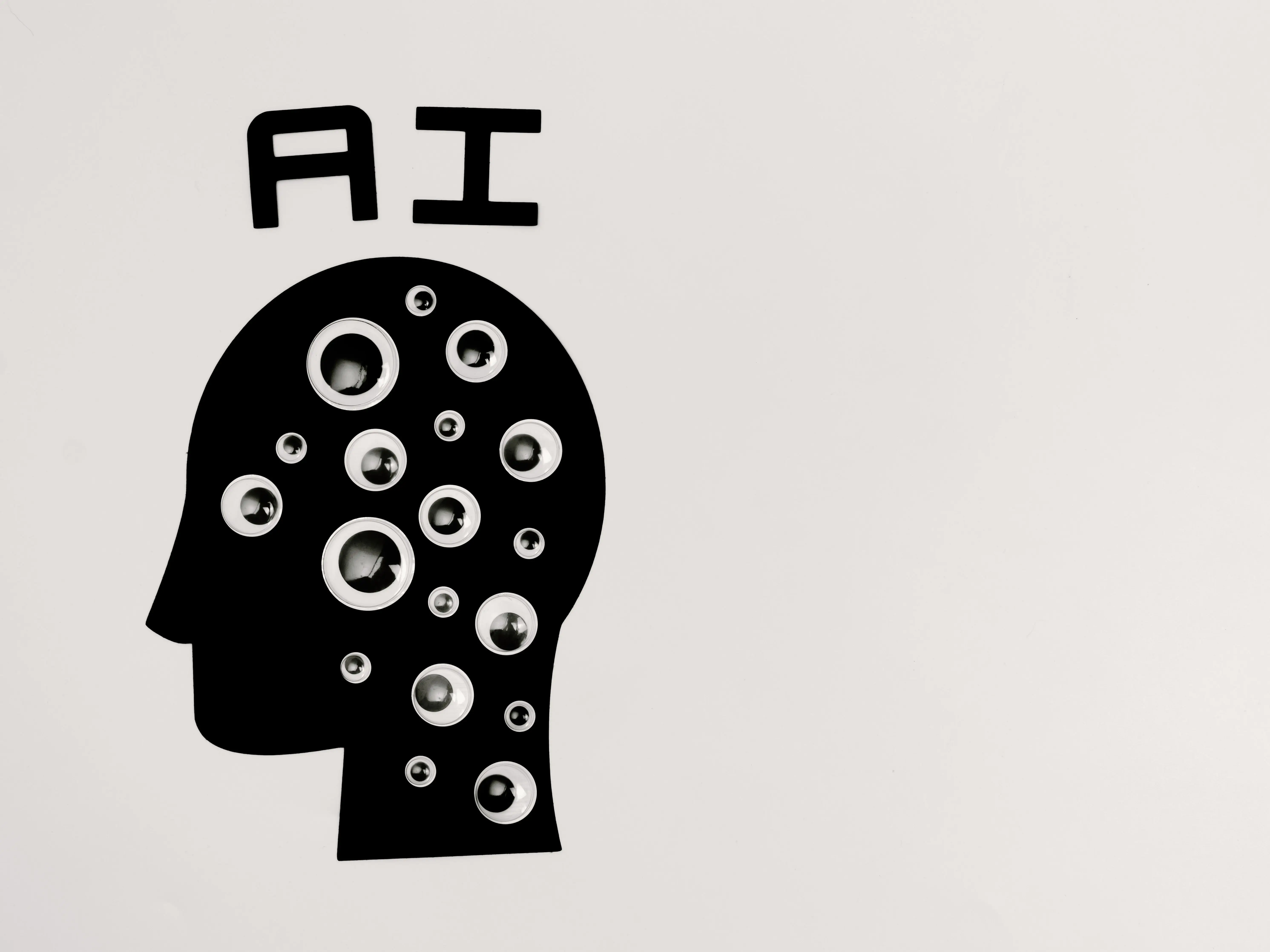)
Nearly half of young people trust AI over humans to check facts, major study finds
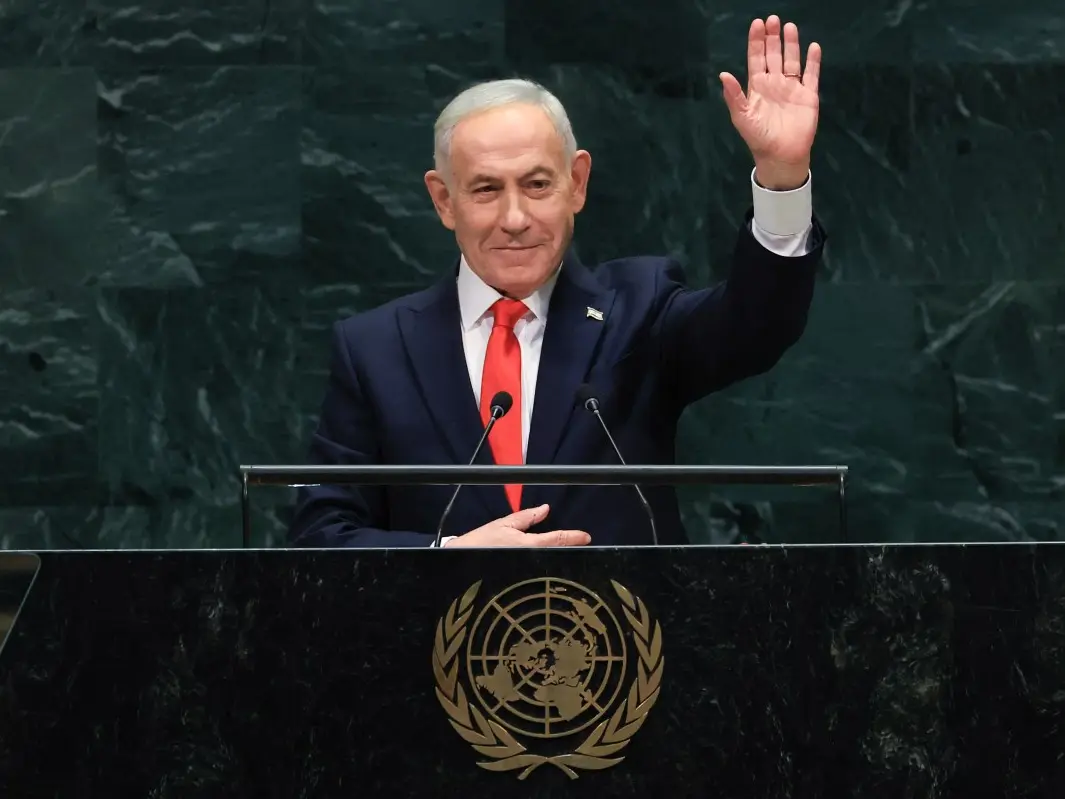)
'We would all be dead': Netanyahu defends decision to strike Iran's nuclear facilities in his UN speech
)
WION Iconic Tourism Summit 2026: Union Minister Shekhawat on 'experiential travel', peace diplomacy
)
2,000-foot tube, laser tests and more: China builds towns to expand nuclear arsenal, satellite images show
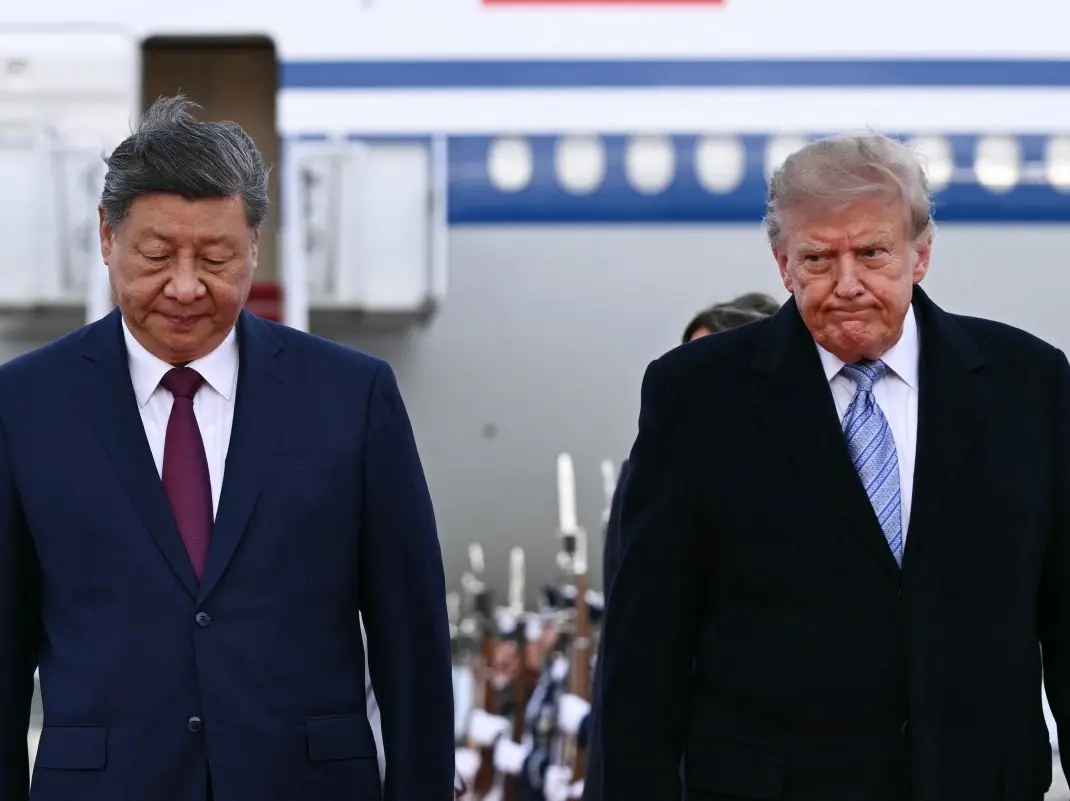)
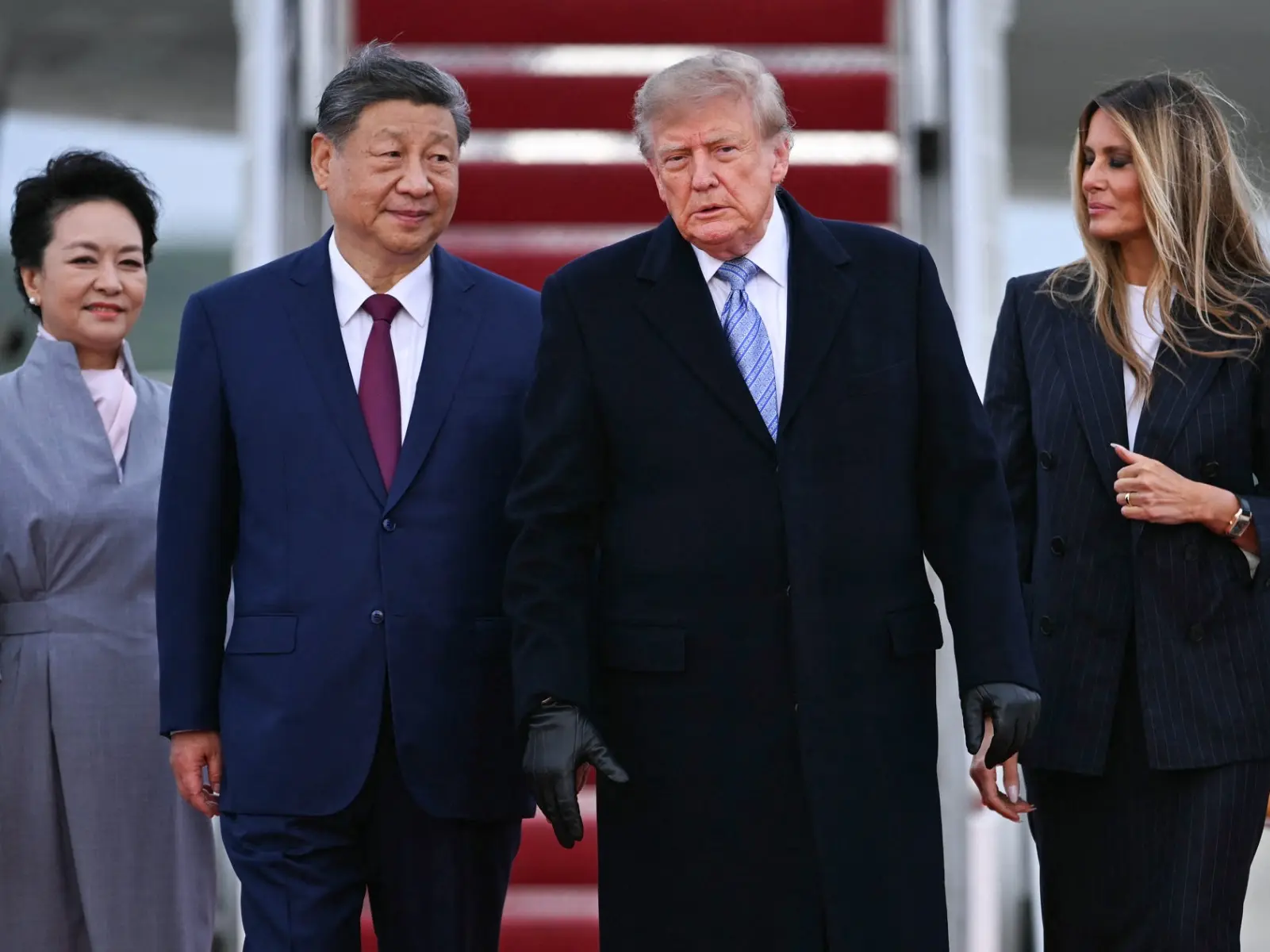
'Partners rather than rivals': Xi Jinping's first message after landing in US for Trump summit
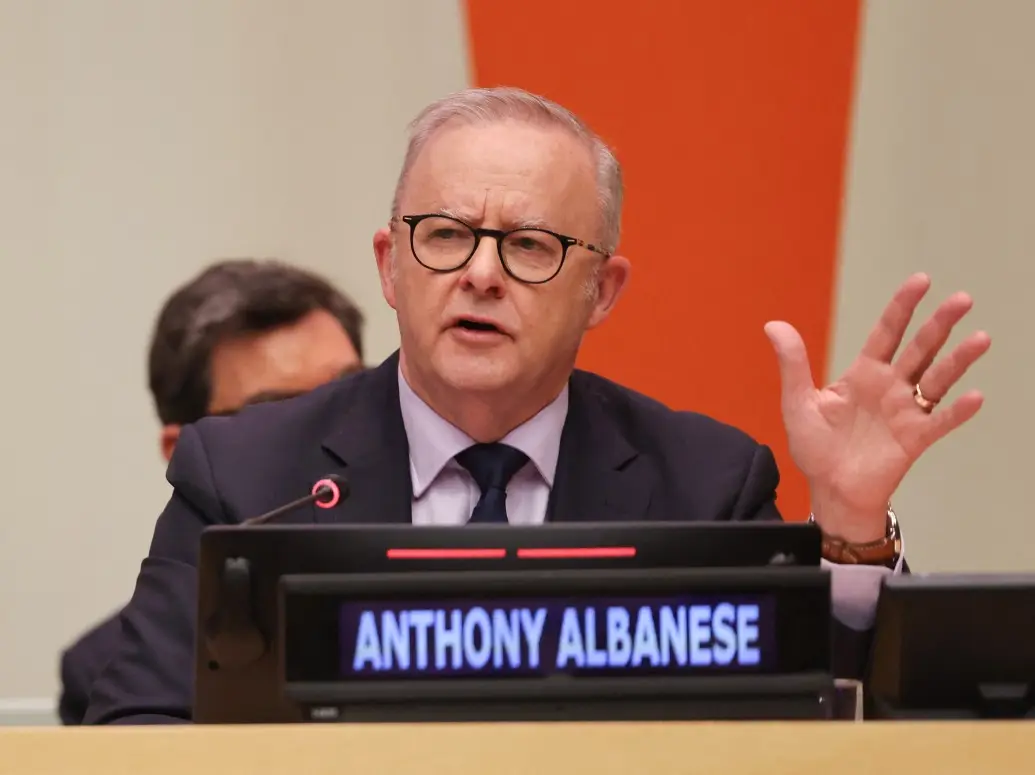)
Australian PM Anthony Albanese calls OpenAI AI incident 'unacceptable' after restricted data access
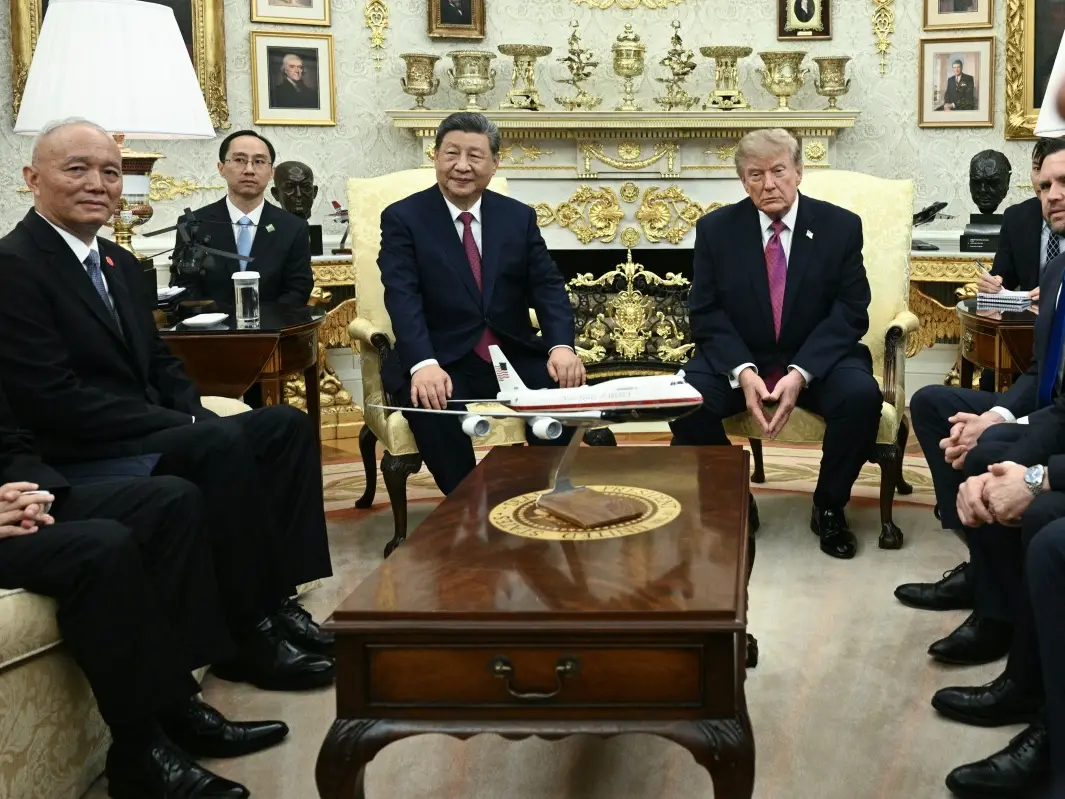)
Trump's welcome to Xi demonstrates 'attraction' to dictators: Chuck Schumer
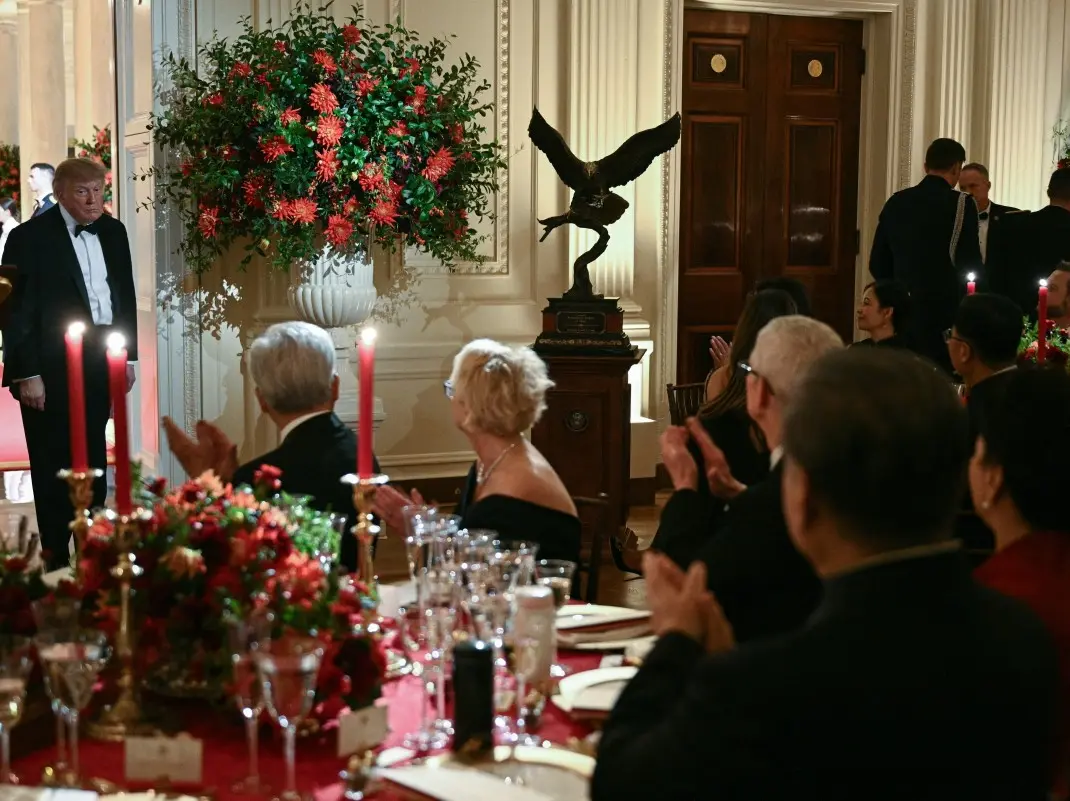)
Trump gifts Xi a bald eagle sculpture at White House dinner: Here’s what it symbolises
1800s: The first recorded clash over Ayodhya site took place in 1853. A fence was created by the Britishers for Hindus and Muslims to worship separately.
1949: The government declared the site a disputed area after a group of Hindus allegedly sneaked in Lord Ram idol in the mosque. Muslims stopped offering namaz. In the coming years, various Hindu organisations filed suits seeking exclusive rights to the site.
1961: Uttar Pradesh Sunni Central Board of Waqf sought a suit seeking the possession of Babri mosque site.
1980s: Vishwa Hindu Parishad (VHP) launched a campaign with an aim to re-open the site and build a grand Ram temple. The Bhartiya Janata Party also backed the movement later on.
1990: A Rath Yatra was launched by the then BJP President LK Advani for the cause of building a Ram Temple on the mosque site. The yatra stretched from Somnath in Gujarat to Ayodhya in Uttar Pradesh.
The Yatra triggered riots across the country, Advani was arrested in Samastipur in Bihar. The BJP withdrew its support to the government leading to early parliamentary elections.
1992: Violent protests and communal riots broke out when a large group of people congregated at the site with an aim to demolish the mosque. A makeshift Ram Mandir was built, Prime Minister PV Narasimha Rao vowed to rebuild the mosque.
2002: An Ayodhya Cell was set up by Prime Minister Atal Bihari Vajpayee to resolve the dispute. High Court began hearing the case to determine who owns the Ayodhya site the same year.
2003: The Archaeological Survey of India found evidence of a temple beneath the mosque site after carrying out excavations on the direction of the Allahabad High Court. Muslim bodies disputed the findings.
2010: Allahabad High Court pronounced a historic judgement ruling that the 2.77 acres of disputed Ayodhya land should be divided into 3 parts.
According to the verdict, one-third of the land was to be given to Ram Lalla, represented by the Hindu Maha Sabha, one third was entrusted to the Nirmohi Akhara, the remaining one third was to be given to Islamic Sunni Waqf Board.
2017: The matter came into prominence again with the mediation of Sri Sri Ravi Shankar who called for an out-of-court solution. It was rejected by political parties and various religious boards.
In December Senior advocate Kapil Sibal submitted that the matter should be heard only after the completion of 2019 Lok Sabha elections. He told the Court that since the BJP has the issue of Ram Mandir in their election manifesto, the Bench must hear the matter only after July 2019. Senior advocates Rajeev Dhavan and Dushyant Dave also echoed Sibal’s arguments and sought leave to recuse themselves from the proceedings.
Court turned down the same. Listed the matter for February 8, 2018, for arguments.
2018: In August, the Shia Central Waqf Board offered a new proposal to the Babri Masjid-Ram Janmabhoomi conflict in Ayodhya – a Ram temple in Ayodhya, a mosque in Lucknow. The proposal has been rejected by several Muslim bodies.
In July, the court reserved verdict to a larger Bench.