&imwidth=800&imheight=600&format=webp&quality=medium "'Don't call, message or email me for work after office hours': People of 25 countries can say this, but not Indians. Right to Disconnect across world")
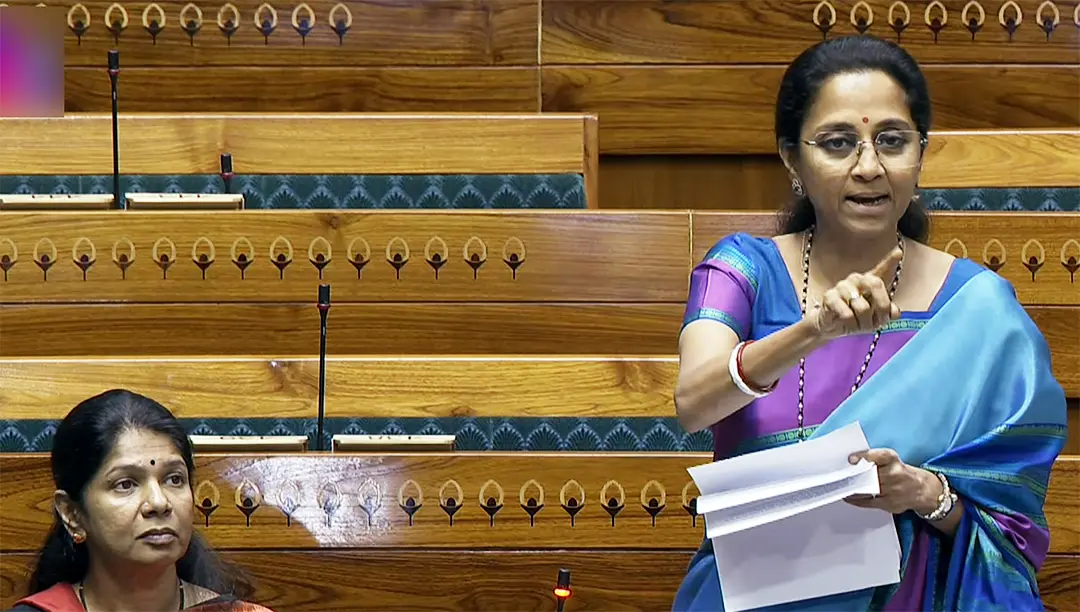
The right to disconnect – or ‘do not disturb after work hours’ rules – are in place in some form or the other in at least 25 countries, ranging from absolute bans to restrictions with caveats. In India, a much-watched bill has been introduced by parliamentarian Supriya Sule. But in a nation where ‘overtime’ without payment is the norm, she might not succeed. The private sector, which thrives on overwork and underpayment, is likely to scuttle it.
Nations are waking up to overwork, burnout and intrusion into private time
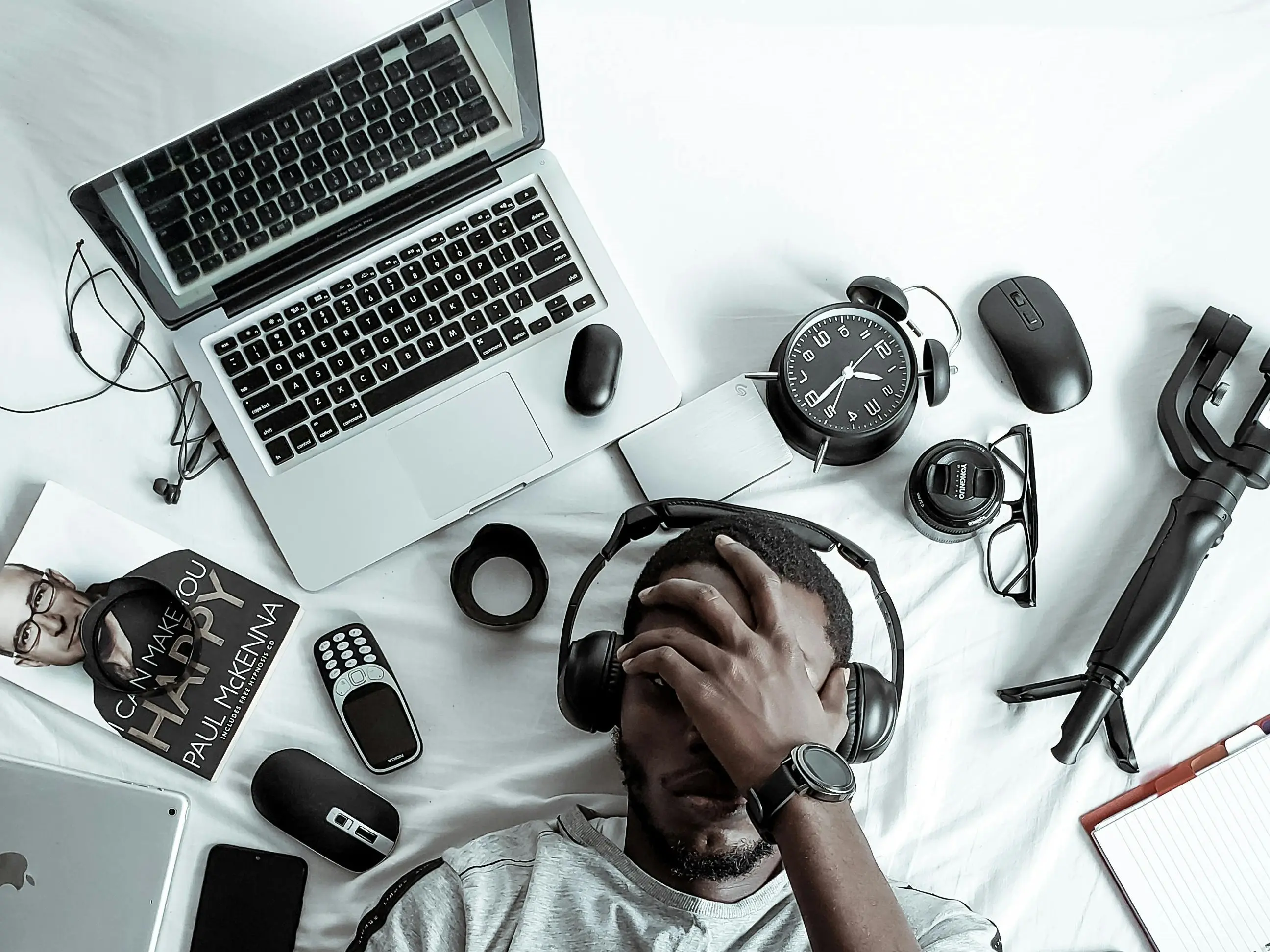
In the post-pandemic world of remote work, your phone is your workstation, and through direct or group chat messages, phone calls, video conferencing, the work continues into the after-hours.
But now, there is an increasing recognition that protecting personal time has become a defining labour issue of the digital age. Changes are slowly coming, from universal rules for all employees, to those specific for teleworkers, remote workers, or digital nomads. Implementation is not perfect, but the intent is there.

India’s push for the Right to Disconnect
On December 6, Supriya Sule reintroduced the Right to Disconnect Bill, 2025 in the Lok Sabha, the lower house of Indian Parliament. The bill allows employees the legal right to ignore work-related calls, messages, and emails after working hours without the fear of retaliation from the employers. It wants organisations to negotiate clear conditions under which such out-of-office working is structured and compensated. It also provides for an Employees’ Welfare Authority to enforce compliance. There would be fines of up to one per cent of employee salary for violations. But will it pass in India? Highly unlikely, as private members’ bills rarely succeed in Indian Parliament.
Trending Stories
)
Mushtaq Khan dies at 56: When Welcome actor opened up about his salary for iconic role Ballu
)
US Supreme Court backs Trump administration's use of SAVE database to check voter citizenship
)
Heart of the Beast review: Brad Pitt leads a gripping tale of survival and loyalty
)
Outrage erupts after 3-year-old is married to 60-year-old man in Pakistan, link to her sister's murder being probed
)
Pakistan deploys over 20,000 security personnel as PTI vows march for Imran Khan's release
)
Asian Games: Shooting spree continues as India win silver in women’s 50m rifle 3P team event
)
‘Not just a local tragedy’: Nepal PM Shah warns UN of growing climate threat, says Nepal floods were 'a warning to the world'
)
OpenAI AI Agents hacked 4 websites before Hugging Face, researchers reveal
)
Pentagon quietly adds 37 wounded troops to Iran war tally without explaining when or how
)
Asian Games 2026: India women’s kabaddi team edge Iran 37-34 to clinch 3rd gold medal
)
Saudi Arabia still harbours intent to develop nuclear weapons, reveals US intelligence: Report
&im=FitAndFill=(700,400))
New Friday OTT releases (September 25, 2026): Don’t Be Shy, Hunkkaar: The Roar, Mango Pachcha- 6 movies and TV shows on Netflix, Prime Video and more
)
Yemen's war escalates: Saudi-backed leader calls for general mobilisation against the Houthis
)
‘Attack on Mecca a red line for Pakistan’: Shehbaz Sharif warns Houthis at UN
)
Tesla is preparing something big for Optimus: new Gen 3 models surface in app
)
Bias or safety concerns? Bengaluru CEO says firm will not hire men from UP, Bihar, Rajasthan, MP. Here's why
)
Did Hitler kill his niece Geli Raubal? Newly found records reopen a 95-year-old mystery
)
Indian diplomat Petal Gahlot raises deteriorating situation in Pakistan-occupied Kashmir in right of reply at UN
)
Nigeria Navy moves to boost oil security, tackle crude theft and infrastructure threats
)
Scientists detect first radio signals directly from faraway planet
)
‘It is all possible’: Putin weighs next steps on Ukraine talks, rules out Europe conflict
)
10,000 gather in support of 87-year-old forcefully evicted from home of 71 years
)
Trump rejects Iran's 7-day ceasefire proposal as US weighs renewed bombing after midterms: Report
)
Red Sea crisis: Houthis promise not to target European ships; UNSC condemns Saudi attacks
)
Gaza's war turned environmental damage into second crisis
)
Saudi oil exports surge despite Iran war
)
Trump-Xi summit wrap: Big pageantry, Iran talks, few major developments and more meetings planned
)
'Making history': Xi Jinping praises Trump as US-China leaders dine at White House
)
India's UN Envoy slams Pakistan: 'They claim security by day, terrorism by night'
)
Jay-Z rape case: Accuser says allegations were false, never met rapper
)
Myanmar training camp case: US national, 6 Ukrainians allowed to meet their families abroad
)
'FIRST LOOK from inside Noah’s Ark': Researchers share video from inside mysterious mound in Turkey
)
Cindy Crawford’s son Presley Gerber cremated as death probe continues
)
India's insurance regulator overhauls policies
)
WATCH | As Shehbaz Sharif claims Pakistan’s ‘victory’ during 2025 conflict, Indian diplomat R Srinivas laughs at UN
)
‘Goal is to win it’: Virat Kohli confirms 2027 ODI World Cup will be his final tournament for India
)
'A terrorist country is asking me that question?': Jaishankar hits back at Pakistani journalist at UN; flags attacks on commercial shipping
)
US court backs Pentagon's decision to exclude Anthropic over Claude AI restrictions
This is not the first attempt at right to disconnect in India
Sule had proposed a similar measure in 2019, before the COVID pandemic made remote work ubiquitous, enabled and enhanced by digital technologies. But that did not take off. In the post-pandemic world, the hangover from the 24-hour availability continued, and employees are reporting burnout, overwork without remuneration, lack of work-life balance and the erosion of personal boundaries, particularly in the IT and service sectors.
The world is waking up: Traditional labour laws amended to cover digitally mediated workplaces
The ability of employers to contact employees at any hour has resulted in a virtual 24/7 availability expectation. But countries across Europe, Latin America, Asia-Pacific, and parts of Africa have introduced binding national laws requiring employers to respect off-hours boundaries.
While the rules apply to all employees in some countries, they are specific for teleworkers, remote workers, home-office employees, or digital nomads in others.
Europe: Global leader in right to disconnect
France was the first country to adopt a law in 2017, which made it mandatory for employers to define periods during which workers are not expected to engage in work communications. Belgium followed, asking firms with 20 or more employees to develop written disconnection policies, which was implemented from 2022. Italy made the right to disconnect law for smart-working arrangements in 2017, with all remote-work contracts required to introduce ways to ensure rest and digital disconnection.
Spain, between 2018 and 2020, asked employers to respect digital disconnection, especially for remote workers. Portugal has one of the strictest national laws since 2021, that prohibits employers from contacting workers outside their scheduled hours, except in emergencies. Greece’s laws in 2021 grant teleworkers the right to disconnect during off-hours and holidays. Luxembourg in 2023 required employers to establish internal or bargained disconnection rules. Slovakia in 2021 amended its labour code to protect teleworkers from after-hours digital contact, while Croatia added right-to-disconnect rules in 2023. Slovenia made the law in 2024 for the right to disconnect during rest, illness, and holidays. Finland and the Netherlands have binding sectoral collective agreements that include disconnection protections for remote workers. Germany enforces binding rules in the public sector and certain industries with legally enforceable disconnection rules.
Latin America's rules mostly apply to teleworkers
In Latin America, the right to disconnect rules largely apply to remote and teleworkers. Argentina’s telework law of 2021 guarantees remote employees the right to disconnect during non-working hours. Chile’s remote-work reforms in 2023 require employers to respect digital disconnection for home-office workers. Mexico’s Federal Labour Law was reformed in 2021 to regulate telework more strictly, preventing employers from demanding after-hours availability without compensation. Telework protections in Brazil were strengthened in 2022, penalising firms that pressure remote employees through after-hours digital messages. Colombia’s telework regulations of 2021 include a formal right to digital disconnection. Peru’s Remote Work Law of 2023 protects teleworkers and digital nomads.
Asia-Pacific region is making progress on right-to-disconnect rules
Australia amended its Fair Work Act in 2024, which included a national right-to-disconnect provision barring all unreasonable employer contact after working hours. The Philippines’ Telecommuting Act of 2018 requires employers to respect agreed working hours for teleworkers. Kazakhstan recognises digital disconnection through flexible-hour provisions that apply to remote workers. In Thailand’s remote-work legislation of 2023, overtime payment has to be given for after-hours duties.
African countries are slowly introducing remote work protections
Kenya’s updated labour code of 2022 requires remote-work contracts to specify working and communication hours. Mozambique implemented a telework decree in 2022, giving teleworkers the right to uninterrupted rest.