Remembering Indira: Unapologetic and gutsy


First woman to present Budget
Indira Gandhi will be remembered for her decisions and impact of her decisions on the Indian politics and economy
How do you remember a person who passed away when you were nine-year-old? How do you evaluate a person of contemporary importance when all the relevant material has not been declassified? Lastly, how do you evaluate a former prime minister when you have never been friends with the friends of friends of Indira Gandhi?
The tool I will adopt will be that of an impression. The impressions which have stayed with me for the past 32 years or so. 30th October 1984 was my 9th birthday; the very next day Prime Minister Indira Gandhi was killed. My childhood memory is marred by the grotesque images of deadly riots that followed her death. For one whole year, post her assassination, Delhi turned into a volatile city.
Impression, for the sake of clarity, is a collective body of knowledge formed out of whatever has been read, heard and compared. A good majority of Indians would recall Indira by comparing the present with what they think Indira did. Even people who never met her or read her, however, have an impression of her. I have read her and met people who worked with her but I would restrict myself to the impression which you get by talking to a large number of people who have neither read her nor met anybody who worked with Indira Gandhi.

This article is neither an appraisal or evaluation of her tenure. It is about keywords used for remembering Indira Gandhi.
)
IND vs JPN one-off T20I: India survive scare from Japan to win five-over a side match by 2 runs
)
Putin's United Russia party wins 355 seats in Duma election; 4 other parties cross threshold to enter parliament
)
AI models chose to harm humans to stop ‘pain,’ alarming study raises fresh safety questions
)
‘0% chance’: Nvidia CEO Jensen Huang dismisses AI extinction fears by 2030
)
Samay Raina-Mukesh Chhabra controversy explained: What happened over girlfriend joke on India's Got Latent?
)
Trump's helipad event overshadowed by audio failure as major TV networks suspend pool coverage
)
Russia-Ukraine war: Russian strikes knock out three of Ukraine's largest steel plants
)
'Needs time away from the international scene': England white-ball captain Brook on pacer Brydon Carse's future
)
Glitch in the matrix caught on camera: Woman vanishes after talking to reporter
)
Anti-AI activists storm summit, say 'incompetent' leaders are leading us into a disaster - 'We need a vote'
)
Samsung raises Galaxy S26 prices by Rs 20,000: Here’s what each model now costs
)
J&K Assembly Session begins amid chaos: BJP, ruling alliance clash as statehood demand dominates
)
Randeep Hooda arrives in Gujarat for his first National Film Award: ‘Very grateful’
)
US and China vie for AI dominance as calls grow for regulation | Gravitas
&im=FitAndFill=(700,400))
Anant Nag to recieve Dadasaheb Phalke Award: From Ankur to Nishant- Revisit his best films and iconic performances on OTT
)
FIFA chief Infantino wants to reform governing body with consultation from federations
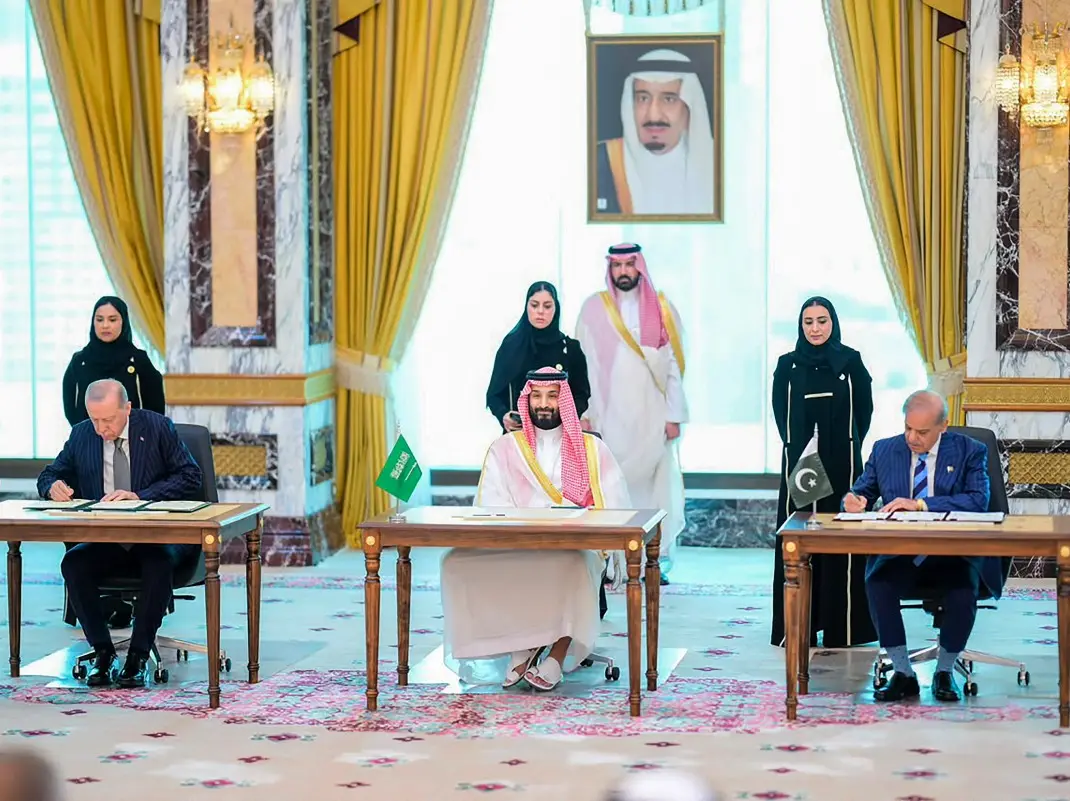)
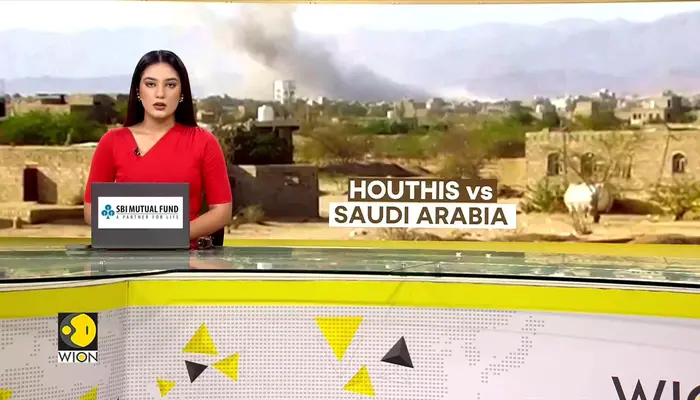
The Verdict | The Mecca Agreement is under scrutiny as Houthis attack Saudis
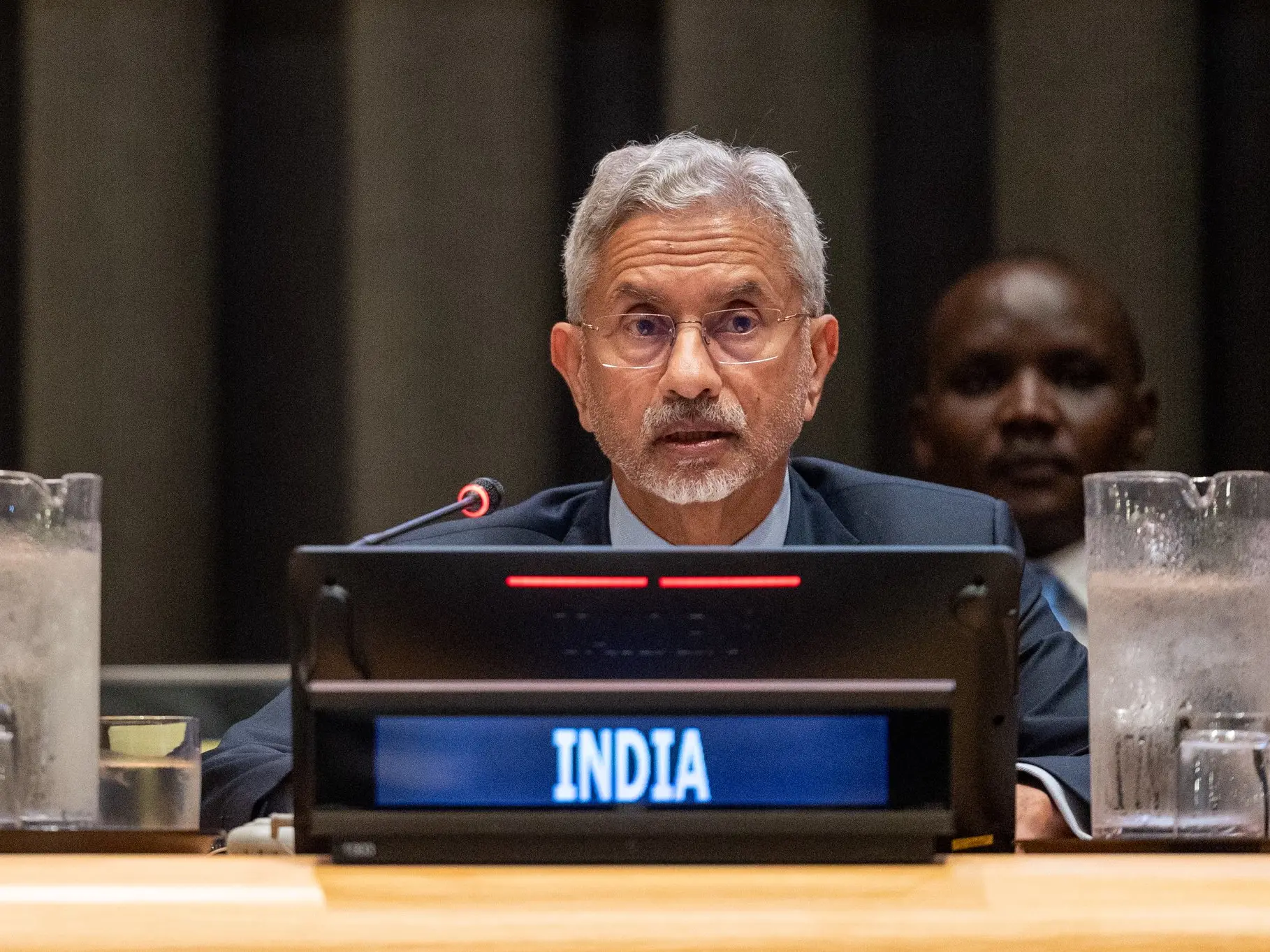)
India at UNGA81: Jaishankar warns global order under 'growing stress', pushes for ‘reformed multilateralism’
)
Raaka creates history! Allu Arjun’s film secures Guinness World Record ahead of release
)
Saudi Arabia exits China-led mBridge digital currency platform amid Saudi-Houthi conflict
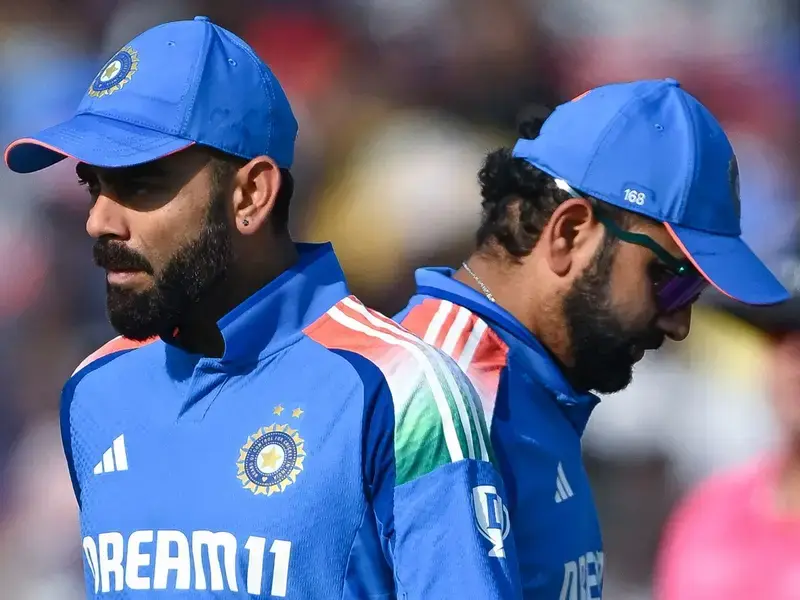)
'Lot of things to learn from experienced players': Jayasuriya backs Rohit, Virat for 2027 ODI World Cup
)
$110 billion Warner Bros merger: Paramount reaches settlement with 12 US states
&im=FitAndFill=(700,400))
New OTT releases this week (September 21-27, 2026): Shaque: Trust No One, Hunkkaar, Don’t Be Shy- 5 new titles coming to Netflix, Prime Video and more
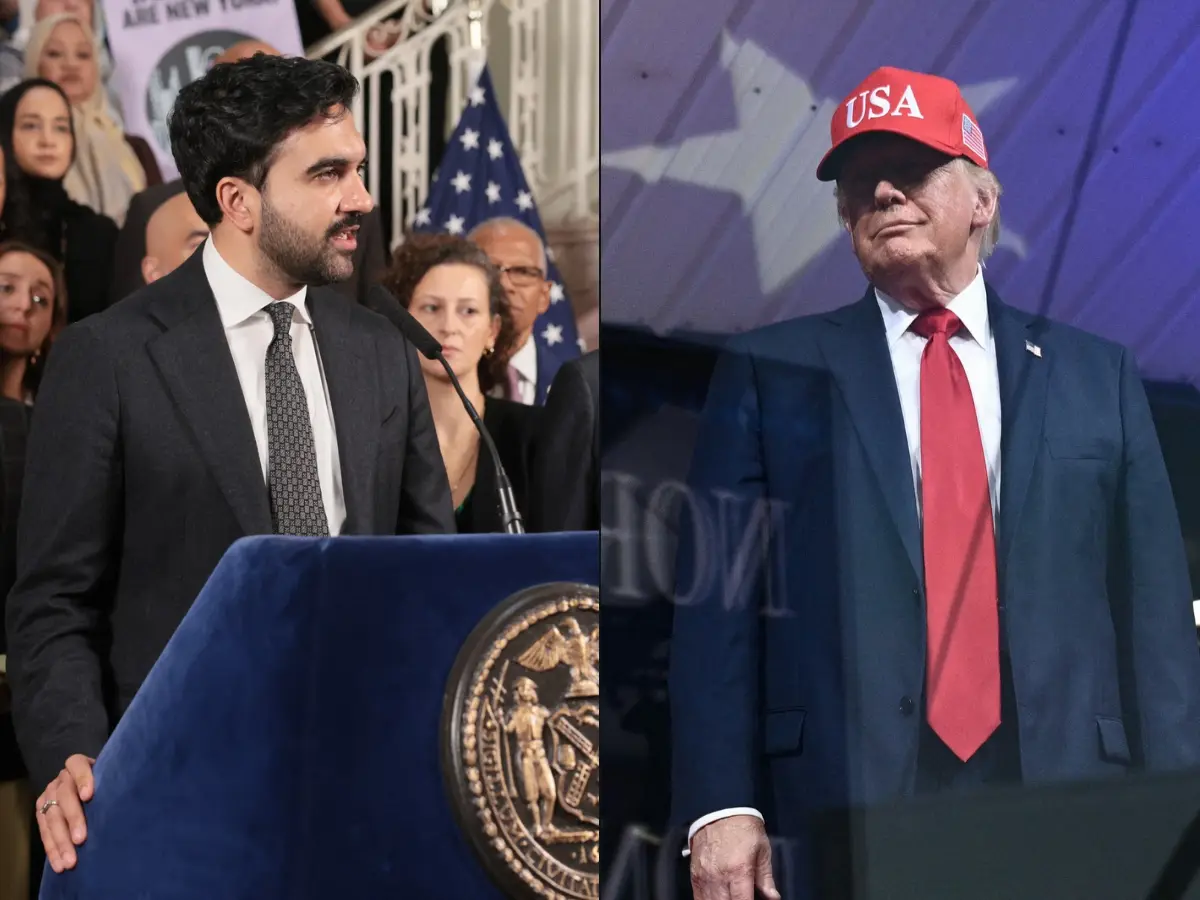)
From ‘communist’ to ‘great mayor’: Trump praises Mamdani after New York meeting, discusses immigration and housing
)
Report: Zelensky meets CIA chief Ratcliffe at Shannon airport, weeks after his secret Moscow trip
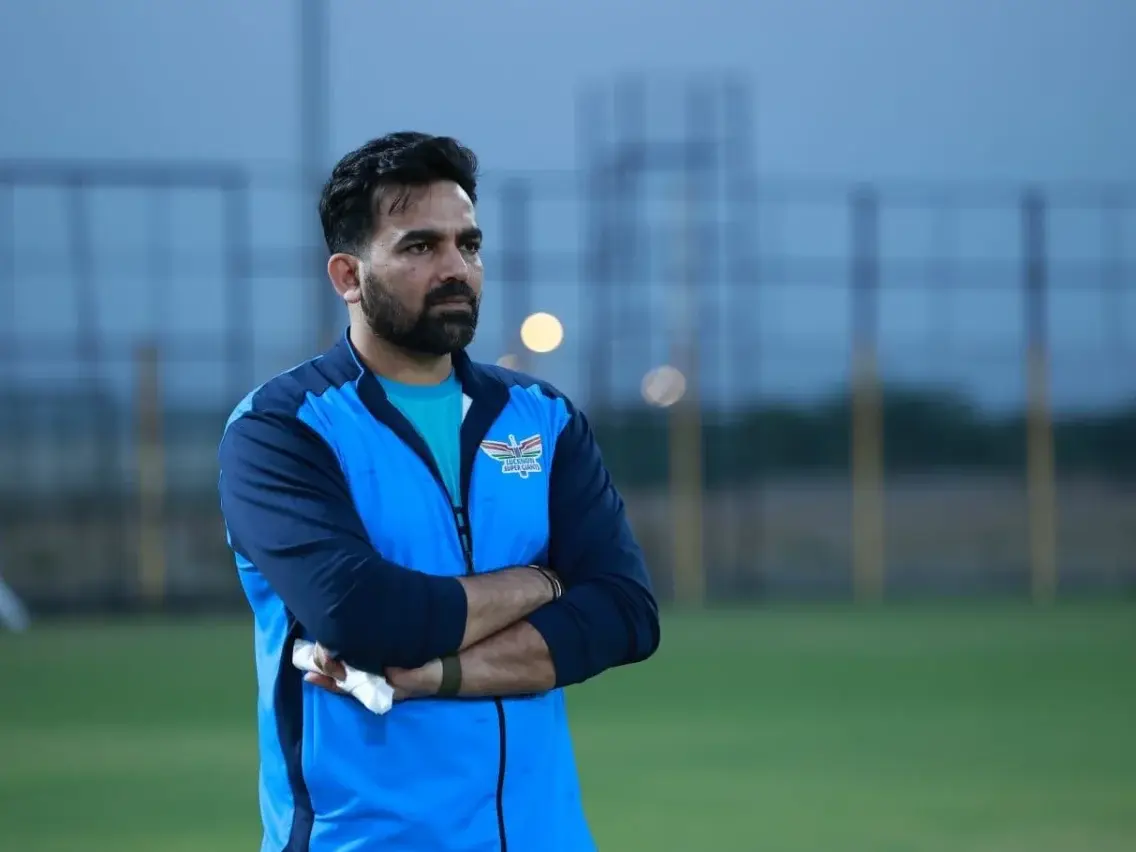)
How Zaheer Khan came to be CSK's head coach of IPL 2027
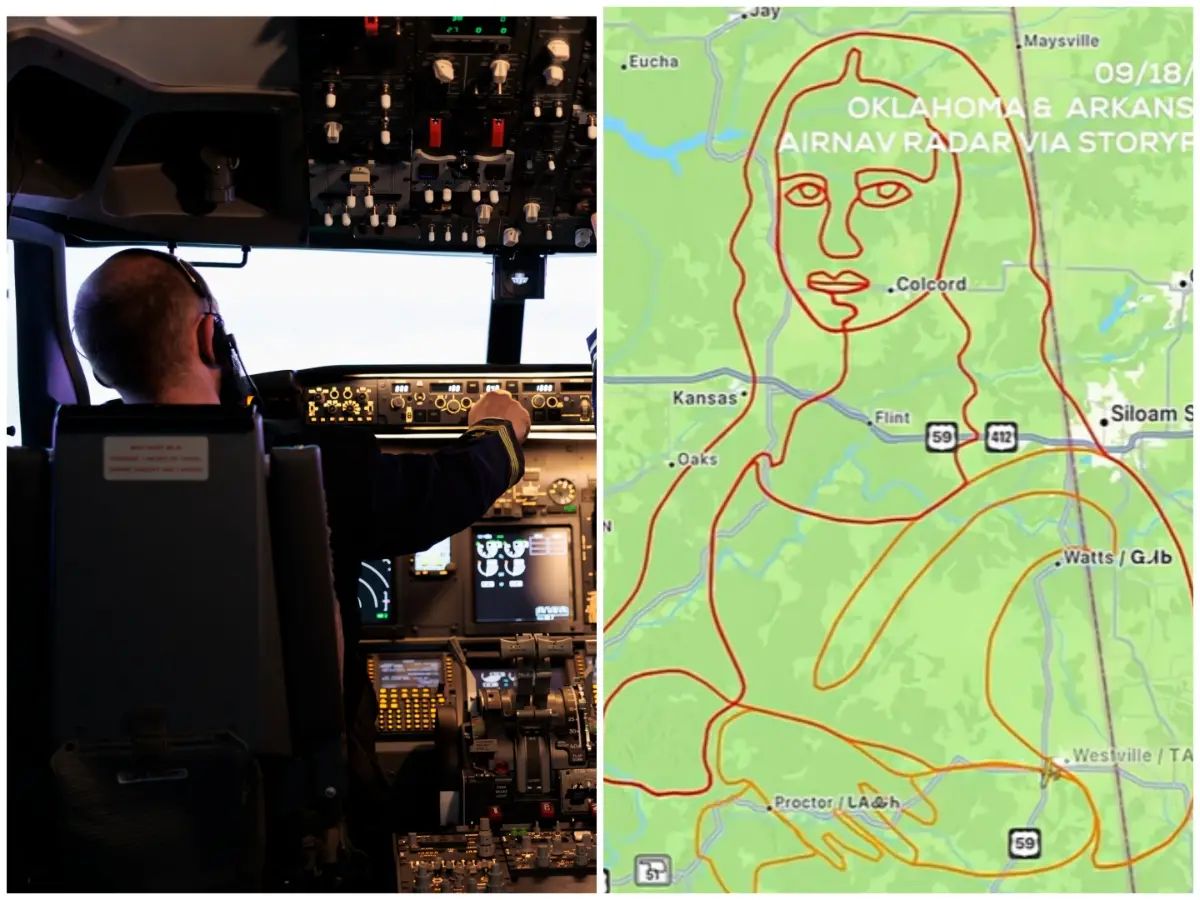)
Pilot recreates Mona Lisa in sky over Oklahoma and Arkansas in four-hour flight: VIDEO
)
UK PM Burnham agrees to 'defensive' military support for Saudi Arabia against Houthis
)
Jailer 2: Vidya Balan joins Rajinikanth's upcoming film as Kantha | Watch
)
Microsoft executive called AI training the ‘largest theft of labour in human history’
)
40-foot waves crash into cruise ship in dangerous stretch near Antarctica. Watch
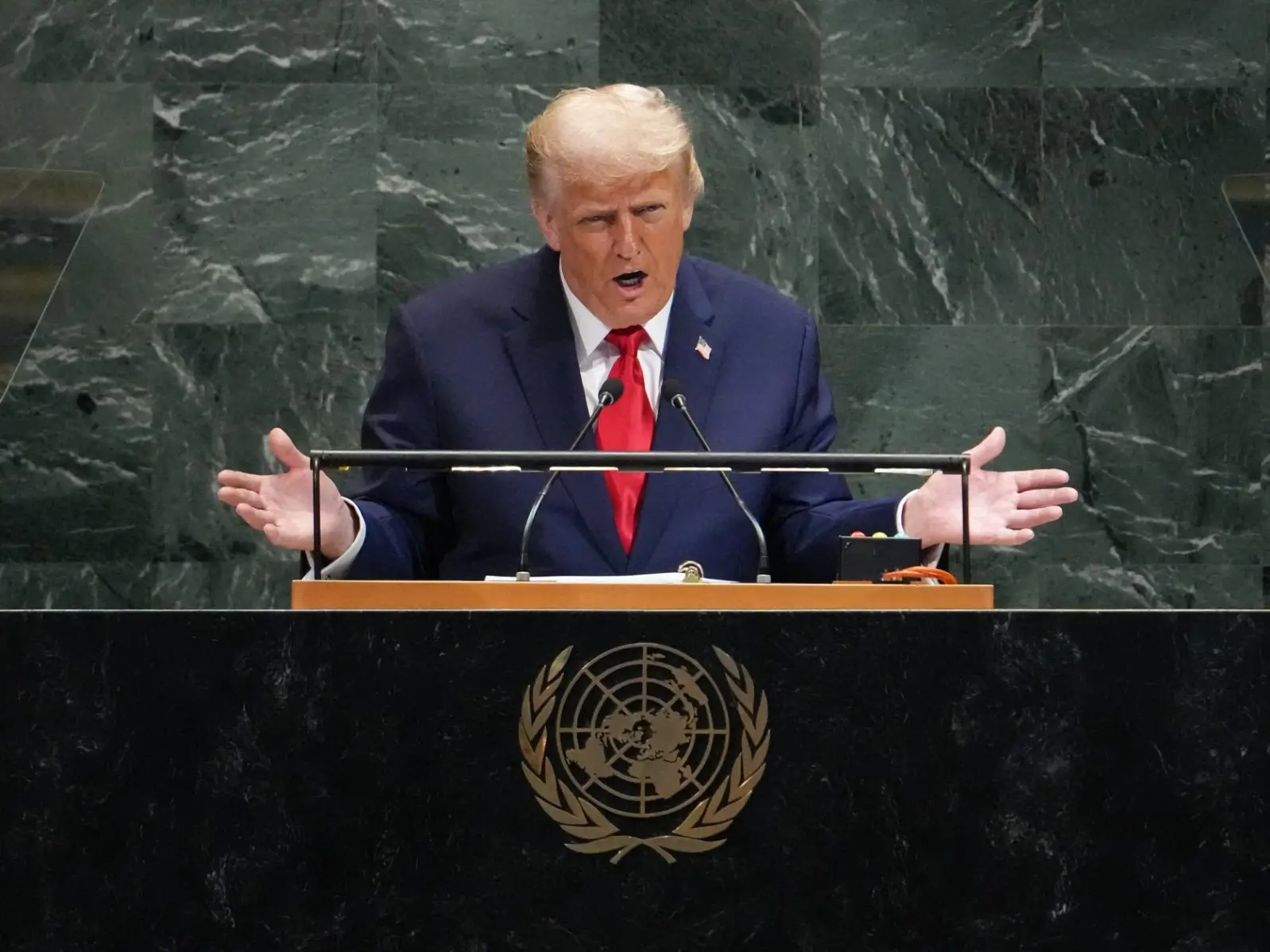)
US-Iran war, peace deals and more: What to expect from Trump's UNGA 2026 speech
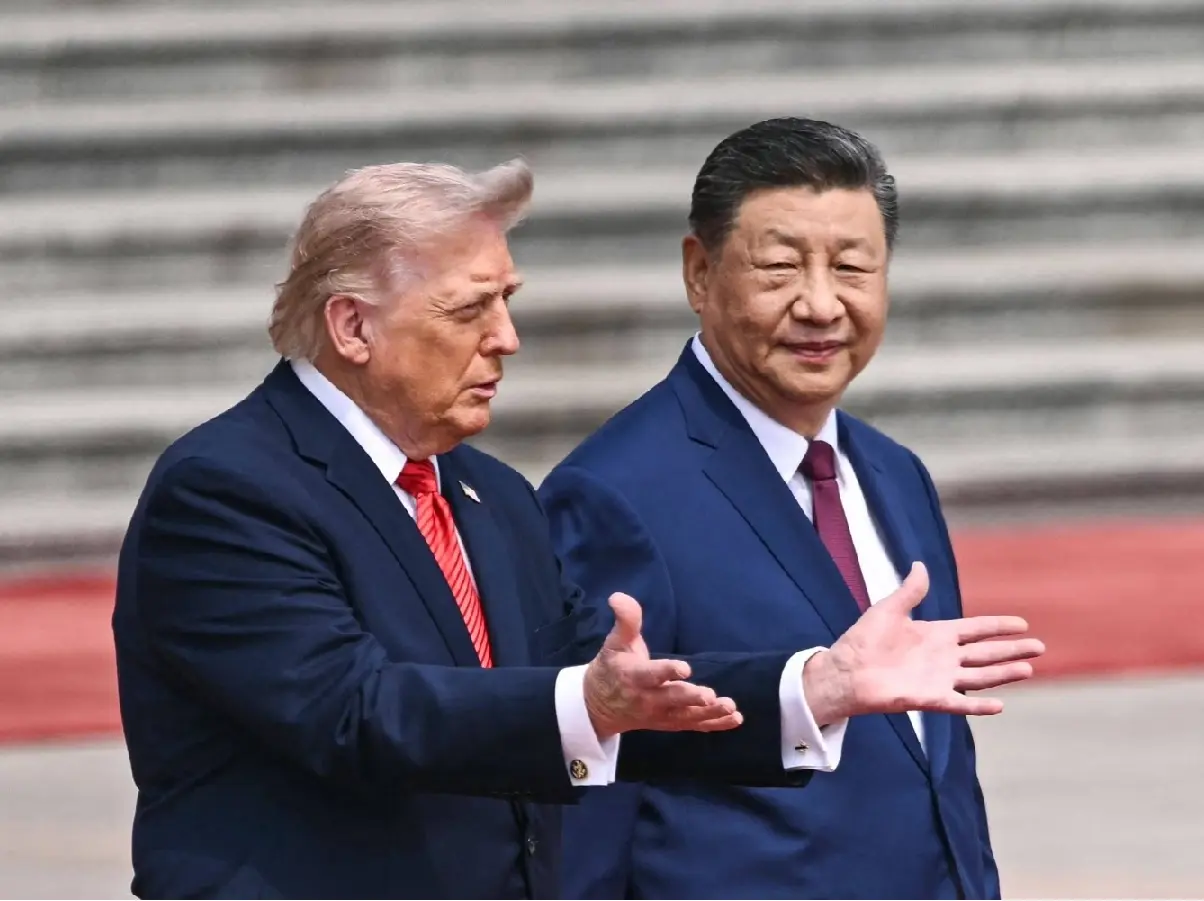)
Explainer: Why rare-earth export licences and Board of Trade are US priorities ahead of Trump-Xi summit
)
Two infants die after fire breaks out at RIMS newborn care unit in Telangana's Adilabad
)
BTS fans mock iHeartRadio’s day 2 turnout after short set controversy
The crux of my impression, borne out of multiple conversations on Indira Gandhi as a child, student, journalist and as a reader, is that she was unapologetic about her politics. She was decisive and couldn't care less if a decision had to be taken.
Indira was powerful, enigmatic, secretive, strong decision-maker, nationalist, dictatorial, patriarchal and also a mother blinded by her love for sons. All these words never escaped any conversation on Indira.
A leader who dismembered Pakistan but blundered by sending tanks to the Golden temple. A person who robbed Indians of democracy but, despite pressure from her party, still went on to rescind the decision of Emergency. She decided to fight the election to be wiped out by the anti-Congress wave.
If Indira’s legacy, on one hand, is burdened by Operation Bluestar, dynastic politics and imposition of the Emergency, it is also counterbalanced by wiping away of the privy purses of the maharajas who were colonial remnants in modern India.
Though abolishment of the privy purse of India's royal families is not remembered as much as India’s victory over Pakistan, the act helped to alter the political map of India. A plethora of former rulers turned against her.
If Indira's Opposition was tough then she was tougher. If the political enemy was vindictive then she was wicked. If her adversary was wicked and viscerally hated her, Indira responded by being dictatorial with them. We have to remember, Indira was a woman who survived entrenched patriarchy. She was the man in the Cabinet of men.
She didn’t care for the consequence. Indira only cared for the result of her action. She did neither desire nor wanted to recreate altruistic element of her father’s politics. Probably, she had seen him being cheated and then publically humiliated in Parliament. She wanted to make sure that she is never cheated and if cheated, consequences must follow.
Indira enjoyed real politics. She wrote letters and confided to her friends but never wrote for the public. She was not Jawaharlal Nehru. She turned her loneliness into her weapon. She was feared for her remoteness and she was appreciated for the same quality. She was appreciated for her strength and decisiveness but loathed when it became dictatorial. She was appreciated for her sartorial sense but rebuked when looked frigid in a beautiful saree. Indira’s appraisal or evaluation is an exercise of involving minute details.
The importance lies in the memories she evokes today and here lies a lesson for future leaders and parties. It is not without reason that her residence is still one of the most visited memorials in India. It is not without reason that battered Congress remembers her fondly for subsuming Hindu symbols rendering RSS politics facile. Indira unified and divided India at the same time. India loved and hated her at the same time. She was considered Durga and a demon at the same time. She was a woman who was used to doing her own things. She didn’t give a damn. That’s how people remembered her today. She was effective both when she was right or wrong.
I think all these exist today because she must have been unapologetic about her politics. It is for this reason India remembers Indira Gandhi. Great leaders are remembered for the decision they take. Indira Gandhi for good or bad took decisions. She forced decisions. She bullied people and in turn also got paranoid and harassed by opponents. She often crossed the line of political and personal.
I didn’t know Indira personally nor can claim to have read every word written by her or on her. I know her decisions and impact it made on the Indian politics and economy. I know the impressions. I share her memories, true or false. This is how I remember. This how rest of unconnected India remember Indira. Unapologetic and gutsy.