

&imwidth=800&imheight=600&format=webp&quality=medium "Protests intensify in Pakistan-Occupied Kashmir after govt bans Primary Advocacy Body (JAAC) ahead of elections")
Pakistan-occupied Kashmir is on the edge. In an order issued Friday, the POJK Home Department declared the Jammu Kashmir Joint Awami Action Committee (JAAC), the territory's most prominent civil society platform, a proscribed terrorist organisation under the POJK Anti-Terrorism Act, 2014. The ban comes days before a territory-wide strike and wheel-jam (Chakka-Jam), shutdown the JAAC has called for June 9.
The move triggered an immediate crackdown. POJK police announced the arrest of 72 JAAC members following the ban, with searches ongoing for additional members. Today protesters responded by blocking the Pattan Entry Point, a key gateway into the territory, while traders and citizens shut down Chakswari Bazaar and began a sit-in protest.
Unrest sharpened further after some media reports claimed police opened fire late at night on two prominent JAAC members, Umar Nazir Kashmiri and Shahzaib Habib, with media reports suggesting Nazir Kashmiri was injured and Shahzaib had died.
Background: Who Is JAAC?
Founded on September 16, 2023, JAAC is a grassroots civil society coalition of trade bodies, transporters, lawyers, and student groups that became the primary platform for public agitation in POJK. The movement grew out of protests over electricity bills and commodity prices in 2022, escalating through repeated cycles of mass strikes, government promises, and broken agreements.
The most violent phase came in September-October 2025. At least nine people were killed and over 200 injured before the government and JAAC reached a compromise, with the government vowing to address the charter of demands within six months. That commitment was never meaningfully delivered, JAAC members said in public gatherings, setting the stage for the current crisis.
Trending Stories
&imwidth=180&imheight=135&format=webp&quality=medium)
Viral video shows cross falling on Colombia priest, no official confirmation | WATCH
&imwidth=180&imheight=135&format=webp&quality=medium)
Rafale Marine fighter begins flight trials in Goa ahead of Indian Navy induction
&imwidth=180&imheight=135&format=webp&quality=medium)
Ranbir Kapoor apologises for Dussehra speech slip, clarifies remark at Ramayana event
&imwidth=180&imheight=135&format=webp&quality=medium)
Meta slapped with $25 billion fine in New Mexico over Facebook data practices, company plans appeal
&imwidth=180&imheight=135&format=webp&quality=medium)
WATCH: Woman IPS officer fires several rounds of AK-47, ignites debate online
&imwidth=180&imheight=135&format=webp&quality=medium)
WATCH | Mysterious haze grips Ohio city as toxic chemical leak forces mass evacuation – What is happening?
&imwidth=180&imheight=135&format=webp&quality=medium)
EU probes Booking.com under Digital Services Act
&imwidth=180&imheight=135&format=webp&quality=medium)
Pakistan signs another defence pact even as Makkah Alliance shows no teeth. This time, it's with Qatar, Indonesia, Turkey
&imwidth=180&imheight=135&format=webp&quality=medium)
Kim Jong Un death rumors explode | China accused of secretly sending troops to Pyongyang
&imwidth=180&imheight=135&format=webp&quality=medium)
Ilhan Omar breaks silence over alleged marriage to her brother; Trump thinks it's 'really good answer'
&imwidth=180&imheight=135&format=webp&quality=medium)
US-Iran war: Bibi, Trump gamble on new Iran war to save themselves in polls
&imwidth=180&imheight=135&format=webp&quality=medium)
From Agni-V to Project Kusha: How are India’s indigenous missile systems and defence shield reshaping modern warfare
&imwidth=180&imheight=135&format=webp&quality=medium)
Will Rohit and Kohli play ODI World Cup 2027? BCCI president Manhas says board 'not in a position to comment'
&imwidth=180&imheight=135&format=webp&quality=medium)
Why websites around the world are suddenly going offline? What you need to know about PHP
&imwidth=180&imheight=135&format=webp&quality=medium)
1 killed, several injured in attack on Saudi Arabia's King Fahd airport
&imwidth=180&imheight=135&format=webp&quality=medium)
US midterms 2026: What polls and prediction markets indicate about Congress
&imwidth=180&imheight=135&format=webp&quality=medium)
'You are a dummy, you are a stupid person': Trump loses temper with CNN, ABC reporters after questions about Russia sanctions
&imwidth=180&imheight=135&format=webp&quality=medium)
China's dancing robot turns violent bodyguard, lifts cars and fights intruders - Watch
&imwidth=180&imheight=135&format=webp&quality=medium)
16-foot doomsday fish in Chile triggers fears that the next earthquake is coming
&imwidth=180&imheight=135&format=webp&quality=medium)
US Midterms 2026 and money: From Bloomberg to Musk, corporate donors, super PACs and lobbies, it's all about the cash
&imwidth=180&imheight=135&format=webp&quality=medium)
Are the US and Israel preparing for another major attack on Iran? Here's what report claims
&imwidth=180&imheight=135&format=webp&quality=medium)
Priyanka Chopra celebrates Dussehra 2026 with Nick Jonas and daughter Malti Marie | See pics
&im=FitAndFill=(700,400)&imwidth=180&imheight=135&format=webp&quality=medium)
New OTT releases this week (October 19-25, 2026): Gajab Raat to Chaar Yaar-8 titles to watch during Dussehra week on Netflix, Prime Video and more
&imwidth=180&imheight=135&format=webp&quality=medium)
‘I caution the president...’: Trump’s ex-press secretary warns after Zacharia’s exit
&imwidth=180&imheight=135&format=webp&quality=medium)
'Father of all bombs' vs 'mother of all bombs': Iran threatens US with new weapon as Trump hints at MOAB strike
&imwidth=180&imheight=135&format=webp&quality=medium)
Australia police arrest former national 100m champ Jake Doran for alleged child abuse
&imwidth=180&imheight=135&format=webp&quality=medium)
Diljit Dosanjh's Oct 30 Delhi show hits roadblock, Delhi Police denies permission
&imwidth=180&imheight=135&format=webp&quality=medium)
'Gyanu must go': CJP's Saurav Das, Ashutosh Ranka after release, despite Jantar Mantar protest undertaking
&imwidth=180&imheight=135&format=webp&quality=medium)
Hunger makes alcohol more appealing, study finds
&imwidth=180&imheight=135&format=webp&quality=medium)
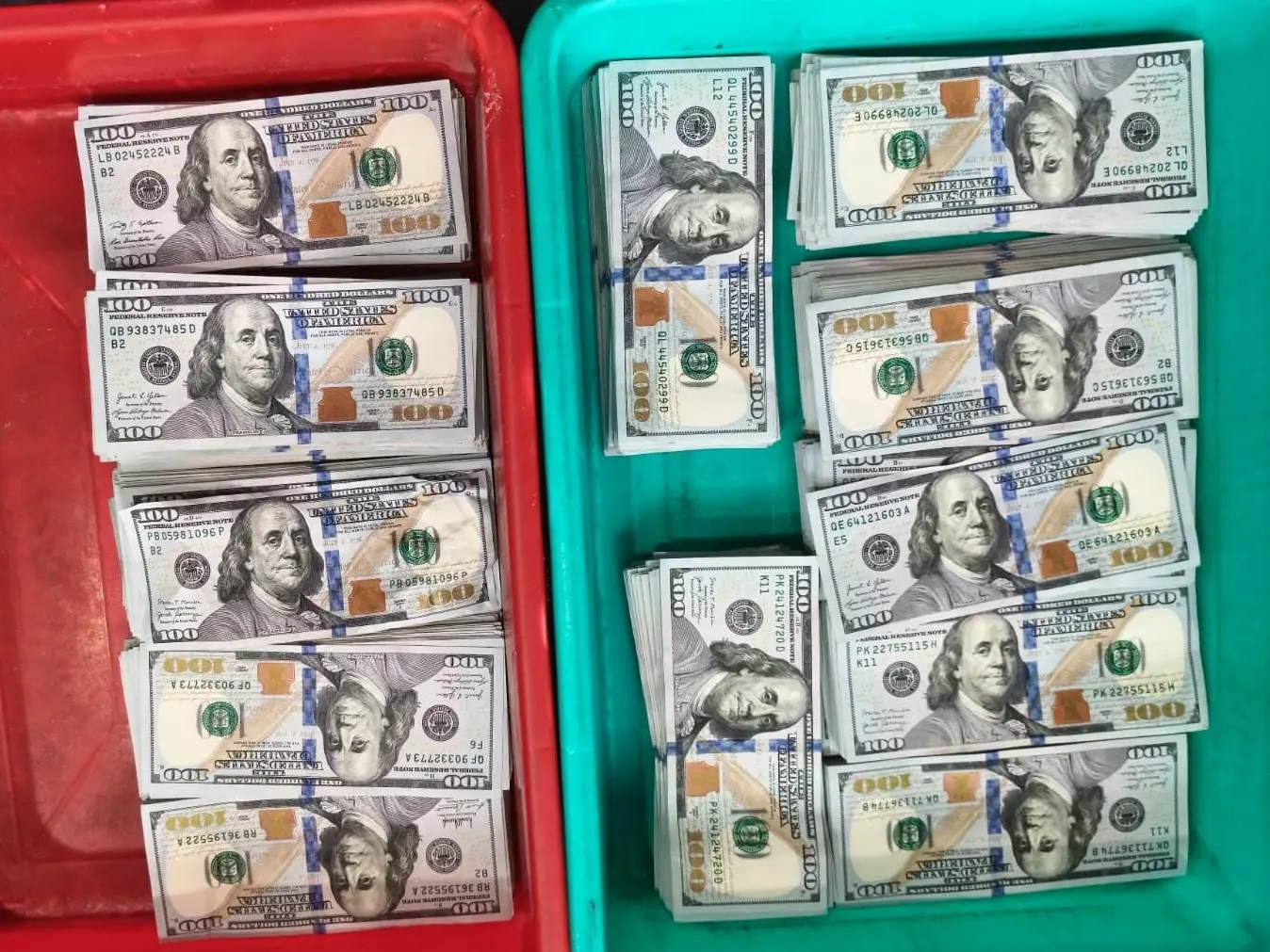
Kolkata airport: CISF detects ₹1.13 crore in US dollars hidden in bags of 2 Bangkok-bound passengers
&imwidth=180&imheight=135&format=webp&quality=medium)
Feds obtain DNA evidence that could prove Ilhan Omar married her brother: Report
&imwidth=180&imheight=135&format=webp&quality=medium)
US midterms 2026: Trump's approval rating hits record low as Democrats gain ground
The 12 Seats Issue
The trigger for the June 9 strike is a specific constitutional grievance. POJK's 53-member Legislative Assembly includes 12 seats reserved for Kashmiri refugees, people who fled Indian-administered Kashmir in 1947 and 1965, who are now spread across mainland Pakistan.
JAAC alleges these seats are frequently used by mainstream Pakistani political parties to exploit the formation of governments in Muzaffarabad, effectively giving Islamabad a back-channel grip on POJK's legislature. Of all 38 points in JAAC's charter, this remained the sole unresolved demand and the principal stumbling block in negotiations.
The government has flatly refused to meet the demand over seats. The POJK Legislative Assembly passed a resolution retaining the 12 seats, and an All Parties Conference declared constitutional reforms the exclusive prerogative of elected representatives.
Why June 9?
June 9 is the same date the POJK Election Commission has scheduled for candidates to begin filing nomination papers for the July 27 general elections. By calling a territory-wide shutdown on that date, JAAC is directly disrupting the electoral process, and Islamabad has responded not with fresh talks but with a terrorism ban.
POJK's Inspector General of Police formally requested 14,000 additional security personnel from the federal government to secure the territory between June 7 and June 21. A further 1,505 Islamabad Police personnel have been deployed to POJK. The government also issued a travel advisory asking tourists to leave the region by Saturday evening and avoid travel through June 20. The June 9 protest call remains in force, while the situation is fluid.
