

&imwidth=800&imheight=600&format=webp&quality=medium "PM POSHAN under scrutiny: Why are eggs, fruits disappearing from India's mid-day meals? WION explains")
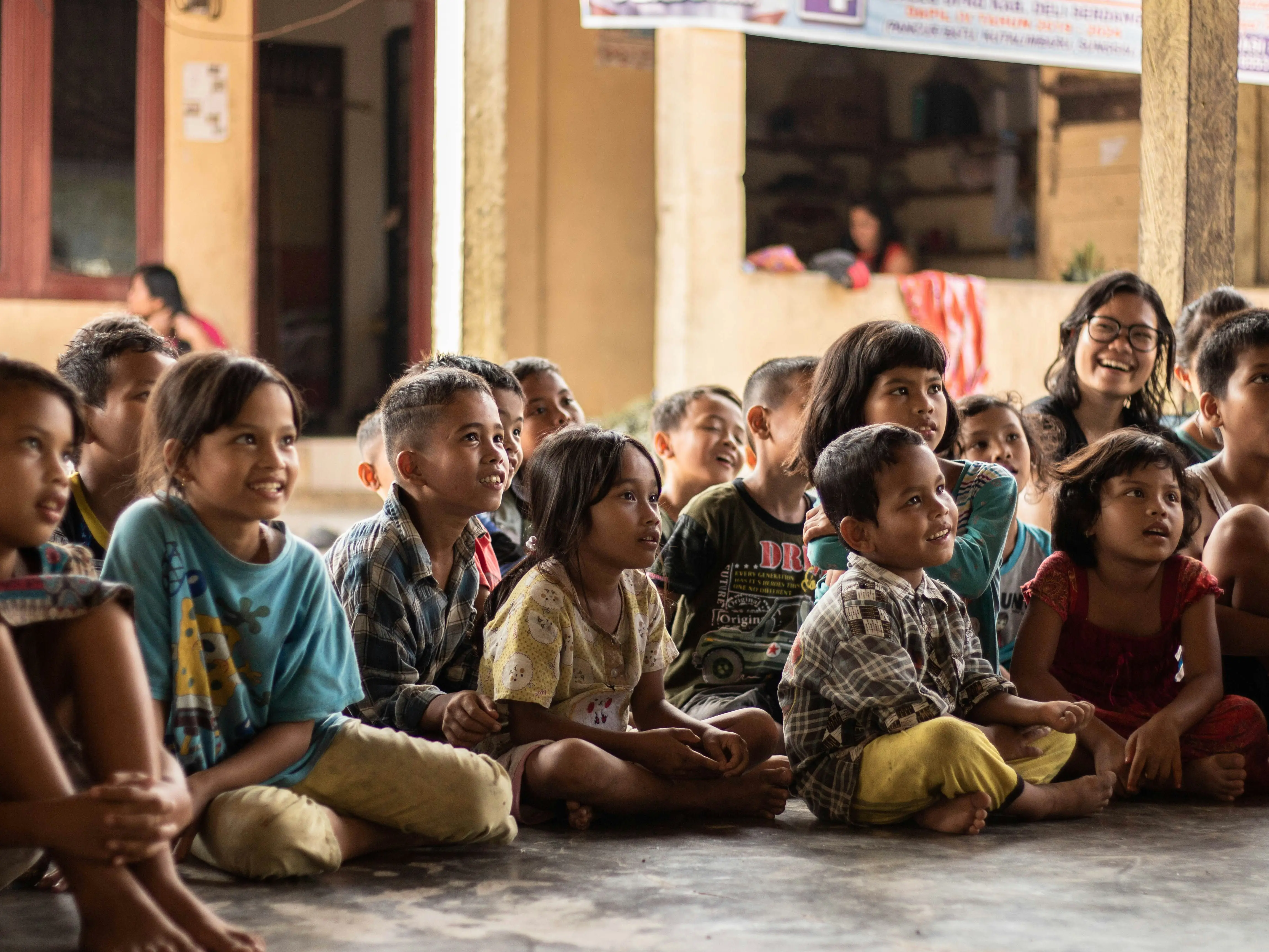
In India, the mid-day meal has always acted as more than food, as it was launched to combat widespread malnutrition, reduce classroom hunger, and help children from poor backgrounds to attend and stay in school. A hungry child cannot concentrate while studying, making education ineffective without proper nutritional support.
The Mid-Day Meal Scheme (now known as PM POSHAN) was officially launched across India on August 15, 1995. At the initial stage, the scheme provided dry rations to primary students. A major shift occurred in 2001 when the Supreme Court of India mandated that schools provide hot, cooked meals. Later, it was named the PM POSHAN scheme. The initiative has also made the classroom a space where the state’s concern for children is registered materially, through nutrition, attendance, and retention.
To provide children with all the required nutrients, Indian states have added multiple items in the meal, including eggs and fruits, considering both veg and non-veg diets. However, in recent development, it has been found that eggs and fruits have witnessed a sharp decline in coverage under the PM Poshan scheme. Just over a third of states now serve eggs under the scheme, compared with 44 per cent a decade ago. In 2025-26, only 13 states provided eggs to schoolchildren, down from 16 states in 2015-16. The decline is even steeper for fruits.
Less than one-fifth of states now include fruits in school meals, compared with roughly one-third of states a decade ago, pointing to a gradual erosion of protein- and micronutrient-rich components in mid-day meals. The shrinking presence of nutritionally dense foods comes at a time when the composition of school meals is once again under scrutiny.
Also read: Nashik teen dies after Td vaccine dose, Maharashtra launches multi-level probe; batch put on hold
Why are fruits and eggs quietly disappearing?
Trending Stories
&imwidth=180&imheight=135&format=webp&quality=medium)
US troop deaths in Iran war on rise? Pentagon reveals latest toll
&imwidth=180&imheight=135&format=webp&quality=medium)
Lula campaign accuses Meta of election interference after social media content blocked
&imwidth=180&imheight=135&format=webp&quality=medium)
100,000 strikes in 3 years: How October 7 redefined Israel's war
&imwidth=180&imheight=135&format=webp&quality=medium)
‘Your people don’t even let us near it’: IAF chief’s blunt response on US F-35; India yet to decide on Russia’s Su-57
&imwidth=180&imheight=135&format=webp&quality=medium)
Saudi Arabia's King Khalid International Airport attack kills 12, injures 309; India calls it 'unacceptable'
&imwidth=180&imheight=135&format=webp&quality=medium)
‘Never-ending flow of cheap labour’: JD Vance hits back at Indian-origin Congresswoman over US green card curbs for major tech companies
&imwidth=180&imheight=135&format=webp&quality=medium)
HYBE’s Weverse Con India sets ticket sale date for March 2027 festival
&imwidth=180&imheight=135&format=webp&quality=medium)
Messi scores twice in Inter Miami return following final match for Argentina
&imwidth=180&imheight=135&format=webp&quality=medium)
CJP's Abhijeet Dipke, Ashutosh Ranka, Saurav Das released 22 hours after flight detention
&imwidth=180&imheight=135&format=webp&quality=medium)
'Unwarranted interference': India slams UN human rights office over remarks on Delhi protests
&imwidth=180&imheight=135&format=webp&quality=medium)
'Jantar Mantar not the story of India': BJP's Sambit Patra claims 'anarchists' tried to hold Delhi captive
&imwidth=180&imheight=135&format=webp&quality=medium)
3rd T20I Preview: Another run-fest on cards as India face West Indies in Indore
&imwidth=180&imheight=135&format=webp&quality=medium)
Nicolas Cage refuses AI waiver for Spider-Noir, hints at Amazon exit and True Detective role
&imwidth=180&imheight=135&format=webp&quality=medium)
Riyadh airport hit in missile attack, dozens injured; 5 in intensive care
&imwidth=180&imheight=135&format=webp&quality=medium)
'Spent Rs 2,000 cr to elect Trump': Elon Musk bought US President's loyalty by writing the biggest political cheque in human history
&imwidth=180&imheight=135&format=webp&quality=medium)
Powerful 7.7 magnitude earthquake strikes Panama, tsunami warning issued
&imwidth=180&imheight=135&format=webp&quality=medium)
US mid-term elections: What are PACs - Unique American System that lets corporates shape voting
&imwidth=180&imheight=135&format=webp&quality=medium)
Nathan Lyon completes 1,000 Test runs at No. 10 to script rare cricket feat
&imwidth=180&imheight=135&format=webp&quality=medium)
'Ouch!!! That must hurt': Kangana Ranaut hails Kamal Haasan's sharp reply to Elon Musk over Starlink row
&imwidth=180&imheight=135&format=webp&quality=medium)
Barry Manilow cuts short Las Vegas comeback show, cancels next concert over Bronchitis
&imwidth=180&imheight=135&format=webp&quality=medium)
Hamas used double agents, deceived Israel to carry out October 7 massacre
&imwidth=180&imheight=135&format=webp&quality=medium)
Bigg Boss 20: Who is Manish Goel? Meet the new wild card contestant on Salman Khan’s show
&imwidth=180&imheight=135&format=webp&quality=medium)
Portugal Federation confirms Cristiano Ronaldo’s return to national team despite suspension
&imwidth=180&imheight=135&format=webp&quality=medium)
Kim Kardashian brings glamour to Singapore Grand Prix while supporting boyfriend Lewis Hamilton
&imwidth=180&imheight=135&format=webp&quality=medium)
‘Time for Ukraine to get a new president’: Trump lashes out at Zelensky over Russia strikes
&im=FitAndFill=(700,400)&imwidth=180&imheight=135&format=webp&quality=medium)
Amitabh Bachchan @ 84: A look at his most iconic on-screen avatars - Anthony Gonsalves, Vijay Kumar and more
&imwidth=180&imheight=135&format=webp&quality=medium)
BTS’ RM raises privacy concerns over drones, lasers outside hotel amid Lima concert, urges fan respect
&imwidth=180&imheight=135&format=webp&quality=medium)
Thai queen becomes first reigning monarch to fly jet solothailand #queen #wion
&im=FitAndFill=(700,400)&imwidth=180&imheight=135&format=webp&quality=medium)
Food shortages, suicide attempts and more: USS Abraham Lincoln returns to US after 321 day deployment — What happened aboard the US carrier?
&imwidth=180&imheight=135&format=webp&quality=medium)
Rahul Gandhi calls Modi, Shah ‘cowards’ amid CJP protest crackdown in Delhi
&imwidth=180&imheight=135&format=webp&quality=medium)
‘Had he known, would have been here’: CJP Chief Abhijeet Dipke denied news of grandmother's death, family claims
&imwidth=180&imheight=135&format=webp&quality=medium)
Delhi Police arrest 4 men seen in viral video allegedly assaulting women protesters during CJP protest
&imwidth=180&imheight=135&format=webp&quality=medium)
Where are Abhijeet Dipke, Ashutosh Ranka, Saurav Das? CJP gives big update after flight detention
&imwidth=180&imheight=135&format=webp&quality=medium)
Putin conveys Iran’s proposal to Trump, offers to take Tehran’s enriched uranium
&im=FitAndFill=(700,400)&imwidth=180&imheight=135&format=webp&quality=medium)
Amitabh Bachchan turns 84: A look at Big B’s iconic dialogues that continue to win hearts
The Influence of Religious and Cultural Philosophies
A major reason for the removal of eggs is the growing centralisation of school meal preparation, which is increasingly outsourced to prominent, faith-based non-governmental organisations (NGOs), including the ISKCON-linked Annamitra Foundation and the Akshaya Patra Foundation. These organisations operate on strict satvik (pure vegetarian, avoiding onion and garlic) principles. In June 2026, a major political and nutritional controversy erupted in West Bengal after the newly elected government outsourced Kolkata’s municipal school meals to ISKCON. Consequently, eggs were completely removed from the menu.
Activists point out that a similar pattern exists in states like Karnataka, Madhya Pradesh, and Odisha, where religious dietary preferences effectively rewrite public health policy for children from marginalised backgrounds. This comes despite nutrition experts repeatedly highlighting eggs as one of the most cost-effective sources of protein for children.
Nutritional counter-argument
Defenders of the strictly vegetarian shift argue that alternatives like soy chunks, paneer, rajma, and pulses can match or exceed the protein content of an egg. However, public health research papers and nutritionists strongly dispute this compromise as eggs provide approximately 6 grams of highly bioavailable, complete protein containing all essential amino acids crucial for child development.
In addition, eggs and fresh fruits provide critical micronutrients like Vitamin D, Vitamin B12, iron, and zinc, which are highly deficient in malnourished children and cannot be easily replicated by basic plant-based substitutes.
Budgetary constraints and inflationary pressures
Beyond socio-religious friction, the state's budget and inflationary factors also play a massive role. The soaring cost of essential commodities, fueled by broader supply-chain disruptions amid the oil crisis due to the West Asia war, has made it financially unsustainable for local school administrations to procure expensive items like fresh fruits and eggs. While the central government occasionally raises the material cost allocation per student, the increments rarely keep pace with retail food inflation, forcing school kitchens to revert to cheaper, carbohydrate-heavy baselines of rice, dal, and potatoes.
A recent review by the Parliamentary Standing Committee highlighted concerns over the implementation of the PM-POSHAN scheme, previously known as the Mid-Day Meal Scheme. The panel observed that the programme has not been fully executed in West Bengal over the past two years, raising questions about both the delivery mechanism and the quality of nutritional support provided to students.
The committee also pointed to a broader trend in which school meal programmes appear to be focusing more on providing calories than ensuring a balanced and nutritious diet. Although cereals and cooked staple foods remain central to PM-POSHAN meals, the reduced inclusion of eggs and fruits has sparked concerns about children's access to vital proteins, vitamins and micronutrients. This is particularly significant for children from economically disadvantaged families, many of whom rely heavily on school meals as a primary source of daily nutrition.

