PM Modi pitches UCC and One Nation One Election on BJP's 46th Anniversary Ahead of Assembly Elections

&imwidth=600&imheight=450&format=webp&quality=medium "PM Modi pitches UCC and One Nation One Election on BJP's 46th Anniversary Ahead of Assembly Elections")
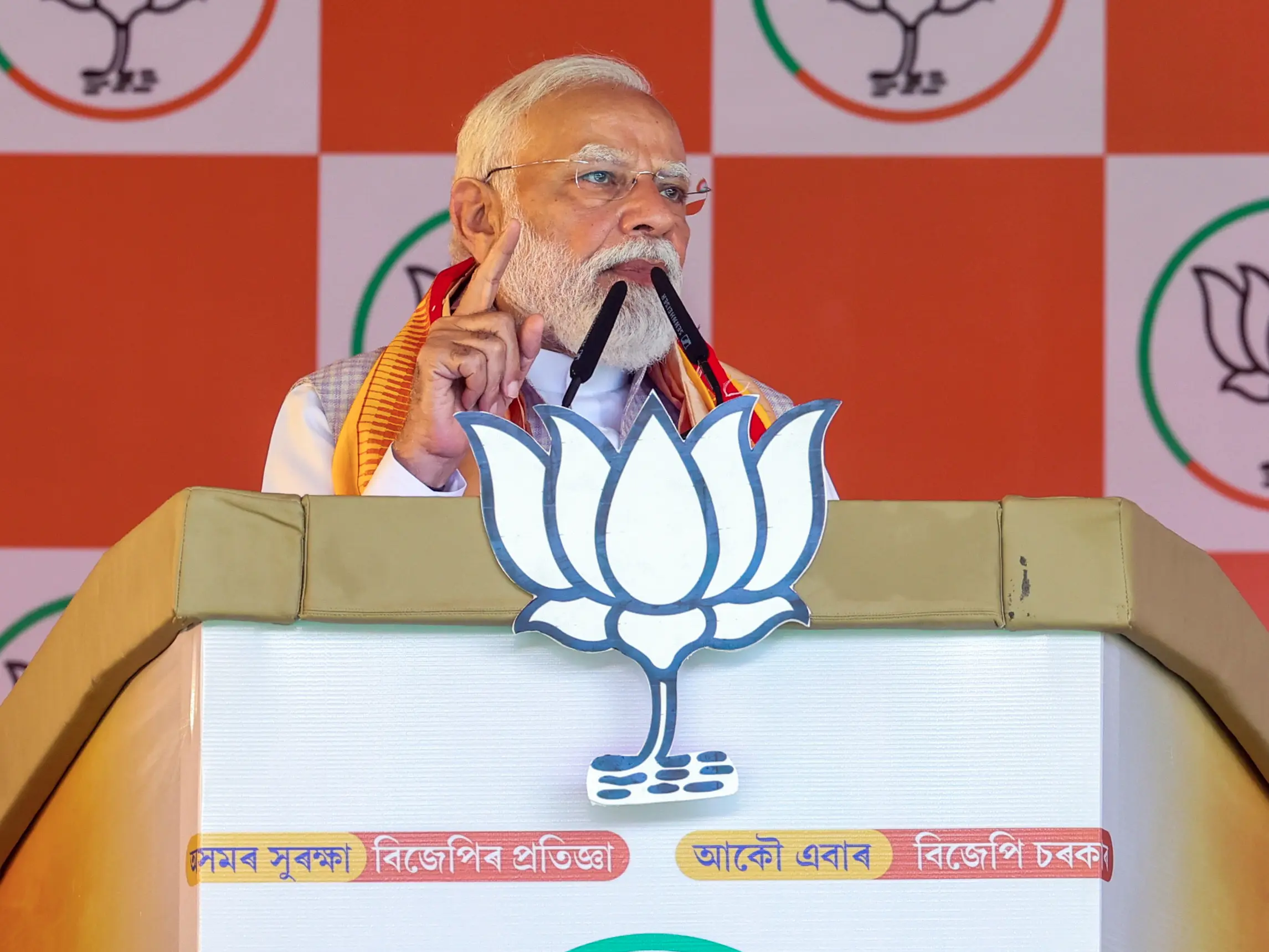
Prime Minister Narendra Modi addresses the public meeting in favour of the BJP candidate Shiladitya Dev ahead of the Assam Legislative Assembly elections 2026 in Hojai on Monday Photograph: (ANI)
The Prime Minister's remarks come as the party continues to expand its political outreach across the country. Modi's mention of the Uniform Civil Code appears to align with the party's wider agenda and election campaigns.
On the occasion of the 46th foundation day of the Bharatiya Janata Party (BJP), Prime Minister Narendra Modi on Monday (April 6) highlighted ongoing efforts to introduce the Uniform Civil Code (UCC) and One Nation One Election, reflecting the party's commitment to national integration and efficient governance.
"Serious discussions are taking place in the country today on topics like Uniform Civil Code and One Nation One Election, reflecting our commitment to national integration and efficient governance. Our goal is to build a developed India, a self-reliant India, and we will continue to work selflessly to achieve this goal," Modi said.
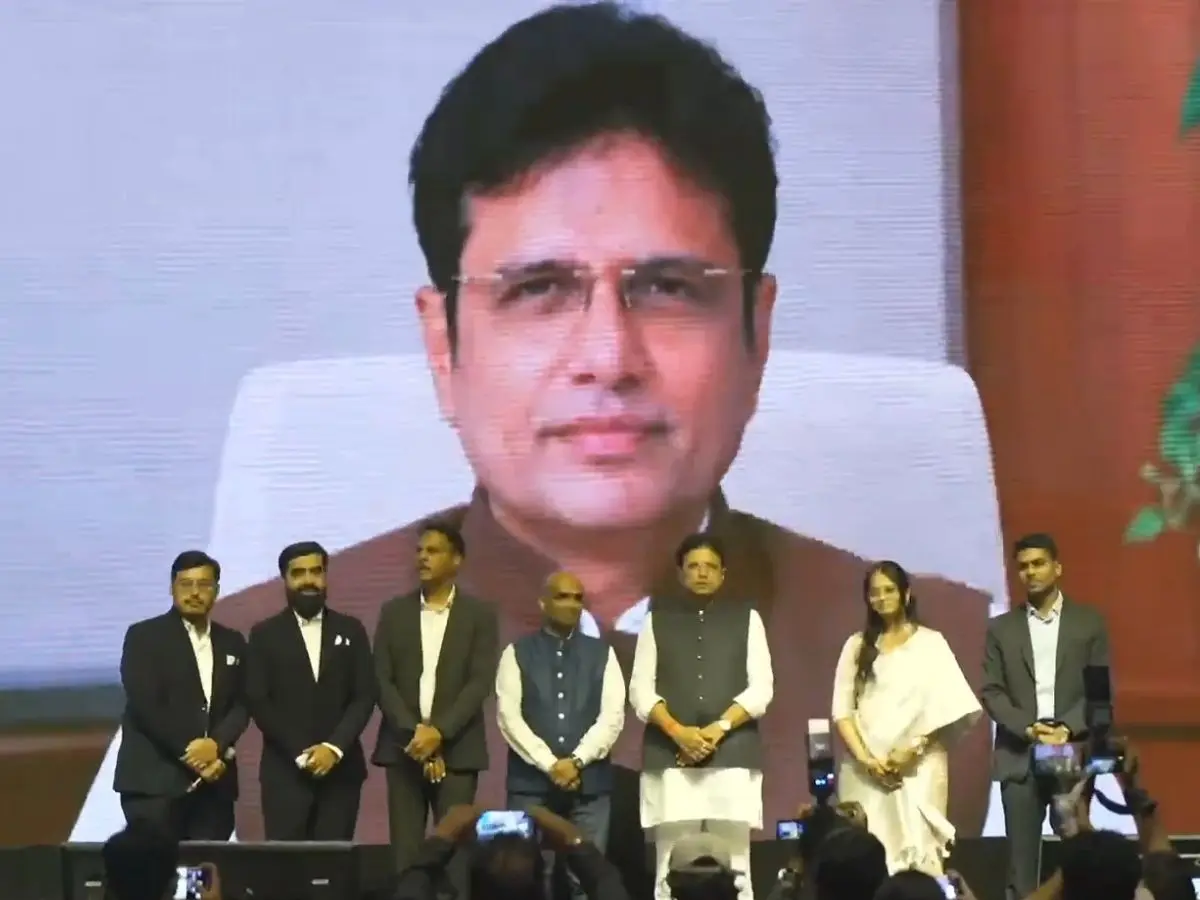
The Prime Minister was addressing party workers via video conferencing on the occasion, underlining a series of reforms and initiatives.
"The end of hundreds of black laws from the British era, the construction of a new Parliament building for democracy, 10 per cent reservation for the Economically Weaker Sections (EWS), a law to ban triple talaq, CAA, the construction of the Ram temple in Ayodhya... these are the results of the BJP's honest efforts. And our mission is still ongoing," he said.
Furthermore, PM Modi asserted that the party has introduced a new principle in Indian politics: "The principle of Nation First." He contrasted the BJP's governance with past Congress regimes, citing the 1984 period when Congress won a record number of seats but, according to him, betrayed public trust.
Trending Stories
&imwidth=280&imheight=210&format=webp&quality=medium)
&im=FitAndFill=(700,400)&imwidth=280&imheight=210&format=webp&quality=medium)
&imwidth=280&imheight=210&format=webp&quality=medium)
&imwidth=280&imheight=210&format=webp&quality=medium)
&imwidth=280&imheight=210&format=webp&quality=medium)
&imwidth=280&imheight=210&format=webp&quality=medium)
&imwidth=280&imheight=210&format=webp&quality=medium)
&imwidth=280&imheight=210&format=webp&quality=medium)
&imwidth=280&imheight=210&format=webp&quality=medium)
&im=FitAndFill=(700,400)&imwidth=280&imheight=210&format=webp&quality=medium)
&imwidth=280&imheight=210&format=webp&quality=medium)
&imwidth=280&imheight=210&format=webp&quality=medium)
&imwidth=280&imheight=210&format=webp&quality=medium)
&im=FitAndFill=(700,400)&imwidth=280&imheight=210&format=webp&quality=medium)
&imwidth=280&imheight=210&format=webp&quality=medium)
&imwidth=280&imheight=210&format=webp&quality=medium)
&imwidth=280&imheight=210&format=webp&quality=medium)
&imwidth=280&imheight=210&format=webp&quality=medium)
&imwidth=280&imheight=210&format=webp&quality=medium)
&imwidth=280&imheight=210&format=webp&quality=medium)
&imwidth=280&imheight=210&format=webp&quality=medium)
&imwidth=280&imheight=210&format=webp&quality=medium)
&im=FitAndFill=(700,400)&imwidth=280&imheight=210&format=webp&quality=medium)
&imwidth=280&imheight=210&format=webp&quality=medium)
&imwidth=280&imheight=210&format=webp&quality=medium)
&imwidth=280&imheight=210&format=webp&quality=medium)
&imwidth=280&imheight=210&format=webp&quality=medium)
&imwidth=280&imheight=210&format=webp&quality=medium)
&imwidth=280&imheight=210&format=webp&quality=medium)
&imwidth=280&imheight=210&format=webp&quality=medium)
&im=FitAndFill=(700,400)&imwidth=280&imheight=210&format=webp&quality=medium)
&imwidth=280&imheight=210&format=webp&quality=medium)
&imwidth=280&imheight=210&format=webp&quality=medium)
"We cannot forget that era of 1984 when Congress gained power, but the people of the country were watching how they were being let down. In such circumstances, the trust of the countrymen in the BJP kept growing, and we slowly started winning elections," PM Modi said.
The Prime Minister's remarks come as the party continues to expand its political outreach across the country. Modi's mention of the Uniform Civil Code appears to align with the party's wider agenda and election campaigns.
The Bharatiya Janata Party traces its origins to the Jana Sangh, which merged with the Janata Party after the Emergency in 1977, intending to defeat the Congress. Later, questions of dual membership arose between RSS members and the Jana Sangh, with a demand that Jana Sangh members either leave the Janata Party or relinquish their RSS membership. The issue led to the Jana Sangh members leaving the Janata Party and officially founding the BJP on April 6, 1980.