Pluralism vs polarisation: BJP's plan to win Gujarat


BJP in Gujarat
Gujarat has always worked for BJP as a laboratory for the unique convergence of neo-liberal policies, Hindutva nationalism and regional sub-nationalism.
Undoubtedly, by not announcing the electoral scheme for Gujarat, Election Commission of India got derailed from its conventional path. Many doubted the fairness of this constitutional body. The reasons were located in the avoidance of model code of conduct that may have come in the way of possible announcements of policy dividends by the Prime Minister Narendra Modi in his address at Gujarat Gaurav Mahasammelan scheduled on 16th October 2017 in Gandhinagar.
But against this proposition, Narendra Modi has relied more on symbolism than substance. There were forms and styles of immediate or non-mediated politics than actual dividends. Also, there was nothing exotic about his recent address in this poll-bound state. We have merely got the sense of his anxiety over the possible waning of his aura and shifting social constituencies from the fold of BJP.

In his address, there were allegations, appeasement, glorification and realisations. The BJP’s anti-Congress position was unduly hyped. Pasts were invoked to demean Congress, particularly in relation to its treatment of Gujarat and Gujarat’s leaders, including Mahatma Gandhi, Sardar Vallabhbhai Patel, Morarji Desai, Madhavsinha Solanki and, finally, Narendra Modi himself. Indeed, there seems to be an emerging realisation of his party’s failure in delivering economic comfort to the people through demonetisation and GST as the complicity of other parties were highlighted in GST’s implementation.
In a more ironic ways, Narendra Modi has revived the memories of 2002 Gujarat riots in a subtle reference to the Congress’ conspiracies to victimise him. BJP was highlighted more as a regional force representing Gujarati pride and Gujarati’s sub-nationalism. Most significantly, OBCs, Dalits, Tribals and farmers were appeased by highlighting their numerical representation in BJP.
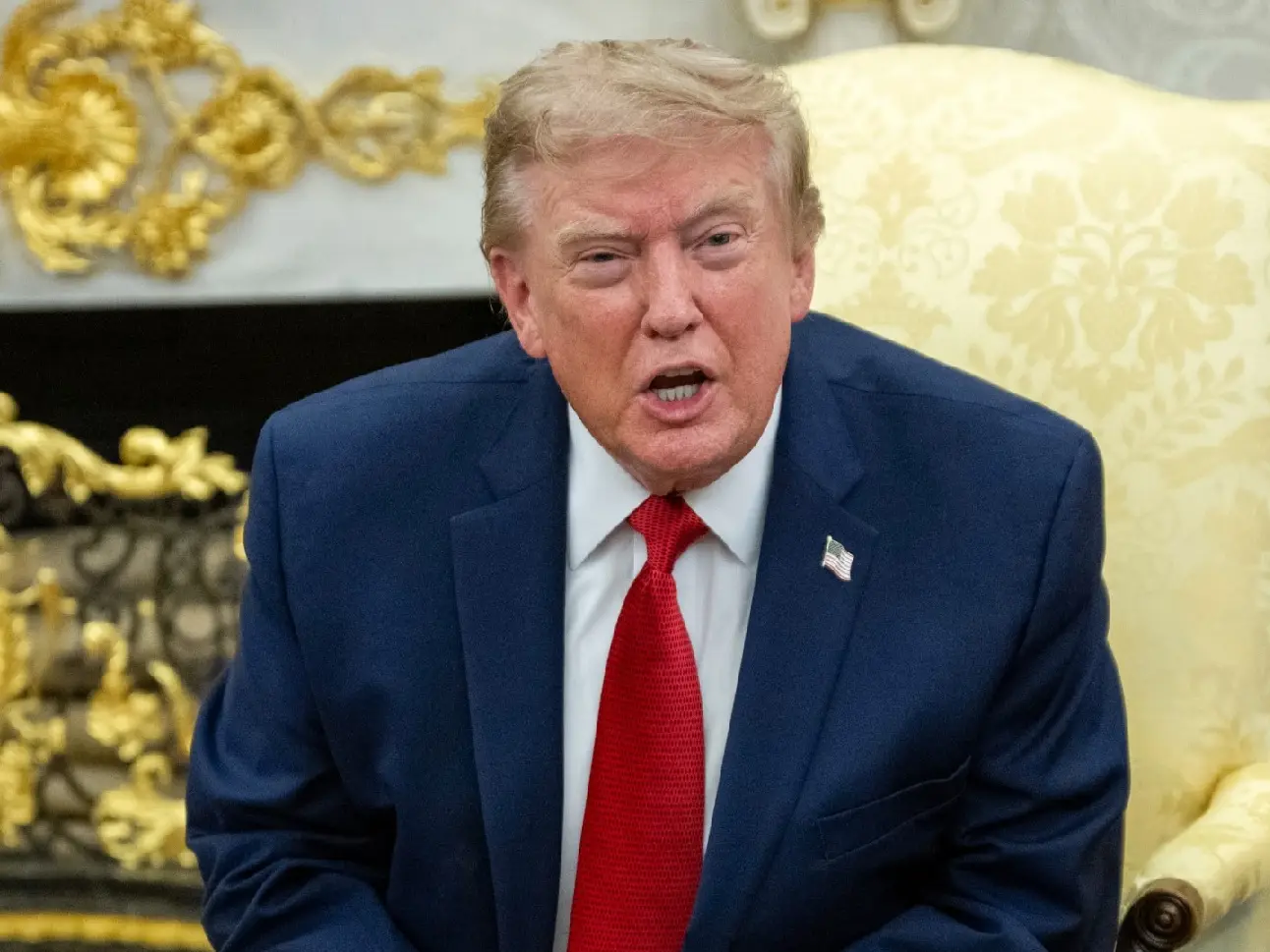)
Trump says Russia has ‘lost control’ of its diesel industry, calls for end to ‘ridiculous, never-ending’ war
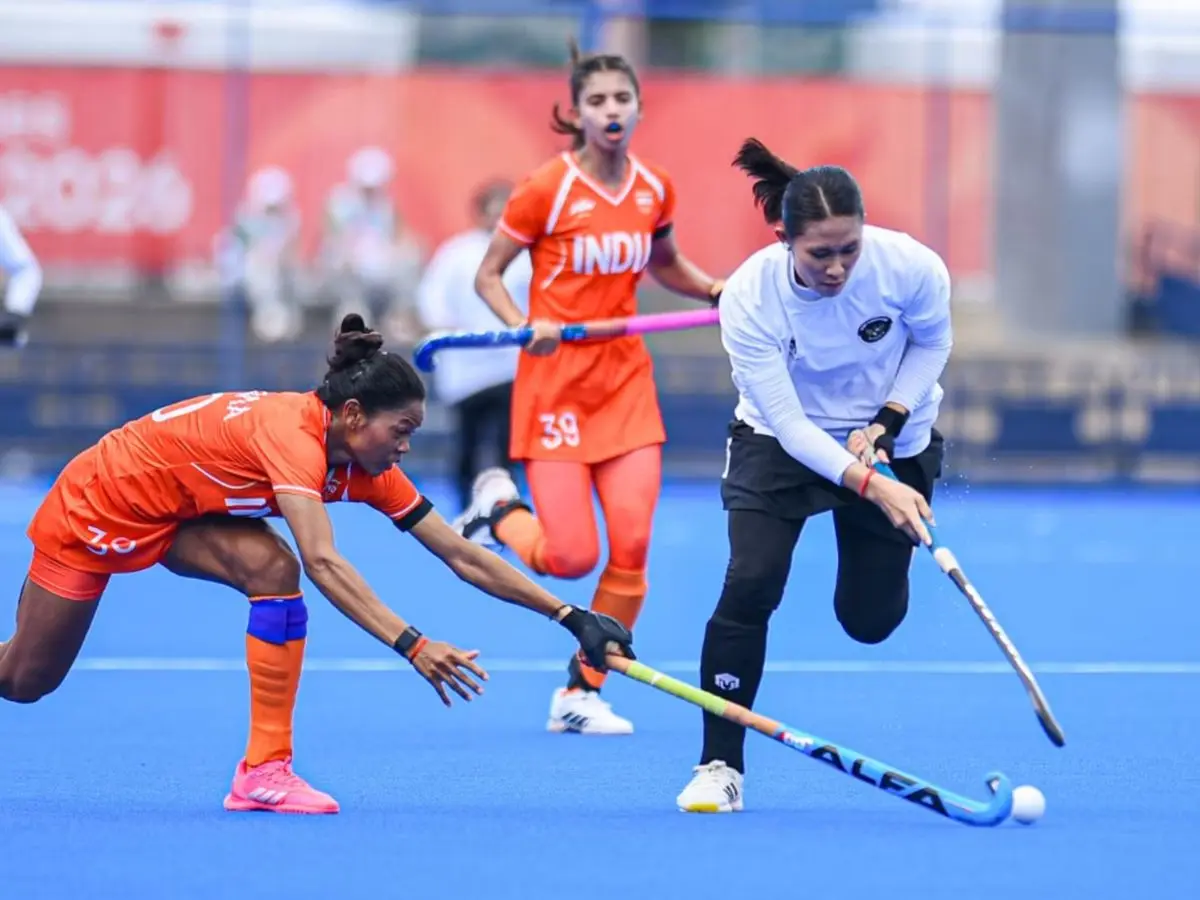)
Asian Games: Indian women's hockey team thrash Indonesia 17-1, blasts 36 goals in 2 matches
)
Putin's United Russia party wins 355 seats in Duma election; 4 other parties cross threshold to enter parliament
)
Delhi Air pollution: Strict crackdown on waste burning
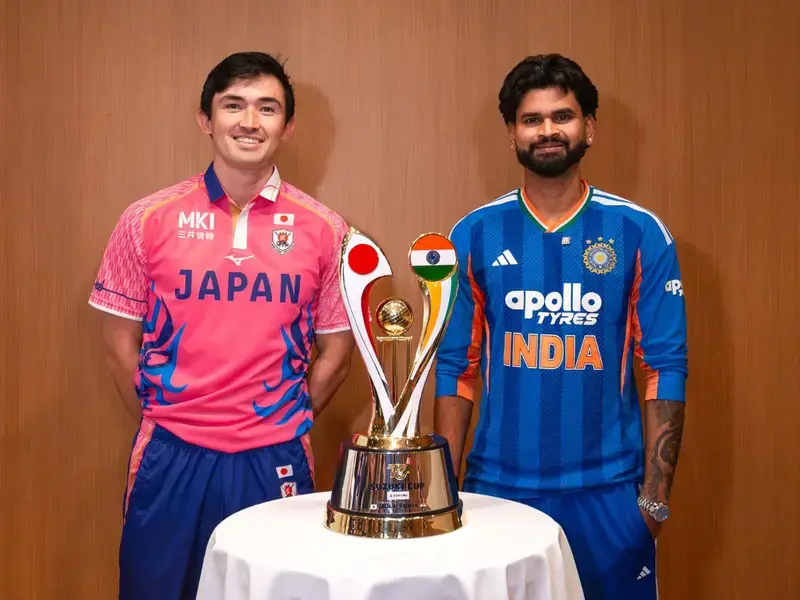)
'I never imagined…': Bihar-born Japan cricketer Abhishek Anand on historic India clash
)
‘0% chance’: Nvidia CEO Jensen Huang dismisses AI extinction fears by 2030
)
Samay Raina-Mukesh Chhabra controversy explained: What happened over girlfriend joke on India's Got Latent?
)
Trump's helipad event overshadowed by audio failure as major TV networks suspend pool coverage
)
Russia-Ukraine war: Russian strikes knock out three of Ukraine's largest steel plants
)
Four decades after leaving Kolkata, the Birlas may be coming back for more
)
Glitch in the matrix caught on camera: Woman vanishes after talking to reporter
)
IIT Bombay tensions ease after three-hour open house; director’s assurances pacify students
)
Samsung raises Galaxy S26 prices by Rs 20,000: Here’s what each model now costs
)
J&K Assembly Session begins amid chaos: BJP, ruling alliance clash as statehood demand dominates
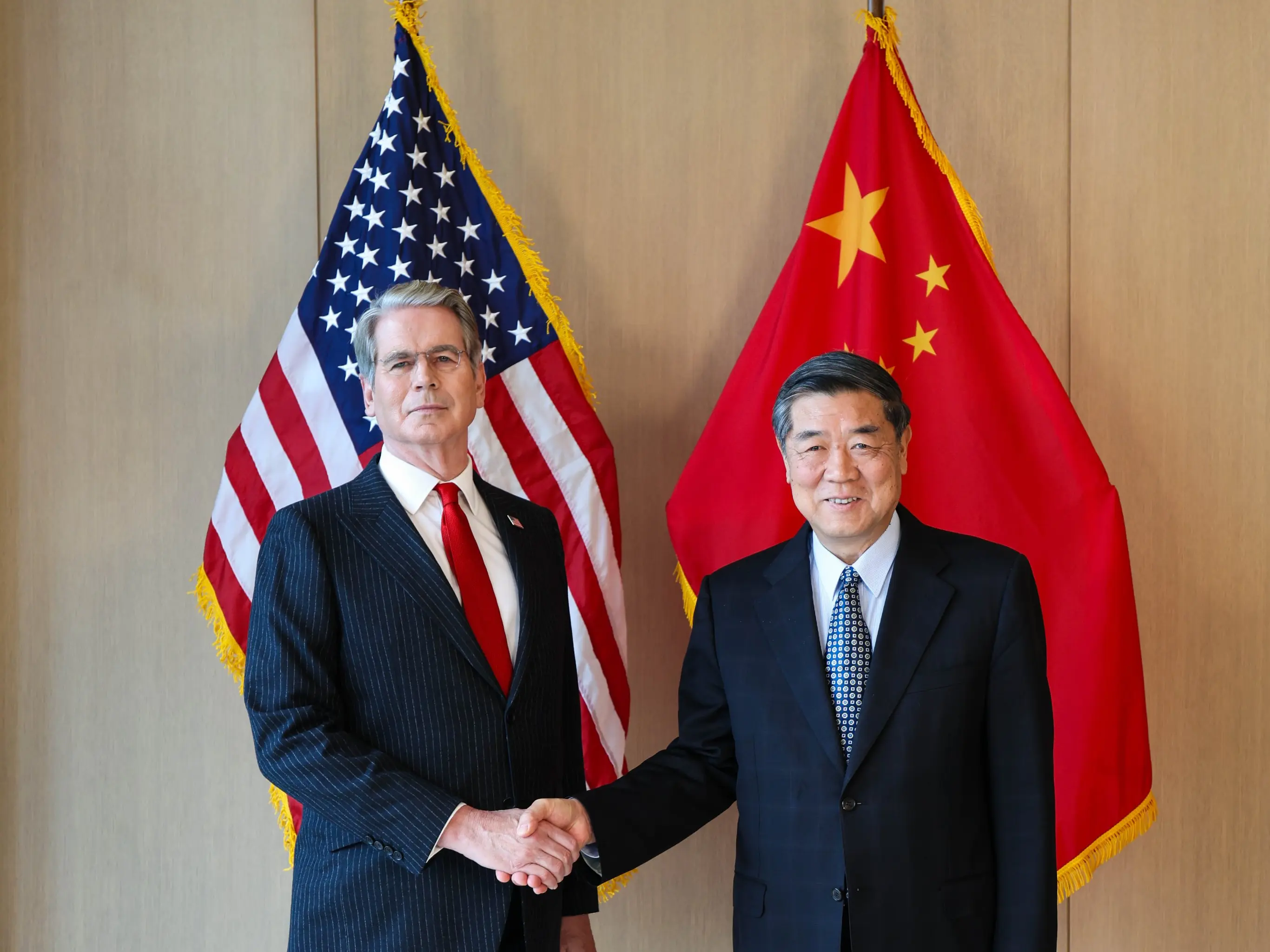)
Bessent meets China’s He Lifeng to prepare for Trump-Xi summit
)
8,000 bees worth over $20,000 stolen from hives in Queensland
)
US and China vie for AI dominance as calls grow for regulation | Gravitas
)
The Verdict | The Mecca Agreement is under scrutiny as Houthis attack Saudis
)
Saudi Arabia exits China-led mBridge digital currency platform amid Saudi-Houthi conflict
)
'Lot of things to learn from experienced players': Jayasuriya backs Rohit, Virat for 2027 ODI World Cup
)
Taylor Swift has a 'proud wife' moment as Travis Kelce scores first touchdown of season: 'That’s my husband!'
)
Chancellor Friedrich Merz vows to stay on as exit polls signal major poll setback
)
North Korea's nuclear tests triggered 1,399 earthquakes: Earth is still shaking | Gravitas
)
Mahabharat actor Saurav Gurjar arrested in Hyderabad, sent to 14-day judicial custody in sexual exploitation case
&im=FitAndFill=(700,400))
New OTT releases this week (September 21-27, 2026): Shaque: Trust No One, Hunkkaar, Don’t Be Shy- 5 new titles coming to Netflix, Prime Video and more
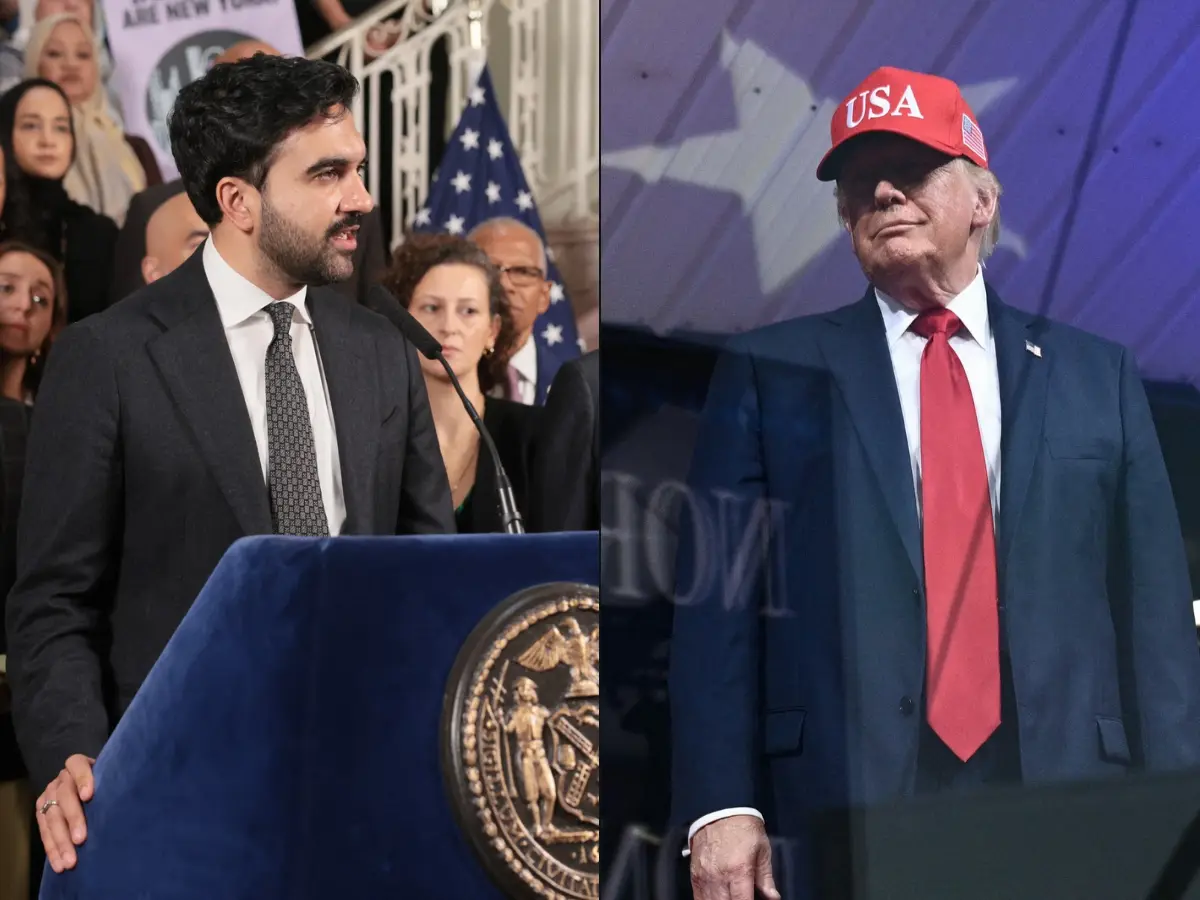)
From ‘communist’ to ‘great mayor’: Trump praises Mamdani after New York meeting, discusses immigration and housing
)
WATCH | Mysterious lights over Tehran caught on video. Drone, aircraft or something else?
)
White House TV pool halts Trump coverage after CNN barred from UNGA events
)
Iranian airlines to shut worldwide on Sept 23, Bessent warns of US banking ban
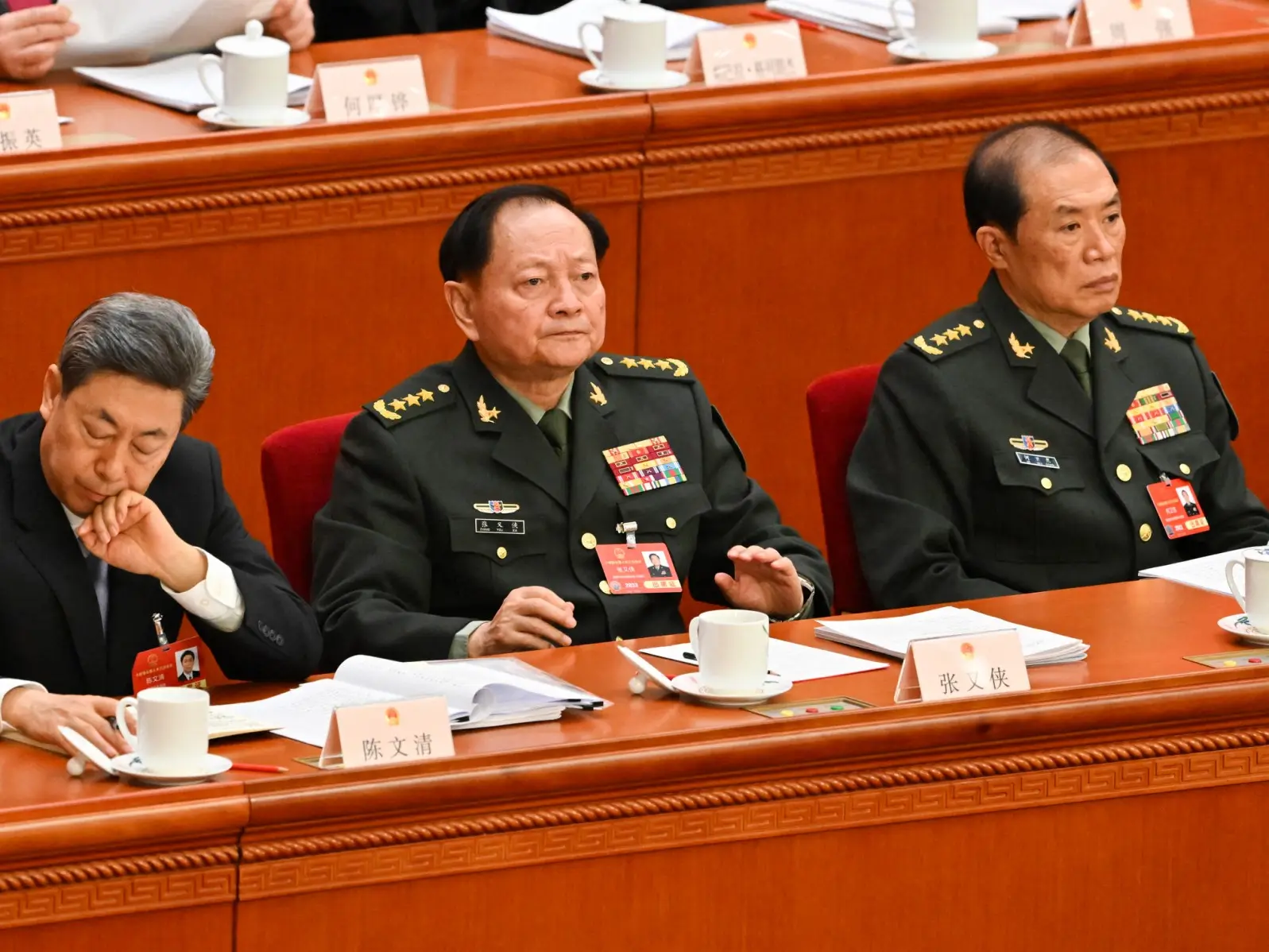)
China expels top generals Zhang Youxia, Liu Zhenli over ‘disloyalty’, corruption
)
Pilot recreates Mona Lisa in sky over Oklahoma and Arkansas in four-hour flight: VIDEO
)
Fitna Al-Khawarij: Decoding biggest security threat to Pakistan | Gravitas
)
Jailer 2: Vidya Balan joins Rajinikanth's upcoming film as Kantha | Watch
)
Microsoft executive called AI training the ‘largest theft of labour in human history’
)
Medieval books contain traces of a 3,700-year-old virus that recently killed 500,000 animals
)
40-foot waves crash into cruise ship in dangerous stretch near Antarctica. Watch
)
Explainer: Why rare-earth export licences and Board of Trade are US priorities ahead of Trump-Xi summit
)
BTS fans mock iHeartRadio’s day 2 turnout after short set controversy
)
The Scandal: Why so scandalous? Ji Chang Wook leaves you gasping for air
Be that as it may, the speech of Narendra Modi lends support to the following emerging realities in Gujarat. First, unlike the assembly elections since the mid-1990s, the 2017 elections for 182 Assembly seats is not a cake walk for BJP. It has become competitive with the refashioning of Rahul Gandhi and the Congress to fight the Gujarat elections on all fronts, including social media.
Second, there is a growing realisation among BJP members about the possible disillusionment of a sizable number of voters with the party’s two-decade-old regime.
Third, the repeated Gujarat model of development is losing appeal among the marginalised sections of Gujarat. Fourth, there is an ‘invisible discontent in making’ over the poorly designed economic policies like GST and demonetisation. In view of these developments, it should perhaps hardly be surprising if BJP loses its substantial assembly seats and vote share in the forthcoming elections.
The 2017 Gujarat Assembly election is different in multiple senses. First, it will act as a prelude to the BJP’s performance in 2019 Lok Sabha elections the way 2012 did for 2014 Lok Sabha. The expansive tide of Narendra Modi’s charisma will receive a severe jolt in 2019 if BJP performs even reasonably poor in the home state of the Prime Minister. It must be noted that Gujarat has always worked for BJP as a laboratory for the unique convergence of neo-liberal policies, Hindutva nationalism and regional sub-nationalism.
Second, in the absence of Narendra Modi as the chief ministerial candidate, 2017 Assembly election is going to be the first election after 2001 when Gujarat will be facing the crisis of a credible chief ministerial face. It is reminding a situation of the 1990s when Gujarat experienced the rotation of chief ministerial candidates due to high factionalism within the party, such as Keshubhai Patel (March 1995 to Oct 1995), Sureshchandra Mehta (Oct 1995 to Sept 1996) and Narendra Modi (2001-14). Similar situations prevailnow when we noticed the rotation of CMs from Anandiben Patel (May 2014-August 2016) to Vijay Rupani (August 2016 to present). Gujarat is missing the management of Modi who became chief minister of Gujarat in 2001 and led the party to election victories in 2002, 2007 and 2012.
Third, there are strong oppositions to BJP from non-Congress forces like Alpesh Thakor (convenor of Kshatriya Thakor Sena), Hardik Patel (convenor of Patidar Anamat Andolan Samiti) and Jignesh Mewani (convenor of Rashtriya Dalit Adhikar Manch). Third, with the exit of Shankarsinh Vaghela, Congress is no more as factionalised as it was in early days. Fourth, BJP is experiencing the loss of morale with the reporting of The Wire on Amit Shah’s son and the entry of Sukhram in the party.
Despite all odds and the changing dynamics of Gujarat, BJP is well placed in the state in the 14th Assembly elections as well. BJP’s performance steadily improved from 27 per cent of the vote in 1990 to 50 per cent in 2002. However, the party registered the marginal decline in terms of vote share from 49 per cent in 2007 to 48 per cent in 2012. It has gained Assembly seats from 121 in 1995 to 117 in 1998 and gained highest ever of 127 in 2002 but again a slight decline took place from 2007 as it got 117 seats and 116 in 2012.
What makes Gujarat a stronghold of BJP over the last two decades? There are many reasons. First, Gujarat has never been the subject of lower caste movements and, thus, no challenge is being offered to BJP from this section of the society. Second, Muslims strategically failed to articulate their political voice. Third, there is a near absence of Adivasi movements or struggles for demanding a share in forest resources and land rights. Fourth, farmer’s movement has already been co-opted by the Bhartiya Kisan Sangh of RSS. Fifth, there is a minimal caste and factional division within the BJP in the state. Sixth, the political mobilisations in Gujarat have always been steered by the higher and dominant castes like Mahagujrat movement for the creation of Gujarat, Nav Nirman movement against corruption, anti-reservation protests, and, finally, Ayodhya movement.
Above all, BJP in Gujarat remained highly cohesive, centralised and ideologically committed and strongly supported by the RSS. It would be difficult to challenge the party’s strong ties to local administrators and network of civil society organisations, including industrial groups, caste associations and religious organisations. BJP is no longer an urban-centric party rather it penetrated heavily in rural areas using RSS’s Bhartiya Kisan Sangh. BJP has made significant gains among two large OBCs, the Kshatriyas and Kolis since 2012. But it remains to be seen whether Hardik Patel’s claim that BJP discriminated against the Patidars become popular election issue or not.
Will BJP be the subject or victim of tribal anger? No ways.
As it appears, Congress will lose significantly the tribal votes as BJP has made a successful dent in the Adivasi areas using its affiliate organisations and their programmes like VHP’s Ekal Vidyalayas, RSS’s Vanvasi Kalyan Ashram as well as policy dividends like Pradhan Mantri Ujjawala Yojna, Pradhan Mantri Awas Yojna and Vanvasi Kalyan Yojna. The service network of RSS is unmatched as the organisation often indulged in relief camps and distribution of food grain, medicines and clothes to tribals.
Whatever may be, in India and particularly Gujarat, the cultural emotions rather reason played a powerful role in directing the voting behaviour of the people. It is because cultural attachments are easily generated and profoundly felt. We have always witnessed the moments when the miseries of poor economics are forgotten while making political choices. It can be seen in the caste and communal prejudices that are endemic in our society as is the narrow forms of nationalism. It is more manifest when elections are due. Certainly, Gujarat is also going to face the old forms of stereotypes and political mobilisation that can lead to seeing the pluralism as evil in a very schizophrenic fashion and polarisation as the only game plan.