Over 4,200 books withdrawn from circulation in J&K colleges, 94% from Kashmir

&imwidth=600&imheight=450&format=webp&quality=medium "Over 4,200 books withdrawn from circulation in J&K colleges, 94% from Kashmir")
The figures do not include books that had already been formally banned Photograph: (X)
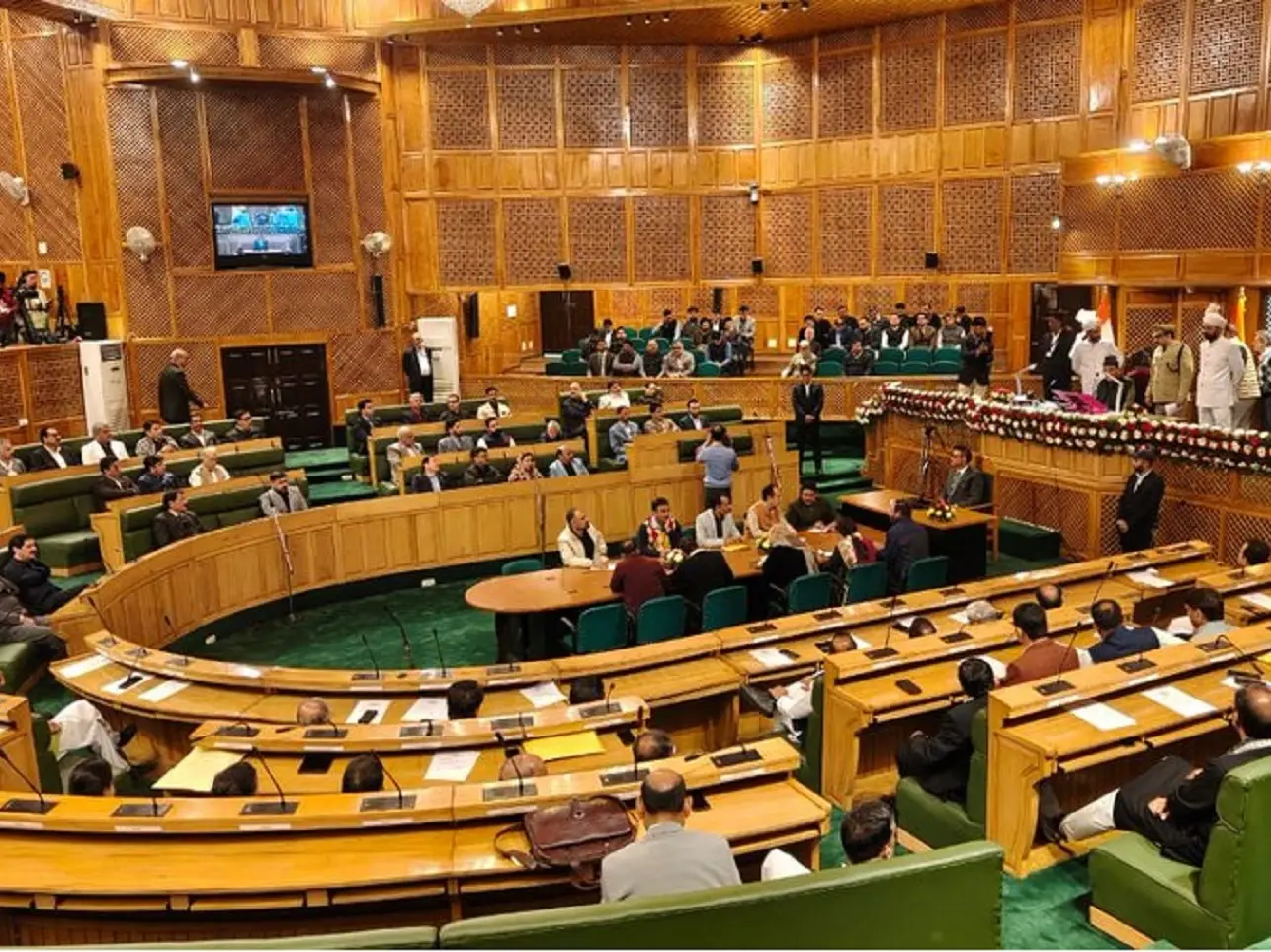
Government figures placed before the Legislative Assembly show that 4,249 books have so far been withdrawn, with the overwhelming majority of 3,996, or nearly 94 per cent coming from institutions in the Kashmir division. In Jammu, 253 books have been withdrawn.
Srinagar: More than four thousand books have been pulled from circulation in colleges and libraries across Jammu and Kashmir as the Higher Education Department continues an extensive exercise to scrutinise reading material in institutions of higher learning.
Government figures placed before the Legislative Assembly show that 4,249 books have so far been withdrawn, with the overwhelming majority of 3,996, or nearly 94 per cent coming from institutions in the Kashmir division. In Jammu, 253 books have been withdrawn.
The figures do not include books that had already been formally banned, making the scale of the ongoing withdrawal exercise distinct from the government's earlier prohibition orders.
Also Read: Trump calls on nations to quit ‘rogue’ and ‘out-of-control’ International Criminal Court, rips UN
The numbers emerge from a much larger process of scrutiny. According to the government, the department has examined 21,81,582 books and publications across the Union Territory so far. Of these, 12,48,641 were examined in Kashmir and 9,32,941 in Jammu.
The government also informed the Assembly that 518 copies of 19 titles formally banned under S.O. 203, dated August 5, 2025, had been removed from circulation.
Trending Stories
)
)
)
)
)
)
)
)
)
&im=FitAndFill=(700,400))
)
)
)
)
)
)
)
)
)
)
)
)
)
)
)
)
)
)
)
&im=FitAndFill=(700,400))
)
)
)
)
)
&im=FitAndFill=(700,400))
)
)
)
The scrutiny process, however, is still underway. The government said the identification and withdrawal of objectionable material was a “laborious exercise” and that the process may take more time.
“The process of scrutiny of objectionable books, material to be withdrawn is under process in the Department as the same is laborious exercise and may take more time,” the government said.
Explaining the rationale behind the exercise, the government said higher educational institutions are centres of learning, research and academic excellence and are expected to promote constitutional values, academic freedom, critical thinking, scientific temper, responsible citizenship, and respect for the sovereignty, unity and integrity of India.
The House was further informed that the Higher Education Department had adopted a “clear and objective criteria” for identifying material considered objectionable and for scrutinising books available in colleges, in accordance with prescribed directions.
The latest figures indicate that the scrutiny and withdrawal exercise has been substantially larger in the Kashmir division, which accounts for 3,996 of the 4,249 withdrawals, or roughly 94 per cent of the total.