‘Our adversary was rattled by Operation Sindoor, targeted civilians in erratic response’: DGMO

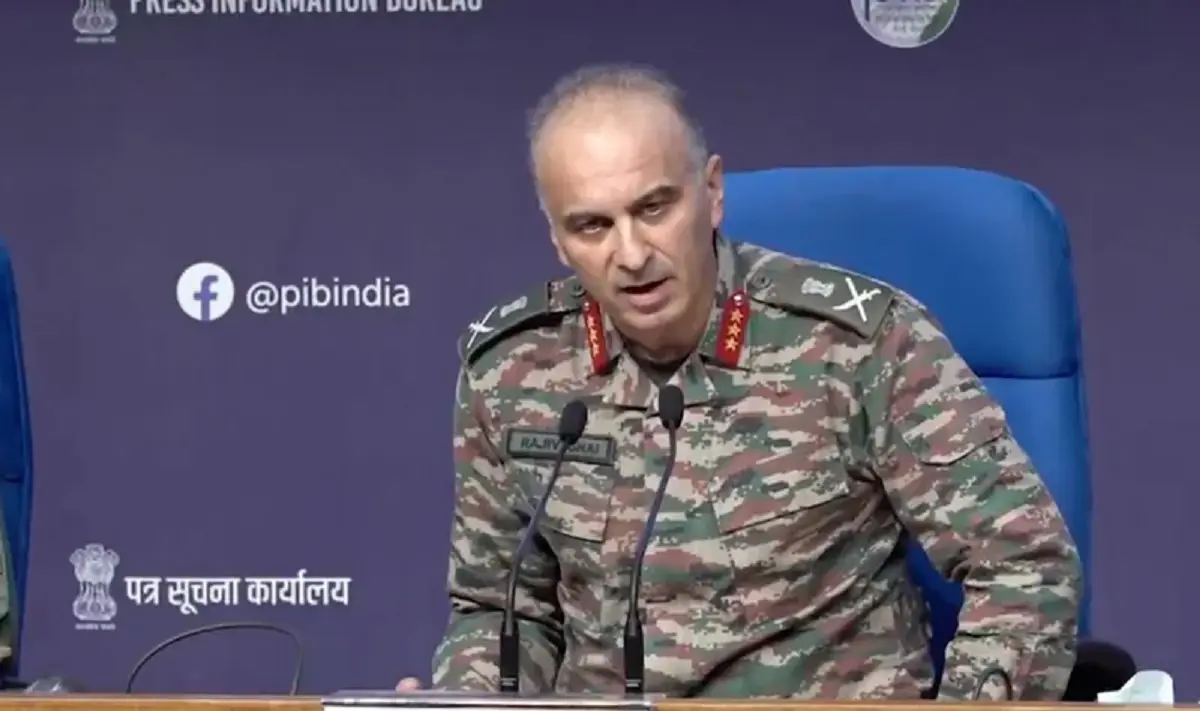
India News | Pakistan: The Indian armed forces said that they possess the capability to target any hostile system and that the recent precision strikes under Operation Sindoor were meant to “instil good wisdom” in adversaries.
The Director General of Military Operations (DGMO), Lieutenant General Rajiv Ghai, shared during a press briefing by the Armed Forces on Sunday that he tried to contact his counterpart in Pakistan soon after the ‘Operation Sindoor’ was launched, but the request was brusquely turned down, with an intimation that a severe response was inevitable and in the offing.
Lt. Gen. Rajiv Ghai said the aim of Operation Sindoor was to punish the perpetrators and planners of terror and to destroy their terror infrastructure.
“Our strikes across those nine terror hubs left more than 100 terrorists killed, including high value targets such as Yusuf Azhar, Abdul Malik Rauf, and Mudasir Ahmed, who were involved in the hijack of IC814 and the Pulwama blast. The erratic and rattled response of our enemy was apparent from the number of civilians, inhabited villages, and religious sites such as gurdwaras that were unfortunately hit by them, leading to a sad loss of civilian lives,” the DGMO added.

Also Read | India-Pak ceasefire | We definitely have downed some of their planes: Air Marshal AK Bharti
“Being well aware and familiar with the congenital and impulsive nature of our adversary, and even though we did attempt to reach out and communicate our compulsions to strike at the heart of terror to my counterpart in the immediate wake of ‘Operation Sindoor’, the request was brusquely turned down, with an intimation that a severe response was inevitable and in the offing.”
Lt Gen Ghai added that the Indian forces were prepared for any retaliation, and soon Pakistan flew drones and aircraft into Indian airspace all across the border and made largely unsuccessful attempts to target military infrastructure while violations on the Line of Control (LoC) also continued.
)
Liam Neeson sparks romance rumours after holding hands with Stella Stocker at TIFF 2026
&im=FitAndFill=(700,400))
Meet top 5 batters fastest to 3000 runs in T20Is
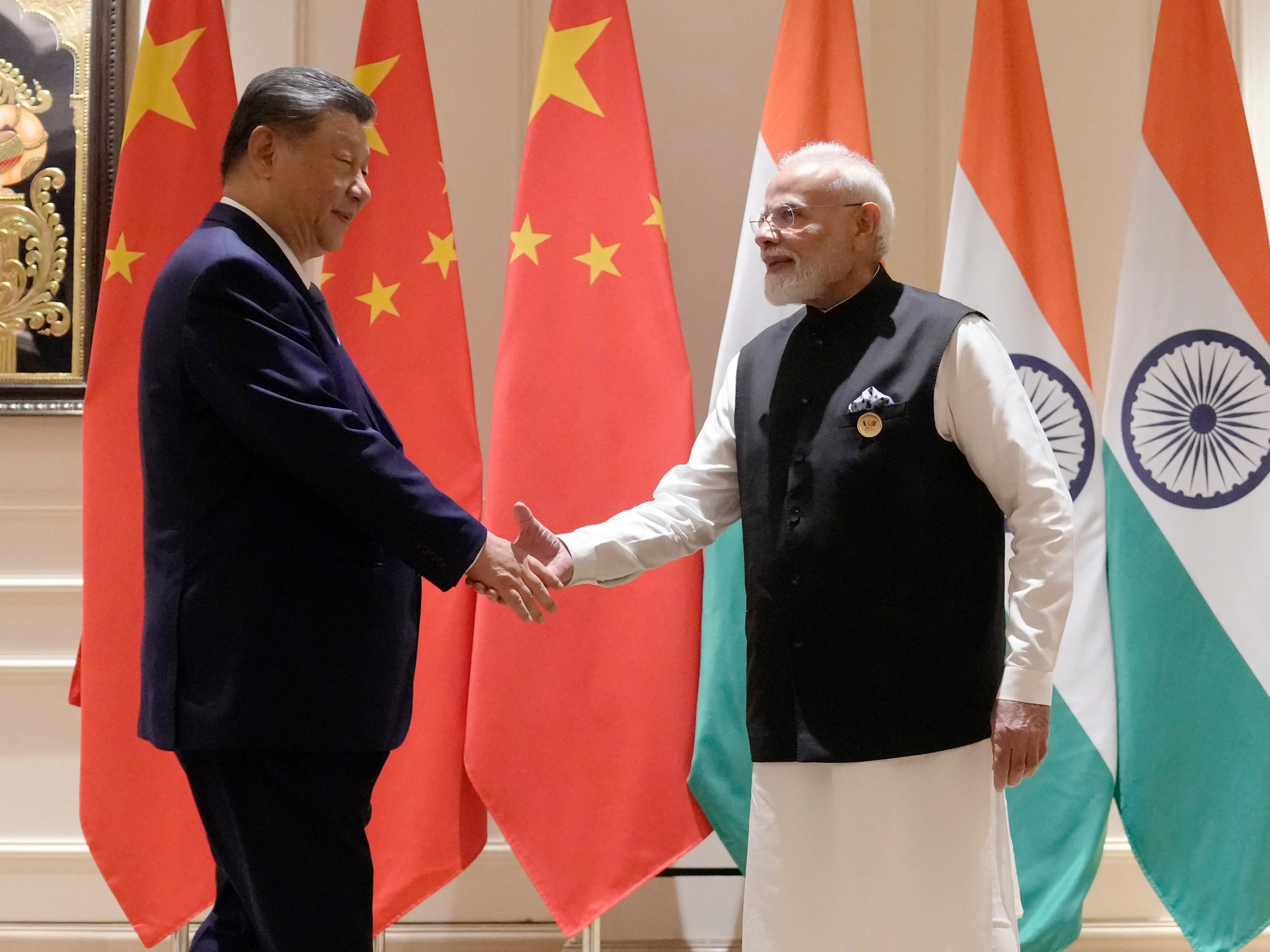)
‘Partners, not rivals’: Xi outlines four point plan for stronger India-China ties
&im=FitAndFill=(700,400))
From Rinku Singh to Mayank Yadav, 5 players dropped from India’s squad for Afghanistan T20Is
)
Delhi’s balancing act: BRICS serves as a stage for West Asia diplomacy
)
Russia proposes to build 360 kmph Ivolga FG trains in India: What happened on sidelines of BRICS
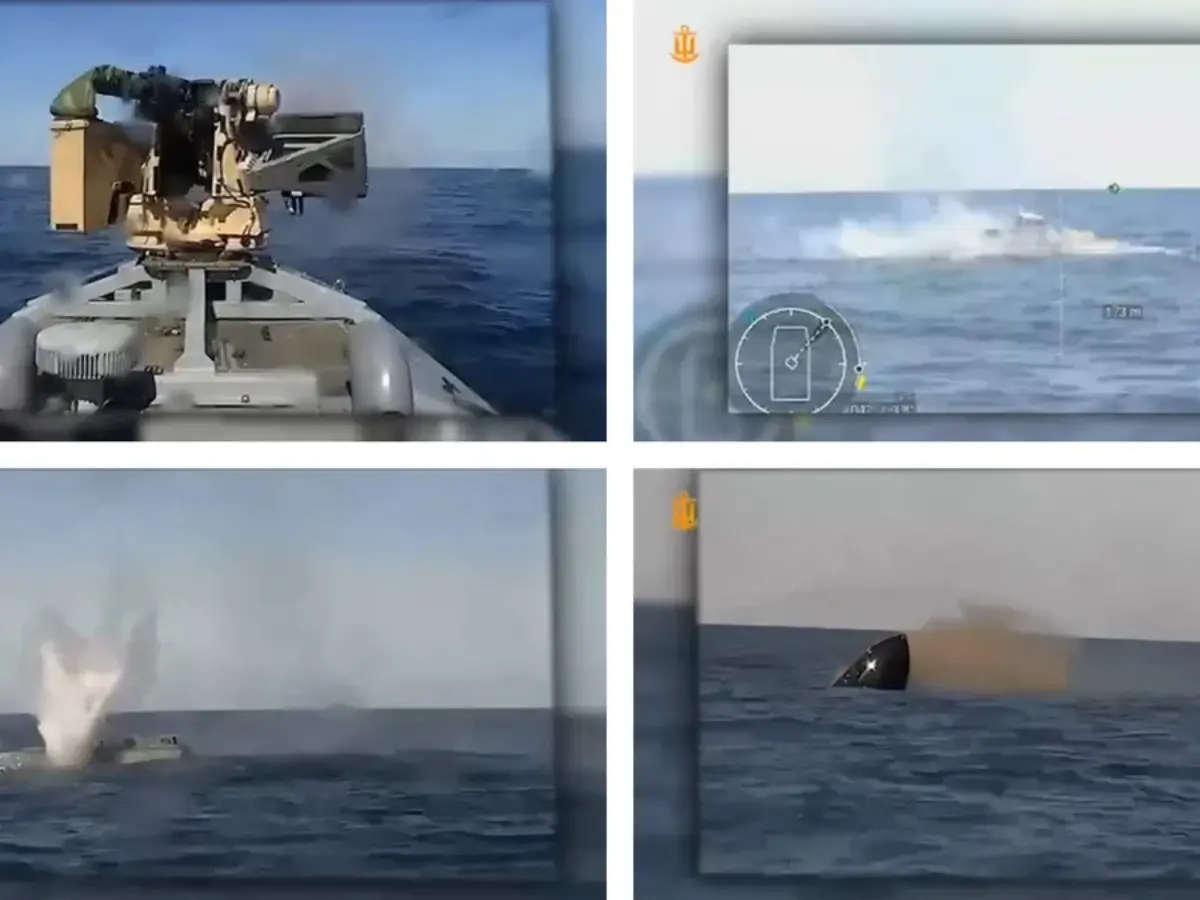)
First naval drone battle? Ukraine says Sargan 3000 sank Russian unmanned boat
)
'He is popular...': Malaysian PM Anwar Ibrahim's praise for PM Modi during bilateral meeting | WATCH
&im=FitAndFill=(700,400))
Why Chinese PL-15 air-to-air missiles use dual-pulse motors compared to European interceptors
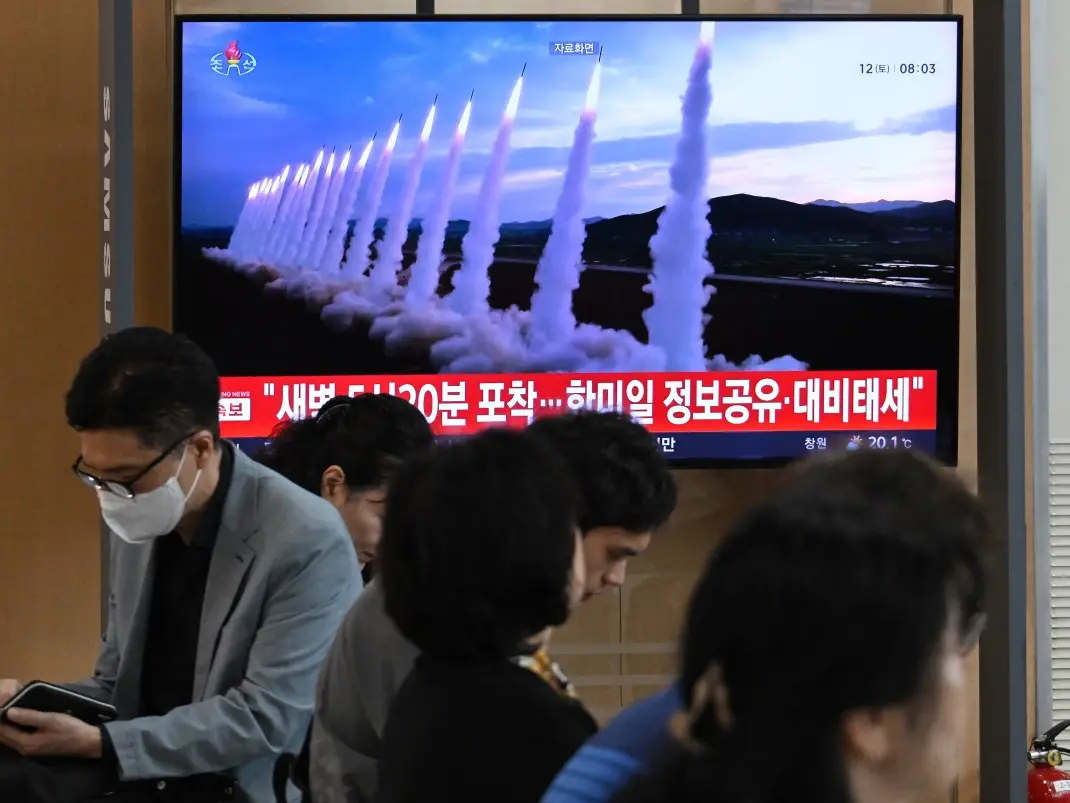)
'Huge destructive power': North Korea calls its latest missile launches 'live-fire drill' even as US dismisses 'immediate threat'
)
BRICS Summit 2026: PM Modi, Xi reach key consensus on ties, China to assume BRICS chairmanship in 2027
)
BRICS Summit: New Delhi declaration adopted with full consensus, big diplomatic win for India
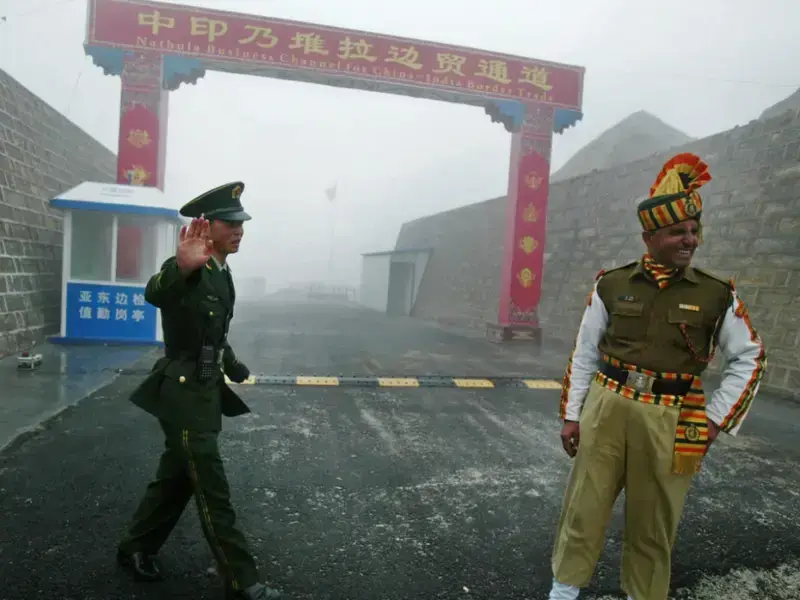)
China thinned Himalayan troop presence in 2025, India defence report says; terms border situation 'stable'
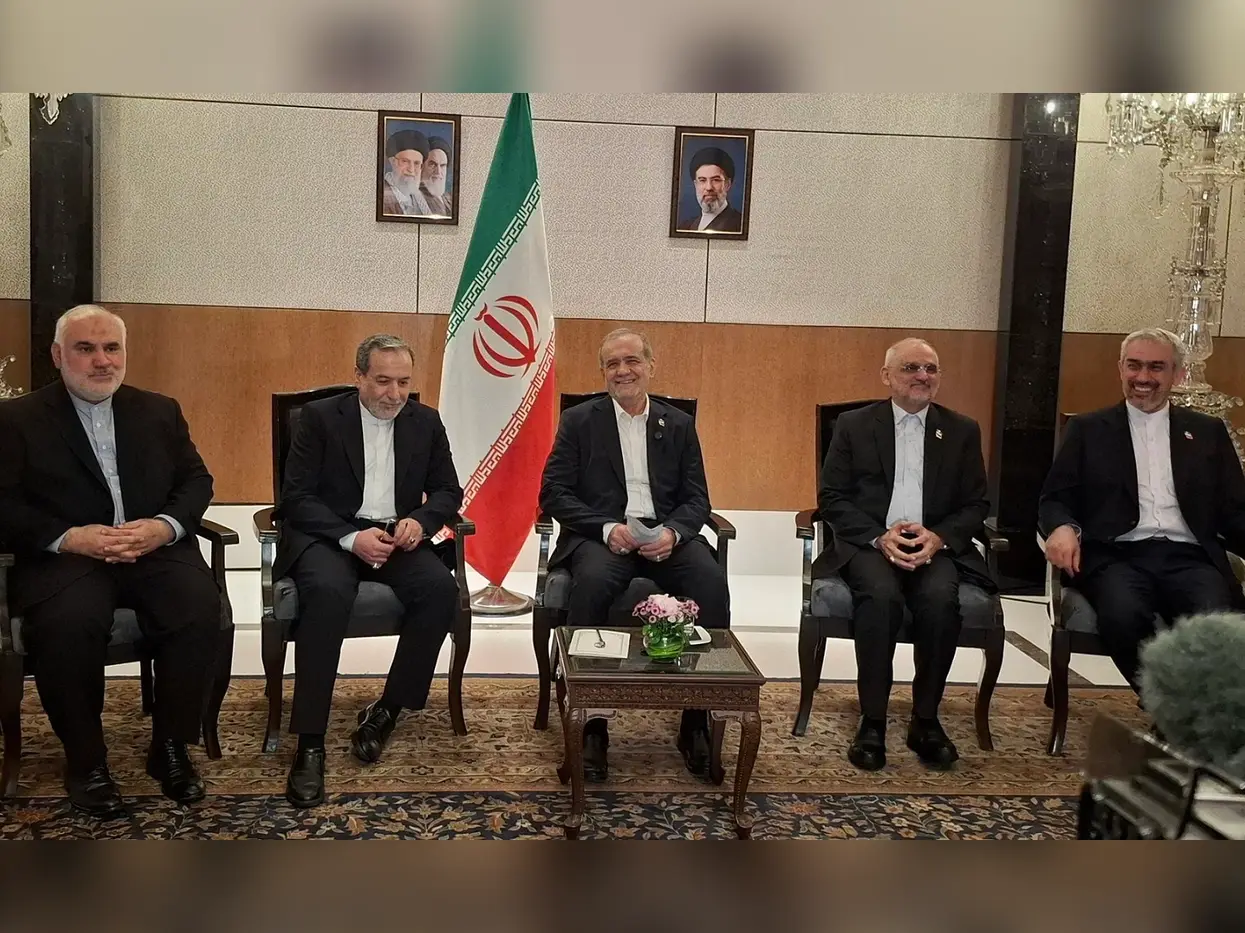)
Iran, India agree to deepen humanitarian and political ties, President Pezeshkian says
)
NATO under Russian threat? Drone strikes just 2 km from Poland, narrow escape for former UK PM, CIA chief
)
‘Want to reset ties with India, have engagement based on mutual interests,’ says Bangladesh minister
&im=FitAndFill=(700,400))
New OTT releases this week (September 14-20, 2026): Lust Stories 3, Waiting Hai, Irumudi- 5 new titles coming on Netflix, Prime Video and more
)
US diplomat accused of possessing child abuse images secretly flown out of UK by US Marines
)
800 million years old - Scientists discover 'fingerprints' of supercontinent Gondwana in ancient rocks
)
Indian importers urge Bangladesh to lift export ban on 'Hilsa' fish ahead of Durga Puja
)
NEET-UG to move to computer-based test soon, NTA DG says ‘CBT is the future’
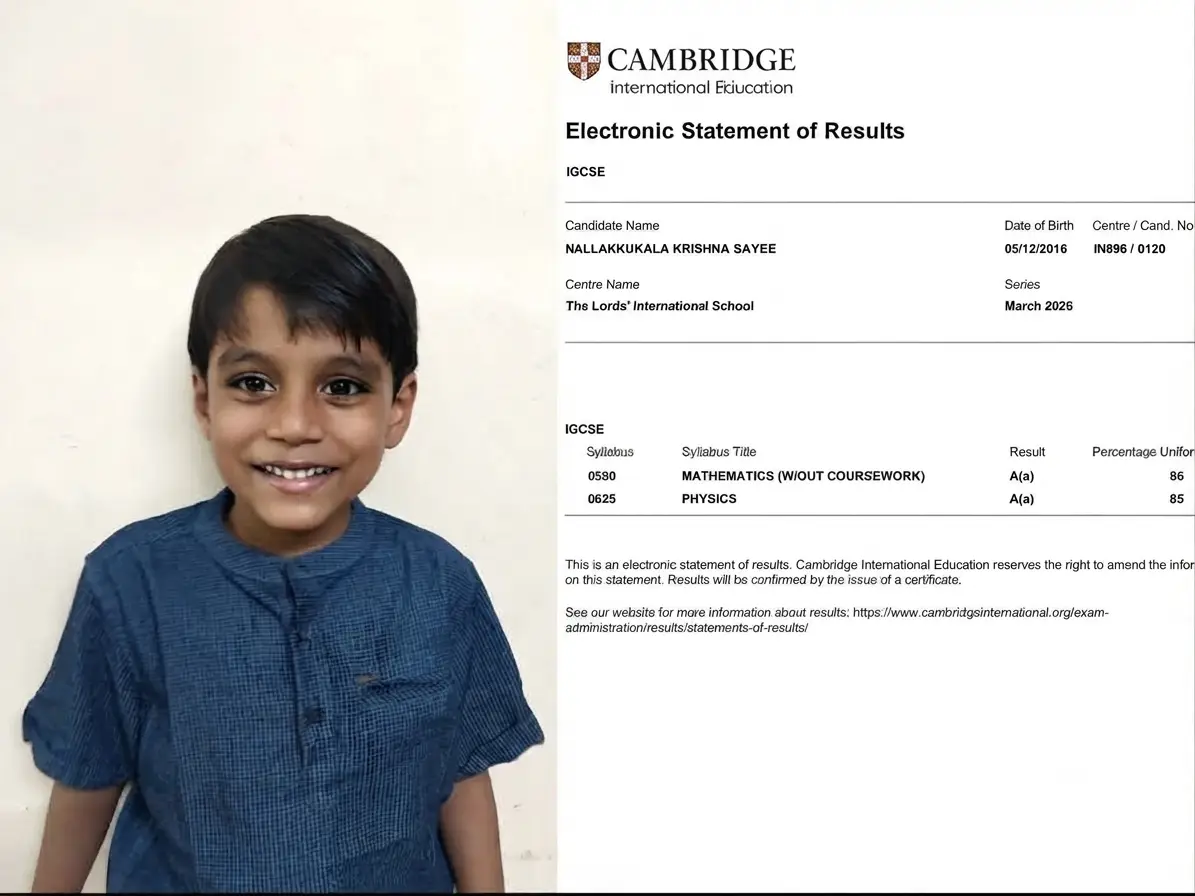)
9-year-old Chennai prodigy clears Cambridge IGCSE grade 10 exams
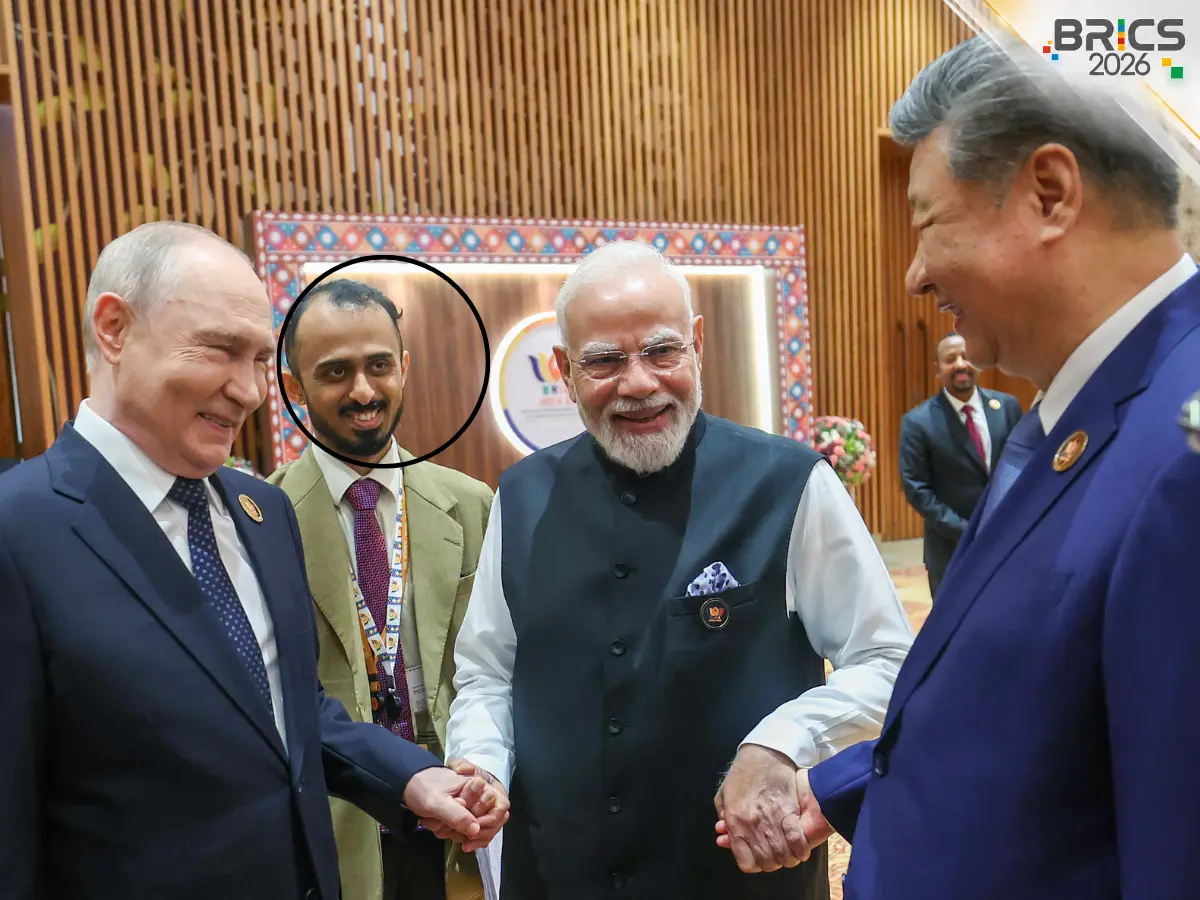)
Who is the smiling man beside Modi, Putin and Xi at BRICS Summit 2026?
)
Humans may lose control of AI: Anthropic CEO calls for slowdown, Altman, Musk back him
)
Baba Vanga's first prophecy for 2027 is out, and straight out of science fiction
)
PM Modi and China's Xi offered to help resolve Russia-Ukraine war: Kremlin
)
Did India risk its US trade deal despite softer stance at BRICS?
)
Russian drone hits Warsaw-bound train near Polish border, Zelensky accuses Moscow of ‘deliberate’ targeting
&im=FitAndFill=(700,400))
Why European Meteor missiles use ramjet engines compared to standard US solid rockets
)
Practical Magic 2 breaks Spidey spell over North American box office
)
Did China give Iran intel before US base strike that killed 3 troops? Trump says, 'You’re right...'
)
Turkish Airlines plane flies through a storm three times, triggering severe turbulence
)
War is making Russia stronger? How Ukraine is shaping Moscow’s next generation of weapons
)
Trump says Canada eager to reach a deal, it could come ‘fairly soon’ if Ottawa treats US farmers better
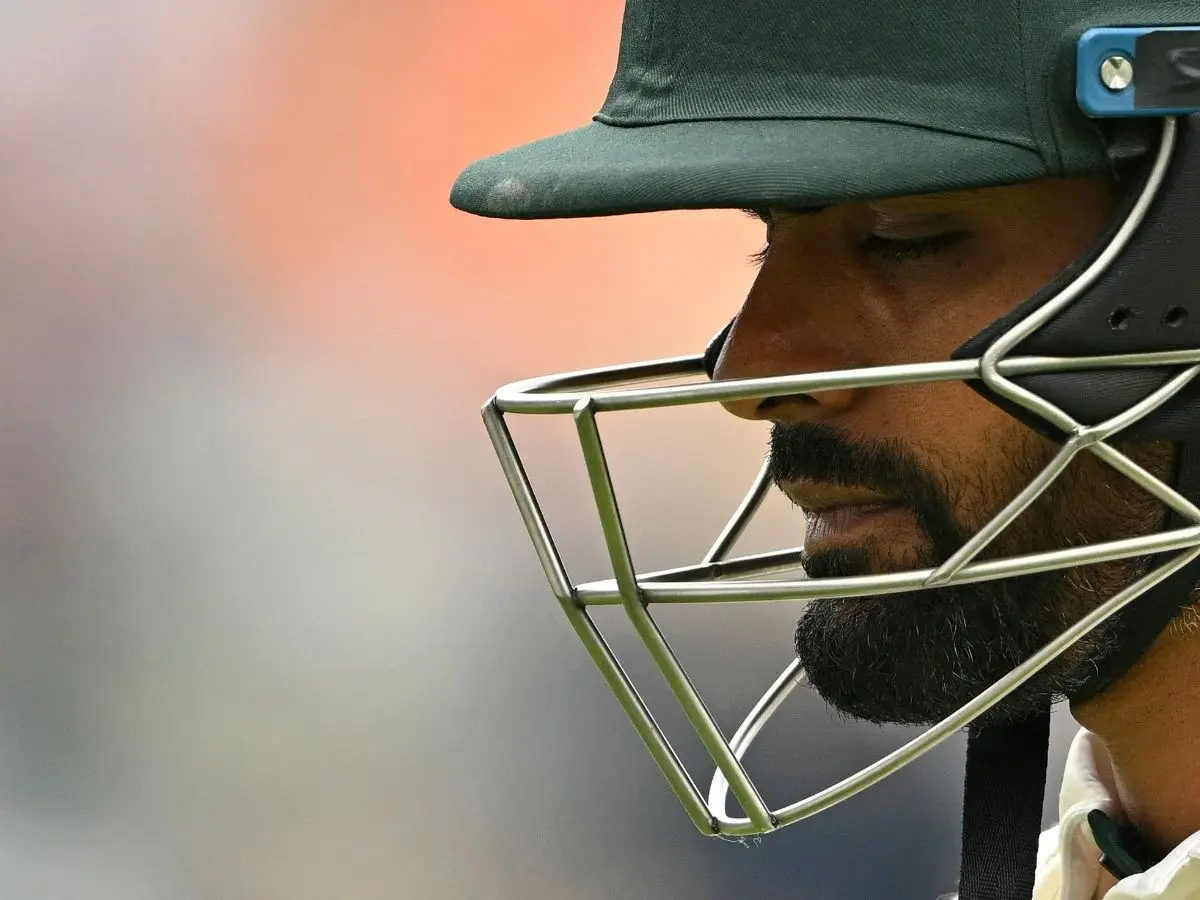)
Akram, Afridi, Mushtaq tear into PCB after Pakistan’s Test series collapse in UK
On the evening of May 7, Indian forces were “swarmed by drones” launched by Pakistan, which were swiftly engaged and destroyed. The nature of the drone activity shifted over time, as more advanced UAVs were used between 7 and 8 pm, while by 8 to 9 pm, quadcopters were deployed primarily for surveillance and to harass civilians.
Air Marshal AK Bharti said that Pakistan launched massive waves of drones, unmanned aerial vehicles (UAVs), and Unmanned Combat Aerial Vehicles (UCAVs) on the intervening night of May 8-9.
“It was a coordinated mass raid conducted in relentless waves. However, due to our robust air defence preparedness, no damage occurred — neither to strategic targets nor to civilian areas,” the Air Marshal said.
There was a concentrated effort by Pakistan to target airfields and logistic installations, which were denied efficiently by our defence.
“On the night of 8th and 9th, starting as early as 22:30 hours, our cities had a mass raid of drones, unmanned aerial vehicles, starting right from Srinagar going right up to Naliya. We were prepared and our air defence preparedness ensured that there was no damage on the ground or to any of the intended targets that the enemy might have planned for,” Air Marshal Bharti said.
Read More |India's BIG decision post Indo-Pak ceasefire: 'Full authority to Army commanders for counteraction' if understanding violated
“While the drone attacks were being launched from somewhere closer to Lahore, the enemy had allowed their civilian aircraft also to continue to fly out of Lahore, not only their own aircraft but also international passenger aircraft, which is quite insensitive, and we had to exercise extreme caution,” he added.
“Following these relentless attacks on our civilian targets, it was time to convey a message hence a decision was taken to strike where it would hurt. We struck their airbases, and military infra,” the Air Marshal said.
The Indian armed forces said that they possess the capability to target any hostile system and that the recent precision strikes under Operation Sindoor were meant to “instil good wisdom” in adversaries.