Opinion: Demolition of Babri Masjid proves idea of India remains contested

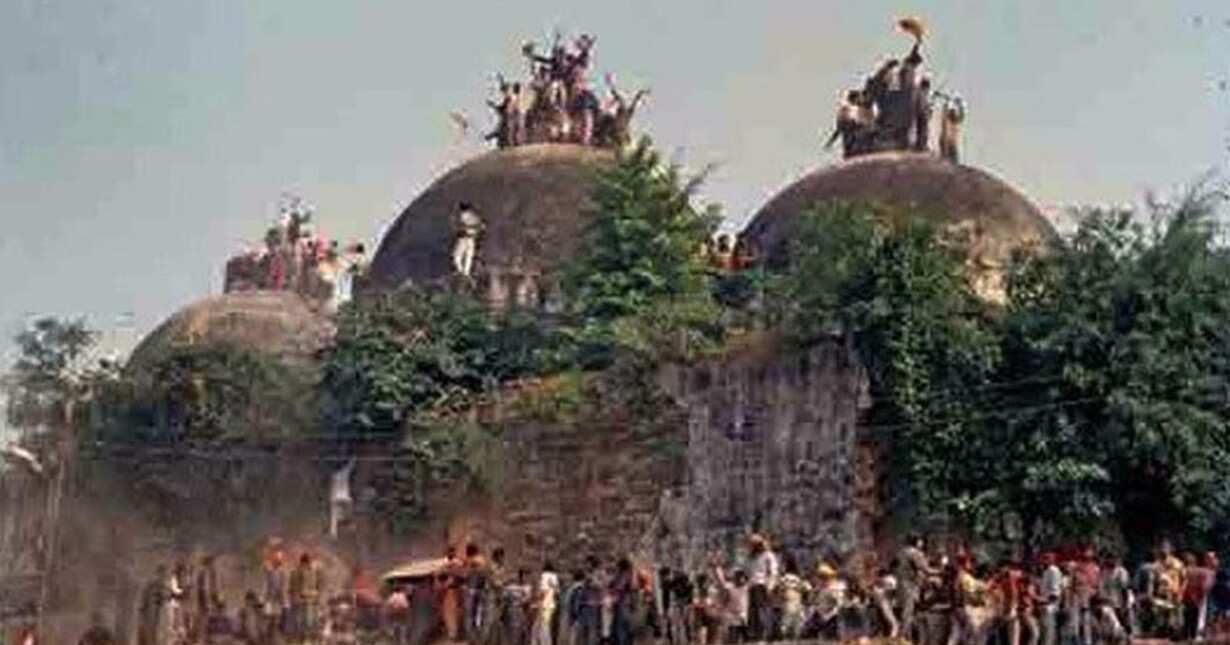
Babri Masjid
Ayodhya is the beginning of a bigger project which blends a crude majoritarianism and nationalism that is always trying to search for the 'other'?to validate itself
The demolition of the Babri Masjid proves that the idea of India remains contested, and that the RSS wants to alter the character of the nation in its own image.
Ayodhya was the first successful experiment whereby Muslim votes became electorally irrelevant as a consolidated Hindu vote propelled the BJP to power under Atal Bihari Vajpayee.
Ayodhya is also a reminder of the fact that accountability in politics is a faraway dream.

As of today, there has been no legal conclusion as how the conspiracy to bring down the disputed structure was hatched.
Ayodhya is also the first case where faith got the better of the constitutional imagination of the country. The violence which broke out 25 years ago challenged, irrevocably, the separation of state and religion. Religion has seeped into the political arena and mainstreamed a style of politics under which Muslims can live side-by-side with Hindus but will be politically disempowered.
Twenty-five years down the line, it has become okay to say the minority vote does not matter. This is not to say the Congress did not pamper minorities politically and created a rift at the grassroots level. In fact, Ayodhya should also be seen in the context of the Shah Bano judgement, and the subsequent intervention by Rajiv Gandhi which sent home the message that the mainstream parties discriminated against Hindus.
)
What’s in a name? Trump’s 'Lake America' move gets a tit-for-tat response from Canada
)
Outrage erupts after 3-year-old is married to 60-year-old man in Pakistan, link to her sister's murder being probed
)
Trump gifts Xi a bald eagle sculpture at White House dinner: Here’s what it symbolises
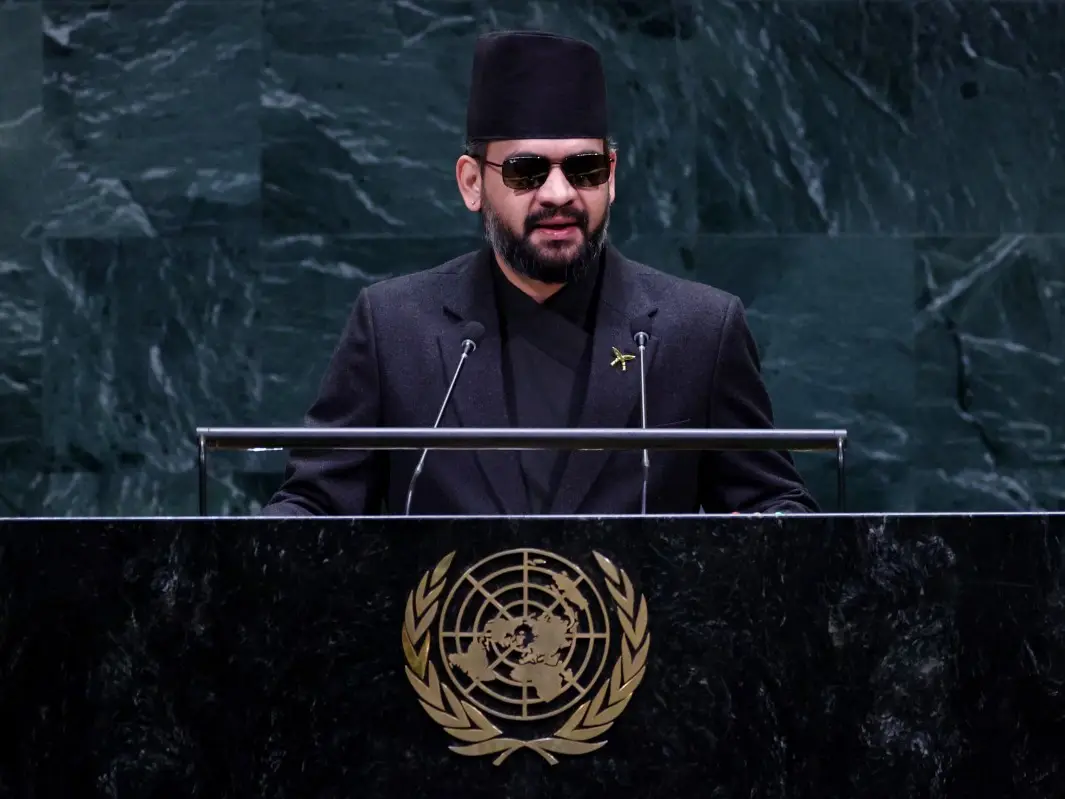)
‘Not just a local tragedy’: Nepal PM Shah warns UN of growing climate threat, says Nepal floods were 'a warning to the world'
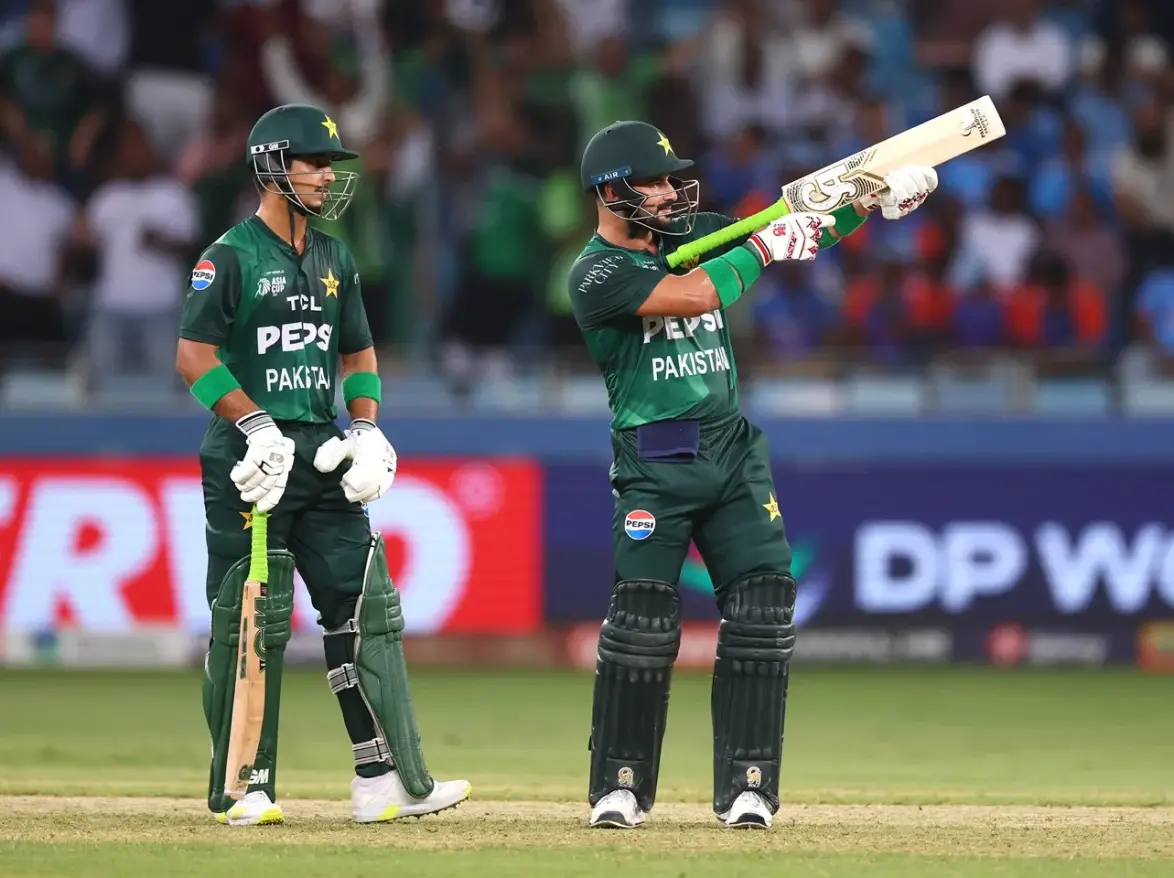)
Farhan, who went viral for AK47 celebration vs India in Asia Cup, hopes to lead Pakistan beyond Asian Games
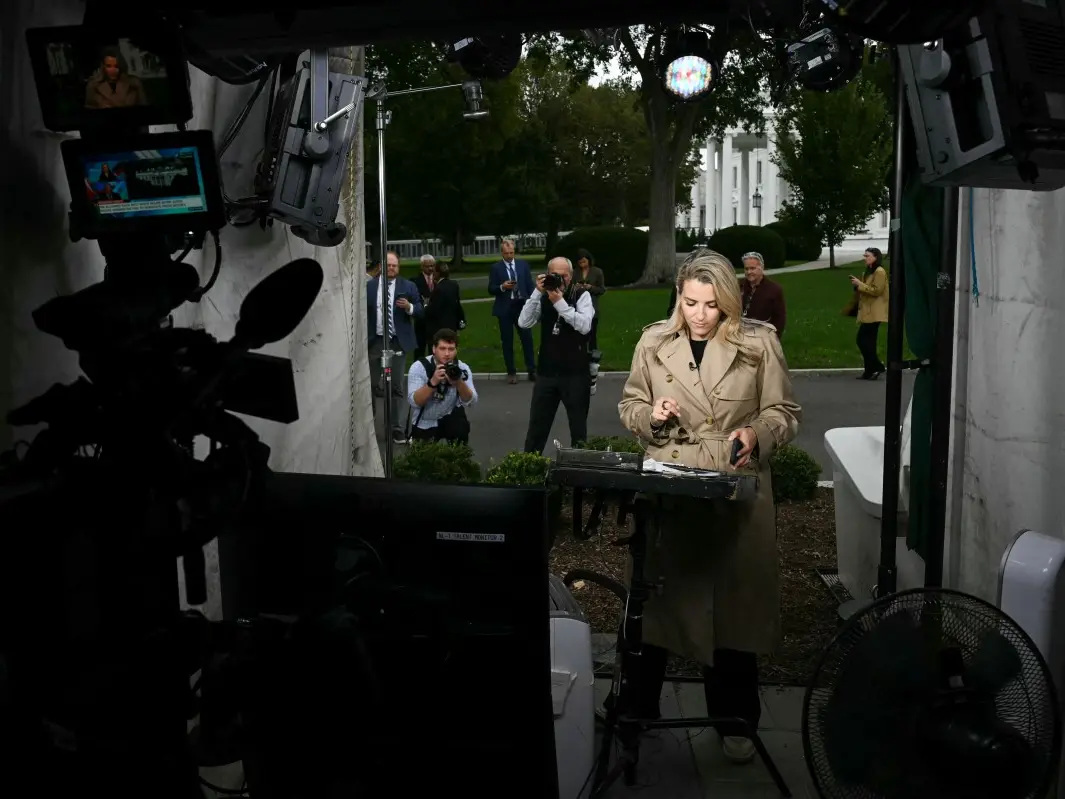)
CNN, Politico and MS NOW back in White House after judge blocks Trump’s media ban
)
India-New Zealand FTA is ‘an expression of trust’, NZ High Commissioner Patrick John Rata says
Don't Be Shy movie review: A frothy coming-of-age tale that is too shy to experiment
)
Park Ji Hyun makes history as first Korean actress nominated for International Emmy
)
Tesla is preparing something big for Optimus: new Gen 3 models surface in app
)
Bias or safety concerns? Bengaluru CEO says firm will not hire men from UP, Bihar, Rajasthan, MP. Here's why
)
Trump's welcome to Xi demonstrates 'attraction' to dictators: Chuck Schumer
)
Nations League: Germany draw on Klopp debut; Portugal, Norway win
)
WION Iconic Tourism Summit 2026: Union Minister Shekhawat on 'experiential travel', peace diplomacy
)
Scientists detect first radio signals directly from faraway planet
)
A seven-day roadmap? Iran proposes plan to end war, reopen Strait of Hormuz and resume nuclear talks
)
The Vvaan Review: This Ekta Kapoor's Tulsi Virani-coded world can't be saved by Sidharth Malhotra and Tamannaah Bhatia
)
China to test supersonic jet that moves at Mach 2, double the speed of sound
)
Xi Jinping's 'special plane' vs Trump's Air Force One: What's the difference?
)
UNGA 2026: Israeli PM attacks Britain, France for past colonialism
)
Ruckus in J&K Assembly over statehood resolution; BJP leaders enter well of house
)
West Indies coach Sammy looking at India series as opportunity to finetune ahead of ODI World Cup 2027 qualifiers
)
‘We’ve never gotten along better’: Trump praises Xi, jokes about White House ballroom at high-stakes state dinner
)
Air India pilot suspended after failing pre-flight alcohol test on Zurich-Delhi route
)
Yemen called Trump for US military support in fight against Houthis: Official
)
Meet Adrian Abraham: 9-year-old Indian-origin guitar prodigy aiming for a Guinness World Record
)
US faces fresh cost crunch as mortgage rates hit 7%, oil tops $107 and gas prices surge
)
'Blockbuster' nor'easter develops an eye similar to hurricanes as warnings are issued
)
WATCH: Pak PM Shehbaz Sharif refuses to answer on Hafeez Sayeed, walks away
)
OpenAI is building AI to fight cyber threats: What GPT-6 Cyber means for security
)
'Making history': Xi Jinping praises Trump as US-China leaders dine at White House
)
'What kind of confession is this?': Pakistan PM Shehbaz Sharif’s 'terrorists would be roaming New York' remark goes viral, raises alarm online. Watch
&im=FitAndFill=(700,400))
Netanyahu at UN: Mass walkout, attack on Mamdani and Iran threats | In Pics
)
'We do not wish to continue. It's America that must choose': Iran president Pezeshkian calls on US to end war
)
Bollywood mourns Mushtaq Khan: Sunny Deol, Rajpal Yadav and others pay tribute
)
Myanmar training camp case: US national, 6 Ukrainians allowed to meet their families abroad
)
'FIRST LOOK from inside Noah’s Ark': Researchers share video from inside mysterious mound in Turkey
)
'Fund people, not bombs': Hundreds take to New York streets as Netanyahu delivers speech at UN; dozens arrested
)
Susan Sarandon and Hannah Einbinder detained by NYPD outside UN Headquarters
)
This was coupled with the Mandal agitation which, in the name of social justice, lifted opportunistic politicians into the chairs of power. It was this tension between Mandal and Kamandal politics that allowed Ayodhya to evolve into a political project.
Ayodhya further changed the character of Hinduism. Ayodhya is an attempt to build the identity of the Indian state around one sampradaya (sect) of Hinduism. Hinduism, unlike other religions, has a plethora of gods. Shakta and Saiva are two of the hundreds of sampradayas which exist in India.
Ayodhya also injected an element of ‘true to faith’ into Hinduism.
Ayodhya is a challenge to Indian multiculturalism which is being belittled in the name of secularism and liberalism. Ayodhya is being used as a cure for casteism on which Hinduism rests. The idea is to dissolve internal deficits by creating a crisis of identity and future. Ayodhya was an attempt to redefine the concept of a nationaround shared religious belief that would take us beyond the caste-based divisions of Hindu society.
The only worry is that 25 years down the line, Ayodhya is not a contested idea anymore. There is a temple in Ayodhya and no sane person will consider removing it. So, the discussion is not about title, culpability, or where a temple should be built. The debate has boiled down to how and when. Through consensus or judicial process?
I don’t call Ayodhya a wound either from the Muslim or the Hindu perspective. It is not an unresolved project. Ayodhya is the beginning of a bigger project which blends a crude majoritarianism and nationalism that is always trying to search for the "other"to validate itself.
The process is helped by the country's undemocratic liberal elites who fail to take into account how modernity is reshaping Hinduism in the country. They failed to see the crassness and corruption of the so-called social justice calls of the caste-based parties that only ended up perpetuating dynasties.
The liberal elites felt that they would be the solution to illiberal and majoritarian politics. That was not to be. In turn, the Sankritisation of OBCs created Hindu mascots out of them, further squeezing out the liberal elites who failed to understand that India had started to consider them as outsiders and the political project of Hinduism is the real thing. Today, Ayodhya is not about the birthplace of Ram, it is about Hindu vanity.
It is about a sense of power. It is about a sense of assertion. It is not about renunciation, which Ram did at the drop of ahat when asked to leave the throne for Bharat. There is no maryada either. AfterallRam has been known as themaryadapurushottam Ram. Maryada was crossed when one political class wanted to bring down the mosque and the other wanted to cooperate so that the problem would get resolved.
The nation cannot retrace its steps. That is not possible, although we are coming close to the horrible and morbid politics of Pakistan which differentiates between its own people.
It is a choice which India will have to make. The truth is that the temple will stand in Ayodhya forever, but the challenge is what we make of it.
Can we come together and pray that similar violence in the name of God never takes place. It will require sanity from both sides. It will require forgiveness from both sides.
(Disclaimer: The author writes here in a personal capacity).