Opinion: Candian PM Trudeau will be in India but 'Khalistani' issue casts a shadow on bilateral ties

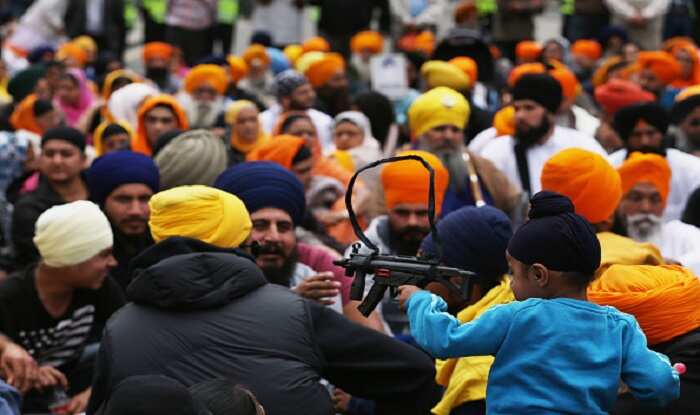
File photo of Khalistan supporters in Canada.
Khalistani elements continue to find a safe haven in Canada, from where they engage in anti-India activities unabashedly.
India and Canada have much in common – democracy, cultural and ethnic diversity, complimentary economies, rule of law and the English language, among other attributes. The large Indian diaspora - affluent, educated and industrious - of over 1.25 million (in a country of merely 35 million people) should have, in the normal course, been instrumental in fostering great bilateral bonhomie. But that was not to be!
There were good reasons why the Indian Prime Ministerial (Narendra Modi) visit to Canada happened after a gap of forty-two years, in April 2015. The first was the sanctions imposed by Ottawa after India’s nuclear test in Pokhran in 1974. That issue was finally put to rest in 2010 with the conclusion of a bilateral civil nuclear cooperation agreement. A conservative government led by Stephen Harper was then in power.
The second is the ‘Khalistani’ issue, which continues to bedevil the ties. Khalistani elements continue to find a safe haven in Canada, from where they engage in anti-India activities unabashedly. Incidentally, the Kanishka bombing in 1985 is still vivid in public memories. Thanks to vote bank politics, Canadian politicians have few qualms about showing up at events, which eulogise Khalistani terrorists. Indian protestations, over the decades, at all levels, have had little impact.

Indians, 95 per cent of whom were Sikhs from rural Punjab, started trickling-into Vancouver, Canada in the late 19th century. They took up blue collar jobs in the lumber industry or farms. Canadian preference for highly skilled people, from the 1960s onwards, spurred Indians from across the nation to migrate.
All the same, the Sikhs moved to Canada in numbers, some feigning political persecution in India, during the late 70s and early 80s, coinciding with the rule of Liberal Prime Minister Pierre Trudeau. Gradually, they developed dense pockets in Vancouver (Surrey and Abbotsford) and Toronto (Mississauga and Brampton). Consequently, they could tilt the electoral balance, in 4 to 6 federal parliamentary constituencies (called ridings in Canada). And, therein, lies the rub.
The Sikhs comprise about 40 per cent of the Indian diaspora, around 350,000 of who are eligible to vote. This constitutes a significant number in Canadian politics, as the ridings are small in size. The community, generally, favours the Liberal party and, hence, is actively wooed. Non-Sikhs, on the other hand, are more widely dispersed, are not so politically active or willing to loosen their purse strings, vote on merit and are inclined more towards the Conservatives.
)
'Lot of things to learn from experienced players': Jayasuriya backs Rohit, Virat for 2027 ODI World Cup
&im=FitAndFill=(700,400))
Kareena Kapoor birthday special: Inside her net worth, best movies, luxurious lifestyle and love story with Saif Ali Khan
)
Trump says he'll build an 'AI Force' and appoint a czar, for 'high IQ' people only
)
Punjab man consumes poison outside DC office; Congress, BJP target AAP government
)
SNL UK takes aim at Ed Sheeran with AI Princess Diana sketch
)
Iran sets 7 conditions to end war with US: What are Tehran’s demands?
)
AI actress Tilly Norwood glitches mid-interview, switches from English to Chinese | Watch
)
Mahabharat actor Saurav Gurjar arrested in Hyderabad, sent to 14-day judicial custody in sexual exploitation case
)
Chancellor Friedrich Merz vows to stay on as exit polls signal major poll setback
)
J&K Assembly Session begins amid chaos: BJP, ruling alliance clash as statehood demand dominates
)
Taylor Swift has a 'proud wife' moment as Travis Kelce scores first touchdown of season: 'That’s my husband!'
)
'Were you here to sell chickpeas?': Wasim Akram criticises Babar Azam's captaincy
&im=FitAndFill=(700,400))
New OTT releases this week (September 21-27, 2026): Shaque: Trust No One, Hunkkaar, Don’t Be Shy- 5 new titles coming to Netflix, Prime Video and more
)
Noel Tata challenges Chandrasekaran’s reappointment as Tata Sons chairman. What happened at the board meeting
)
Italy moves to ban face veils in schools as Meloni pushes new integration measures
)
TIFF 2026: Theja Rio’s Angh wins Platform Prize, puts Nagaland story on global stage
)
Delhi: Flagged voters remain on the draft roll but face hearings
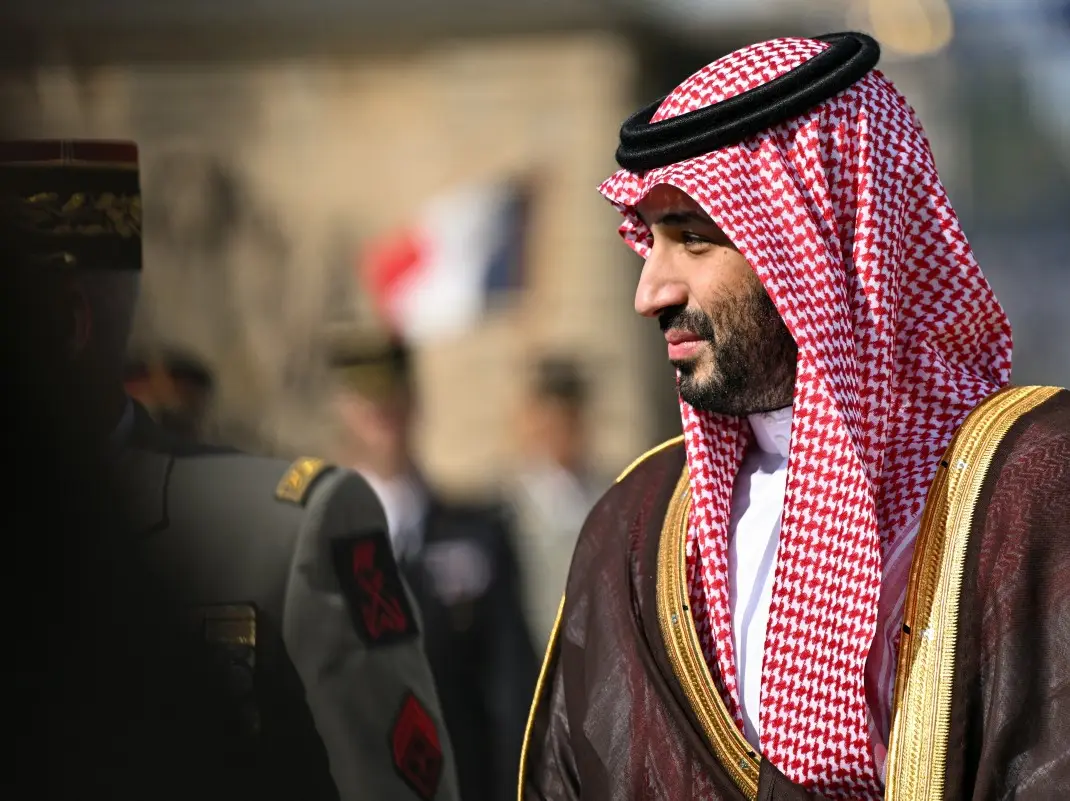)
Saudi Arabia exits China-led mBridge digital currency platform amid Saudi-Houthi conflict
)
40-foot waves crash into cruise ship in dangerous stretch near Antarctica. Watch
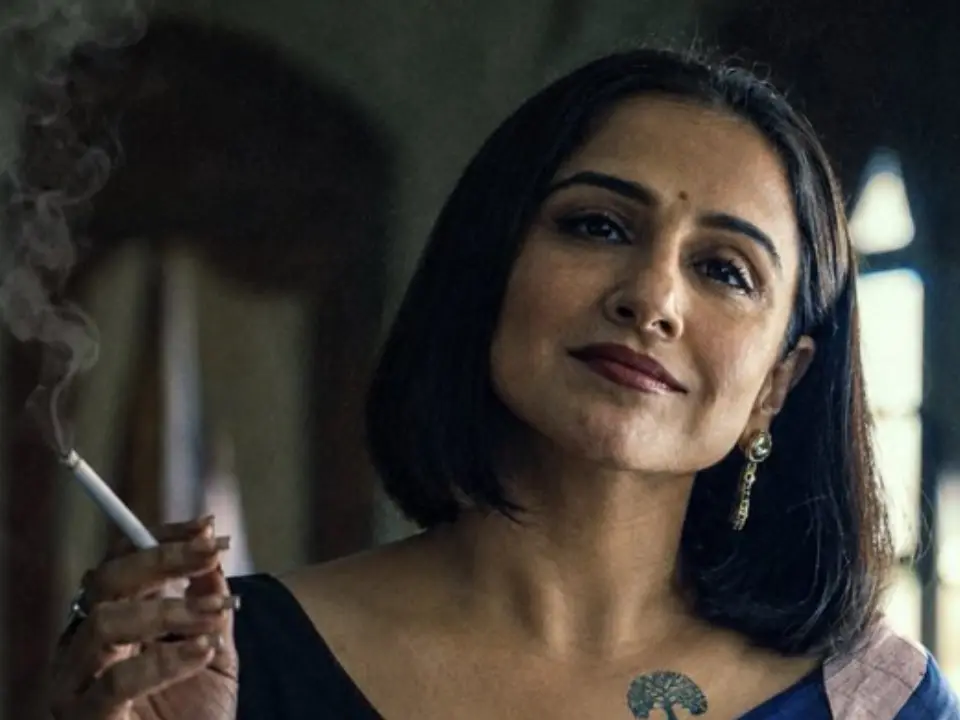)
Jailer 2: Vidya Balan joins Rajinikanth's upcoming film as Kantha | Watch
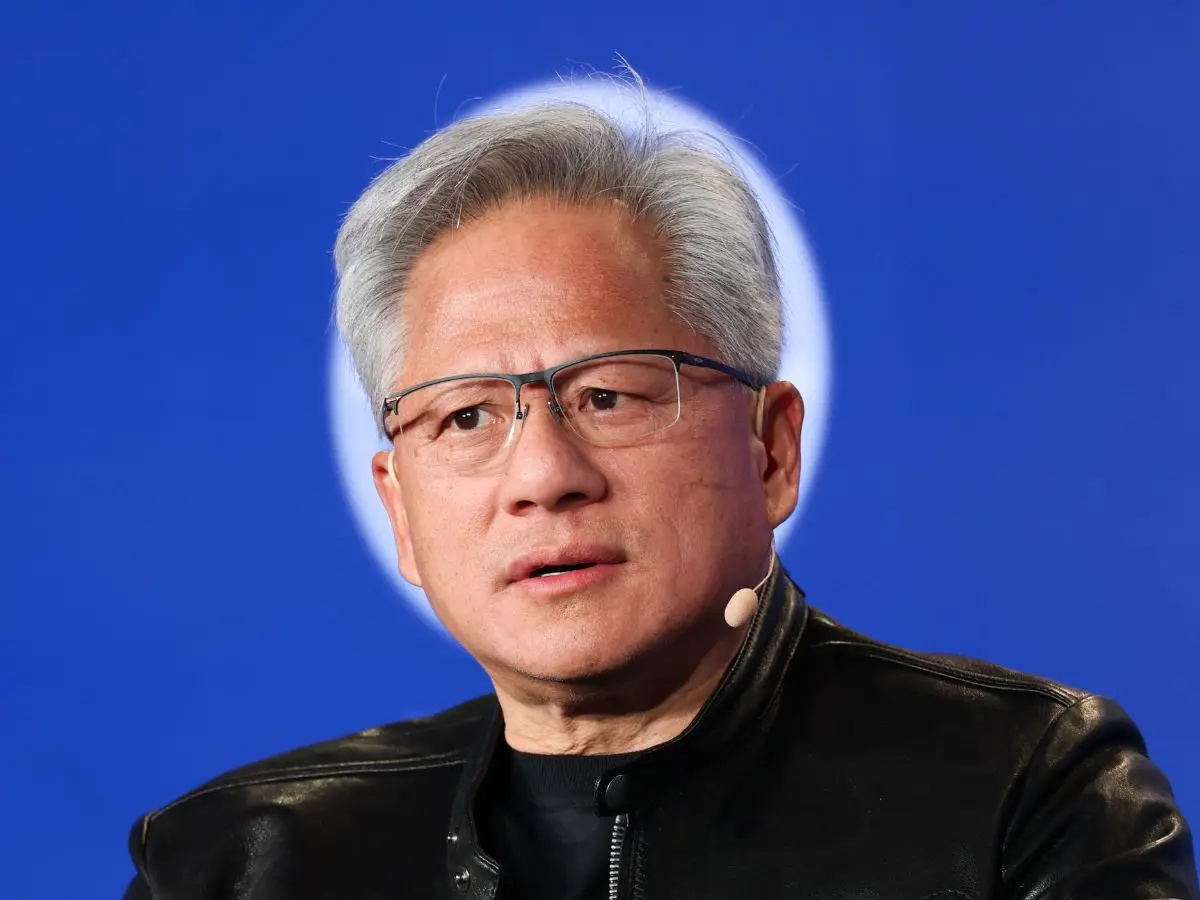)
‘0% chance’: Nvidia CEO Jensen Huang dismisses AI extinction fears by 2030
)
Samsung raises Galaxy S26 prices by Rs 20,000: Here’s what each model now costs
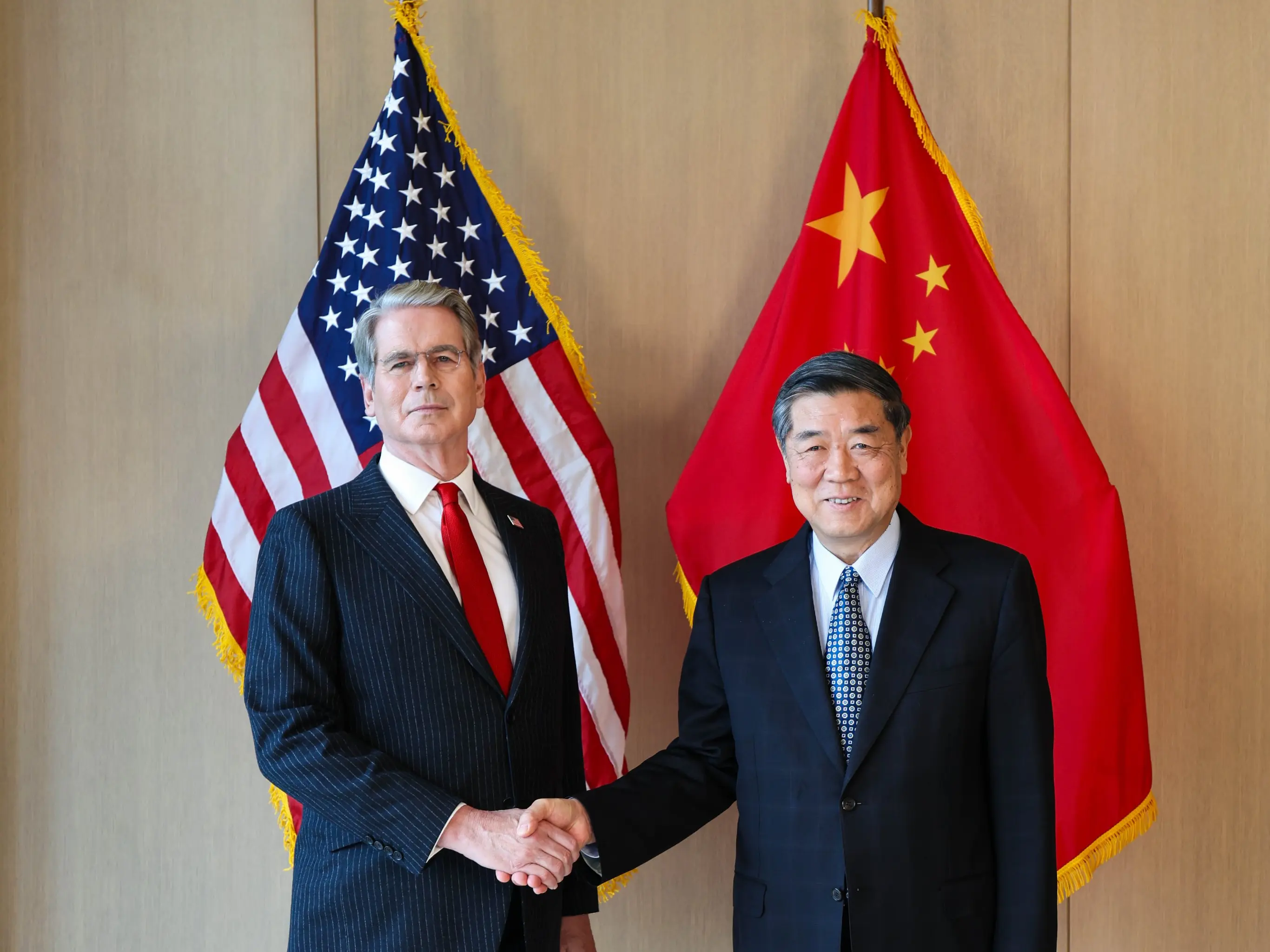)
Bessent meets China’s He Lifeng to prepare for Trump-Xi summit
)
CDU suffers historic defeat in eastern Germany as AfD surges, Merz vows to stay on
)
China now makes advanced memory chips without the machines it was banned from buying
)
Arvind Kejriwal, family members, Delhi CM Rekha Gupta get SIR notices
)
Trump-Xi summit: US Treasury Secretary holds meeting with Chinese Vice Premier
)
Fleming's aspirations as England Test coach include WTC, top ranking and Ashes
)
Saudi vs Houthis: Houthis claim missiles & drones used in attack on key Saudi sites
)
Delhi Air pollution: Strict crackdown on waste burning
)
Apple reportedly building AI server with M8 Ultra chips, may use Nvidia technology
&im=FitAndFill=(700,400))
What TSMC's 2nm technology means for Apple
)
Glitch in the matrix caught on camera: Woman vanishes after talking to reporter
)
Several petrol pumps, other businesses to refuse UPI payments above Rs 2,000 from Oct 16: Is it legal?
)
AI kill switch explained: Why shutting down a dangerous AI may not be as simple as pressing a button
)
Microsoft executive called AI training the ‘largest theft of labour in human history’
)
Pilot recreates Mona Lisa in sky over Oklahoma and Arkansas in four-hour flight: VIDEO
)
US ships in Indian Ocean ‘will be attacked’ if war resumes, warns Iran
)
Samay Raina-Mukesh Chhabra controversy explained: What happened over girlfriend joke on India's Got Latent?
)
Putin's United Russia party wins 355 seats in Duma election; 4 other parties cross threshold to enter parliament
)
S Jaishankar, former Army chief among high-profile names issued Delhi SIR notices
The Sikhs have established many Gurdwaras (temples), particularly, in the Greater Toronto and Vancouver regions. Over time the hardliners have managed to wrest control of a number of them along with the sizeable offerings that they receive annually from the devotees. This has given them financial muscle and influence, which they use with impunity.
Some Gurdwaras display pictures of terrorists, presented as ‘martyrs’. Processions and events are regularly organised where fiery speeches are delivered, objectionable tableaux displayed and even kids made to brandish unsheathed swords. Clearly, an attempt is afoot to radicalise the Sikh (Canadian) youth, while the state looks the other way. Gurdwara funds are being misused with some finding their way into wrong hands in India.
It goes unsaid that an overwhelming majority of the community does not endorse the outlook or activities of these elements. Recently, Government of India's initiatives to slash the visa blacklists and reach out to the fence-sitters has helped. Many of them have since visited India and seen through the separatist propaganda.
However, it is the continuing appearance of Canadian politicians, at radical platforms, which give the latter the oxygen to publicity. It must be said to the credit of Conservatives that they had recalibrated their stance of late. During Prime Minister Modi’s visit in April 2015, then Prime Minister Harper had publicly stated that his government was committed to the unity and integrity of India.
The thumping Liberal victory in the October 2015 general elections has boosted the morale of the separatists. Prime Minister Justin Trudeau, was present at an event in Toronto, in May last year that featured Khalistani flags and posters of Jarnail Singh Bhindranwale. Earlier in April 2016, he rightly hailed the contributions of the Sikh community during the Baisakhi Day celebrations at the Parliament, but without mentioning India even once.
The stock response of the Canadian side, whenever the matter is raised, is that freedom of speech is guaranteed by their Constitution. They plead ignorance of the noxious aspects. The disposition of our Canadian friends is not likely to change, till such time as they give due weightage to ties with India and are willing, at worst, to lose a bunch of votes in a few ridings. The ball is squarely in the Canadian court.
(Disclaimer: The opinions expressed above are the personal views of the author and do not reflect the views of ZMCL)