

&imwidth=800&imheight=600&format=webp&quality=medium "New Income Tax Bill 2025 gets Lok Sabha nod, includes parliamentary panel’s most suggestions")
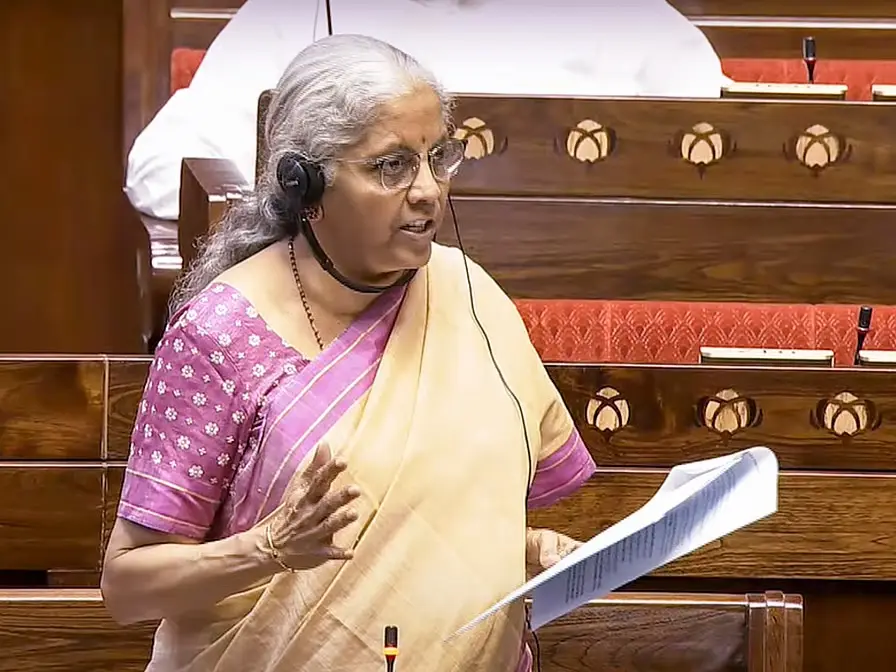
The New Income Tax Bill 2025 was passed by the Lok Sabha on Monday after Finance Minister Nirmala Sitharaman introduced a revised version that incorporated most of the recommendations made by the Select Committee headed by MP Baijayant Panda. The bill was tabled on Monday after the government decided to withdraw the Income-Tax Bill, 2025, which was presented on February 13 to replace the six-decade-old Income-Tax Act, 1961. The bill must be passed by the Rajya Sabha and will then seek the President’s nod.
The new bill is designed to simplify and update India’s taxation system, replacing legislation that had been in effect for over 60 years. It includes a revised structure, provisions for digital taxation, systems for resolving disputes, and initiatives to expand tax collection through technological and data-driven methods. While presenting The Income-Tax (No.2) Bill, 2025, Sitharaman explained that this legislation aims to streamline and update income tax regulations, replacing the existing Income Tax Act, 1961.
The new version, which includes the majority of 285 recommendations made by the Parliamentary Select Committee led by BJP MP Baijayant Panda, was presented on Monday and passed promptly.
Select Committee presented 4,575-page report
The Parliamentary Select Committee, comprising 31 members, presented their comprehensive 4,575-page findings last month. Their recommendations include both small adjustments and 32 significant modifications.
The parliamentary panel had flagged multiple drafting errors and suggested amendments to reduce ambiguity. The committee said the changes would improve fairness and clarity while aligning the law with existing provisions.
FM Sitharaman said the earlier bill was pulled back to avoid confusion and that the fresh draft will serve as the basis for replacing the 1961 Act.
Significant reforms in direct tax code in over 60 years
The draft bill introduced in February was described as the most significant reform of India’s direct tax code in over 60 years. Its key features were simplified language, consolidation of deductions, and shorter provisions to ease compliance.
Trending Stories
&im=FitAndFill=(700,400)&imwidth=180&imheight=135&format=webp&quality=medium)
Navratri 2026: 9 days, 9 forms of Goddess Durga and 9 colours- Check the complete list
&imwidth=180&imheight=135&format=webp&quality=medium)
Trump weighs firing Kimberly Guilfoyle as US ambassador to Greece amid misconduct allegations: Report
&imwidth=180&imheight=135&format=webp&quality=medium)
Anti-SIR protest in Mumbai: Protestors wear black masks & ribbons in Mumbai
&imwidth=180&imheight=135&format=webp&quality=medium)
UK PM Andy Birnham renews claims of Russian meddling in Brexit vote
&imwidth=180&imheight=135&format=webp&quality=medium)
BCCI rejects venue shift reports, India vs Sri Lanka 1st ODI to remain in Delhi
&imwidth=180&imheight=135&format=webp&quality=medium)
1,500 drones illuminate Mumbai sky as Cordelia Cruises unveils second ship, Cordelia Sky
&imwidth=180&imheight=135&format=webp&quality=medium)
India Rejects Pakistan-China Boundary Commission, Tells Islamabad to Drop 'Theatrics' | GRAVITAS
&imwidth=180&imheight=135&format=webp&quality=medium)
Houthis warns US of 'painful response' if Washington joins Saudi war in Yemen as airlines suspend flights to Saudi Arabia
&imwidth=180&imheight=135&format=webp&quality=medium)
Congress demands action against chief election commissioner
&imwidth=180&imheight=135&format=webp&quality=medium)
Trump defends Russian diesel deal amid bipartisan backlash over fuel prices
&imwidth=180&imheight=135&format=webp&quality=medium)
Apple HomeView smart home hub may launch soon with A18 chip, display and Siri controls: What to expect
&imwidth=180&imheight=135&format=webp&quality=medium)
VIDEO: Houthi's strike Riyadh's King Khalid International airport as passengers wait for flights
&imwidth=180&imheight=135&format=webp&quality=medium)
'Turn approver, resign, we'll forgive you': Rahul Gandhi claims receiving messages from CEC Gyanesh Kumar
&imwidth=180&imheight=135&format=webp&quality=medium)
'I will not be silenced': Ilhan Omar alleges political intimidation after federal officers search her Washington home
&imwidth=180&imheight=135&format=webp&quality=medium)
Use AI as your ‘second brain’: Meta AI chief Alexandr Wang’s message to young people
&imwidth=180&imheight=135&format=webp&quality=medium)
Robotic surgery, advanced treatment: What is coming to this small Gujarat town?
&imwidth=180&imheight=135&format=webp&quality=medium)
US federal agents raid Dem Rep Ilhan Omar’s home ahead of midterms
&imwidth=180&imheight=135&format=webp&quality=medium)
Reports: Saudi crown prince Mohammed bin Salman is being moved to safe locations
&imwidth=180&imheight=135&format=webp&quality=medium)
Pakistan's government blames PTI for rise of terrorism in Khyber Pakhtunkhwa
&imwidth=180&imheight=135&format=webp&quality=medium)
Powerful 7.7 magnitude earthquake strikes Panama, tsunami warning issued
&imwidth=180&imheight=135&format=webp&quality=medium)
‘This is just the start’: Maaya Rajeshwaran on historic ITF title, confidence boost and future goals
&im=FitAndFill=(700,400)&imwidth=180&imheight=135&format=webp&quality=medium)
How does a robot decide what to do next?
&imwidth=180&imheight=135&format=webp&quality=medium)
ICC penalises West Indies duo Powell, Rutherford for Code of Conduct breach
&imwidth=180&imheight=135&format=webp&quality=medium)
'Ouch!!! That must hurt': Kangana Ranaut hails Kamal Haasan's sharp reply to Elon Musk over Starlink row
&imwidth=180&imheight=135&format=webp&quality=medium)
Sidhu Moose Wala’s younger brother wins hearts by recreating late singer’s signature move at Toronto Hologram Show
&imwidth=180&imheight=135&format=webp&quality=medium)
UK school ditches technology, shifts from screen to pen and paper for learning
&imwidth=180&imheight=135&format=webp&quality=medium)
Opposition’s 10 demands in Supreme Court petition range from stay on SIR to audit of voter rolls
&imwidth=180&imheight=135&format=webp&quality=medium)
Portugal Federation confirms Cristiano Ronaldo’s return to national team despite suspension
&im=FitAndFill=(700,400)&imwidth=180&imheight=135&format=webp&quality=medium)
New OTT releases this week (October 12-18, 2026): Sacrifice, Koffee with Karan S9, Roadies Rebirth- 6 titles coming on Netflix, JioHotstar and more
&imwidth=180&imheight=135&format=webp&quality=medium)
Rishabh Pant ruled out of India A squad for New Zealand tour, Kumar Kushagra named replacement
&imwidth=180&imheight=135&format=webp&quality=medium)
India's Ajit Doval, Iran's Mohsen Rezaei hold talks amid escalating West Asia tensions, discuss 'issues of mutual interest'
&imwidth=180&imheight=135&format=webp&quality=medium)
'Almost certainly': UK Prime Minister Andy Burnham says Iran's IRGC behind RAF Fairford threat
It also included lower penalties for certain offences to make the system more taxpayer-friendly and reduction in litigation through a “trust first, scrutinise later” approach.
The earlier draft had 23 chapters, 536 sections, and 16 schedules, using tables and formulas for easier interpretation. It also proposed streamlined TDS rules, simplified depreciation provisions, and retention of residency criteria and financial year timelines.

